Contact Lens Eye Infections: Risks and Remedies
Discover the hidden dangers of sleeping in contacts and learn proven treatments to safeguard your vision from serious infections.
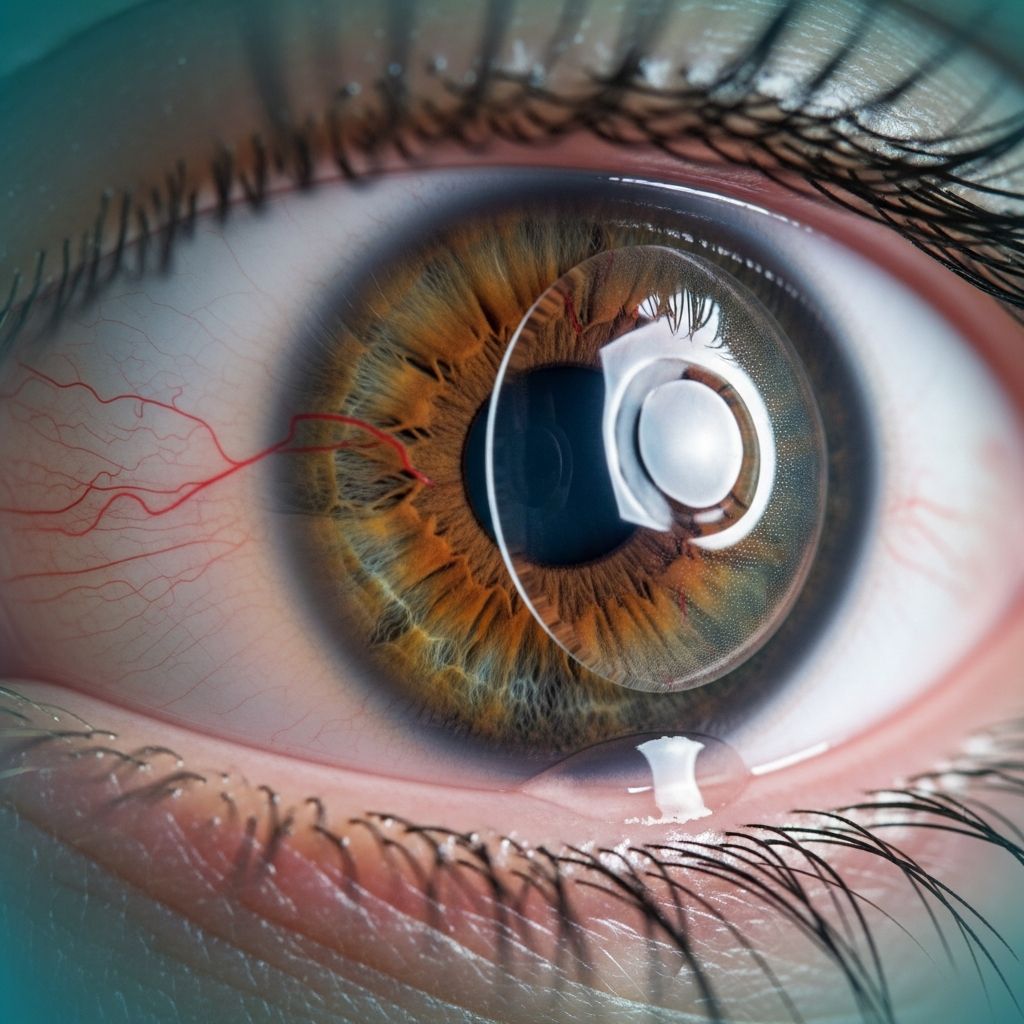
Improper use of contact lenses, particularly sleeping in them, significantly heightens the risk of severe eye infections that can impair vision. These infections, often involving bacteria, fungi, or parasites, demand prompt medical intervention to avert lasting damage like corneal scarring or blindness.
Understanding the Link Between Contacts and Eye Infections
Contact lenses create a moist environment ideal for microbial growth if hygiene lapses occur. When users sleep in lenses not designed for overnight wear, oxygen deprivation weakens the cornea, making it susceptible to pathogens. Common culprits include bacteria like Pseudomonas aeruginosa, fungi, and parasites such as Acanthamoeba, all thriving in contaminated solutions or water exposure.
Statistics highlight the urgency: infectious keratitis from contacts affects about 1 in 30,000 people annually in some regions, with cases potentially rising due to varied usage patterns. Unlike glasses, lenses sit directly on the eye, amplifying risks from poor maintenance.
Primary Causes of Contact Lens-Related Infections
Several habits contribute to these infections:
- Overnight wear: Lenses block oxygen, fostering bacterial buildup overnight.
- Water exposure: Showering, swimming, or using tap water for cleaning introduces parasites like Acanthamoeba.
- Poor hygiene: Unwashed hands, expired solutions, or dirty cases harbor pathogens.
- Extended wear: Exceeding replacement schedules allows debris accumulation.
A table summarizing key risk factors:
| Risk Factor | Associated Pathogen | Potential Complication |
|---|---|---|
| Sleeping in lenses | Bacteria (e.g., Pseudomonas) | Corneal ulcer |
| Tap water use | Acanthamoeba | Vision loss |
| Dirty cases | Fungi/Bacteria | Scarring |
| Swimming with lenses | Multiple | Keratitis |
Recognizing Symptoms Early
Early detection is crucial. Initial signs mimic allergies but escalate quickly:
- Redness and irritation
- Pain or light sensitivity
- Excessive tearing or discharge
- Blurred vision or foreign body sensation
- Worsening discomfort upon lens insertion
If sleeping in contacts precedes these, suspect infection immediately. Severe cases show corneal haze or ulcers visible via slit-lamp exam. Delaying care risks permanent damage, as infections can penetrate deep into eye tissues.
Medical Treatments for Contact Lens Infections
Treatment hinges on the infection type and severity. Always cease lens wear during recovery.
Bacterial Keratitis Management
Most common, treated with frequent antibiotic eye drops (e.g., every 30 minutes initially). Topical steroids may follow to reduce inflammation. Early intervention yields full recovery in most cases; untreated, it leads to ulcers or blindness.
Fungal Infections
Require antifungal drops or oral meds. Fungal keratitis from organic matter demands swift action to prevent scarring.
Acanthamoeba Keratitis
Rare but devastating, linked to water. Newer drugs like Akantior (polyhexamethylene biguanide 0.08%) offer targeted therapy, approved recently in Europe. Combine with anti-amoebic drops and pain relief; treatment spans months. PCR testing aids rapid diagnosis. Refractory cases may need corneal transplants.
Related Stories



For viral types (e.g., HSV), antivirals are used, avoiding steroids that exacerbate.
Step-by-Step Guide: What to Do If Infected
- Remove lenses immediately and avoid reinsertion until cleared.
- Seek professional care at the first sign—don’t self-treat.
- Follow prescriptions diligently: Drops may sting initially, indicating efficacy.
- Monitor progress with follow-ups; discard affected lenses and cases.
- Address pain with prescribed relief and cool compresses.
Mild cases resolve in days; severe ones require weeks or surgery.
Prevention Strategies for Safe Lens Wear
Prevention trumps treatment. CDC guidelines emphasize:
- Wash hands before handling lenses.
- Use fresh, sterile solution daily—never tap water.
- Replace cases quarterly; air-dry after use.
- Opt for daily disposables to minimize risks.
- Remove before sleep, showers, or swimming.
Choose lenses approved for extended wear only if necessary, and adhere to schedules.
Long-Term Eye Health After Infection
Post-treatment, refit lenses with professional guidance. Some switch to glasses or orthokeratology. Regular exams catch issues early. Scarring may necessitate transplants, but most regain vision with care.
Frequently Asked Questions (FAQs)
Can I sleep in my contact lenses?
Only if FDA-approved for overnight use. Otherwise, remove them to prevent oxygen deprivation and infections.
What if I get an infection from contacts?
Stop wearing lenses, see an eye doctor urgently for drops or meds. Prompt action prevents vision loss.
Is Acanthamoeba keratitis curable?
Yes, with drugs like Akantior and diligent treatment, though severe cases may require surgery.
How do I clean my lens case properly?
Rinse with sterile solution, air-dry upside down, replace every 3 months. Avoid water.
Are daily disposable lenses safer?
Yes, they eliminate cleaning errors and reduce infection risk significantly.
Choosing the Right Professional Care
Consult optometrists or ophthalmologists experienced in contact complications. They offer fittings, hygiene training, and advanced diagnostics like PCR for parasites.
References
- What to Do if Your Contact Lens Causes an Eye Infection — Estrella Eye Care. 2023. https://www.estrellaeyecare.com/what-to-do-if-your-contact-lens-causes-an-eye-infection/
- Eye Infections Caused by Contact Lenses — Brinegar Eye Care. 2023. https://brinegareyecare.com/blog/1157950-eye-infections-caused-by-contact-lenses
- Contact Lens-Related Eye Infections — Fort Worth Eye Associates. 2023. https://www.ranelle.com/camp-bowie-optique-eyeglasses-contact-lenses/contact-lens-related-eye-infections/
- Advances in the treatment of eye infections from contact lenses — Clinic Barcelona. 2023-10-01. https://www.clinicbarcelona.org/en/news/advances-in-the-treatment-of-eye-infections-from-contact-lenses
- Acanthamoeba Keratitis and Contact Lenses — Prevent Blindness. 2023. https://preventblindness.org/acanthamoeba-keratitis-contact-lenses/
- Contact Lenses and Eye Infections — WebMD. 2023. https://www.webmd.com/eye-health/contact-lenses-eye-infections
- Preventing Eye Infections When Wearing Contacts — CDC. 2024-01-15. https://www.cdc.gov/contact-lenses/prevention/index.html
Similar Articles








Read full bio of medha deb