Contact Lens Eye Infections: 7 Prevention Steps
Understand the risks, symptoms, and prevention of serious eye infections linked to contact lens wear for safer vision correction.
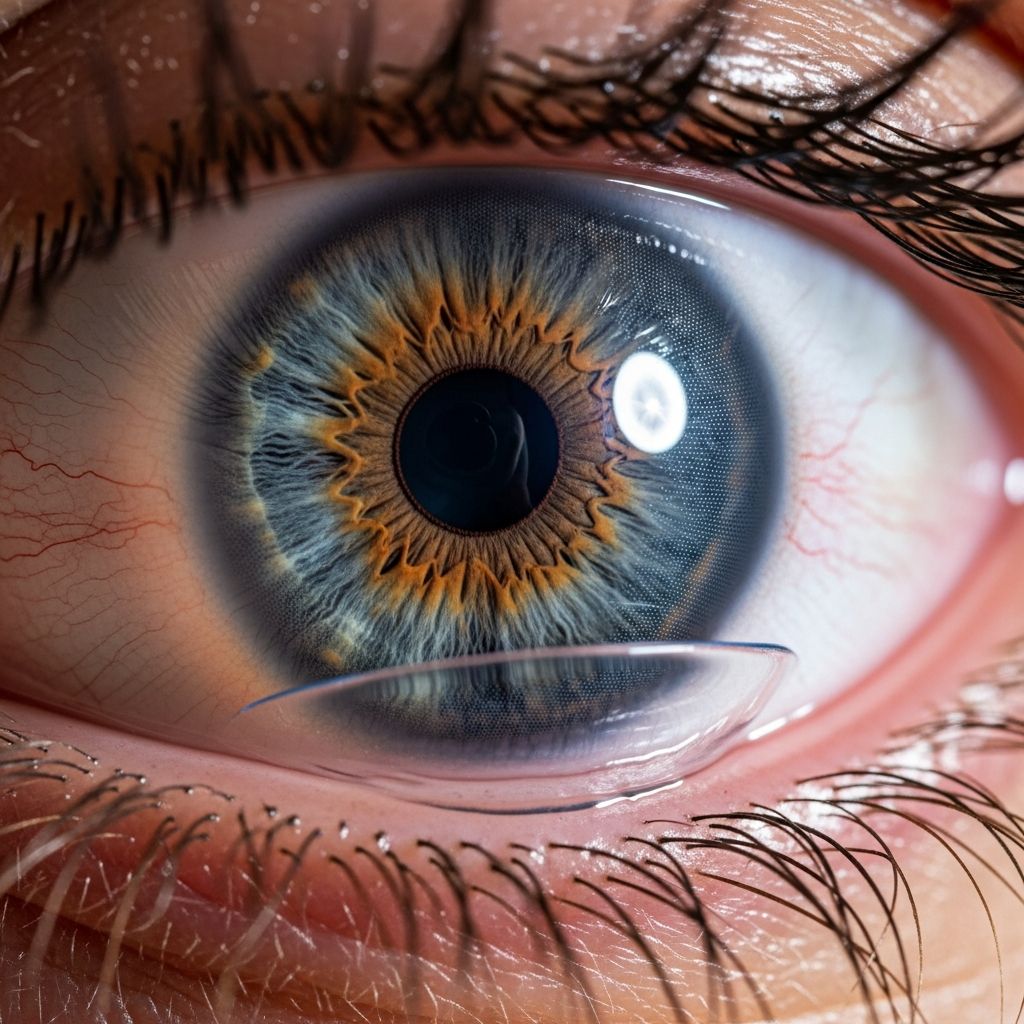
Contact lens wearers enjoy clear vision without glasses, but improper use can lead to serious infections like microbial keratitis, which inflames the cornea and risks blindness in severe cases. These infections arise when bacteria, fungi, viruses, or parasites invade the eye, often due to poor hygiene or extended wear.
Understanding the Cornea and Infection Vulnerabilities
The cornea, the eye’s clear front surface, protects deeper structures while focusing light. Contact lenses rest on this delicate layer, potentially trapping germs if not managed properly. Microbial keratitis occurs when pathogens breach the cornea, causing pain and potential scarring. Healthy individuals face an 80-fold higher risk from lens wear compared to non-wearers.
Non-infectious issues like dry eyes or allergies can mimic infections, but microbial types demand urgent care. Factors reducing tear flow under lenses exacerbate risks by allowing debris buildup.
Primary Types of Contact Lens-Linked Infections
Several pathogens cause keratitis in lens users. Here’s a breakdown:
- Bacterial Keratitis: Most common, often from Pseudomonas aeruginosa or Staphylococcus aureus. These thrive in contaminated cases or solutions.
- Fungal Keratitis: Caused by Fusarium or Aspergillus, slower-developing but harder to treat, prevalent in warm climates.
- Viral Keratitis: Typically herpes simplex virus (HSV-1), spreading from skin contact like cold sores to eyes via lenses.
- Acanthamoeba Keratitis: Rare parasitic form from amoebae in water sources; 85% of U.S. cases link to contact lenses.
| Type | Common Pathogens | Prevalence in Lens Wearers |
|---|---|---|
| Bacterial | Pseudomonas aeruginosa, Staphylococcus aureus | Highest incidence |
| Fungal | Fusarium spp., Aspergillus | 2-12.5% |
| Parasitic | Acanthamoeba spp. | 1.96-12.5% |
| Viral | Herpes Simplex Virus | Less common |
Risk Factors Driving Infections
Poor habits amplify dangers. Overnight wear boosts risk dramatically—up to 20.9 per 10,000 for soft extended-wear lenses versus 2.2-4.5 for daily disposables. Other contributors include:
- Topping off solution instead of replacing it fully.
- Using tap water for cleaning or storing lenses.
- Swimming, showering, or hot-tubbing with lenses in.
- Extended daily wear beyond recommended hours.
- Touching lenses with unwashed hands.
- Improper case cleaning, leading to biofilm buildup.
Rigid gas-permeable lenses show lower rates (0.4-4.0 per 10,000), but no type is immune. Environmental exposures like soil or plants heighten fungal risks.
Recognizing Warning Signs Early
Symptoms often start subtly but escalate quickly:
- Eye pain disproportionate to appearance.
- Redness, tearing, or light sensitivity.
- Blurred or hazy vision.
- Feeling like something’s in the eye.
- Mucus discharge or swelling.
Acanthamoeba cases uniquely feature severe pain and ring-like corneal infiltrates. Bacterial forms progress rapidly, sometimes within hours. Never ignore symptoms—prompt diagnosis via corneal scraping or confocal microscopy is crucial.
Diagnosis and Medical Interventions
Ophthalmologists confirm infections through exams, cultures, or imaging. Treatments vary:
- Bacterial: Intensive antibiotic drops hourly initially, tapered over weeks.
- Fungal: Antifungal agents; may require surgery if deep.
- Acanthamoeba: Prolonged anti-parasitic drops (months), pain management.
- Viral: Antiviral medications; steroids cautiously post-acute phase.
Related Stories



Severe cases risk corneal transplants. Early intervention preserves vision best.
Proven Prevention Strategies
Avoid 90% of cases with discipline:
- Wash hands thoroughly before handling lenses.
- Use fresh, recommended solutions; never top off.
- Rinse cases with sterile solution, air-dry upside down.
- Replace cases every 3 months.
- Adhere to wear schedules; remove before sleep unless approved extended-wear.
- Avoid all water exposure while wearing or storing lenses.
- Don’t use saliva or tap water on lenses.
Daily disposables minimize risks most. Schedule regular eye exams.
Other Lens-Related Eye Issues
Beyond infections:
- CLARE: Acute red eye from inflammation.
- Corneal Infiltrates: Inflammatory spots signaling early trouble.
- Neovascularization: Abnormal vessel growth from hypoxia.
- Giant Papillary Conjunctivitis: Allergic bumps under lids from deposits.
These can precede infections; monitor closely.
Statistics and Epidemiology Insights
Microbial keratitis strikes 2-5 per 10,000 daily wearers yearly. Overnight use multiplies odds. Gram-negative bacteria dominate in tropics; gram-positive elsewhere. Pseudomonas aeruginosa’s toxins worsen outcomes uniquely.
Frequently Asked Questions (FAQs)
Can I swim with contact lenses?
No—remove them first to prevent Acanthamoeba exposure from water.
What if I sleep in my lenses once?
Even once heightens infection risk significantly; stick to guidelines.
How do I clean my lens case properly?
Rinse with sterile solution, not water; rub interior, air-dry inverted.
Are daily disposable lenses safer?
Yes, lowest keratitis rates due to no storage needs.
What should I do if my eye hurts with lenses?
Remove lenses, seek ophthalmologist immediately—don’t wait.
Maintaining vigilance ensures lenses remain safe. Consult professionals for personalized advice.
References
- What Causes Contact Lens-related Eye Infections — Centers for Disease Control and Prevention (CDC). 2023. https://www.cdc.gov/contact-lenses/causes/index.html
- Keratitis – Symptoms and causes — Mayo Clinic. 2025-02-01. https://www.mayoclinic.org/diseases-conditions/keratitis/symptoms-causes/syc-20374110
- Acanthamoeba Keratitis and Contact Lenses — Prevent Blindness. 2024. https://preventblindness.org/acanthamoeba-keratitis-contact-lenses/
- A Review of Contact Lens-Related Risk Factors and Complications — National Center for Biotechnology Information (PMC). 2022-11-01. https://pmc.ncbi.nlm.nih.gov/articles/PMC9644230/
- Contact Lens-Related Eye Infections: What You Need to Know — ReFocus Eye Health. 2024. https://windsor.refocuseyedoctors.com/article/contact-lensrelated-eye-infections-what-you-need-to-know/
Similar Articles








Read full bio of Sneha Tete