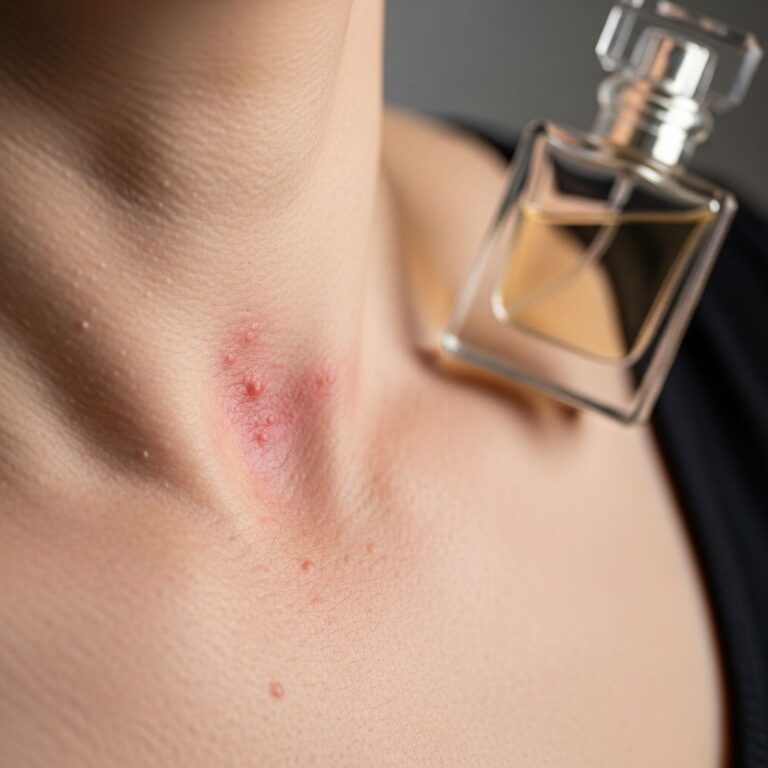
Contact Leukoderma: 5 Essential Facts On Causes & Treatments
Understanding skin depigmentation caused by chemical exposure in workplaces and cosmetics.
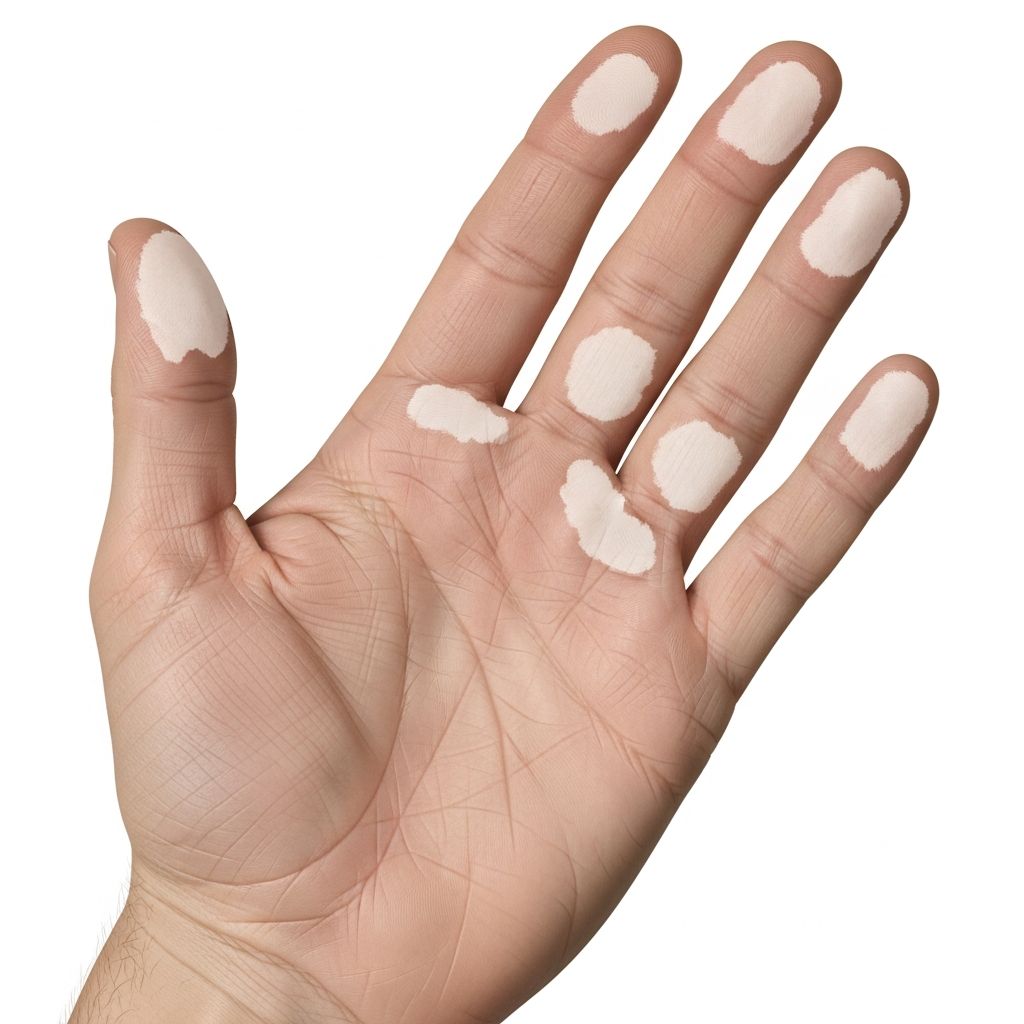
Contact leukoderma, also known as chemical leukoderma, is the loss of skin colour (whitening of skin) following contact with chemicals known to destroy the skin pigment cells called
melanocytes
. It typically arises from occupational exposures or cosmetic use, presenting as white patches that may mimic vitiligo.What is contact leukoderma?
Contact leukoderma represents an acquired depigmentation disorder triggered by specific chemicals that selectively target melanocytes, leading to localized or widespread loss of skin pigmentation. Unlike idiopathic vitiligo, it conforms to sites of chemical contact but can progress beyond them. The condition may develop in individuals with pre-existing vitiligo, indicating a genetic predisposition, though most cases lack personal or family history of autoimmune diseases.
Rare associations with liver or thyroid disease have been noted, but these are not consistent across patients. The mechanism involves direct melanocyte destruction by phenolic or catecholic derivatives, or secondary effects from irritant/allergic contact dermatitis. For instance, during the COVID-19 pandemic, isopropanol-based hand rubs combined with frequent washing caused irritant contact dermatitis leading to confluent depigmentation in interdigital spaces.
Who gets contact leukoderma?
Contact leukoderma affects individuals exposed to depigmenting chemicals, particularly in occupational settings or through personal care products. Workers in leather manufacturing, rubber production, and chemical industries are at higher risk due to phenols like monobenzylether of hydroquinone (MBH). Consumers using hair dyes, deodorants, or skin lighteners face similar risks, with higher incidence in those applying products frequently or with genetic susceptibility.
Demographics show no strong age or gender bias, but skin of colour may highlight lesions more visibly, increasing psychological impact. Cases have surged with increased sanitizer use, as seen in a 40-year-old male developing hand depigmentation after 2 months of 70% isopropanol exposure amid rigorous hygiene.
Causes of contact leukoderma
The primary culprits are aromatic or aliphatic derivatives of phenols and catechols, which penetrate skin and destroy melanocytes.
Occupational causes
- Monobenzylether of hydroquinone (MBH): First identified in leather workers wearing MBH-cured rubber gloves.
- Para-tertiary butylphenol (PTBP), para-tertiary octylphenol, para-tertiary butylphenolformaldehyde: Common in adhesives, rubbers, and plastics.
- Other phenols/catechols: Found in dyes, inks, and industrial solvents.
Cosmetic causes
- Para-phenylenediamine (PPD): In hair dyes, black socks, footwear, and temporary henna tattoos; affects hair margins, face, or feet. Frequent use elevates vitiligo risk.
- Azo dyes: In facial cosmetics like foundations and eyeliners.
- PTBP: In deodorants and spray perfumes.
- MBH: In skin lightening creams, sometimes used intentionally for vitiligo camouflage.
Cultural practices
- Alta (solvent yellow 3): Azo dye painted on feet in India.
- Bindi adhesive: PTBP causing forehead depigmentation in Asian women.
Synergistic irritants like detergents, hot water, and alcohols amplify risk via increased skin permeability, as in hand rub-induced cases.
Clinical features of contact leukoderma
Lesions appear as white patches at contact sites, with sharp margins and confetti-like spots under magnification. Single lesions occur in one-third of cases; multiples are common. Sites include face (eyelids), hands, feet, and hairlines. Spread beyond contact areas happens in 25% of patients, potentially evolving into vitiligo.
Skin is smooth, non-scaly. Wood’s lamp accentuates hypopigmentation, though less vividly than vitiligo. Itch may precede without dermatitis. Never congenital.
Related Stories



| Feature | Contact Leukoderma | Vitiligo |
|---|---|---|
| Distribution | Conforms to contact sites initially | Symmetrical, acral |
| Margins | Sharp, confetti-like | Well-defined |
| Preceding itch | Common | Rare |
| Histology | Melanocyte absence | Melanocyte absence |
Diagnosis of contact leukoderma
Diagnosis relies on history of chemical exposure and lesion distribution matching contact sites. Distinguish from vitiligo via:
- Conformance to exposure pattern.
- Absence of family/autoimmune history.
- Potential preceding irritant dermatitis.
Suggested criteria (Ghosh & Mukhopadhyay, 2009): At least 3 of 4:
- Definite chemical exposure.
- Lesions at exposure sites.
- Absence of personal/family vitiligo.
- Confetti macules.
Biopsy shows melanocyte loss (S-100 stain); Wood’s lamp aids. Patch testing risky—may induce new lesions; semi-open tests for irritants like sanitizers.
Treatment of contact leukoderma
Prime treatment: Strict avoidance of offending chemical. Repigmentation occurs in most without pre-existing vitiligo.
- Emollients: Restore barrier, prevent extension.
- Topical corticosteroids (e.g., fluticasone): Reduce inflammation, promote melanocyte recovery.
- Topical calcineurin inhibitors (e.g., tacrolimus): For depigmented macules.
- Phototherapy: Narrow-band UVB or PUVA accelerates repigmentation.
Extension despite avoidance suggests vitiligo tendency. Psychological support vital for visible sites, especially skin of colour.
Prevention of contact leukoderma
- Use protective gloves in occupations with phenols.
- Patch-test cosmetics; avoid PPD/henna.
- Moisturize after sanitizers/washing.
- Regulate lightening creams with MBH.
Frequently Asked Questions (FAQs)
Q: Is contact leukoderma the same as vitiligo?
A: No, contact leukoderma is chemically induced and site-specific, while vitiligo is autoimmune; they share histology but differ in triggers.
Q: Can contact leukoderma spread?
A: Yes, in 25% of cases beyond contact sites, possibly indicating vitiligo predisposition.
Q: Does patch testing help diagnose it?
A: Semi-open tests may confirm irritants, but standard patch testing risks new depigmentation.
Q: Is repigmentation possible?
A: Yes, with avoidance and therapies like topical steroids/UVB in most cases without prior vitiligo.
Q: What chemicals should I avoid?
A: Phenols (MBH, PTBP), PPD in dyes, azo dyes in cosmetics.
References
- Contact leukoderma following irritant contact dermatitis to an isopropanol‐based hand rub: A consequence of rigorous hand hygiene — Surabhi Sinha et al. 2020-11-12. https://pmc.ncbi.nlm.nih.gov/articles/PMC7754559/
- Contact leukoderma – DermNet — DermNet NZ. 2023. https://dermnetnz.org/topics/contact-leukoderma
- Chemical leukoderma — VisualDx. 2023. https://www.visualdx.com/visualdx/diagnosis/?moduleId=101&diagnosisId=51850
Similar Articles








Read full bio of medha deb