Contact Reactions To Lanolin: What You Need To Know
Understanding lanolin allergies: symptoms, diagnosis, high-risk groups, and effective avoidance strategies for healthier skin.
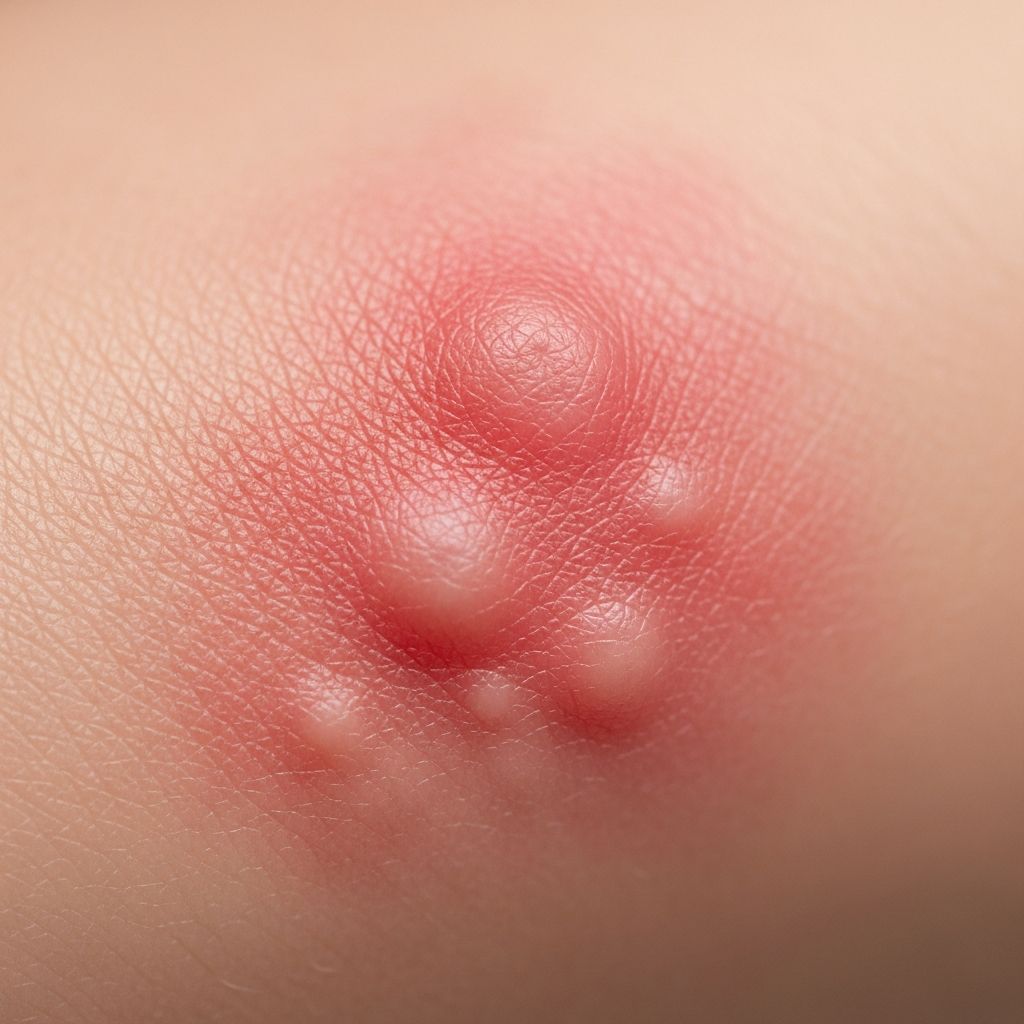
Lanolin, derived from sheep’s wool grease, serves as a popular emollient in pharmaceuticals, cosmetics, and industrial products due to its moisturizing properties. However, it can provoke
contact reactions
, primarilyallergic contact dermatitis (ACD)
, in sensitized individuals. These reactions manifest as localised erythema, pruritus, swelling, or blistering hours to days after exposure, with severity depending on the application site and skin condition.What is Lanolin?
Lanolin, also called wool wax or wool grease, is a natural lipid extracted during wool processing. It closely resembles human skin lipids, making it an effective barrier repair agent. Chemically, lanolin comprises a complex mix of esters, diesters, cholesterol, and
wool alcohols
(lanolin alcohols), which are the primary allergens responsible for hypersensitivity. Despite its benefits on intact skin, lanolin can penetrate compromised barriers, triggering immune responses in predisposed individuals.Refined forms like anhydrous lanolin or lanolin alcohols are common in formulations. Its occlusive nature helps retain moisture but increases allergen penetration risk in inflamed skin.
Who is at Risk?
The prevalence of lanolin contact allergy varies. In patch-tested dermatitis patients, positive rates range from
1.7% to 4.63%
, with higher figures (up to 6.9%) in select cohorts. General population estimates are lower, under 0.5%. Recent North American data from 2001–2018 (n=43,691) showed 3.3% positivity, rising to 4.63% from 2011–2018, indicating increasing relevance.High-risk groups include:
- Individuals with damaged skin: Pre-existing conditions like
atopic dermatitis
,venous eczema (stasis dermatitis)
,chronic leg ulcers
, orperianal/genital dermatitis
heighten sensitisation due to impaired epidermal barriers and frequent topical applications. - Demographic factors: Children (4.5% prevalence vs. 3.2% in adults, linked to atopic dermatitis); elderly (stasis dermatitis/ulcers); males; those over 40; Black patients; histories of eczema or hay fever.
- US-specific notes: Non-Hispanic Black patients show lower allergy rates than non-Hispanic Whites.
In one study, lanolin-sensitive patients had more + reactions (52%), with hands (20.7%), generalised distribution (19.6%), and face (17.0%) as common sites.
Types of Contact Reactions
Lanolin induces several reaction types:
- Allergic contact dermatitis (ACD): Delayed type IV hypersensitivity mediated by T-cells, causing itchy red rashes. Erythema may be subtle in darker skin, with postinflammatory hyperpigmentation common.
- Irritant contact dermatitis: Non-immunologic inflammation from direct toxicity, often in high concentrations on damaged skin.
- Other reactions: Photocontact dermatitis (UV-enhanced), contact urticaria (immediate hives), or systemic contact dermatitis (rare, from ingestion).
A controversial ‘lanolin paradox’ notes low allergy rates despite widespread use, attributed to principal allergens in wool alcohols rather than pure lanolin. False negatives occur with pure lanolin testing; oxidation may generate further sensitisers.
Sources of Lanolin Exposure
Lanolin appears in diverse products:
| Category | Examples |
|---|---|
| Pharmaceuticals | Ointments, barrier creams, wound dressings (e.g., Cuticerin), lip balms, nipple creams for breastfeeding. |
| Cosmetics/Personal Care | Lotions, lipsticks, makeup, shampoos, soaps. Less allergenic on healthy skin. |
| Industrial/Misc. | Polishes, inks, textiles, leather treatments. |
Top sources in allergic patients: personal care products and medications (97.76% non-occupational).
Symptoms
Reactions typically develop 12–96 hours post-exposure:
- Acute: Erythema, oedema, vesicles, intense itch at contact site.
- Chronic: Lichenification, scaling, fissuring from repeated exposure.
- Site-specific: Leg ulcers worsen; perianal application causes burning.
Related Stories



Symptoms resolve with avoidance but persist with ongoing contact.
Differential Diagnosis
Consider based on presentation:
- Irritant contact dermatitis, other ACD (fragrances, preservatives), atopic dermatitis flare, infections (bacterial/fungal), psoriasis.
- In leg ulcers: Balsam of Peru, neomycin.
Diagnosis
**Patch testing** is gold standard, using:
- Lanolin alcohol 30% or Amerchol L-101 50% in petrolatum.
- Wool alcohols (main sensitiser).
- Patient’s own products for relevance.
Challenges: Variable lanolin composition (sheep breed, processing); false negatives/positives.
ROAT
(repeated open application test) confirms doubtful reactions: apply twice daily for 1 week. 2.8% of positives were clinically relevant.In 2023, the American Contact Dermatitis Society named lanolin
Allergen of the Year
, highlighting testing needs.Treatment and Management
Avoidance is key:
- Read labels for lanolin, wool alcohols, Adeps lanae, etc. (full list: wool wax, lanolin oil, acetylated lanolin, etc.).
- Use alternatives like plain petrolatum.
Symptomatic relief:
- Topicals: Emollients (lanolin-free), mild–potent steroids based on severity.
- Systemic: Antihistamines for itch; oral steroids for severe cases.
Educate on cross-reactors and barrier protection. Prognosis excellent with compliance; chronic exposure risks persistence.
Prevention
- Test new products on small areas.
- Prioritise lanolin-free options for at-risk skin.
- Monitor leg ulcer/perianal treatments.
Frequently Asked Questions (FAQs)
Is lanolin safe for everyone?
No, especially avoid on broken skin. Safe for most on intact skin but risky for high-risk groups.
How common is lanolin allergy?
1.7–4.6% in patch-tested patients; rarer generally (<0.5%). Rising trend noted.
What does a lanolin reaction look like?
Red, itchy rash, swelling, blisters at exposure site.
How is lanolin allergy tested?
Patch testing with wool alcohols/Amerchol; ROAT if needed.
Can I use lanolin in cosmetics if allergic?
Generally no; reactions more common in medicaments on inflamed skin.
What are lanolin alternatives?
Petrolatum, plant-based emollients like shea butter (check allergies).
References
- Lanolin Allergic Reactions: North American Contact Dermatitis… — Dermatitis Journal. 2022. https://hsrc.himmelfarb.gwu.edu/gwhpubs/1019/
- Contact Reactions to Lanolin — DermNet NZ. 2023 (accessed). https://dermnetnz.org/topics/contact-reactions-to-lanolin
- The 2023 American Contact Dermatitis Society Allergen of the Year — The Hospitalist. 2023. https://blogs.the-hospitalist.org/content/lanolin-2023-american-contact-dermatitis-society-allergen-year
- Hypersensitivity to Lanolin: An Old–New Problem — PMC/NCBI. 2023. https://pmc.ncbi.nlm.nih.gov/articles/PMC11679964/
- Allergic Contact Dermatitis to Lanolin (Wool) Alcohols in Cuticerin — Wiley Online Library. 2024. https://onlinelibrary.wiley.com/doi/10.1111/ajd.14621
Similar Articles








Read full bio of Sneha Tete