Contact Reactions to Lipsticks and Lip Care Products
Understanding allergic and irritant reactions to lipsticks, balms, glosses, and plumpers: causes, symptoms, diagnosis, and management strategies.
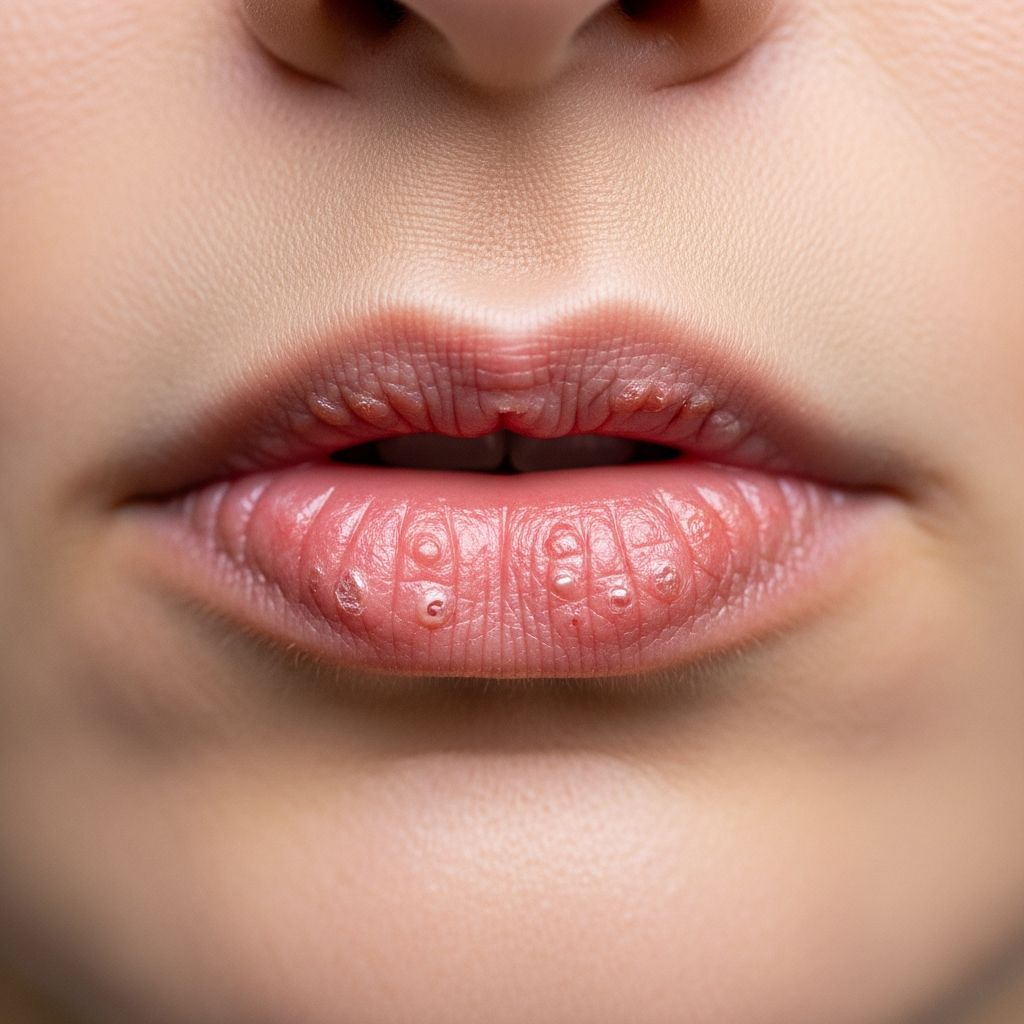
Lipsticks, lipliners, lip balms, glosses, plumpers, and sunscreens frequently cause contact reactions on the lips, known medically as cheilitis. These reactions range from allergic contact cheilitis due to immune responses to specific ingredients, to irritant contact cheilitis from non-immune irritants, and occasionally contact urticaria. Women are most commonly affected, as lip products are a leading cause of allergic cheilitis, particularly at the vermilion border where skin meets the red lip.
What are the concerns with lipstick and lip care products?
A basic lipstick formulation includes a wax or solid base (the stick), emollients for smoothness, solvents for dyes, preservatives and antioxidants, perfumes or flavourings, and pigments for colour. Additional agents provide gloss, water-resistance, texture, or plumping effects. These components pose risks: lipsticks rank as moderate-risk cosmetics for allergies, with toy make-up sometimes containing excessive fragrances and metals. Reactions often localize to the lips but can extend to perioral skin or angles of the mouth.
Types of contact reactions
Contact reactions to lip products manifest as acute or chronic forms, primarily allergic contact cheilitis, irritant contact cheilitis, or contact urticaria.
Allergic contact cheilitis
Allergic contact cheilitis arises from Type IV delayed hypersensitivity to allergens in lip cosmetics, affecting the vermilion margin most often. Acute presentations mimic urticaria with rapid swelling and blisters within minutes, potentially spreading to the face and neck. Chronic forms show persistent redness, scaling, dryness, and itch, starting hours after contact and lasting days to months if exposure continues. Pigmented variants cause discolouration. Lip products are the top cause in women.
- Common allergens: ricinoleic acid (from castor oil, most frequent in recent series), fragrances (e.g., balsam of Peru, cinnamal), flavourings (e.g., peppermint, menthol), dyes (e.g., Red 21, Blue 15), preservatives (e.g., propolis, MCI/MI), lanolin, coconut oil, vitamin E, and metal salts like gold or cobalt.
- Additional components: emulsifiers (e.g., triethanolamine), UV filters, shellac, colophony, azo dyes, sesame/ozonated olive oils.
Irritant contact cheilitis
Irritant contact cheilitis results from direct toxicity of ingredients like alcohol, menthol, or salicylic acid, causing dryness, peeling, fissuring, and swelling without allergy. It is a diagnosis of exclusion after negative patch tests, ruling out atopy or lip-licking (perlèche). Manufacturers minimize known irritants, but mild ones persist.
Contact urticaria
Contact urticaria, often from lip plumpers, presents with immediate hives, swelling, or blisters. Acute allergic cheilitis can resemble this.
Clinical features
Symptoms vary by type and severity. Acute allergic reactions include swelling, redness, itching, burning, blisters, or hives, appearing minutes to hours post-exposure. Chronic cases feature dry, scaly, cracked lips with persistent itch or mild swelling, lasting weeks. Irritant reactions emphasize dryness and peeling. Reactions typically affect lips but may involve perioral skin. Severe cases risk anaphylaxis, though rare.
| Type | Onset | Symptoms | Duration |
|---|---|---|---|
| Allergic (Acute) | Minutes to hours | Swelling, blisters, redness, itch | Days if unresolved |
| Allergic (Chronic) | Hours | Redness, scaling, dryness, itch | Weeks/months |
| Irritant | Immediate to days | Dryness, peeling, fissuring | Variable |
| Urticaria | Minutes | Hives, swelling | Hours |
Related Stories



Diagnosis
Diagnosis relies on history, examination, and patch testing for Type IV allergy. Test the baseline series, extended cosmetics/perfume series, and patients’ own products, as unique reactions occur. Positive tests show redness or vesicles at 48-96 hours. Exclude irritants, atopy, or habits like lip-licking.
Management
The cornerstone is allergen/ irritant avoidance. Discontinue suspects; rotate products singly to identify culprits. Use hypoallergenic, plain petroleum jelly temporarily. Topical corticosteroids (e.g., hydrocortisone 1% or stronger for severe cases) reduce inflammation; emollients hydrate. Oral antihistamines aid itch; severe cases may need short steroids. Patch testing guides long-term avoidance. Symptoms may persist 1-8 weeks post-cessation.
- Avoid known allergens: read labels for ricinoleic acid, fragrances, etc.
- Choose fragrance-free, dye-free products
- Moisturize with ceramide-based balms
Frequently Asked Questions (FAQs)
What causes allergic reactions to lipsticks?
Allergens like ricinoleic acid from castor oil, fragrances, dyes, and preservatives trigger Type IV hypersensitivity, leading to cheilitis.
How do I know if it’s allergy or irritation?
Allergic reactions are confirmed by patch testing; irritant is by exclusion, often with quicker onset from drying agents.
Can lip reactions spread beyond the lips?
Yes, acute reactions may involve perioral skin, face, or neck.
How long do symptoms last after stopping the product?
Up to 8 weeks; complete avoidance is key.
Is patch testing safe and necessary?
Yes, it’s the gold standard for identifying allergens in cosmetics.
References
- Contact reactions to lipsticks and other lipcare products — DermNet NZ. 2023. https://dermnetnz.org/topics/contact-reactions-to-lipsticks-and-other-lipcare-products
- Lipstick Allergy: Causes, Symptoms, and Effective Treatments — Wyndly. 2024. https://www.wyndly.com/blogs/learn/lipstick-allergy
- Allergic reaction on lips: Causes, symptoms, treatment, and more — Medical News Today. 2023-10-12. https://www.medicalnewstoday.com/articles/allergic-reaction-on-lips
- Lip Allergic Contact Dermatitis — Rajani Katta MD. 2023. https://www.doctorkatta.com/lip-allergic-contact-dermatitis
- Is Your Makeup Causing Allergic Contact Dermatitis? — Advanced Allergy Services. 2024. https://advancedallergyservices.com/is-your-makeup-causing-allergic-contact-dermatitis/
Similar Articles








Read full bio of Sneha Tete