Contact Reactions to Toothpaste and Oral Hygiene Products
Explore causes, symptoms, diagnosis, and management of allergic and irritant reactions to toothpaste and oral care items.
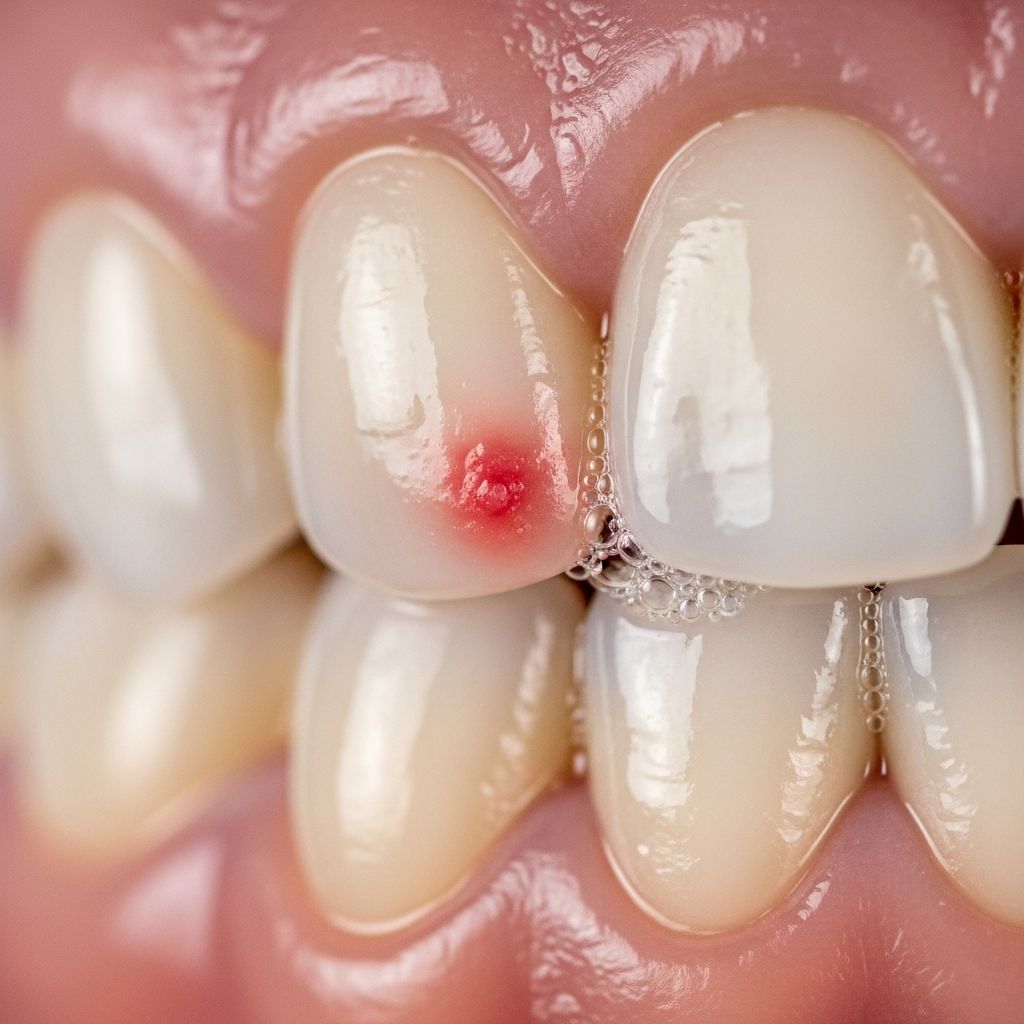
Contact reactions to toothpaste and other oral hygiene products are relatively uncommon but can cause significant discomfort. These reactions may be allergic contact dermatitis (true allergy mediated by the immune system) or irritant contact dermatitis (non-immune reaction due to direct tissue damage). Allergic reactions typically affect the lips (allergic contact cheilitis) more often than the oral mucosa, while irritant reactions are more likely inside the mouth. This article covers the allergens, clinical presentations, diagnosis, and management strategies based on established dermatological insights.
What are the most common allergens in oral hygiene products?
Oral hygiene products like toothpaste, mouthwashes, and tooth whiteners contain numerous ingredients that can trigger reactions. Toothpaste flavourings and preservatives are the leading culprits in allergic contact cheilitis.
Toothpaste allergens
- Flavouring agents: Most frequent allergens.
- Mint (peppermint, spearmint, menthol): Common in mint-flavoured toothpastes.
- Cinnamon (cinnamaldehyde): Found in some cinnamon toothpastes.
- Others: Anise, eucalyptus, clove.
- Preservatives:
- Parabens (methyl-, ethyl-, propylparaben).
- Triclosan (antibacterial agent).
- Cocamidopropyl betaine (CAPB): Foaming agent; a common cause of reactions due to impurities like aminoamide.
- Fluoride: Rare, but sodium monofluorophosphate implicated.
- Propylene glycol: Humectant; occasional allergen.
- Sodium lauryl sulphate (SLS): Irritant detergent, not a true allergen.
Mouthwash allergens
- Essential oils (peppermint, spearmint, menthol).
- Cetylpyridinium chloride, chlorhexidine (antiseptics).
- Benzoic acid, parabens (preservatives).
Tooth whitener allergens
- Hydrogen peroxide or carbamide peroxide (active agents; irritants).
- Pyrophosphates.
These ingredients vary by brand, so reactions depend on specific formulations. Sensitization often occurs after prolonged use, with flavourings accounting for up to 40% of cases in patch-tested patients.
Who is at risk of developing a contact reaction to toothpaste?
Anyone can develop these reactions, but certain groups are more susceptible:
- Individuals with atopic dermatitis or history of contact allergies.
- Frequent users of multiple oral products (e.g., whitening pastes, medicated mouthwashes).
- Those with dry, chapped lips (increased penetration of allergens).
- People switching to new flavours or ‘natural’ products containing essential oils.
Children and adults are affected, though adults predominate due to cumulative exposure. Occupational exposure in dental professionals is also noted.
What does a contact reaction to toothpaste look like?
Clinical features vary by reaction type and site. Allergic reactions predominantly involve the vermilion border of the lips, while irritants affect the mucosa more.
Allergic contact cheilitis (lips)
Persistent, itchy, eczematous changes:
- Redness, scaling, fissuring.
- Angioedema (swelling).
- Less commonly: vesicles, crusting.
Often spares the corners of the mouth and skin beyond the vermilion. May extend to perioral skin if severe.
Irritant contact stomatitis (inside mouth)
Due to detergents like SLS:
- Diffuse erythema of buccal mucosa, tongue, palate.
- Asymptomatic or mild soreness.
- Resolves quickly upon discontinuation.
Other presentations
- Lichenoid reactions: White plaques or erosions from flavourings, mercury (rare), or cinnamon.
- Perioral dermatitis: Papules/pustules around mouth from fluoridated pastes.
- Burning mouth syndrome mimic: Itching/burning from allergens.
Symptoms include itching, burning, dryness, swelling, sores, and metallic taste. Inflammation like cheilitis is most common externally, with intraoral symptoms rarer.
Related Stories



How is a contact reaction to toothpaste diagnosed?
Diagnosis combines history, exam, and patch testing. Key is temporal association with product use.
Clinical history
- Timing: Reaction starts/stabilizes with new product?
- Distribution: Lips > mucosa suggests allergy; mucosa > lips suggests irritant.
Patch testing
Gold standard for allergy confirmation:
| Step | Description |
|---|---|
| 1. Preparation | Select toothpaste series (flavours, preservatives, surfactants) + patient’s products. |
| 2. Application | Allergens on back/thigh; occlude 48 hours. |
| 3. Reading | Days 2, 4, 7: Score erythema, vesicles (?+ to +++). |
Positive to mint (30%), CAPB (20%), etc. Oral provocation rarely needed.
Differential diagnosis
- Lip licking, angular cheilitis, herpes, vitamin deficiency.
- Intraoral: Candidiasis, aphthous ulcers, erythema multiforme.
The ultimate test is ceasing the product and observing improvement over weeks.
Patch testing allergens for oral hygiene products
Standard trays include:
- BASAL series: Nickel, cobalt, fragrances.
- TOOTHPASTE series: Menthol, cinnamal, limonene, carvone, CAPB, triclosan, parabens, SLS, zinc chloride, stannous chloride, sodium fluoride.
- Patient’s products: As-is toothpaste/mouthwash (dilute if irritant).
European baseline + dental series recommended. Positive reactions guide avoidance.
How is a contact reaction to toothpaste treated?
Primary treatment: Avoidance. Reactions resolve within weeks of stopping the allergen.
Symptomatic relief
- Topical corticosteroids: Low-medium potency (hydrocortisone 1%, betamethasone) for cheilitis; brief courses.
- Intraoral: Steroid mouthwashes or gels if severe.
- Emollients: Fragrance-free for dry lips.
Systemic if needed
- Oral steroids for widespread reactions.
- Antihistamines for itch.
Switch to allergen-free toothpaste (e.g., flavourless, CAPB-free). Rinse after use; consider baking soda temporarily.
What is the prognosis for contact reactions to toothpaste?
Excellent with allergen avoidance. Reactions clear fully; recurrence prevented by label reading. Cross-reactions (e.g., mint in gum) possible, so check all products.
Prevention
- Read ingredients; choose hypoallergenic pastes.
- Avoid unnecessary flavours/whiteners.
- Patch test history of reactions.
Frequently Asked Questions
What are the symptoms of toothpaste allergy?
Common signs: Itchy/burning mouth or lips, redness/swelling (gums, tongue, cheeks), chapped/cracked lips, blisters, sores, metallic taste.
How do you diagnose toothpaste allergy?
Via patch testing: Allergens applied to skin for 48 hours, read at 48-96 hours. History and product cessation confirm.
How to treat toothpaste reaction?
Stop product, rinse mouth, apply cold compress/moisturizer, use topical steroids. Consult dermatologist/dentist.
Can you be allergic to fluoride?
Rare; more often flavours/preservatives. Fluoride-free options available.
Is SLS in toothpaste harmful?
Irritant, not allergen; causes mucosal soreness in sensitive users.
References
- Contact reactions to toothpaste and other oral hygiene products — DermNet NZ. 2023. https://dermnetnz.org/topics/contact-reactions-to-toothpaste-and-other-oral-hygiene-products
- Toothpaste Allergy Diagnosis and Management — PMC – NIH (Contact Dermatitis Journal). 2010-07-01. https://pmc.ncbi.nlm.nih.gov/articles/PMC2922711/
- Do You Have A Toothpaste Allergy? — St. Louis Allergy & Asthma. 2024. https://stlouisallergyasthma.com/toothpaste-allergy/
- Toothpaste Allergy: Causes & Symptoms — Enlighten Smiles Patient Resources. 2025. https://patient.enlightensmiles.com/blogs/oral-health/toothpaste-allergy-causes-treatment
- Toothpaste Allergy: Causes, Symptoms, and Treatment — Crest Oral-B. 2024. https://crest.com/en-us/oral-care-tips/toothpaste/toothpaste-allergy-causes-symptoms-treatment
Similar Articles








Read full bio of Sneha Tete