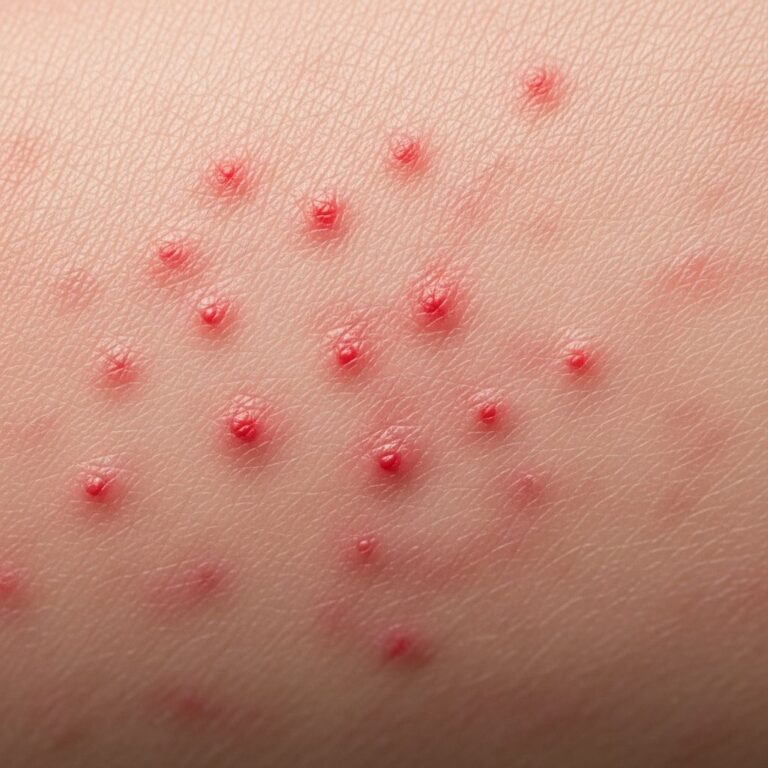
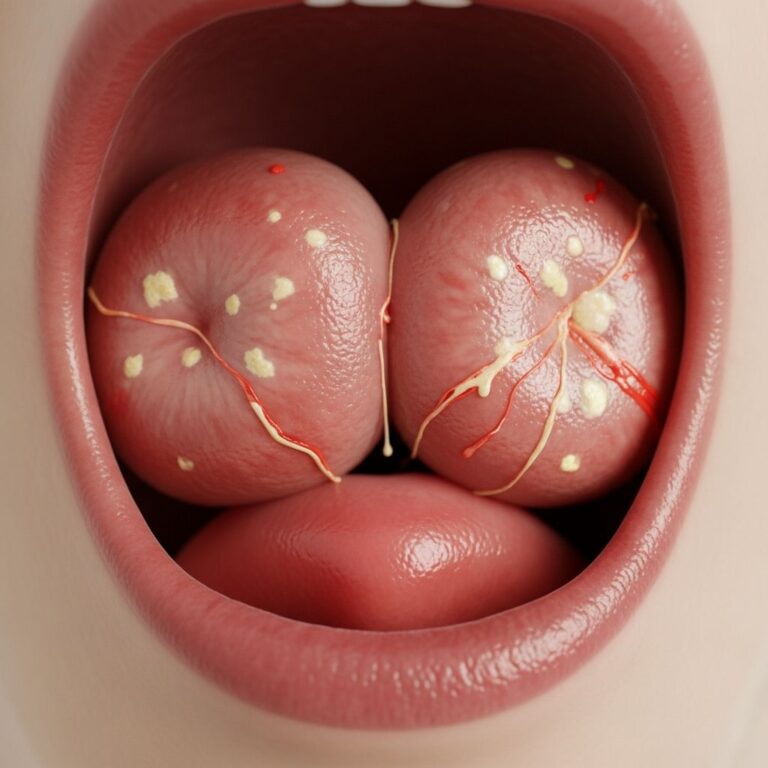
Contact Stomatitis: Essential Guide To Diagnosis & Treatment
Inflammatory reaction of oral mucosa due to irritants or allergens in dental products, foods, and materials.
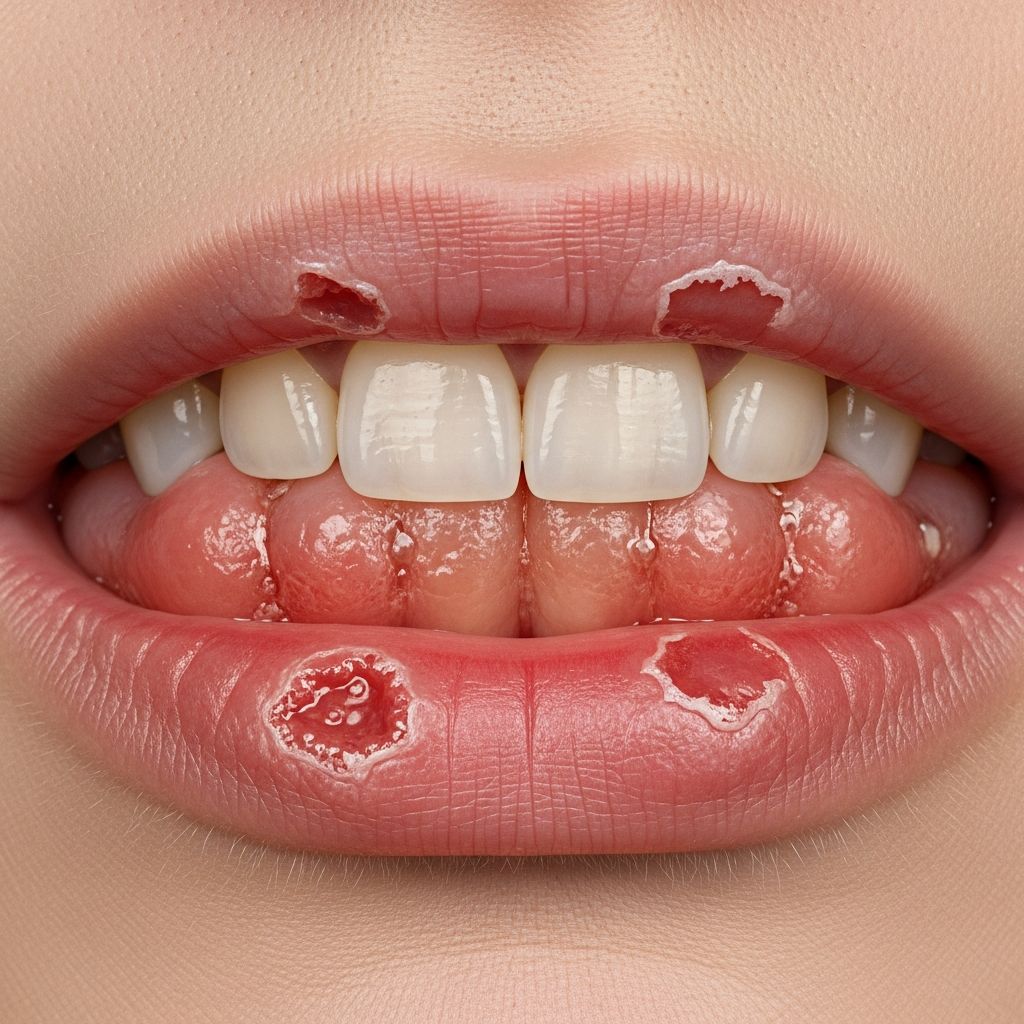
Contact stomatitis is an inflammatory reaction of the oral mucosa caused by direct contact with irritants or allergens, commonly from dental products, flavorings, and certain foods. It often presents with subjective symptoms like burning sensation outweighing visible signs, making diagnosis challenging.
What is contact stomatitis?
Contact stomatitis refers to inflammation of the oral mucous membranes due to exposure to chemical irritants or allergens. Unlike other forms of stomatitis such as aphthous ulcers or herpetic lesions, it specifically arises from topical contact rather than systemic or infectious causes. The condition is classified into irritant contact stomatitis (non-immune reaction) and allergic contact stomatitis (type IV hypersensitivity). It frequently mimics other oral pathologies, leading to underdiagnosis.
The oral mucosa’s resilience stems from high vascularization, which rapidly absorbs and dilutes allergens via saliva; low density of antigen-presenting Langerhans cells; and salivary buffering of irritants. Despite these protections, certain potent allergens penetrate, triggering inflammation.
Who gets contact stomatitis?
Contact stomatitis affects individuals using products containing common allergens, with no strong predisposition by age, sex, or geography. Exact incidence is unknown due to underreporting, but series document cases linked to dental hygiene products. Patients with atopic dermatitis or oral mucosal diseases show higher hypersensitivity to food additives like benzoic acid and flavorings such as cinnamaldehyde.
In the United States, well-documented patient series highlight its occurrence, though population-level data is lacking. It resolves without sequelae upon allergen removal, with low morbidity.
What causes contact stomatitis?
Common culprits include:
- Ingredients in dentifrices, mouthwashes, and dental cleaners (e.g., sodium lauryl sulfate, triclosan).
- Flavoring agents like cinnamon compounds (cinnamaldehyde), eugenol, menthol, and peppermint.
- Dental materials: metals (nickel, mercury), resins (acrylics, methacrylates), latex, and prosthetics.
- Foods: rare, but contact urticaria in atopic children from fruits (e.g., Rosaceae family in birch pollen allergy).
- Hygiene products and chewing gum flavorings.
Chronic exposure leads to sensitization, with perioral eczema or lip involvement aiding identification.
What are the clinical features of contact stomatitis?
History
Acute cases link directly to new products; chronic forms are insidious. Symptoms predominate over signs:
- Burning sensation (hallmark, often termed burning mouth syndrome).
- Pain, paresthesia, numbness.
- Bad taste (dysgeusia), excessive salivation, perioral itching.
Association with lip licking or perioral dermatitis suggests contact origin.
Clinical
Presentations vary:
- Erythematous patches or diffuse redness.
- Erosions, ulcerations, white plaques (leukoplakia-like).
- Lichenoid reactions with Wickham striae.
- Contact urticaria (angioedema, lip swelling).
- Orofacial granulomatosis (persistent swelling).
Lesions often correspond to allergen contact sites, e.g., palate from dentures, gingiva from toothpaste.
How is contact stomatitis diagnosed?
Diagnosis combines history, exam, and testing:
- Clinical correlation: Symptoms tied to product use; improvement on discontinuation.
- Patch testing: Gold standard for allergens. Standard series plus dental/oral trays (e.g., cinnamaldehyde, eugenol, metals). Oral exposure tests for foods (rarely needed).
- Histopathology: Spongiosis, perivascular lymphohistiocytic infiltrate, lichenoid interface changes with vacuolar degeneration.
- Differential: Rule out candidiasis, lichen planus, pemphigus, nutritional deficiencies.
Melzer’s triad (burning tongue, depapillation, fissured tongue) suggests nutritional causes over contact.
What is the treatment of contact stomatitis?
Management prioritizes avoidance:
- Allergen avoidance: Switch to hypoallergenic toothpaste (no flavors, SLS-free), remove offending dental materials.
- Symptomatic relief: Topical corticosteroids (e.g., triamcinolone gel, clobetasol ointment). For severe cases, systemic steroids or immunosuppressants.
- Supportive: Saline rinses, analgesics (ibuprofen), avoid irritants (spicy/hot foods).
Related Stories



Prostheses may require remaking with biocompatible materials. Most resolve in 1-2 weeks post-avoidance.
What is the outcome for contact stomatitis?
Prognosis is excellent with allergen identification and elimination. Symptoms abate rapidly; lesions heal without scarring. Recurrence is prevented by ongoing avoidance. Rare chronicity occurs in unrecognized sensitization.
Frequently Asked Questions
What does contact stomatitis look like?
It appears as red, eroded patches, white plaques, or swelling confined to contact areas, often subtle compared to burning pain.
Is contact stomatitis contagious?
No, it is not infectious; it results from hypersensitivity or irritation, not pathogens.
How long does contact stomatitis last?
1-2 weeks with avoidance; longer if allergen persists.
Can toothpaste cause stomatitis?
Yes, flavorings like cinnamaldehyde and foaming agents are common triggers.
Does contact stomatitis cause cancer?
No evidence links it to malignancy; persistent lesions warrant biopsy.
Table: Common Allergens in Contact Stomatitis
| Allergen Group | Examples | Common Sites |
|---|---|---|
| Dental Products | Cinnamaldehyde, Eugenol, SLS | Gingiva, Tongue |
| Metals/Resins | Nickel, Mercury, Methacrylates | Prosthesis areas, Palate |
| Flavorings | Menthol, Peppermint | Diffuse oral |
| Foods | Benzoic acid, Fruits (apples) | Lips, Buccal |
This table summarizes key triggers based on clinical series.
Expanding on pathophysiology, the oral mucosa’s parakeratinized epithelium and constant desquamation limit allergen persistence, yet haptenation occurs with lipophilic agents. Type IV delayed hypersensitivity involves CD4+ T-cells, contrasting irritant reactions’ direct cytotoxicity.
In denture wearers, acrylic monomers like methyl methacrylate sensitize via incomplete polymerization. Mercury from amalgams leaches, causing lichenoid reactions. Patch testing protocols recommend 48-96 hour readings, with oral challenges for equivocal cases.
Differential diagnosis includes angular cheilitis (candidal), plasma cell gingivitis (flavor-related), and systemic lupus (drug-induced). Biopsy distinguishes lichenoid contact from idiopathic lichen planus by milder basal vacuolosis.
Treatment tiers: First-line, topical steroids in orabase (protects from saliva). Medium-potency like betamethasone for widespread. Refractory cases use tacrolimus ointment (calcineurin inhibitor, steroid-sparing).
Prevention emphasizes reading labels: Opt for plain fluoride pastes, natural flavors. Dentists should use hypoallergenic composites. Patient education on symptom-product diaries aids self-management.
Recent insights note cross-reactivity: Balsam of Peru allergy links to cinnamon, fruits. Genetic factors like filaggrin mutations may heighten risk, akin to atopic dermatitis.
Pediatric cases often tie to atopic march, with profilin-rich fruits causing urticarial stomatitis. Geriatrics face higher risk from prolonged denture use.
Research gaps include standardized oral patch test series; current dental trays vary. Molecular diagnostics (e.g., allergen-specific T-cells) promise future precision.
References
- Contact Stomatitis — eMedicine Dermatology, University of Bologna Department of Dermatology. 2007-03-07. https://centrodontoiatriconocerino.it/wp/wp-content/uploads/2016/12/Contact-Stomatitis-eMedicine-Dermatology.pdf
- Stomatitis: Care Instructions — Alberta Health Services (Government of Alberta). Accessed 2026. https://myhealth.alberta.ca/Health/aftercareinformation/pages/conditions.aspx?hwid=zp4165
- Stomatitis (Oral Mucositis): Types, Symptoms & Treatment — Cleveland Clinic. Accessed 2026. https://my.clevelandclinic.org/health/diseases/stomatitis-oral-mucositis
Similar Articles








Read full bio of Sneha Tete