Contact Urticaria: Guide To Causes, Symptoms & Treatment
Understanding contact urticaria: causes, symptoms, diagnosis, and effective management strategies for this immediate skin reaction.
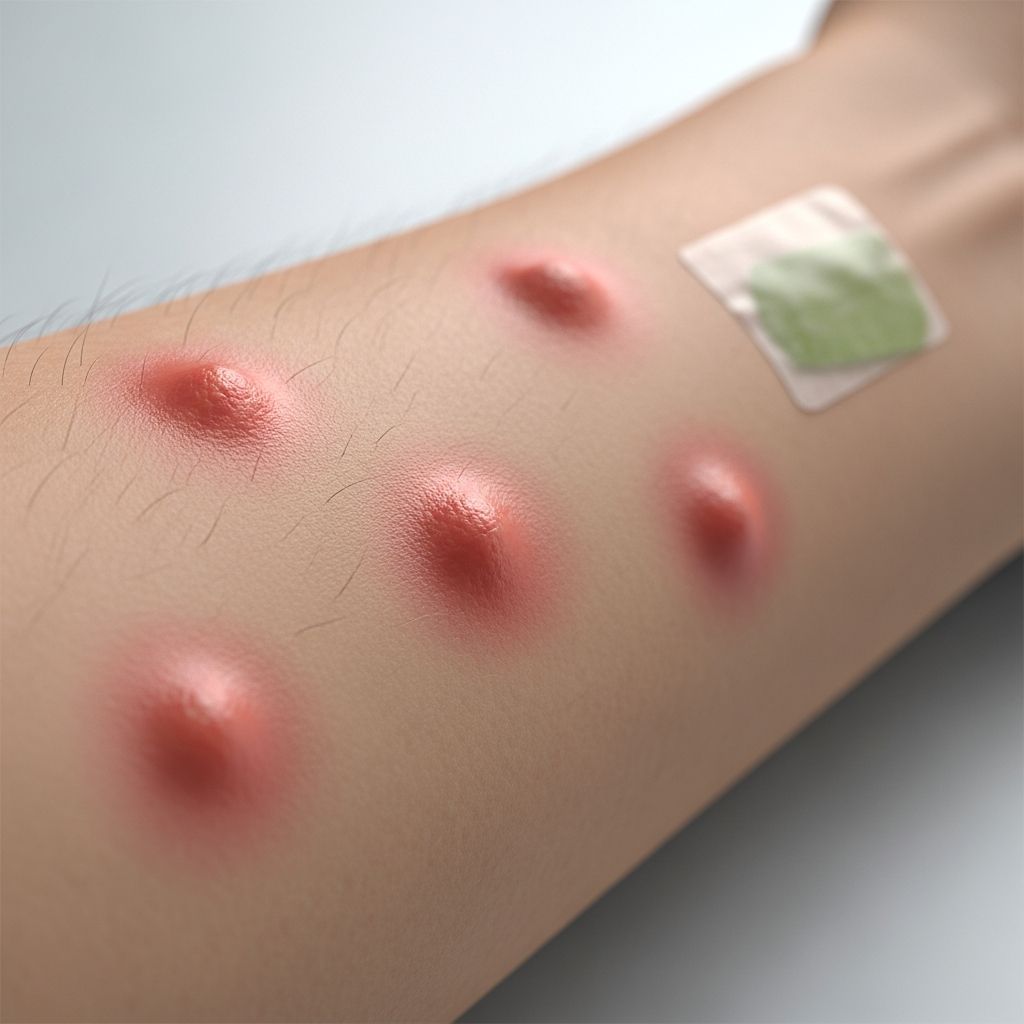
Contact urticaria is a type of inducible urticaria characterized by the rapid development of hives (wheals) and surrounding redness (flare) following direct skin contact with a triggering substance. It can be
immunological
(allergic, IgE-mediated) ornon-immunological
(direct mast cell degranulation), manifesting as acute or chronic reactions.What is Contact Urticaria?
Contact urticaria (CU) represents an immediate hypersensitivity reaction occurring within minutes to an hour after exposure to an offending agent on the skin. Unlike delayed contact dermatitis, CU produces transient wheals that resolve within hours. It affects individuals across all ages but is more prevalent in those with atopic backgrounds or occupational exposures.
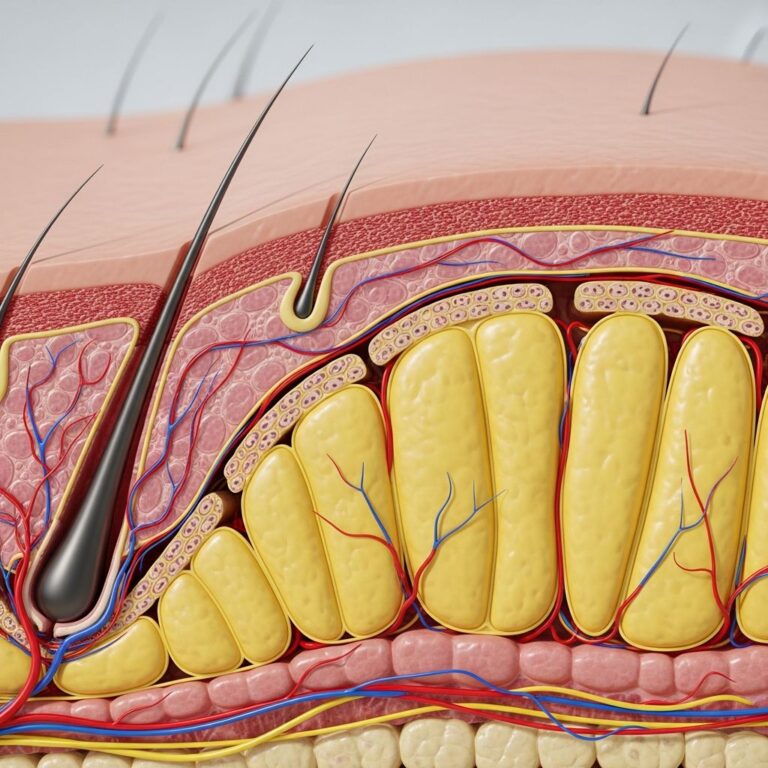
The condition arises when substances penetrate the skin barrier, triggering mast cell release of histamine and other mediators.
Non-immunological CU (NICU)
occurs without prior sensitization, whileimmunological CU (ICU)
requires previous exposure to develop IgE antibodies.Who is at Risk?
Anyone can develop contact urticaria, but certain groups face higher risk due to frequent exposure:
- Occupational groups: Healthcare workers (latex), food handlers (proteins), hairdressers (dyes, fragrances), cleaners (chemicals), cooks/caterers (foods), farmers (plants/animals), laboratory workers, cosmetics industry, chemical/metal production, construction, electronics, and machinery operators.
- At-risk individuals: Those with filaggrin gene mutations impairing skin barrier function, atopics, or infants/children with shorter but recurrent episodes.
Repeated exposures in high-risk jobs can lead to sensitization and increasingly severe ICU reactions.
Causes
Contact urticaria stems from diverse compounds categorized by mechanism:
Non-Immunological Causes (NICU)
- Animal products: Jellyfish venom, arthropod venoms.
- Plants: Mustard, nettles.
- Chemicals: Benzoyl peroxide, chloroform, alcohol.
- Miscellaneous: Water (aquagenic urticaria).
Immunological Causes (ICU)
- Foods: Eggs, milk, fish, shellfish, fruits (e.g., kiwi), wheat, venison.
- Preservatives/Additives: Spices, formaldehyde.
- Fragrances/ Cosmetics: Balsam of Peru, essential oils.
- Animal/Plant: Saliva, urine, latex (natural rubber), seminal fluid.
- Metals: Nickel, cobalt.
- Others: Medications, disinfectants.
Common occupational triggers include latex in healthcare and food proteins in catering.
Signs and Symptoms
Symptoms emerge 10-60 minutes post-exposure and resolve within hours:
- Local skin reactions: Wheals (raised, itchy/red), erythema, burning/stinging, rarely vesicles.
- Extracutaneous (more in ICU): Ocular (conjunctivitis), respiratory (rhinitis, asthma), gastrointestinal (nausea, diarrhea), cardiovascular (hypotension), anaphylaxis.
Symptoms worsen with skin barrier disruption or cofactors like heat/exercise.
Diagnosis
Diagnosis combines history, examination, and provocation tests:
- Clinical history: Timeline (minutes-hour onset/resolution), exposures (occupational/home/cosmetics/food), aggravating factors (pressure, temperature).
- Physical exam: Transient wheals at contact sites.
- Testing:
- Open test: Apply substance, observe 20-30 min.
- Prick test/Scratch test: For proteins/latex.
- Use test: Gloves/clothes for 30-60 min.
- Chamber/Transfer test if needed. RAST/ImmunoCAP for specific IgE.
Differential includes physical urticarias (cholinergic, aquagenic).
Treatment
Primary strategy is avoidance; symptomatic relief follows:
- Avoidance: Identify/eliminate triggers, use alternatives, protective gloves (non-latex if allergic), cotton liners, barrier creams.
- Medications:
- First-line: Second-generation H1-antihistamines (loratadine, cetirizine, fexofenadine).
- Severe/ICU: H2-blockers, montelukast, corticosteroids, epinephrine for anaphylaxis.
- Refractory: Omalizumab, cyclosporine, BTK inhibitors (remibrutinib).
- Other: Phototherapy (UVA/UVB) inhibits NICU up to 2 weeks; subcutaneous immunotherapy for proteins/latex shows promise (e.g., wheat allergy in bakers).
Related Stories



| Treatment Type | Examples | Indications |
|---|---|---|
| Avoidance | Trigger elimination, gloves | All cases |
| Antihistamines | Loratadine, diphenhydramine | Mild-moderate |
| Epinephrine | IM injection | Anaphylaxis |
| Phototherapy | UVA/UVB | Refractory NICU |
Complications
- Severe: Anaphylaxis (ICU).
- Secondary: Bacterial infections from excoriations.
- Chronicity: Prolonged in adults with atopy/comorbid allergies.
Prevention
- Skin protection: Gloves, emollients for barrier maintenance.
- Occupational: Material substitution, education.
- Monitor for sensitization in high-risk jobs.
Frequently Asked Questions (FAQs)
Q: How quickly does contact urticaria appear?
A: Symptoms develop within 10-60 minutes of contact and resolve in hours.
Q: Is contact urticaria contagious?
A: No, it is an individual hypersensitivity reaction, not infectious.
Q: Can contact urticaria lead to anaphylaxis?
A: Yes, especially immunological type; carry epinephrine if history of severe reactions.
Q: What gloves are safe for latex-allergic individuals?
A: Nitrile or vinyl; avoid rubber/latex.
Q: Does phototherapy work for all types?
A: Primarily beneficial for non-immunological CU; effects last up to 2 weeks.
Outlook
Most cases improve with avoidance and antihistamines. Children often outgrow it faster; occupational cases resolve with exposure cessation. Persistent cases may require specialist input.
References
- Contact Urticaria — DermNet NZ. 2023. https://dermnetnz.org/topics/contact-urticaria
- Contact Urticaria — MD Searchlight. 2024. https://mdsearchlight.com/allergy/contact-urticaria/
- Chronic Urticaria: Causes, Symptoms, Diagnosis, & Treatment — Allergy Asthma Network. 2025. https://allergyasthmanetwork.org/chronic-urticaria/cu-causes-symptoms-diagnosis-treatment/
- Hives (Urticaria) — ACAAI. 2024. https://acaai.org/allergies/allergic-conditions/skin-allergy/hives/
- Contact Urticaria — StatPearls, NCBI Bookshelf. 2023-10-01. https://www.ncbi.nlm.nih.gov/books/NBK549890/
- Hives (Urticaria) & Angioedema — AAAAI. 2024. https://www.aaaai.org/tools-for-the-public/conditions-library/allergies/hives-(urticaria)-and-angioedema-overview
Similar Articles








Read full bio of medha deb