Continuous Glucose Monitoring in Type 1 Diabetes
Real-time glucose tracking technology transforming type 1 diabetes management and improving patient outcomes.
Understanding Continuous Glucose Monitoring in Type 1 Diabetes
Type 1 diabetes management has undergone a significant transformation with the advent of continuous glucose monitoring (CGM) technology. This innovative approach to blood sugar management represents a paradigm shift from traditional fingerstick testing, offering real-time insights into glucose fluctuations and trends that enable better treatment decisions and improved health outcomes. For the approximately 1.7 million adults and 304,000 children and adolescents with type 1 diabetes, CGM systems provide essential tools for achieving optimal glycemic control while reducing the burden of frequent manual blood glucose checks.
What is Continuous Glucose Monitoring?
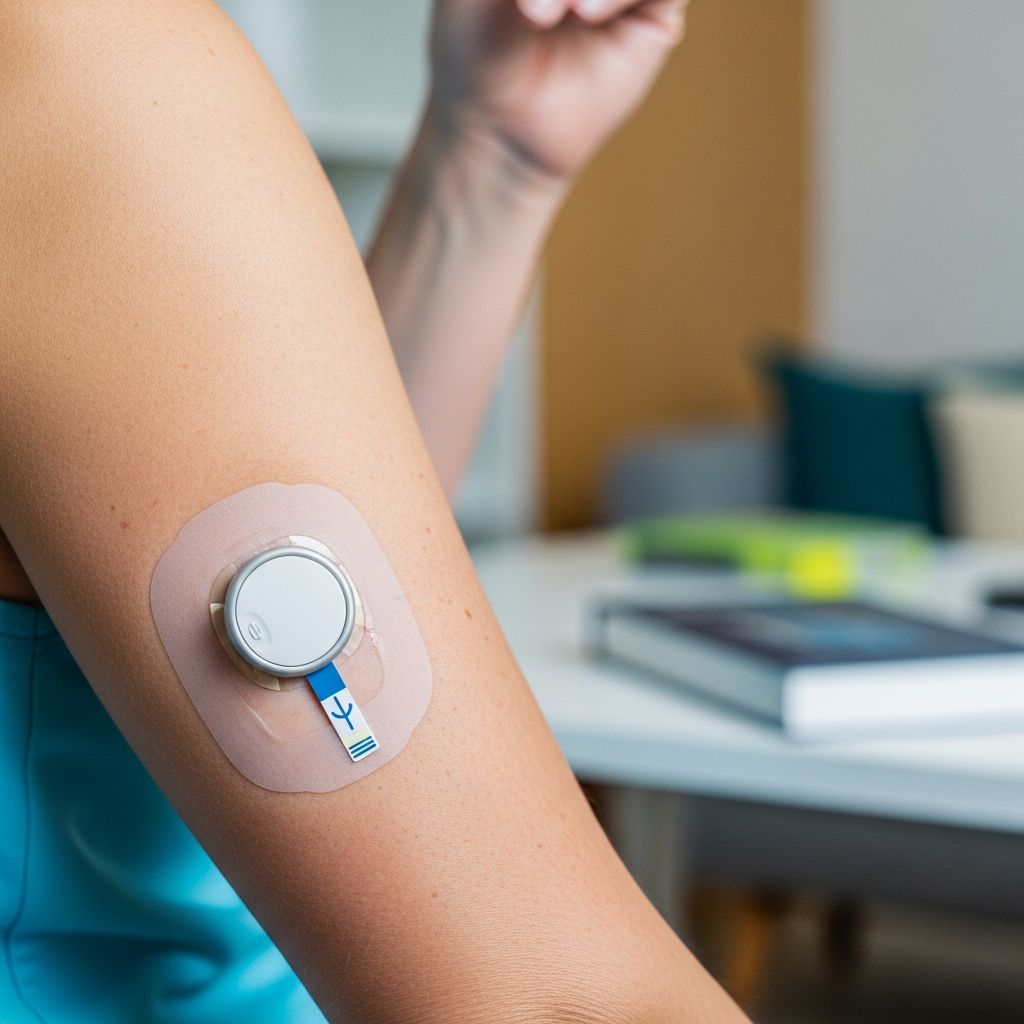
Continuous glucose monitoring is a technology that automatically tracks blood glucose levels throughout the day and night without requiring frequent fingerstick tests. The system consists of a small sensor worn on the skin, typically on the abdomen or arm, which measures glucose levels in interstitial fluid every few minutes. This continuous data stream provides users with immediate feedback about their current glucose levels, the direction glucose is heading, and the rate of change in their blood sugar.
CGM technology has revolutionized the ability to track dynamic glycemic fluctuations and trends over time, allowing for optimization of medical therapy and prevention of dangerous hypoglycemic events. The real-time nature of these readings enables users to understand how lifestyle behaviors, medications, food intake, exercise, and stress affect their glucose patterns in ways that traditional monitoring cannot accomplish.
How CGM Systems Work
Modern CGM devices operate through a small subcutaneous sensor that measures glucose levels in the tissue fluid beneath the skin. The sensor sends data wirelessly to a receiver or smartphone application, displaying glucose readings every five to fifteen minutes depending on the device type. Some systems provide real-time continuous data, while others use intermittently-scanned technology that requires the user to scan the sensor to obtain readings.
The devices include alarming features that alert users when glucose levels fall too low (hypoglycemia) or rise too high (hyperglycemia), allowing for timely intervention and prevention of dangerous glucose level fluctuations. This added layer of safety provides reassurance that supports mental well-being and is especially helpful for parents of children with diabetes, caregivers, or people living alone.
Key Benefits of Continuous Glucose Monitoring
Research demonstrates that CGM use in type 1 diabetes patients provides multiple clinical and quality-of-life benefits:
- Improved Glycemic Control: Studies show that people with type 1 diabetes using CGM achieve significant reductions in hemoglobin A1C levels, with some populations demonstrating sustained improvements up to seven years after CGM implementation.
- Reduced Hypoglycemia: CGM significantly decreases both the duration and frequency of low blood glucose episodes. One study found median hypoglycemia duration was reduced from 80 minutes per day in the standard care group to 43 minutes per day in the CGM group, with time spent in hypoglycemia reduced from 11.4% to 6.8%.
- Lower Hyperglycemia Time: Time spent in high blood glucose ranges is also reduced, improving overall glucose stability and reducing long-term complication risks.
- Enhanced Quality of Life: Users experience less diabetes distress, improved hypoglycemia confidence, and greater satisfaction with their diabetes management. The elimination of frequent fingerstick checks makes glucose monitoring more seamless and hassle-free.
- Reduced Healthcare Utilization: Large-scale studies demonstrate that CGM initiation is associated with significant decreases in diabetes-related hospitalizations (67% reduction) and emergency department visits (40% reduction), representing substantial improvements in healthcare resource utilization.
- Pattern Recognition: CGM allows patients and healthcare providers to assess glycemic patterns and variability, enabling visualization of glucose data for better patient education and understanding of hypoglycemia triggers.
CGM Benefits Across Different Insulin Regimens
While CGM was traditionally restricted to patients using intensive insulin therapy with pumps or multiple daily injections, emerging evidence supports benefits across various treatment approaches. Studies show that CGM is becoming the accepted standard for type 1 diabetes management regardless of insulin delivery method.
The technology proves particularly valuable for:
- Patients on multiple daily insulin injections (MDI) therapy
- Individuals using insulin pumps with automated dose adjustments
- People requiring basal-bolus insulin regimens
- Children and adolescents newly diagnosed with type 1 diabetes, with early CGM initiation associated with lower hemoglobin A1C levels.
Real-Time Data and Informed Decision-Making
One of the most significant advantages of CGM technology is the real-time feedback it provides. Users can see immediate glucose readings every few minutes, enabling them to make more informed treatment decisions that may help reduce their A1C levels. This continuous data allows for fast, proactive responses to emerging glucose trends before dangerous highs or lows develop.
Related Stories



The visual representation of glucose data helps users understand cause-and-effect relationships between their actions and glucose responses. By observing how their glucose responds to different foods, exercise intensity, stress levels, sleep patterns, and medication timing, individuals gain insights that would be impossible to obtain through traditional daily or weekly fingerstick monitoring.
Challenges and Considerations
Despite the documented benefits of CGM technology, several challenges remain in its widespread implementation:
- Sensor Accuracy: While accurate, CGM sensors measure glucose in interstitial fluid rather than blood, creating a slight time lag between blood glucose and displayed readings.
- Sensor Adhesion: Some users experience issues with sensor adhesion, particularly during sweating or water activities.
- Cost and Insurance Coverage: While improving, insurance coverage for CGM remains variable, with some plans still restricting access to specific patient populations.
- Learning Curve: New users require training to interpret CGM data effectively and adjust their insulin doses appropriately.
- Ongoing Supplies: CGM requires regular sensor replacement, calibration supplies for some systems, and transmitter batteries.
Types of Available CGM Devices
Currently available CGM systems include both real-time continuous monitoring devices and intermittently-scanned devices. Real-time systems continuously transmit glucose readings to receivers or smartphone apps, providing constant awareness of glucose levels. Intermittently-scanned systems require the user to actively scan the sensor to obtain readings, though many now include optional real-time glucose alarms.
Modern CGM systems offer features such as:
- Glucose readings every five to fifteen minutes
- Wireless data transmission to compatible smart devices
- Customizable high and low glucose alerts
- Trend arrows indicating glucose direction and rate of change
- Data sharing capabilities with healthcare providers and family members
- Integration with insulin pump systems for automated insulin dosing recommendations
Clinical Evidence Supporting CGM Use
Extensive clinical research demonstrates the effectiveness of CGM in type 1 diabetes management. Studies consistently show that CGM users achieve:
- Reductions in hemoglobin A1C levels, indicating improved long-term glucose control
- Fewer episodes of severe hypoglycemia requiring assistance from another person
- Decreased time spent in both hypoglycemic and hyperglycemic ranges
- Improved quality of life metrics including reduced diabetes distress
- Sustained benefits over extended follow-up periods, including up to seven years after implementation
- Decreased healthcare costs through reduced hospitalizations and emergency department visits
Early initiation of CGM after type 1 diabetes diagnosis has been associated with particularly positive long-term outcomes, suggesting that beginning CGM use soon after diagnosis may establish better glycemic management patterns.
Integration with Insulin Delivery Systems
Modern CGM technology increasingly integrates with insulin pump systems and automated insulin delivery platforms. These integrated systems can use CGM glucose readings to automatically adjust basal insulin rates, reducing hypoglycemia risk and improving glucose control with minimal user intervention. This hybrid closed-loop approach represents the future of type 1 diabetes management, combining continuous glucose monitoring with intelligent insulin dosing algorithms.
Patient Education and Self-Management
Successful CGM use requires proper patient education and training. Healthcare providers work with patients to understand:
- How to interpret trend arrows and glucose trends
- Appropriate insulin dose adjustments based on CGM readings
- Recognition of patterns that indicate needed therapy changes
- Sensor application, removal, and troubleshooting procedures
- Data interpretation for identifying hypoglycemia triggers and prevention strategies
Visualization of glucose data enables providers to educate individuals about understanding and avoiding hypoglycemia, supporting better self-management skills and treatment adherence.
Mental Health and Psychosocial Benefits
Beyond glycemic improvements, CGM use provides significant psychosocial benefits. The continuous monitoring reduces anxiety about undetected hypoglycemia, particularly during sleep or exercise when glucose fluctuations are less predictable. Parents of children with type 1 diabetes report reduced worry and improved peace of mind knowing they will receive alerts if their child’s glucose drops dangerously low. Users consistently report improved confidence in managing their diabetes and reduced diabetes-related distress.
Long-Term Health Outcomes
By improving glycemic control and reducing time spent in hyperglycemic ranges, CGM use may help prevent or delay long-term complications of type 1 diabetes, including diabetic retinopathy, nephropathy, and neuropathy. The reduction in severe hypoglycemic events is particularly important, as these episodes carry acute risks including seizures, loss of consciousness, and cardiovascular complications.
Frequently Asked Questions
Q: How often do CGM sensors need to be replaced?
A: Most CGM sensors must be replaced every 7-14 days depending on the device type. Users receive information about replacement schedules and supply ordering from their healthcare provider or insurance plan.
Q: Can CGM completely replace fingerstick blood glucose testing?
A: While most CGM readings are accurate, occasional fingerstick tests may still be recommended by healthcare providers when symptoms or expectations do not match CGM readings, particularly during calibration periods for certain systems.
Q: Is CGM covered by insurance for type 1 diabetes?
A: Many insurance plans cover CGM for type 1 diabetes patients, though coverage varies. Check with your specific insurance plan regarding coverage criteria and requirements. Patient assistance programs are often available from device manufacturers.
Q: Can children with type 1 diabetes use CGM?
A: Yes, CGM is increasingly used in children with type 1 diabetes and has been associated with improved outcomes when initiated early after diagnosis. Devices are available for pediatric patients with appropriate sized sensors and age-appropriate features.
Q: What happens if the CGM sensor falls off?
A: Most CGM systems alert users if the sensor becomes dislodged. Sensors should be replaced with a new one following the manufacturer’s instructions. Waterproof adhesive patches can help prevent accidental sensor detachment during activities.
Q: Does CGM work during sleep?
A: Yes, CGM provides continuous glucose readings throughout the night and can alert users to dangerously low glucose levels during sleep, preventing nocturnal hypoglycemia and its complications.
References
- Initiating continuous glucose monitoring is associated with clinically meaningful improvements in A1c and reduced health care resource utilization — Journal of Managed Care & Specialty Pharmacy. 2024. https://www.jmcp.org/doi/10.18553/jmcp.2024.24255
- Use of Continuous Glucose Monitors to Manage Type 1 Diabetes — PubMed Central/NIH. 2023. https://pmc.ncbi.nlm.nih.gov/articles/PMC10072139/
- Continuous Glucose Monitoring (CGM) — International Diabetes Federation. 2024. https://idf.org/about-diabetes/continuous-glucose-monitoring/
- What are the benefits of continuous glucose monitoring (CGM)? — Dexcom Inc. 2024. https://www.dexcom.com/en-us/faqs/what-are-the-benefits-of-continuous-glucose-monitoring
- CGM Pros and Cons of Continuous Glucose Monitors — American Diabetes Association and Certified Diabetes Education Specialists. 2024. https://www.adces.org/education/danatech/glucose-monitoring/continuous-glucose-monitors-(cgm)/cgm-101/pros-cons-of-cgm
- Early Continuous Glucose Monitor Use in Children and Adolescents With Type 1 Diabetes — Diabetes Care Journal. 2024. https://diabetesjournals.org/care/article/48/5/768/157935/Early-Continuous-Glucose-Monitor-Use-in-Children
- Continuous Glucose Monitoring (CGM): What It Is — Cleveland Clinic. 2024. https://my.clevelandclinic.org/health/articles/continuous-glucose-monitoring-cgm
Similar Articles








Read full bio of Sneha Tete