Contraception Guide: Methods, Effectiveness, And Risks
Explore effective contraception options to prevent pregnancy and make informed reproductive health choices.
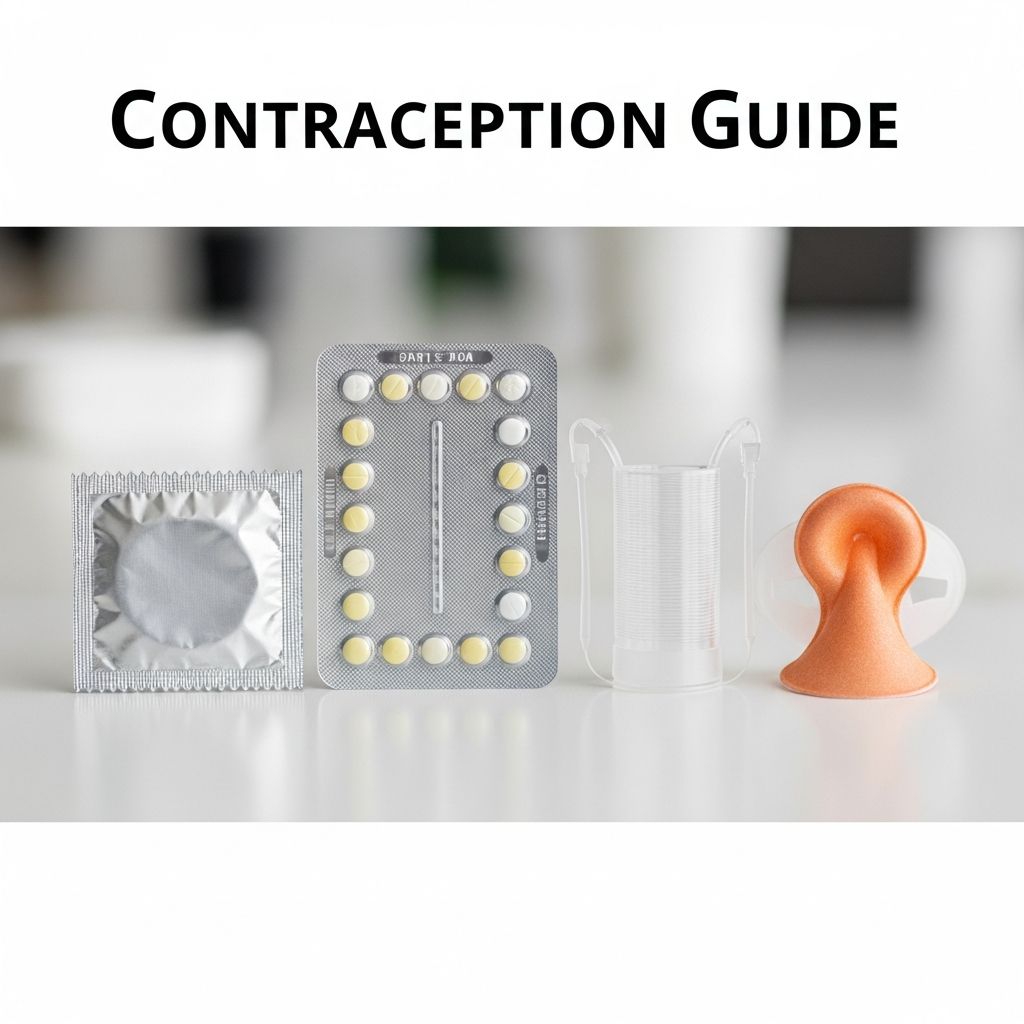
Contraception plays a vital role in reproductive health by helping individuals prevent unintended pregnancies. With numerous options available, selecting the right method depends on factors like effectiveness, ease of use, health considerations, and protection against sexually transmitted infections (STIs).
Understanding Contraception Basics
Birth control methods work by preventing sperm from reaching an egg, stopping ovulation, or altering the uterine lining to prevent implantation. No single method is perfect for everyone, but most offer high effectiveness when used correctly. Long-acting reversible contraceptives (LARCs) like IUDs and implants are over 99% effective, while shorter-term methods like pills require consistent use.
Key considerations include:
- Effectiveness: Measured by perfect use (as instructed) vs. typical use (real-world errors).
- STI Protection: Only barrier methods like condoms provide this.
- Reversibility: Most methods are reversible, except sterilization.
- Accessibility: Some require prescriptions or procedures.
Long-Acting Reversible Methods
LARCs provide years of protection with minimal maintenance, making them ideal for those seeking hassle-free options. They outperform shorter-acting methods in typical use effectiveness.
Intrauterine Devices (IUDs)
IUDs are small, T-shaped devices inserted into the uterus by a healthcare provider. They last 3-10 years depending on the type.
- Copper IUD: Hormone-free, releases copper to immobilize sperm. Effective for up to 10 years and can serve as emergency contraception if inserted within 5 days of unprotected sex (over 99% effective).
- Hormonal IUD: Releases progestin (levonorgestrel) to thicken cervical mucus and thin the uterine lining. Lasts 3-8 years.
Both types have typical use failure rates under 1%. Common side effects include cramping during insertion and irregular bleeding initially.
Implants
A matchstick-sized rod inserted under the skin of the upper arm releases progestin steadily. It prevents ovulation and thickens mucus, lasting up to 3 years with a 0.1% typical failure rate.
Benefits include forgettable use and quick reversibility upon removal. Possible side effects: irregular periods, headaches.
Hormonal Contraceptives
These methods deliver synthetic hormones (estrogen and/or progestin) to suppress ovulation, thicken cervical mucus, and alter the endometrium. They require regular adherence.
| Method | Hormones | Duration | Typical Failure Rate |
|---|---|---|---|
| Pills (Combined) | Estrogen + Progestin | Daily | 7% |
| Progestin-Only Pill | Progestin | Daily | 7% |
| Injection (Depo-Provera) | Progestin | Every 3 months | 4% |
| Patch | Estrogen + Progestin | Weekly | 7% |
| Vaginal Ring | Estrogen + Progestin | 3 weeks in, 1 week out | 7% |
Combined methods suit those without contraindications like smoking over 35 or blood clot history. Progestin-only options are safer for breastfeeding or estrogen-sensitive individuals.
Barrier Methods
These physically block sperm without hormones, offering STI protection when used correctly. They must be applied each time.
- External Condoms: Worn on the penis; 98% effective with perfect use, 82% typical. Protects against STIs.
- Internal Condoms: Inserted into the vagina; similar effectiveness.
- Diaphragm/Cervical Cap: Dome-shaped devices covering the cervix, used with spermicide. Require fitting by a provider; 88-94% typical effectiveness.
- Sponge/Spermicide: Kills or blocks sperm; less reliable alone (76-88%).
Advantages: No prescription needed for most, immediate use. Drawbacks: User-dependent, potential allergies to latex/spermicide.
Related Stories



Permanent Contraception Options
For those certain they do not want future pregnancies, sterilization provides near-100% effectiveness.
- Female Tubal Ligation: Fallopian tubes are clipped, tied, or removed via laparoscopy. Does not affect hormones or periods.
- Male Vasectomy: Vas deferens tubes are cut, preventing sperm release. Outpatient procedure, highly effective post-confirmation test.
These are irreversible or difficult to reverse, so counseling is essential.
Natural and Fertility Awareness Methods
These hormone-free approaches track fertility signs to avoid intercourse or use barriers during fertile windows. Effectiveness varies (76-88% typical) due to cycle variability.
- Monitor basal body temperature, cervical mucus, cycle length via apps.
- Requires diligence; not ideal for irregular cycles.
Emergency Contraception
Used after unprotected sex, options include:
- Morning-After Pill: Levonorgestrel (within 3 days) or ulipristal (5 days); 75-89% effective.
- Copper IUD: Up to 5 days post-sex; over 99% effective.
Not for routine use; seek prompt medical advice.
Choosing Your Method
Consult a healthcare provider to match methods to your health, lifestyle, and goals. Factors include age, medical history, frequency of sex, and STI risk.
- Teens/Young Adults: Often prefer LARCs or condoms.
- Postpartum/Breastfeeding: Progestin-only or IUDs.
- Perimenopause: LARCs or sterilization.
In the US, common methods include female sterilization (28%), pills (21%), condoms/IUDs (13% each).
Potential Side Effects and Risks
Most methods are safe, but monitor for:
- Hormonal: Weight gain, mood changes, spotting.
- IUDs: Expulsion (rare), perforation.
- Barriers: Allergic reactions.
Rare serious risks like blood clots (combined hormonal) or ectopic pregnancy (IUD failure).
Effectiveness Comparison
| Method Category | Perfect Use Failure Rate | Typical Use Failure Rate |
|---|---|---|
| LARCs (IUD/Implant) | <1% | <1% |
| Sterilization | 0.5% | 0.5% |
| Injection | 0.2% | 4% |
| Pills/Patch/Ring | 0.3% | 7% |
| Condoms | 2% | 13-18% |
| Fertility Awareness | 0.4-5% | 2-23% |
Frequently Asked Questions (FAQs)
Which contraception is best?
The best depends on your needs; LARCs are most effective for set-it-and-forget-it.
Do condoms protect against STIs?
Yes, external and internal condoms reduce STI transmission significantly.
Can I switch methods easily?
Most are reversible quickly; discuss with a provider.
Is contraception free?
In many places, yes via public health services.
What if I miss a pill?
Use backup like condoms and check package instructions.
Accessing Contraception
Available at clinics, pharmacies, or online with prescriptions. Free or low-cost options exist through programs like Title X in the US.
References
- Choose the Right Birth Control — MyHealthfinder (ODPHP). 2023. https://odphp.health.gov/myhealthfinder/healthy-living/sexual-health/choose-right-birth-control
- Contraception – choices — Better Health Channel. 2023. https://www.betterhealth.vic.gov.au/health/healthyliving/contraception-choices
- Methods of Contraception — The Women’s Center. 2023. https://twc-ms.com/services/gynecology/methods-of-contraception/
- Methods of contraception — NHS. 2023. https://www.nhs.uk/contraception/methods-of-contraception/
- What are the different types of contraception? — NICHD. 2023. https://www.nichd.nih.gov/health/topics/contraception/conditioninfo/types
- Contraception and Birth Control Methods — CDC. 2023. https://www.cdc.gov/contraception/about/index.html
Similar Articles








Read full bio of medha deb