Contrave For Weight Management: Essential Guide 2025
Explore how Contrave supports weight loss through appetite control and its role in comprehensive obesity treatment programs.
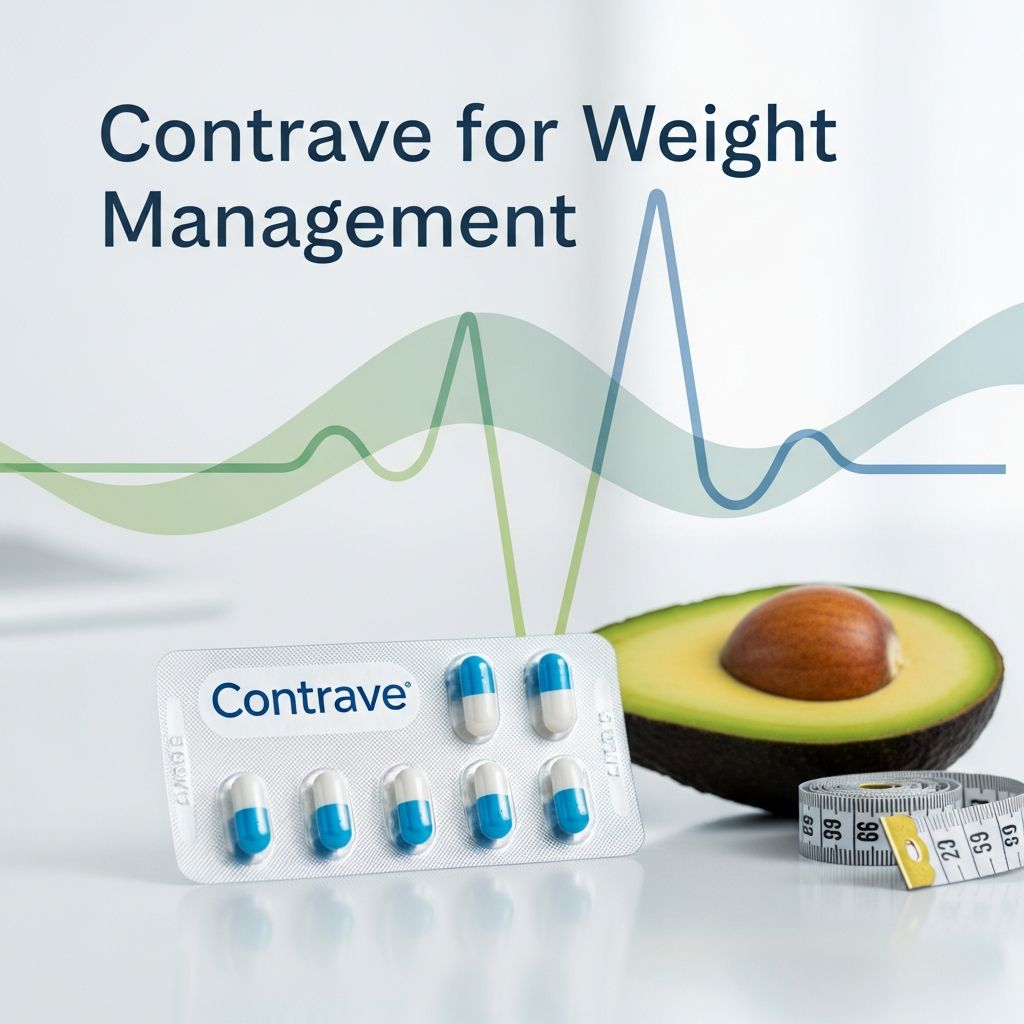
Contrave represents a targeted pharmacological approach to chronic weight management, specifically designed for adults grappling with obesity or excess weight accompanied by related health issues. This extended-release formulation pairs two established compounds—naltrexone and bupropion—to influence brain pathways that regulate hunger and reward responses, fostering reduced calorie intake when integrated with lifestyle modifications.
Understanding the Science Behind Contrave
The mechanism of Contrave centers on modulating key neurotransmitters in the central nervous system. Bupropion, an antidepressant, elevates levels of dopamine and norepinephrine, which can enhance satiety signals and boost energy expenditure. Naltrexone, traditionally used in addiction treatment, acts as an opioid antagonist, blocking pleasure pathways linked to overeating. Together, they target the hypothalamus—the body’s appetite control hub—and the dopamine reward system, helping users feel fuller on fewer calories and curb non-hunger-driven cravings.
Unlike single-agent therapies, this dual-action profile addresses multiple facets of obesity, from physiological hunger cues to behavioral eating patterns. Clinical investigations indicate that these neurochemical shifts contribute to measurable fat reduction without solely relying on metabolic acceleration.
Who Qualifies for Contrave Therapy?
Regulatory bodies like the FDA approve Contrave strictly as an adjunct to reduced-calorie diets and heightened physical activity for specific populations. Eligible adults must have:
- A body mass index (BMI) of 30 kg/m² or higher, classifying as obese, regardless of comorbidities.
- A BMI of 27 kg/m² or higher, deemed overweight, paired with at least one weight-related condition such as hypertension, type 2 diabetes, or dyslipidemia.
BMI serves as a foundational metric, calculated as weight in kilograms divided by height in meters squared. Providers assess candidacy holistically, excluding those with uncontrolled hypertension, seizure disorders, or certain psychiatric conditions due to contraindications.
Clinical Evidence Supporting Effectiveness
Rigorous phase 3 trials underpin Contrave’s approval, involving thousands of participants across multicenter, randomized, double-blind, placebo-controlled studies. In these, patients followed calorie-restricted diets and exercise regimens, with one cohort receiving Contrave.
Key outcomes at 56 weeks included:
| Metric | Contrave Group | Placebo Group |
|---|---|---|
| Average Weight Loss (%) | 3.7%–8.1% | 1.3%–4.9% |
| ≥5% Weight Loss Achievers | 36%–57% | 17%–43% |
One intensive trial incorporating behavioral modification counseling amplified results, with Contrave users averaging greater losses than in standard protocols. Maintenance of reductions persisted through the study duration, highlighting long-term viability when adhered to properly.
A clinically meaningful benchmark mandates at least 5% initial body weight reduction by week 12–16; failure to meet this prompts discontinuation, ensuring targeted use.
Step-by-Step Dosing Protocol
Contrave employs a titration schedule to minimize adverse effects and optimize tolerance. Each extended-release tablet contains 8 mg naltrexone and 90 mg bupropion. The regimen unfolds as follows:
- Weeks 1–4: One tablet morning meal.
- Weeks 5–8: One morning, one evening meal.
- Weeks 9–12: Two morning, one evening meal.
- Week 13 onward: Two morning, two evening meals (maintenance: 32 mg naltrexone/360 mg bupropion daily).
Swallow whole with meals to reduce nausea risk; splitting or crushing compromises release kinetics.
Periodic evaluations ensure ongoing benefit. If <5% loss occurs by week 16, therapy cessation is advised.
Related Stories



Navigating Common Side Effects
Most users experience mild, transient issues peaking during titration. Predominant complaints include:
- Gastrointestinal: Nausea (up to 32%), constipation, vomiting, diarrhea.
- Neurological: Headache, dizziness, insomnia.
- Cardiovascular: Elevated heart rate, potential blood pressure changes.
Serious risks, though rare, encompass suicidal ideation (especially in younger adults), seizures (contraindicated in epileptics), and allergic reactions. Opioid users must taper analgesics pre-initiation due to naltrexone blockade.
Management strategies: Gradual titration, antiemetics for nausea, hydration for headaches. Providers monitor vitals and mental health quarterly.
Precautions and Contraindications
Certain profiles warrant avoidance:
- Allergy to components.
- Seizure history or risk factors (e.g., bulimia, anorexia).
- Concurrent monoamine oxidase inhibitors (wait 14 days).
- Uncontrolled hypertension.
- Chronic opioid use or abrupt withdrawal.
- Pregnancy/breastfeeding (category X risks).
Drug interactions abound: Avoid alcohol, sedatives; caution with CYP2B6 inhibitors like paroxetine. Regular lab checks for hepatic/renal function recommended.
Integrating Contrave into Lifestyle Changes
Success hinges on synergy with behavioral interventions. Evidence favors combining with:
Dietary Adjustments: Emphasize nutrient-dense, low-calorie meals high in fiber/protein to amplify satiety.
Exercise Regimens: 150+ minutes moderate aerobic weekly, plus resistance training for muscle preservation.
Behavioral Support: Cognitive therapy addressing emotional eating; apps tracking adherence boost compliance.
Trials show amplified losses (e.g., 5%+ vs. 1% placebo) with intensive coaching, underscoring holistic application.
Long-Term Considerations and Discontinuation
Post-goal achievement, gradual taper prevents rebound. Weight regain risks rise without sustained habits; indefinite use possible under supervision if benefits outweigh risks. Cardiovascular outcomes improve with ≥5% loss, reducing diabetes/hypertension odds.
Frequently Asked Questions (FAQs)
Is Contrave suitable for everyone overweight?
No, only for BMI ≥30 or ≥27 with comorbidities, per FDA guidelines.
How quickly does Contrave work?
Appetite suppression often begins within weeks; evaluate progress at 12–16 weeks.
Can Contrave cause dependency?
No, it’s not a controlled substance; no addiction potential noted.
What if I miss a dose?
Skip and resume schedule; double-dosing prohibited.
Does insurance cover Contrave?
Coverage varies; prior authorization common for obesity meds.
Consulting Healthcare Professionals
Initiate discussions with physicians for personalized assessment. Multidisciplinary teams—endocrinologists, dietitians, psychologists—optimize outcomes. Self-medication risks inefficacy or harm; evidence stresses supervised use.
References
- Prescription weight-loss pills & medication | CONTRAVE — Contrave.com. Accessed 2026. https://contrave.com
- Contrave: Side effects, for weight loss, dosage, and more — Medical News Today. 2023-10-15. https://www.medicalnewstoday.com/articles/drugs-contrave
- CONTRAVE – New Obesity Medication Now Available — Obesity Action Coalition. 2014-09-15. https://www.obesityaction.org/resources/contrave-new-obesity-medication-now-available/
- Contrave®8/90 Consumer Medicine Information — Medsafe (New Zealand). 2023. https://www.medsafe.govt.nz/consumers/cmi/c/contrave890.pdf
- Contrave FDA Label — U.S. Food and Drug Administration. 2021-08-20. https://www.accessdata.fda.gov/drugsatfda_docs/label/2021/200063s020lbl.pdf
Similar Articles








Read full bio of medha deb