Control Your Drinking at Christmas Work Night Out
Smart strategies to enjoy your Christmas work party responsibly and stay healthy.

Control Your Drinking on a Christmas Work Night Out
The Christmas season brings with it a flurry of social gatherings, and for many people, the office Christmas party is a highlight of the festive calendar. However, with the abundance of festive cheer and the social atmosphere that surrounds these occasions, it’s easy to lose track of how much alcohol you’re consuming. Whether you’re looking to maintain your health, avoid a hangover, or simply enjoy the occasion more responsibly, controlling your drinking at a Christmas work night out is entirely achievable with the right strategies in place.
Why Controlling Your Drinking Matters
The festive season is often characterised by an increase in alcohol consumption across the UK and beyond. According to health guidelines, the recommended limit for both men and women is no more than 14 units of alcohol per week—approximately six medium glasses of wine or six pints of beer. During Christmas and New Year, many people exceed these guidelines significantly, which can lead to serious health consequences. Excessive drinking can cause dehydration, impaired judgment, poor sleep quality, and in severe cases, alcohol poisoning. Beyond the immediate effects, heavy drinking during the festive season can establish unhealthy patterns that persist into the new year.
Managing your alcohol intake at work parties is particularly important because the festive atmosphere combined with workplace social dynamics can make it challenging to stick to sensible limits. The pressure to participate in rounds of drinks or to appear sociable can lead you to consume more than you intended.
Plan Ahead for Success
One of the most effective ways to control your drinking at a Christmas work night out is to make a plan before you attend the event. According to addiction experts, setting an intention is crucial. Take time to think about what you want to achieve. Are you looking to have just one or two drinks? Do you want to avoid alcohol entirely? Whatever your goal, having a clear plan makes it significantly easier to stick to it when you’re in the moment.
When planning, consider your personal circumstances and past experiences. What has your relationship with alcohol looked like during previous Christmas parties? Are there specific times during the evening when you’re most likely to drink more? By anticipating these challenges, you can prepare strategies to address them.
It’s also wise to plan your journey home in advance. Knowing how you’ll get home—whether by taxi, public transport, or a designated driver—removes the temptation to stay longer and drink more simply because you’re uncertain about leaving.
Know Your Limits and Track Your Intake
Understanding your personal alcohol limits is essential for responsible drinking. The UK Chief Medical Officers’ guidelines recommend no more than 14 units of alcohol per week, spread over several days. However, your personal limit might be lower depending on your size, metabolism, and health status.
One practical strategy is to use a drink measure at home to understand what a standard unit of alcohol looks like, particularly for spirits which are easy to underestimate. This knowledge will help you recognise units when you’re at the work party.
During the event itself, tracking how much you’re drinking is invaluable. You might use your phone to keep a simple tally, or download one of the many alcohol-tracking apps available, such as the Alcohol Change Try Dry app or Drinkaware’s Track and Calculate Units app, which allow you to monitor your consumption in real time.
Consider these tracking tips:
Related Stories



- Note each drink as you have it
- Keep track of the type and size of each drink
- Use the app to see your unit count throughout the evening
- Set a maximum number and stop when you reach it
Alternate Alcoholic and Non-Alcoholic Drinks
One of the most effective strategies for controlling your drinking is to alternate between alcoholic and non-alcoholic beverages. This approach serves multiple purposes: it slows down your alcohol consumption, gives your body time to process what you’ve already drunk, and keeps you feeling hydrated and more comfortable throughout the evening.
A general rule of thumb is that anything more than one drink in two hours will lead to increasing levels of intoxication. By alternating drinks, you naturally space out your alcohol consumption and reduce the total amount you drink.
The good news is that modern festive occasions offer far more non-alcoholic options than in the past. You can enjoy:
- Alcohol-free cocktails and mocktails
- Sparkling water with fruit juice
- Festive alcohol-free wines and beers
- Hot chocolate, coffee, or tea
- Soft drinks and cordials
You don’t need to announce to colleagues that you’re drinking non-alcoholic beverages if you prefer to keep it private. Many non-alcoholic drinks look just like their alcoholic counterparts, so you can participate fully in the festivities without anyone necessarily noticing.
Eat Before and During the Party
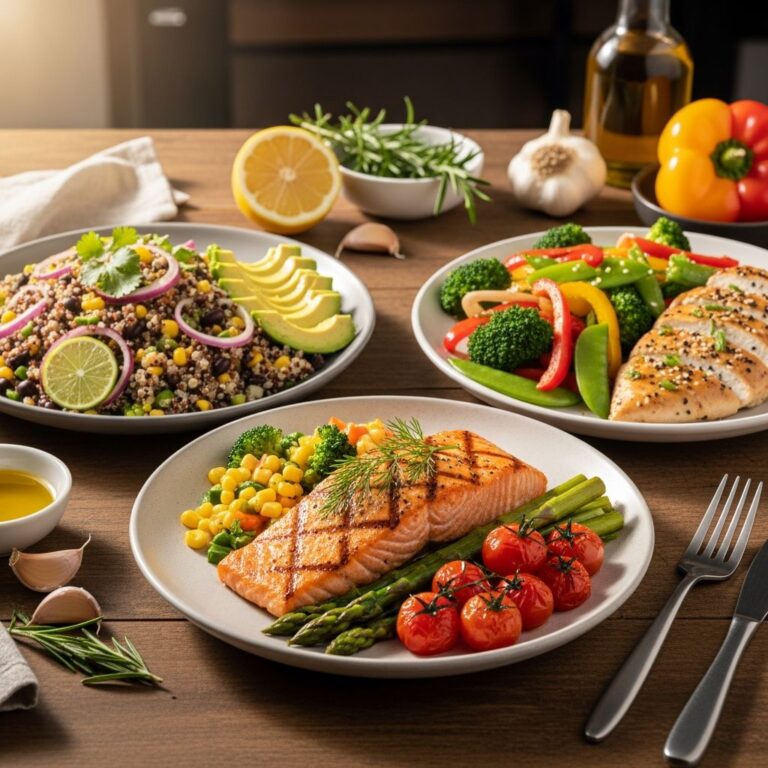
Food plays a critical role in managing how alcohol affects you. Eating a balanced meal before you start drinking—containing carbohydrates, proteins, and fats—significantly slows down the rate at which alcohol is absorbed into your bloodstream. This means the alcohol will have less immediate impact on you, and you’ll feel its effects more gradually, allowing you to drink more mindfully.
During the party, continue to eat if possible. However, be strategic about your food choices. Avoid salty snacks such as crisps, nuts, and salted popcorn, as these increase thirst and can lead you to drink more. Instead, opt for:
- Cheese and crackers
- Fruit
- Vegetables and dips
- Bread and spreads
- Protein-based options like sausages or meatballs
Staying hydrated with water or non-alcoholic drinks throughout the evening is also important, as alcohol is dehydrating.
Drink Slowly and Mindfully
The pace at which you drink significantly affects how much you consume and how intoxicated you become. Rather than gulping drinks, take sips and enjoy them slowly. This approach allows you to:.
- Feel the effects of alcohol more gradually
- Drink less overall because you feel satisfied sooner
- Engage more fully in conversations rather than focusing on drinking
- Maintain better judgment throughout the evening
Mindful drinking is about being aware of your drinking, how it makes you feel, and deciding consciously whether you really want that next drink. Rather than drinking because you feel obligated or because someone is offering, pause and ask yourself if you genuinely want another drink. Research shows that around 33% of drinkers feel pressured to drink at their work Christmas party, but you don’t have to succumb to that pressure.
Manage Social Pressure
One significant challenge at work Christmas parties is the social pressure to drink. Colleagues might encourage you to join in rounds of drinks, or you might feel obligated to participate in the drinking culture of your workplace. However, it’s important to remember that you have the right to decide how much you drink.
One effective strategy is to be open with friends and colleagues about your intentions. If you let people know in advance that you’re reducing your drinking or abstaining entirely, they’re more likely to understand and support your decision rather than pressuring you. You might be surprised to find that others want to join you.
Additional tips for managing social pressure include:
- Avoid joining in with rounds of drinks where everyone buys a drink in turn
- Hold a non-alcoholic drink so you’re not constantly being offered alcohol
- Position yourself away from the bar to reduce temptation
- Find allies—others who are also drinking less—and spend time with them
- Prepare polite but firm responses to offers of drinks, such as “I’m taking it easy tonight” or “I’m happy with what I’ve got”
- It’s acceptable to turn down invitations if you feel the pressure to drink will be overwhelming
Avoid Mixing Alcohol with Other Substances
Never mix alcohol with other drugs, including prescription medications. This combination can lead to dangerous interactions, amplified intoxication, and serious health risks. If you’re taking any medications, check with your doctor or pharmacist about whether it’s safe to drink alcohol while taking them.
Address Your Personal Triggers
Understanding why you drink can help you manage your drinking more effectively. People, places, times, and emotions—such as feeling stressed, happy, or sad—can all be linked to alcohol consumption. The festive season involves particular triggers: the social atmosphere, stress about work, and the celebratory nature of the occasion all encourage drinking.
Identify your personal triggers and develop strategies to manage them. For example:
- If you drink when stressed, find alternative stress-relief activities such as deep breathing, stepping outside for fresh air, or taking a short walk
- If certain people encourage you to drink more, limit your time around them or prepare yourself mentally for interactions with them
- If you tend to drink when bored, plan to engage in conversations, games, or dancing to keep yourself occupied
Practise Self-Care and Stress Management
The festive season, particularly around Christmas work events, can be stressful. High stress levels often lead to increased alcohol consumption as people seek to unwind. Developing healthy coping mechanisms for stress is therefore crucial.
Prioritise self-care by:
- Getting enough sleep—aim for 7-9 hours per night
- Eating well-balanced meals throughout the day
- Exercising regularly, even if just a 20-minute walk
- Practising relaxation techniques such as meditation or deep breathing
- Spending time on activities you enjoy outside of work
These practices not only help reduce stress but also improve your overall wellbeing and resilience, making it easier to stick to your drinking goals.
Know When to Seek Support
If you find it particularly difficult to control your drinking, or if alcohol is causing problems in your life, don’t hesitate to seek professional support. There’s no shame in getting help. Several organisations offer confidential advice and support, including:
- Your GP or doctor, who can provide personalised advice
- Drinkaware—offering resources and the Track and Calculate Units app
- Alcoholics Anonymous (AA)—providing peer support and guidance
- The Alcohol Health Alliance
- SAMHSA’s National Helpline—a free, confidential, 24/7 service (in English and Spanish)
You can access support anonymously in online groups, with trained counsellors, or with friends and family.
Make a Plan and Avoid ‘All or Nothing’ Thinking
Remember that reducing your drinking is a marathon, not a sprint. If you slip up and drink more than you intended, don’t view it as a complete failure. Instead, acknowledge it, understand what led to it, and get back on track as soon as possible. This approach—focusing on moderation and self-compassion rather than perfection—is far more sustainable.
Create a specific plan for the evening that includes:
- Your target number of drinks
- How you’ll space them out
- What non-alcoholic drinks you’ll have
- How you’ll handle social pressure
- Your transportation plan
- What you’ll do if you feel overwhelmed or tempted to drink more
Frequently Asked Questions
Q: How much is a standard drink unit?
A: In the UK, one unit of alcohol equals 10 millilitres of pure alcohol. This typically equates to half a pint of normal strength beer, a small glass of wine, or a single measure of spirits. Stronger beers and wines contain more units.
Q: What should I do if someone keeps trying to buy me drinks?
A: Politely but firmly decline, saying “No thank you, I’m happy with what I’ve got” or “I’m taking it easy tonight.” If they persist, you might involve them in other activities or excuse yourself to speak with someone else. It’s entirely your choice how much you drink.
Q: Are alcohol-free drinks a good alternative?
A: Yes, absolutely. Modern alcohol-free options are far more sophisticated and tasty than in the past, including alcohol-free wines, beers, and festive cocktails. They allow you to participate fully in celebrations without the effects of alcohol.
Q: What if I’ve decided not to drink at all?
A: That’s a valid choice. You can still enjoy the work party fully by engaging in conversations, dancing, games, and enjoying food and non-alcoholic drinks. No one has to know your reasons unless you choose to share them.
Q: How can I cope with the day after the party if I did drink too much?
A: Drink plenty of water, eat nutritious meals, rest, and consider taking a paracetamol if you have a headache. However, prevention is better than cure—sticking to your limits on the night is far easier than dealing with a severe hangover.
Q: What if I’m struggling with alcohol dependency?
A: Speak to your GP, contact Alcoholics Anonymous, or call a helpline such as SAMHSA’s National Helpline (1-800-662-4357) for confidential support. There is professional help available, and you’re not alone.
References
- Substance Abuse at Christmas — Randox Testing Services. https://randoxtestingservices.com/substance-abuse-at-christmas/
- How to Drink Safely Over Christmas and New Year — Patient.info. https://patient.info/features/healthy-living/how-to-drink-safely-over-christmas-and-new-year
- How to Drink Less Over Christmas and the New Year — Patient.info. https://patient.info/features/healthy-living/how-to-drink-less-over-christmas-and-the-new-year
- Hazards of Holiday Drinking and Tips for Maintaining Sobriety — American Psychiatric Association. https://www.psychiatry.org/news-room/apa-blogs/hazards-of-holiday-drinking-and-tips-for-maintaini
- How to Drink Sensibly Over the Festive Season — Patient.info. https://patient.info/features/healthy-living/how-to-drink-sensibly-over-the-festive-season
- What an Addiction Expert Says About Drinking Alcohol During the Holidays — American Heart Association. https://www.heart.org/en/news/2024/12/04/what-an-addiction-expert-says-about-drinking-alcohol-during-the-holidays
- National Helpline for Mental Health, Drug, Alcohol Issues — SAMHSA (Substance Abuse and Mental Health Services Administration). https://www.samhsa.gov/find-help/helplines/national-helpline
Similar Articles








Read full bio of Sneha Tete