Controlling High Blood Pressure: Clinical Guidelines and Strategies
Comprehensive guide to managing hypertension with evidence-based clinical performance measures and patient care strategies.
Understanding High Blood Pressure and Clinical Performance Measures
High blood pressure, or hypertension, remains one of the most significant public health challenges affecting millions of Americans. Effective management requires a coordinated approach combining clinical expertise, patient engagement, and adherence to evidence-based performance measures. The HEDIS (Healthcare Effectiveness Data and Information Set) performance measures have become instrumental in assessing and improving the quality of hypertension management across healthcare systems.
The HEDIS Hypertension Measure evaluates healthcare providers and systems on their effectiveness in controlling blood pressure among adults aged 18-85 years who have received a hypertension diagnosis. These performance measures establish standardized criteria for assessing whether patients’ blood pressure has been adequately controlled to recommended targets, ensuring consistent quality of care delivery across different healthcare organizations.
Blood Pressure Classification and Treatment Thresholds
Understanding the current classification system for blood pressure is fundamental to implementing effective treatment strategies. The updated guidelines establish clear categories that guide clinical decision-making and treatment initiation.
Blood Pressure Categories
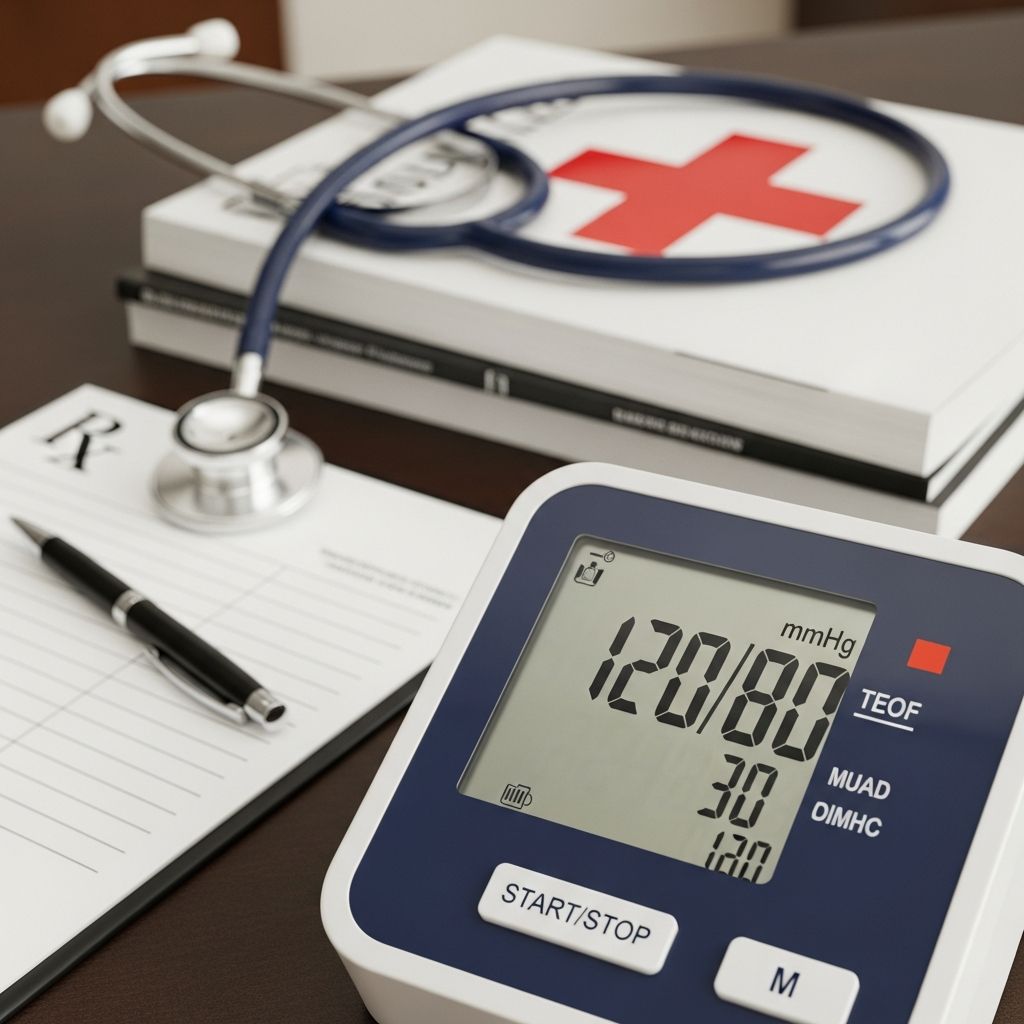
Normal blood pressure is defined as readings below 120/80 mmHg. Blood pressure readings between 120-129 systolic and below 80 mmHg diastolic are classified as elevated, indicating increased cardiovascular risk. Stage 1 hypertension includes systolic readings of 130-139 mmHg or diastolic readings of 80-89 mmHg. Stage 2 hypertension is diagnosed when systolic pressure exceeds 140 mmHg or diastolic pressure exceeds 90 mmHg.
Importantly, research demonstrates that increased cardiovascular risk for heart attack, stroke, and other complications begins at systolic levels above 120 mmHg, with risk doubling when comparing 130 to 120 mmHg readings. This evidence has fundamentally shifted clinical approaches toward earlier intervention and more aggressive management strategies.
Risk-Stratified Treatment Approach
Contemporary hypertension management incorporates ASCVD (Atherosclerotic Cardiovascular Disease) risk assessment to guide treatment decisions. This individualized approach recognizes that not all patients with the same blood pressure readings require identical treatment strategies.
ASCVD Risk and Treatment Recommendations
For patients with Stage 1 hypertension, treatment decisions depend on their 10-year ASCVD risk. Individuals with low ASCVD risk (less than 10 percent) are initially recommended for nonpharmacologic interventions. Those with ASCVD risk of 10 percent or greater, combined with Stage 1 hypertension, are recommended to initiate blood pressure-lowering medication alongside lifestyle modifications. Additionally, patients with Stage 1 hypertension who have comorbid conditions such as diabetes, chronic kidney disease, heart failure, stable ischemic heart disease, or peripheral arterial disease should receive antihypertensive medication regardless of ASCVD risk calculations.
Stage 2 hypertension consistently warrants pharmacologic treatment combined with lifestyle modifications across all risk categories. For patients with average blood pressure readings more than 20/10 mmHg above their target, dual antihypertensive therapy using first-line agents from different drug classes is recommended.
Nonpharmacologic Therapy and Lifestyle Modification
Current guidelines emphasize that nonpharmacologic interventions form the cornerstone of hypertension management for all patients, regardless of whether medications are prescribed. These evidence-based lifestyle modifications can substantially reduce blood pressure and improve cardiovascular outcomes.
Essential Lifestyle Interventions
The following lifestyle modifications are recommended for all individuals with elevated blood pressure or hypertension:
- Weight Loss: Reducing excess body weight through caloric reduction significantly lowers blood pressure in overweight and obese individuals.
- Dietary Management: Adopting a low-sodium, high-potassium diet reduces blood pressure and cardiovascular risk. The DASH diet (Dietary Approaches to Stop Hypertension) represents an evidence-based nutritional framework.
- Alcohol Limitation: Restricting alcohol consumption to moderate levels helps control blood pressure and reduces cardiovascular complications.
- Regular Physical Activity: Engaging in aerobic exercise most days of the week provides independent cardiovascular benefits and blood pressure reduction.
- Stress Reduction: Implementing stress management techniques contributes to improved blood pressure control.
Related Stories



Clinicians must develop comprehensive skills and resources to effectively promote lifestyle modification, recognizing that behavioral change requires ongoing patient education, encouragement, and support throughout the treatment journey.
Pharmacologic Treatment Strategies
When pharmacologic intervention is indicated, first-line medications have been identified as most effective for initial hypertension treatment. These agents provide excellent blood pressure-lowering efficacy with well-established safety profiles.
First-Line Antihypertensive Medications
Recommended first-line agents include thiazide diuretics, calcium channel blockers, and ACE inhibitors or angiotensin receptor blockers. These medication classes have demonstrated superior effectiveness in reducing cardiovascular events and are recommended by major clinical guidelines.
For patients with Stage 2 hypertension or those requiring more intensive blood pressure control, combination therapy using two first-line agents from different drug classes may be necessary. These combinations can be prescribed as separate medications or as fixed-dose combinations, providing enhanced blood pressure reduction through complementary mechanisms of action.
Blood Pressure Monitoring and Self-Management
Effective hypertension management requires accurate blood pressure assessment and ongoing monitoring to guide treatment decisions and evaluate therapeutic effectiveness. Home blood pressure monitoring has emerged as a critical component of modern hypertension management.
Importance of Home Blood Pressure Monitoring
Home blood pressure monitoring serves multiple important functions in contemporary hypertension care. It helps confirm hypertension diagnosis, distinguishing true hypertension from white coat hypertension where elevated readings occur only in clinical settings. Regular home monitoring enables patients to track blood pressure trends, assess medication effectiveness, and identify patterns related to lifestyle factors. This information supports shared decision-making between patients and clinicians regarding treatment adjustments and provides objective data to guide therapy optimization.
When multiple blood pressure readings are recorded on the same date, clinical protocols recommend using the lowest systolic and diastolic values as the representative reading for that date. This approach standardizes measurement interpretation and improves accuracy in assessing blood pressure control status.
Multidisciplinary Team-Based Care
Optimal hypertension management requires collaboration among diverse healthcare professionals working toward common patient-centered goals. Health system-level interventions coordinating multiple disciplines have demonstrated superior outcomes in blood pressure control and cardiovascular risk reduction.
Multidisciplinary Care Team Components
Effective hypertension management teams typically include:
- Primary Care Providers: Physicians and nurse practitioners establishing diagnosis, initiating treatment, and overseeing overall care coordination.
- Cardiologists: Specialists managing complex cases and patients with cardiovascular comorbidities.
- Nurses: Providing patient education, monitoring compliance, and supporting lifestyle modifications.
- Pharmacists: Optimizing medication selection, managing drug interactions, and enhancing medication adherence.
- Dietitians: Implementing evidence-based nutritional interventions and dietary counseling.
- Community Health Workers: Bridging healthcare systems with community resources and supporting culturally tailored interventions.
- Physician Assistants: Contributing clinical expertise and patient management responsibilities.
This multidisciplinary approach addresses the complex physiologic, behavioral, and psychosocial factors influencing blood pressure control. Team-based systems should incorporate treatment algorithms supporting clinical decision-making, established collaboration protocols, strategies enhancing medication adherence, standardized blood pressure monitoring procedures, and comprehensive self-management support resources.
Shared Decision-Making and Patient Communication
Contemporary hypertension management emphasizes shared decision-making through frequent, transparent communication between healthcare providers and patients. This collaborative approach respects individual patient preferences, values, and life circumstances while integrating clinical evidence and professional expertise.
Key Elements of Effective Patient Engagement
Patient education must begin immediately upon hypertension diagnosis and continue consistently throughout the treatment course. Communication should assess patient preferences regarding treatment options, clarify individual blood pressure goals relative to current readings, and discuss how medications may affect daily activities and quality of life. Healthcare providers should empower patients to understand their blood pressure numbers, recognize their ASCVD risk level, and implement self-management strategies supporting treatment goals.
This approach proves particularly important for older adults with substantial comorbidities or limited life expectancy, where clinical judgment and patient preference substantially influence decisions about blood pressure-lowering intensity and antihypertensive drug selection. In such cases, a team-based approach thoroughly assessing risks and benefits of intensive blood pressure control guides individualized treatment plans.
Special Populations and Unique Considerations
Hypertension in Pregnancy
Recent guideline updates have expanded attention to hypertension management during pregnancy. Hypertension in pregnancy is defined as blood pressure readings of 140/90 mmHg or higher. Careful monitoring before, during, and after pregnancy significantly lowers the risk of both short-term and long-term complications for mother and fetus, emphasizing the importance of preconception blood pressure optimization and continued surveillance throughout the perinatal period.
Diabetes and Hypertension
Patients with diabetes warrant special attention in hypertension management due to their substantially elevated cardiovascular and renal disease risk. The on-treatment blood pressure goal for adults with diabetes is less than 130/80 mmHg when safely achievable, or up to 140/90 mmHg in certain circumstances. Controlling blood pressure in diabetic patients significantly reduces major cardiovascular events including heart attack, stroke, and heart failure, as well as microvascular complications affecting vision, kidney function, and nerve integrity.
Brain Health and Cognitive Benefits
Emerging evidence demonstrates that effective blood pressure control provides neuroprotective benefits beyond traditional cardiovascular risk reduction. Controlling blood pressure substantially reduces the risk for dementia and cognitive decline, adding additional motivation for rigorous hypertension management and early intervention strategies.
Blood Pressure Control Targets
Current guidelines recommend lowering blood pressure below 130/80 mmHg for both Stage 2 and Stage 1 hypertension patients, representing a shift toward more aggressive control targets based on evidence demonstrating improved cardiovascular outcomes. These targets should be pursued through the combination of lifestyle modifications and pharmacologic therapy optimized through ongoing monitoring and treatment adjustment.
HEDIS Performance Measure Framework
The comprehensive HEDIS measure set for hypertension includes 22 distinct measures organized into three categories: 6 performance measures assessing treatment outcomes, 6 process quality measures evaluating care delivery components, and 10 structural quality measures examining healthcare system capabilities. These measures align with the 2017 Hypertension Clinical Practice Guidelines classification scheme and incorporate both harmonizing measures aligned with other clinical guideline organizations and enhancing measures promoting emerging evidence-based practices showing improved outcomes with more aggressive blood pressure control.
Frequently Asked Questions
What blood pressure reading is considered normal?
Normal blood pressure is below 120/80 mmHg. Readings between 120-129 systolic and below 80 diastolic are classified as elevated, requiring lifestyle modifications and increased cardiovascular risk awareness.
When should blood pressure-lowering medications be started?
Medication decisions depend on blood pressure stage and ASCVD risk. Stage 1 hypertension patients with less than 10 percent 10-year ASCVD risk initially receive lifestyle modification recommendations. Those with greater risk or comorbid conditions like diabetes warrant pharmacologic treatment alongside lifestyle changes. Stage 2 hypertension consistently requires medication therapy.
What are first-line blood pressure medications?
First-line agents include thiazide diuretics, calcium channel blockers, and ACE inhibitors or angiotensin receptor blockers. These medications provide superior cardiovascular risk reduction and have well-established safety profiles.
Why is home blood pressure monitoring important?
Home blood pressure monitoring confirms diagnosis, tracks treatment response, enables patient self-management, and provides objective data distinguishing true hypertension from white coat hypertension.
What lifestyle changes help control blood pressure?
Weight loss, adopting low-sodium high-potassium diets, limiting alcohol, engaging in regular aerobic exercise most days weekly, and implementing stress reduction techniques all significantly reduce blood pressure.
How does blood pressure control benefit patients with diabetes?
Controlling blood pressure in diabetic patients reduces major cardiovascular events and microvascular complications affecting vision, kidneys, and nerves. The goal is typically less than 130/80 mmHg when safely achievable.
What is ASCVD risk and why does it matter?
ASCVD risk represents the probability of experiencing cardiovascular events within 10 years. This assessment guides medication decisions for Stage 1 hypertension, distinguishing patients requiring immediate pharmacologic intervention from those benefiting from initial lifestyle modification.
Who should be included in hypertension management teams?
Effective teams include primary care providers, cardiologists, nurses, pharmacists, dietitians, community health workers, and physician assistants, each contributing specialized expertise to coordinate comprehensive patient care.
References
- Hypertension Guideline – Johns Hopkins School of Nursing — Johns Hopkins School of Nursing. 2018-04. https://nursing.jhu.edu/magazine/articles/2018/04/hypertension-guidelines/
- 2019 AHA/ACC Clinical Performance and Quality Measures for High Blood Pressure — American Heart Association and American College of Cardiology. 2019. https://www.ahajournals.org/doi/10.1161/HCQ.0000000000000057
- A New Hypertension Guideline for Stronger Hearts — Johns Hopkins School of Nursing. 2025-09. https://nursing.jhu.edu/magazine/articles/2025/09/a-new-hypertension-guideline-for-stronger-hearts/
- Blood Pressure Control for Patients With Diabetes (BPD) — National Committee for Quality Assurance (NCQA). https://www.ncqa.org/report-cards/health-plans/state-of-health-care-quality-report/blood-pressure-control-for-patients-with-diabetes-bpd/
- 2017 Hypertension Clinical Practice Guidelines — American College of Cardiology and American Heart Association. 2017. Official guideline classification providing evidence-based treatment recommendations for hypertension management across all patient populations.
Similar Articles








Read full bio of medha deb