Contusion: Symptoms, Causes, Treatment, Recovery Guide
Understand contusions—bruises from injury—and learn how to identify symptoms, causes, effective treatments, and prevention strategies for faster recovery.
A
contusion
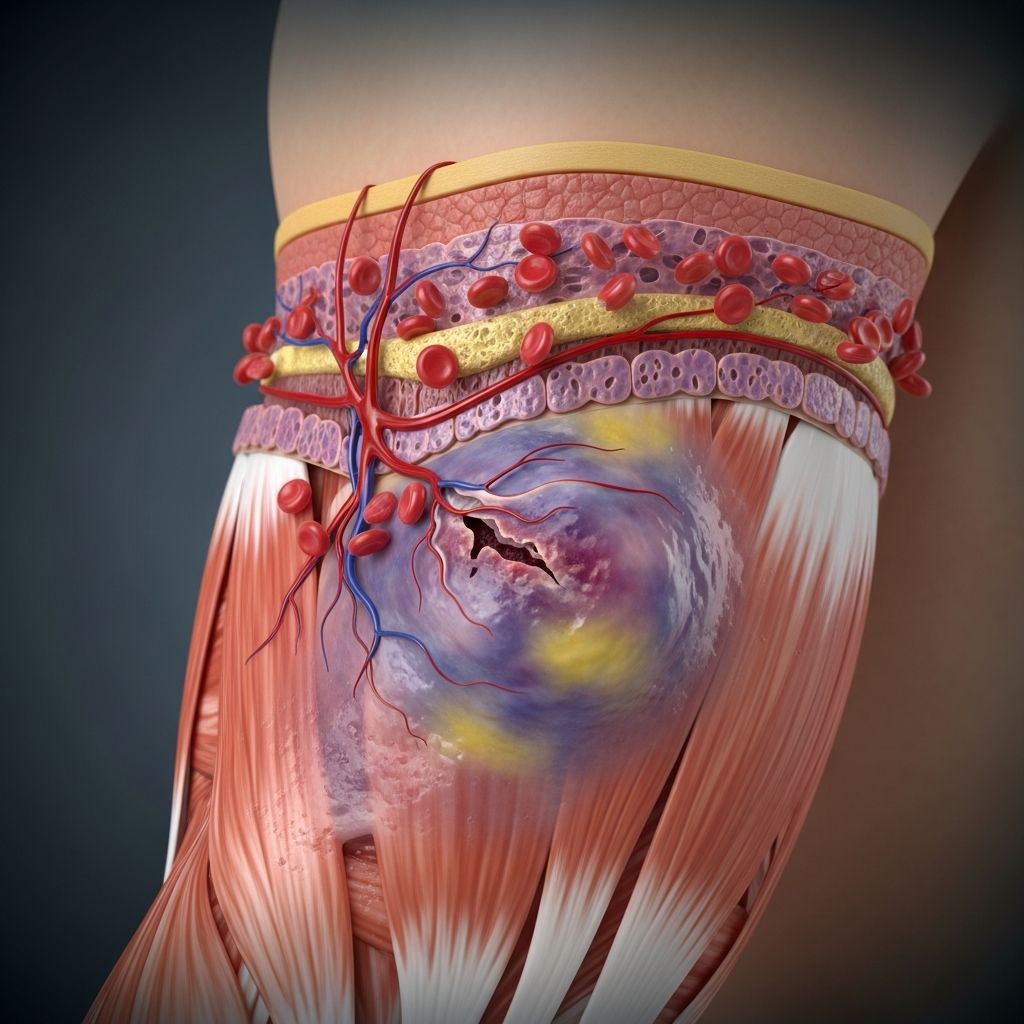
, commonly known as a bruise, occurs when small blood vessels under the skin rupture due to blunt force trauma, leading to blood leakage and discoloration. These injuries are prevalent in everyday accidents, sports, and falls, affecting people of all ages. While most contusions heal without intervention, understanding their progression, treatment, and potential complications is essential for optimal recovery. This article explores the anatomy of contusions, risk factors, management strategies, and when professional medical care is necessary.What Is a Contusion?
A contusion is a type of soft tissue injury resulting from direct impact that damages blood vessels (capillaries) beneath the skin without breaking the skin surface. Unlike abrasions or lacerations, contusions involve internal bleeding that pools under the skin, creating visible discoloration. Contusions can range from superficial (muscle or subcutaneous tissue) to deep (affecting organs like the brain or lungs), with varying severity based on impact force and location.
The skin’s outer layer remains intact, but underlying tissues swell and change color as hemoglobin from leaked blood breaks down. Initial red or purple hues evolve to green, yellow, and brown over days to weeks. Muscle contusions, often called “charley horses,” disrupt muscle fibers and can impair function if severe. According to clinical reviews, contusions contribute significantly to morbidity in traumatic injuries, particularly when progression occurs due to ongoing vascular damage.
Symptoms of a Contusion
Contusion symptoms typically appear immediately or within hours of injury. Key signs include:
- Pain and tenderness: Localized soreness that worsens with movement or pressure.
- Swelling: Due to inflammation and fluid buildup in damaged tissues.
- Discoloration: Starting as red, progressing to blue/purple (ecchymosis), then fading to yellowish tones.
- Bruising spread: Color may migrate downward due to gravity, appearing in unexpected areas.
- Limited mobility: Stiffness or weakness, especially in muscle contusions.
In severe cases, symptoms escalate to intense pain, significant swelling, or functional loss. Deep contusions may cause systemic signs like fever if infection develops. Brain contusions, a subtype, present with headaches, confusion, or neurological deficits, requiring urgent imaging. Monitor for worsening symptoms, as contusion expansion can indicate secondary hemorrhage or compartment syndrome.
Causes and Risk Factors
Contusions stem from blunt trauma where force compresses tissues against underlying bone or structures. Common causes include:
- Sports injuries: Tackles in football, collisions in soccer, or impacts in martial arts.
- Falls: Especially in older adults or children, leading to hip, arm, or leg bruises.
- Accidents: Car crashes, bicycle mishaps, or workplace incidents.
- Assaults or abuse: Repeated blows causing multiple or patterned bruising.
Risk factors amplify susceptibility:
| Risk Factor | Description |
|---|---|
| Age | Children bruise easily due to thin skin; elderly have fragile vessels. |
| Medications | Blood thinners (aspirin, warfarin) or steroids increase bleeding risk. |
| Medical conditions | Hemophilia, vitamin C deficiency, or liver disease impair clotting. |
| Athletic activity | Contact sports without protective gear heighten exposure. |
Related Stories



In traumatic brain injury (TBI), contusions arise from impact forces fracturing microvessels, with progression linked to factors like low Glasgow Coma Scale (GCS) scores and subdural hematomas.
Diagnosis of Contusions
Diagnosis begins with a physical exam assessing pain, swelling, range of motion, and bruise extent. History details the injury mechanism, timing, and associated symptoms. Imaging confirms severity:
- X-rays: Rule out fractures beneath the contusion.
- Ultrasound: Evaluates hematoma size and vascular flow.
- MRI or CT: For deep or suspected organ contusions, detecting progression or complications like brain contusion growth.
Lab tests check clotting function if bruising is unexplained or excessive. Contrast-enhanced CT identifies cerebral edema predicting contusion expansion with high sensitivity. Early detection prevents complications like pseudohaematoma misinterpretation post-contrast studies.
Treatment Options for Contusions
Most contusions respond to conservative
RICE therapy
(Rest, Ice, Compression, Elevation):- Rest: Avoid stressing the area for 48-72 hours to prevent further damage.
- Ice: Apply wrapped ice packs 15-20 minutes every 2-3 hours for 2 days to reduce swelling.
- Compression: Use elastic bandages to minimize hematoma expansion, avoiding over-tightness.
- Elevation: Keep injured area above heart level to drain fluid.
Over-the-counter pain relievers like acetaminophen manage discomfort; avoid NSAIDs initially if bleeding risk is high. Severe cases may require:
- Drainage of large hematomas.
- Physical therapy for muscle contusions to restore strength.
- Surgical intervention, such as decompressive craniectomy for brain contusions with raised intracranial pressure.
Post-surgical contusion progression occurs in 13-58% of TBI patients, predicted by initial volume >20ml or Rotterdam score rott>=5.
Recovery Time and Prognosis
Recovery varies by severity and location:
- Mild contusions: 1-2 weeks; color fades gradually.
- Moderate muscle contusions: 2-4 weeks; may involve rehab.
- Severe or deep: 4-8 weeks or longer, with potential scarring.
Factors prolonging healing include poor circulation, infection, or repeated trauma. Full function returns as inflammation resolves and tissues remodel. In TBI, contusion progression worsens outcomes, correlating with lower GCS and need for surgery. Most patients recover fully with proper care, but monitor for chronic pain or myositis ossificans (bone formation in muscle).
Complications of Untreated Contusions
While rare, complications include:
- Infection: If skin breaks, leading to cellulitis.
- Compartment syndrome: Swelling compresses nerves/vessels, requiring fasciotomy.
- Chronic pain: From scar tissue or nerve damage.
- Hematoma organization: Blood clot calcification.
- Progression in TBI: Expansion due to microvascular dysfunction, coagulopathy, or post-DC loss of tamponade.
Predictors of progression: initial volume, SDH, smoking, hypertension. Seek care for expanding bruises, numbness, or fever.
Prevention Strategies
Minimize contusions through:
- Protective gear: Helmets, pads in sports.
- Fall-proofing: Home modifications for seniors.
- Strength training: Builds tissue resilience.
- Medication review: Consult doctors on bleeding risks.
Athletes should warm up and use proper techniques. Workplace safety protocols reduce occupational risks.
When to See a Doctor
Consult a healthcare provider if:
- Bruise >5 inches or expands rapidly.
- Severe pain, swelling, or inability to move.
- Symptoms like dizziness, vomiting (head injury).
- Bruising without injury or recurrently.
- Signs of infection: redness, warmth, pus.
Immediate ER visit for head, abdominal, or chest contusions with breathing issues or neurological changes.
Frequently Asked Questions (FAQs)
What is the difference between a contusion and a hematoma?
A contusion is diffuse bruising; a hematoma is a localized, pooled blood collection, often larger and more painful.
How long does a deep contusion take to heal?
Deep contusions may take 4-6 weeks, with physical therapy aiding recovery.
Can contusions cause long-term damage?
Rarely, but severe muscle contusions can lead to fibrosis or ossification if not managed properly.
Is arnica effective for bruises?
Some evidence supports topical arnica for reducing swelling, but consult a doctor first.
Why do bruises change color?
Bilirubin from hemoglobin breakdown causes the green/yellow phases as the body reabsorbs blood.
References
- Contusion Progression Following Traumatic Brain Injury — NIH/PMC. 2020-05-15. https://pmc.ncbi.nlm.nih.gov/articles/PMC7253145/
- Contusion: Care Instructions — Kaiser Permanente. 2023-01-01. https://healthy.kaiserpermanente.org/health-wellness/health-encyclopedia/he.contusion-care-instructions.abq3234
- Workplace Safety Guidelines — OSHA. 2025-12-01. https://www.osha.gov
Similar Articles








Read full bio of medha deb