Cooking and Eating Together: Transform Your Health
Discover how shared meals and home cooking strengthen bodies, minds, and family bonds.
Cooking and Eating Together: Transform Your Health and Relationships
In our fast-paced world, the convenience of takeout and food delivery apps has made it easier than ever to skip home cooking. Yet research consistently shows that cooking and eating meals together offers profound benefits that extend far beyond the dinner table. From physical health to mental well-being, from strengthened family bonds to improved academic performance in children, the simple act of preparing and sharing food together is a powerful investment in your family’s health.
The Physical Health Benefits of Home Cooking
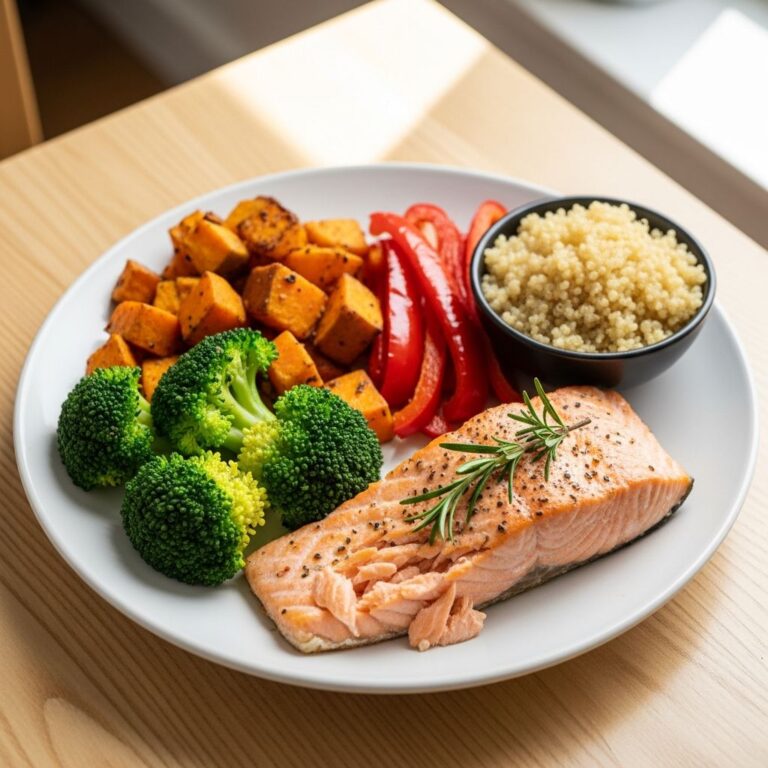
One of the most measurable advantages of cooking at home is improved nutrition. Studies demonstrate that people who cook more frequently have significantly healthier diets compared to those who rely on takeout and restaurant meals. Restaurant food typically contains substantially higher amounts of sodium, saturated fat, total fat, and overall calories than home-cooked meals.
When you cook at home, you maintain control over your ingredients and preparation methods. This control directly impacts your family’s health outcomes. Research shows that children and young people who frequently share meals with their families report better nutrition and eating behaviors, including eating more vegetables and consuming less fast food. These healthier eating patterns established during childhood often persist into adulthood, creating lasting benefits.
Beyond improved nutrition, family meals support healthy weight management. Children who regularly eat together with their families are less likely to be overweight, and this benefit extends to adults as well, benefiting those across the entire BMI spectrum.
Mental Health and Well-Being Through Cooking
Cooking offers more than just nutrition—it provides powerful mental health benefits. During periods of stress and uncertainty, such as the COVID-19 lockdown, researchers observed that people experienced “flow” while cooking. This state of focused engagement, where time seems to pass quickly and pleasantly, involves the sensory aspects of cooking: handling ingredients, inhaling aromas, and witnessing the transformation of raw foods into a finished dish.
This sensory experience becomes both grounding and therapeutic. Cooking serves as a powerful tool for reducing boredom, relieving stress, and promoting mental well-being during times of isolation and uncertainty. The act of creating something nourishing with your own hands fosters a sense of empowerment and autonomy.
Home cooking is fundamentally an act of empowerment. It provides control over ingredients, nurtures positive emotions like pride and confidence, and helps build a strong sense of personal agency. When you take that first bite of a dish you’ve prepared yourself, the satisfaction and sense of accomplishment contribute meaningfully to your emotional well-being.
Strengthening Family Bonds Through Shared Meals
Beyond individual health, eating together is one of the most fundamental ways humans connect. New global data from the 2025 World Happiness Report and Gallup surveys reveal the profound impact of shared meals across 142 countries: people who regularly eat with others report feeling happier, more supported, and less lonely. Remarkably, the positive impact of shared meals rivals that of having a steady job or income—a striking testament to the importance of eating together.
Related Stories



The benefits begin immediately and accumulate over time. Even sharing just one meal a week with someone else can improve well-being. People who eat with others not only report greater happiness but also enjoy their food more, underscoring that shared meals nourish far more than our bodies—they strengthen our emotional bonds.
The quality of shared meals matters significantly. Research surveying over 500 U.S. parents about family mealtimes during the pandemic found that approximately 60% reported eating dinner together more frequently. When researchers assessed meal quality—measuring laughter, gratitude, meaningful conversation, and family support—nearly 60% reported positive emotional interactions, and 65% felt an increased sense of family support. These benefits transcend socioeconomic boundaries: they appear consistently across all types of households, regardless of income, race, or education.
Benefits for Children’s Development and Academic Success
Children benefit tremendously from regular family meals. Research consistently shows that children in families who eat together:
- Eat more healthful foods
- Are less likely to be overweight
- Do better in school
- Have stronger connections with family members
- Are less likely to engage in risky behaviors
The behavioral benefits are particularly striking. Research consistently demonstrates that the more often children eat dinner with their families, the less likely they are to smoke, drink alcohol, or use drugs. Additionally, family meals are linked with healthy mental development and lower risks for childhood depression, eating disorders, substance use, and other mental health concerns.
Mealtime also enhances cognitive development. Mealtime conversation around the dinner table helps increase children’s vocabulary, which leads to better reading skills and improved performance across all school subjects. These meals provide perfect opportunities for children to learn social skills, manners, and how to engage in pleasant conversations while parents model healthy eating behaviors and communication.
Building a Cooperative Family Cooking Culture
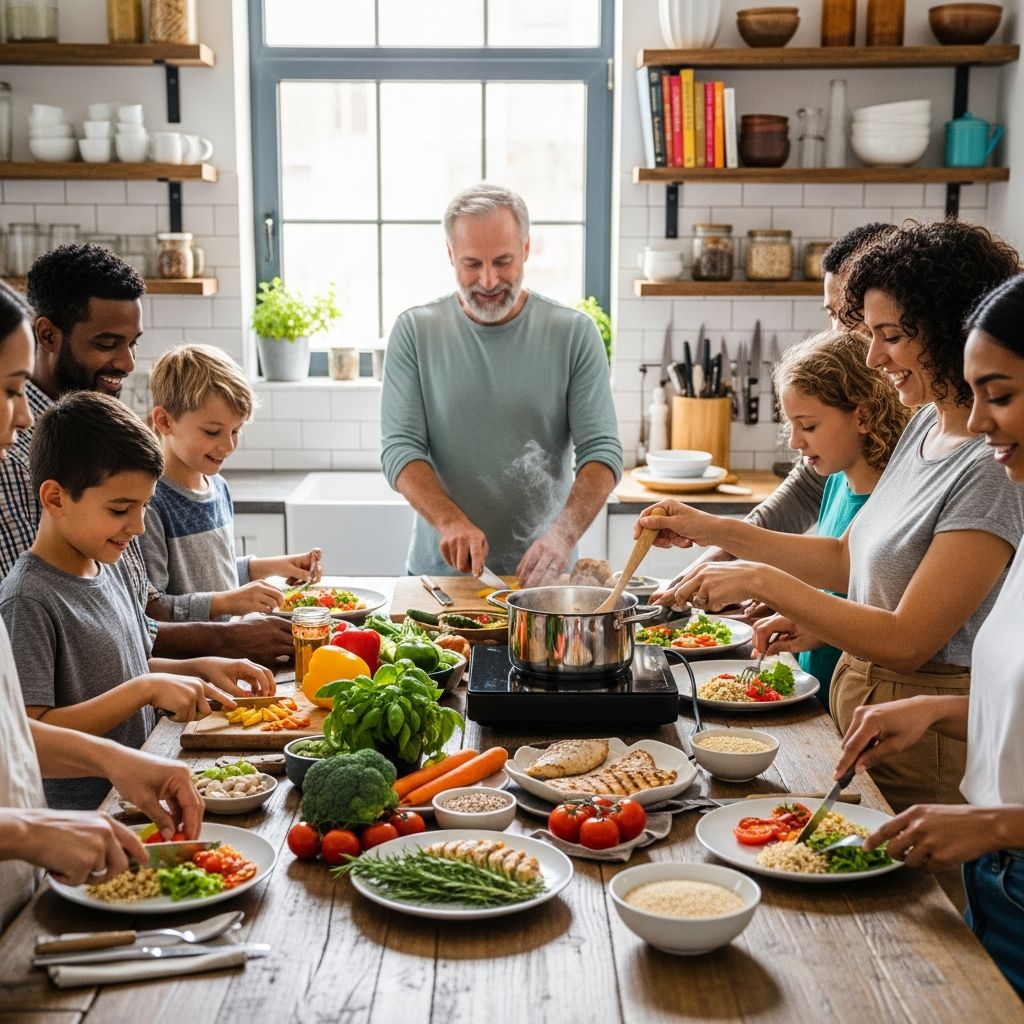
Making cooking and meal preparation a cooperative family effort multiplies the benefits. It’s important to distribute the responsibility of meal preparation across family members rather than placing the burden on a single person. This cooperative approach enhances family togetherness, promotes a sense of importance for each family member, and provides opportunities to share about nutrition and meal planning.
Everyone can contribute according to their age and ability, from washing vegetables to putting the main dish in the oven to setting the table. Even very young children can participate meaningfully. This involvement teaches children about cooking, meal planning, the value of daily routines, and the importance of contribution to the family unit.
Creating Meaningful Mealtime Conversations
The quality of conversation at the table significantly impacts family relationships and individual well-being. Simple questions like “What was your favorite part of the day?” can start enriching table talk. Parents should ask open-ended questions and actively listen to show genuine interest in their children’s thoughts and experiences. Giving children the floor allows families to discover what’s happening in their lives and reinforces their sense of being valued and heard.
Family meals help strengthen families by creating dedicated time for talking and sharing. They encourage a sense of belonging and significantly improve family communication. These conversations contribute to parents’ well-being too: research shows that parents who reported frequent meals with their families also reported better family functioning, stronger relationships, and better mental health.
Making Family Meals Practical and Sustainable
The good news is that family meals don’t need to be elaborate or time-consuming. Even simple meals can create profound benefits. Gathering for family meals is worthwhile even when one or more family members cannot attend; smaller groups at the table can be just as rewarding. Even three meals together each week can make a real difference in family health and well-being.
The key is consistency and intentionality. Make mealtimes a priority by planning simple recipes, involving family members in preparation, and minimizing distractions like screens at the table. Remember that meals can be straightforward, and everyone can contribute. This makes family mealtime both a health-promoting and meaningful learning experience.
The Broader Impact on Family Routines and Rituals
Family meals serve as important routines and rituals in household life. A substantial body of evidence demonstrates that family routines and rituals are associated with better health and well-being for all family members, as well as increased feelings of parenting competence and marital satisfaction. In moments of stress, uncertainty, or disconnection, cooking and sharing meals offer something profound—they provide rhythm when life feels chaotic, foster confidence when we feel powerless, and create connection when we feel alone.
Frequently Asked Questions
Q: How often should families eat together to see health benefits?
A: Even sharing just one meal a week with others can improve well-being. However, research suggests that eating together three or more times per week creates more substantial benefits. The more frequently families dine together, the greater the positive impact on nutrition, mental health, and behavioral outcomes, particularly for children.
Q: What if our family has busy schedules? Can we still benefit?
A: Yes. Family meals don’t need to be elaborate or time-consuming. Simple meals prepared cooperatively offer the same benefits as complex ones. Even three meals together each week can make a real difference. Additionally, smaller groups at the table are just as rewarding as larger ones when full attendance isn’t possible.
Q: Does cooking together offer different benefits than just eating together?
A: Yes, both offer distinct benefits. Cooking together provides mental health benefits through flow states, stress reduction, and empowerment, while also teaching children about nutrition and routines. Eating together strengthens social bonds, improves nutrition, and enhances communication and emotional connection. Combining both activities maximizes the benefits.
Q: Can these benefits apply to adults, or are they mainly for children?
A: Both children and adults benefit significantly. Research shows that parents who frequently share meals with their families report better family functioning, stronger relationships, and better mental health. Cooking and shared meals support mental well-being and feelings of competence for all family members.
Q: What if screen time happens during meals?
A: While some families experienced more arguments or screen distractions, research shows that overwhelmingly, shared laughter and heartfelt conversations outweigh the negatives when families make intentional efforts. Minimizing screens and focusing on conversation enhances the quality and benefits of shared meals.
References
- The Health Benefits of Cooking Together — FepBlue. 2020-11-25. https://www.fepblue.org/news/2020/11/25/the-health-benefits-of-cooking-together
- Three Ways Cooking Is Good for Your Well-Being — Greater Good Science Center, University of California, Berkeley. https://greatergood.berkeley.edu/article/item/three_ways_cooking_is_good_for_your_well_being
- Eating Together: Eating Well Making it a Priority — Rutgers New Jersey Agricultural Experiment Station (NJAES). https://njaes.rutgers.edu/fs1104/
- Benefits of Family Meals: Eat Together, Thrive Together — American Academy of Pediatrics (Healthy Children). https://www.healthychildren.org/English/family-life/family-dynamics/Pages/family-meals-eat-together-thrive-together.aspx
- Family meals among parents: Associations with nutritional, social and emotional wellbeing — National Center for Biotechnology Information (NCBI). https://pmc.ncbi.nlm.nih.gov/articles/PMC6309329/
Similar Articles








Read full bio of medha deb