Cooking for One: Easy Meal Planning & Prep Tips
Master solo cooking with simple strategies, budget-friendly recipes, and smart meal prep techniques.
Cooking for One: Master the Art of Solo Dining
Living alone comes with its own set of challenges, and one of the most significant is figuring out how to cook nutritious, satisfying meals for just one person. Whether you’re newly single, living independently for the first time, or have chosen the solo lifestyle, cooking for one requires a different approach than cooking for a family. The good news is that with the right strategies, mindset, and planning, you can enjoy delicious, healthy meals while keeping costs down and minimizing food waste.
The Challenge of Cooking for One
Many home cooks find themselves overwhelmed when preparing meals for a single person. Traditional recipes often yield four to six servings, leaving you with excess food that may spoil before you can consume it. Additionally, buying ingredients in bulk—the most economical approach—can lead to waste if you’re unable to use them in time. These challenges can discourage people from cooking at home, leading them to rely on takeout and processed foods, which are often less nutritious and more expensive than home-cooked meals.
Understanding these obstacles and learning how to navigate them is the first step toward becoming confident in your solo cooking endeavors. By adopting strategic planning and flexible cooking techniques, you can transform cooking for one from a burden into an enjoyable and sustainable practice.
Strategic Meal Planning for Solo Success
Effective meal planning is the foundation of successful solo cooking. Rather than planning an entire week’s worth of meals at once—which can feel overwhelming—consider planning just three to four days ahead. This approach allows for flexibility while still providing structure and reducing decision fatigue.
Start with a Shopping List Strategy
Before heading to the grocery store, assess what you already have at home. Check your refrigerator, freezer, and pantry to identify ingredients that need to be used up. This practice, known as inventory-based shopping, helps prevent purchasing duplicates and reduces waste. When making your shopping list, organize items by category: proteins, vegetables, fruits, grains, and pantry staples. This organization makes shopping more efficient and helps you stay focused on intentional purchases.
Choose Flexible Ingredients
Select ingredients that can be used in multiple ways throughout the week. For example, a rotisserie chicken can be used in salads, grain bowls, pasta dishes, and soups. Similarly, versatile vegetables like bell peppers, carrots, and onions work well in stir-fries, soups, salads, and grain bowls. By choosing flexible ingredients, you maximize your purchasing power and reduce the likelihood of food spoilage.
Mastering Portion Control and Storage
One of the most practical solutions for cooking for one is embracing intentional portioning and proper storage techniques. These skills allow you to cook normal-sized portions without excessive waste.
Cook Once, Eat Multiple Times
Batch cooking—preparing larger quantities of a single dish and portioning it for later consumption—is a game-changer for solo cooks. Pick one or two recipes per week to batch cook. Prepare double or triple the amount you need for a single meal, then divide the excess into individual portions. Store these in glass containers in the refrigerator for up to four days, or freeze portions for up to three months. This approach saves time during busy weekdays and ensures you always have a healthy meal option available.
Related Stories



Freeze Individual Portions Strategically
Freezing is your secret weapon against food waste. Many foods freeze exceptionally well, including soups, stews, grain-based dishes, and cooked proteins. When freezing, use flat containers or ice cube trays for maximum space efficiency. Label everything with the contents and date to maintain organization. When you’re short on time or energy, having ready-made meals in your freezer eliminates the temptation to order takeout.
Proper Storage Extends Shelf Life
Invest in quality glass containers with tight-fitting lids. Glass containers are durable, easy to clean, and don’t retain odors or stains. Proper storage not only keeps your food fresh longer but also makes it more appealing to eat. When food is stored visibly in clear containers on your refrigerator shelf, you’re more likely to consume it before it spoils.
Budget-Friendly Approaches to Solo Cooking
Cooking for one doesn’t mean spending a fortune on groceries. With smart shopping strategies and intentional cooking practices, you can maintain excellent nutrition while keeping costs low.
Embrace Seasonal Produce
Seasonal fruits and vegetables are significantly cheaper and taste better than out-of-season options. Visit your local farmers market during peak seasons to find deals on fresh produce. Seasonal eating naturally encourages meal variety throughout the year and connects you to local food systems.
Utilize Budget-Friendly Proteins
Expensive proteins like fresh fish and premium cuts of meat can strain a solo cook’s budget. Instead, focus on affordable protein sources: eggs, canned beans and lentils, Greek yogurt, cottage cheese, and less expensive cuts of meat that become tender with proper cooking methods like slow cooking or braising. Plant-based proteins like beans and lentils offer exceptional nutritional value at minimal cost.
Buy Store Brands and Generic Products
Store brands are often identical to name brands in quality while costing significantly less. Pantry staples like rice, pasta, canned tomatoes, and spices are excellent candidates for generic purchasing. The savings add up quickly when applied consistently.
Smart Kitchen Equipment for One
Certain kitchen tools make cooking for one significantly more manageable and enjoyable. You don’t need an extensive array of equipment—focus on versatile, quality pieces.
- Small Slow Cooker: A compact slow cooker allows you to create tender, flavorful meals with minimal hands-on time. Simply add ingredients in the morning, and dinner is ready when you arrive home.
- Mini Food Processor: A small food processor makes chopping, mincing, and blending easier and faster, reducing prep time for single servings.
- Cast Iron Skillet: A versatile cast iron pan works for sautéing vegetables, cooking proteins, and even baking. Cast iron is incredibly durable and improves with age.
- Sheet Pan: A single sheet pan allows you to roast vegetables and proteins together, creating a complete meal with minimal cleanup.
- Quality Storage Containers: Glass containers with lids are essential for storing leftovers and prepped ingredients.
Weekly Meal Prep Routines
Dedicating one to two hours per week to meal preparation dramatically simplifies daily cooking. A structured prep routine transforms cooking for one from overwhelming to manageable.
Sunday Prep Strategy
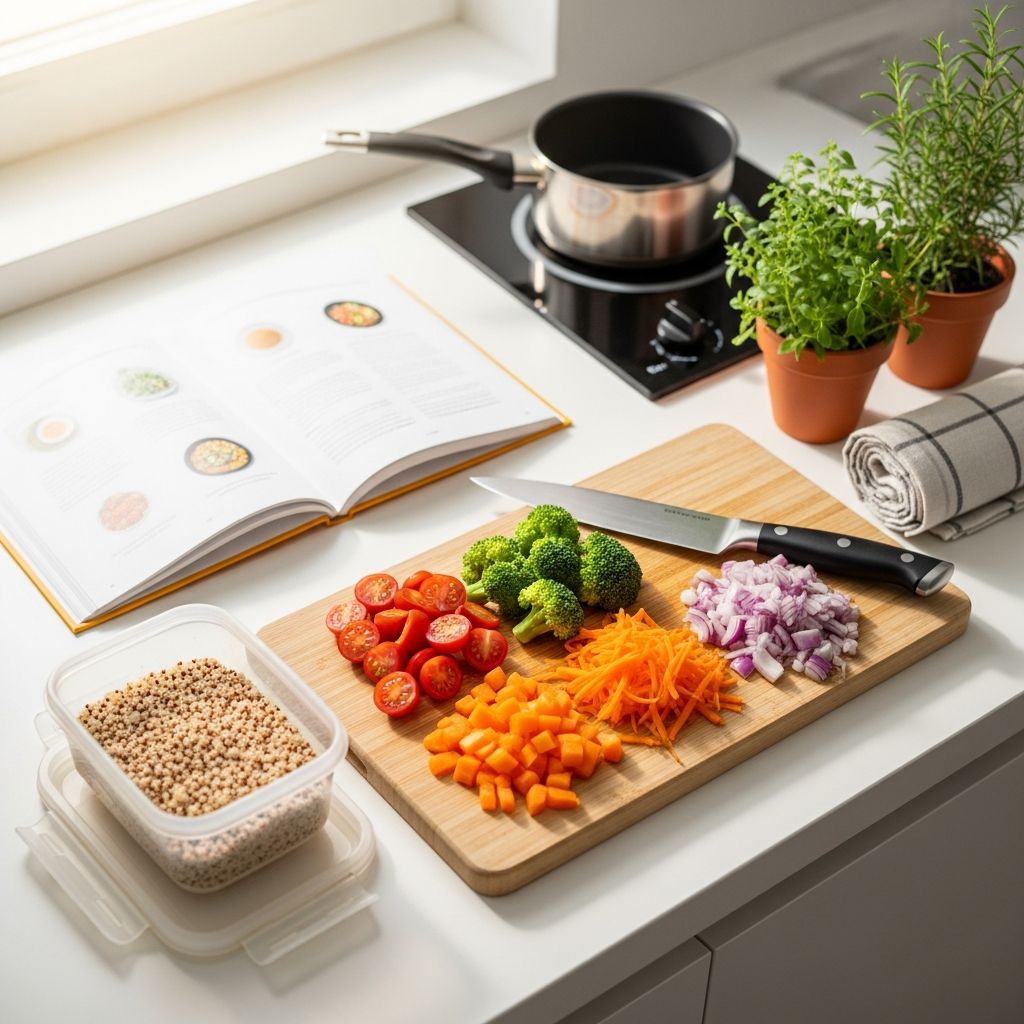
Many solo cooks find success with a Sunday meal prep session. Wash and chop vegetables, cook grains like rice or quinoa, and prepare proteins. Store prepped ingredients separately in containers. Throughout the week, combine these components into different dishes, creating variety while minimizing daily cooking time.
Strategic Advance Cooking
Prepare one or two complete dishes to eat throughout the week. A hearty soup, grain bowl, or stewed dish provides ready-made meals that you can reheat and modify with fresh herbs, vegetables, or condiments for variety.
Techniques for Minimal Food Waste
Food waste is a common frustration for solo cooks. Implementing practical waste-reduction strategies benefits both your wallet and the environment.
Vegetable Scraps and Bones
Save vegetable trimmings, herb stems, and leftover bones in a freezer bag. When the bag is full, combine these scraps with water and simmer for homemade stock—an economical and flavor-packed ingredient for soups and grains.
Repurpose Leftovers Creatively
Yesterday’s roasted vegetables become today’s sandwich filling or grain bowl topping. Cooked proteins transform into salads, wraps, or grain dishes. By viewing leftovers as ingredients rather than “old food,” you approach them with creativity and enthusiasm.
Understand Expiration Dates
Most “sell by” dates indicate peak freshness rather than food safety. Learn which foods remain safe well beyond their labeled dates. For example, eggs typically last three to five weeks past their sell-by date when stored properly, and dairy products often last longer than labeled dates suggest.
Building a Well-Stocked Solo Pantry
A thoughtfully stocked pantry, refrigerator, and freezer enable flexible meal creation without constant shopping trips. Focus on versatile staples that work in multiple cuisines and dishes.
Essential Pantry Items
- Oils and vinegars (olive, sesame, balsamic, rice vinegar)
- Canned beans and lentils
- Rice, pasta, and other grains
- Canned tomatoes and tomato paste
- Nuts and seeds
- Dried herbs and spices
- Low-sodium broth
- Honey and other sweeteners
Freezer Staples for Solo Cooks
- Frozen vegetables (especially pre-chopped options)
- Frozen berries
- Individual portions of cooked proteins
- Homemade soups and stews
- Whole grain bread and tortillas
Nutritional Considerations When Cooking Solo
Cooking for one shouldn’t mean sacrificing nutrition. Solo cooks can achieve balanced, nutrient-dense meals with intentional planning.
Building Balanced Plates
Each meal should include protein, healthy carbohydrates, and plenty of vegetables. A simple formula: fill half your plate with vegetables, one quarter with lean protein, and one quarter with whole grains. This approach ensures nutritional completeness while naturally controlling portions.
Don’t Skip Meals or Nutrients
Solo living might tempt you to skip meals or eat erratically, but consistent, balanced eating improves energy levels, mood, and overall health. Prepare accessible, appealing meals that make healthy eating convenient and enjoyable.
Quick and Easy Meal Ideas for One
These straightforward meal concepts work perfectly for solo cooks and take 30 minutes or less from start to finish.
Sheet Pan Dinners
Combine your choice of protein (chicken, fish, tofu) with vegetables, drizzle with olive oil and seasoning, and roast at 425°F for 20-30 minutes. The simplicity and minimal cleanup make sheet pan meals ideal for solo cooks.
Grain Bowls
Build a bowl with cooked grains, a protein source, roasted or fresh vegetables, and a flavorful sauce. Grain bowls are endlessly customizable and work well for meal prep.
Soups and Stews
Soups offer exceptional versatility and batch-cook beautifully. A single pot can yield multiple servings that freeze individually for convenient future meals.
Breakfast for Dinner
A vegetable-filled frittata, scrambled eggs with toast and fruit, or oatmeal with protein powder creates satisfying, nutritious meals that feel special but require minimal preparation.
Dining Out and Social Eating When Solo
Cooking at home shouldn’t mean never dining out. Balance home cooking with occasional restaurant meals and social eating to maintain an enjoyable relationship with food.
When dining out, practice mindful choices that align with your nutritional goals. Share large portions with companions, or plan to take home leftovers for a future meal. Restaurant meals can be enjoyed without guilt when they’re intentional rather than habitual.
Frequently Asked Questions About Cooking for One
Q: How can I prevent food waste when grocery shopping alone?
A: Focus on buying only what you’ll use within the week, choose versatile ingredients usable in multiple dishes, purchase frozen vegetables and proteins, and shop your pantry before buying new items. Proper storage techniques and batch cooking also significantly reduce waste.
Q: What’s the best strategy for meal planning when living alone?
A: Plan meals just 3-4 days in advance rather than an entire week. Choose 1-2 recipes to batch cook, select flexible ingredients, and keep your freezer stocked with prepped portions. This approach balances structure with flexibility.
Q: Are there budget-friendly ways to eat healthy as a solo cook?
A: Yes! Buy seasonal produce, choose affordable proteins like eggs and beans, purchase store brands, embrace plant-based meals, and minimize food waste through proper storage and creative reuse of leftovers.
Q: How long can I safely store cooked meals in the freezer?
A: Most cooked dishes remain safe in the freezer for up to three months. Properly store meals in airtight containers, label with the date, and maintain a freezer temperature of 0°F or below. Soups and stews freeze particularly well.
Q: What equipment is essential for a solo cook’s kitchen?
A: Focus on versatile, quality pieces: a small slow cooker, mini food processor, cast iron skillet, sheet pan, and glass storage containers. These tools make solo cooking more efficient and enjoyable without overwhelming your kitchen space.
Q: How can I ensure I eat nutritiously when cooking for one?
A: Build balanced plates with protein, whole grains, and vegetables. Prepare accessible meals that make healthy eating convenient. Batch cook nutritious dishes, maintain a well-stocked pantry with wholesome ingredients, and don’t skip meals despite living alone.
References
- Dietary Guidelines for Americans, 2020-2025 — U.S. Department of Agriculture and U.S. Department of Health and Human Services. 2020. https://www.dietaryguidelines.gov
- Food Safety Guidelines: Storage and Handling — U.S. Food and Drug Administration. 2024. https://www.fda.gov/food/foodborne-pathogens/safe-food-handling-keep-food-safe
- Preventing Food Waste at Home — Environmental Protection Agency. 2023. https://www.epa.gov/recycle/reducing-and-managing-food-waste
- Meal Planning and Nutrition: Evidence-Based Recommendations — Academy of Nutrition and Dietetics. 2023. https://www.eatright.org
- Budget-Friendly Healthy Eating Guide — National Institutes of Health, National Heart, Lung, and Blood Institute. 2022. https://www.nhlbi.nih.gov/health/educational/lose_wt/eat_right.htm
Similar Articles








Read full bio of Sneha Tete