Coombs Test: Purpose, Procedure & Results
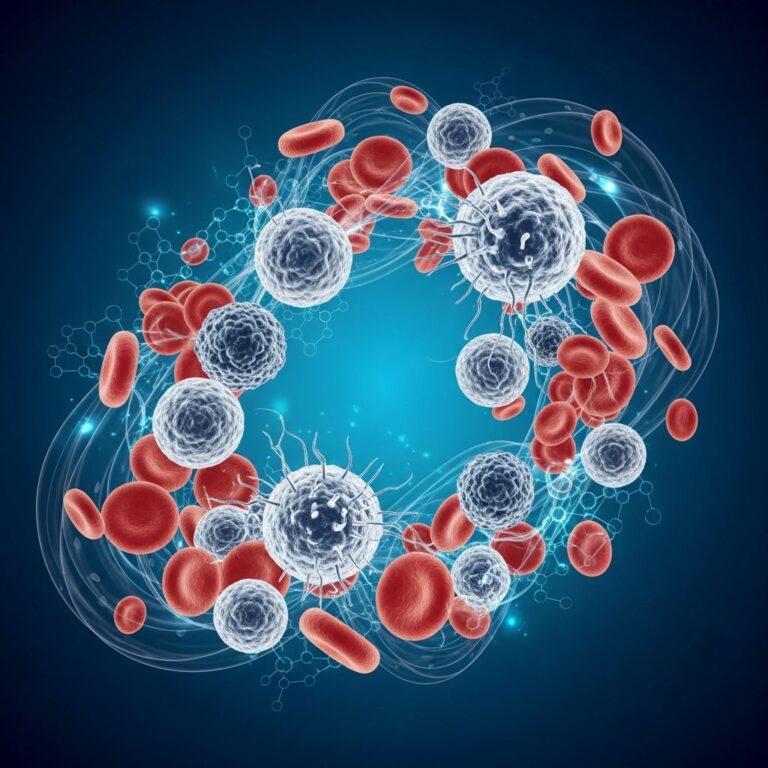
Understanding the Coombs test: Detection of antibodies attacking red blood cells.

What Is a Coombs Test?
The Coombs test, also known as an antiglobulin test (AGT), is a specialized blood test that checks your blood for antibodies that may attack and destroy your red blood cells. This diagnostic tool plays a crucial role in immunohematology and helps healthcare providers identify immune-related conditions affecting your blood. Antibodies are a vital part of your immune system, typically fighting off harmful invaders like bacteria, viruses, and other pathogens to keep you healthy. However, sometimes your immune system makes a mistake and produces antibodies that target your body’s own healthy cells instead. When this occurs with red blood cells, it can lead to serious health complications that require proper diagnosis and treatment.
The Coombs test exists in two main forms: the direct Coombs test and the indirect Coombs test. Each type serves different diagnostic purposes and is used in specific clinical situations. Understanding which test is appropriate depends on the symptoms you’re experiencing and what your healthcare provider suspects might be causing your condition.
Why Is a Coombs Test Performed?
Your healthcare provider may recommend a Coombs test for several important reasons. The test helps identify conditions where your immune system is attacking your red blood cells, which can lead to hemolytic anemia—a condition where red blood cells are destroyed faster than your body can replace them. This results in insufficient red blood cells to carry oxygen throughout your body, causing fatigue, weakness, and other serious symptoms.
Direct Coombs Test Uses
The direct Coombs test is used when immune-mediated hemolytic anemia is suspected. This test detects antibodies that are directly attached to the surface of your red blood cells. Many diseases and medications can cause this to happen. Your healthcare provider may recommend this test if you show signs or symptoms of anemia or jaundice (yellowing of the skin or eyes).
Common clinical situations where the direct Coombs test is performed include:
- Diagnosis of autoimmune hemolytic anemia
- Evaluation of unexplained anemia or jaundice
- Assessment of hemolytic disease of the newborn
- Investigation of transfusion reactions
- Evaluation of drug-induced immune hemolysis
Indirect Coombs Test Uses
The indirect Coombs test, also called the indirect antiglobulin test (IAT), detects antibodies that are floating freely in your blood plasma or serum. These antibodies could potentially react against certain red blood cells. This test is primarily used to prevent adverse reactions before they occur.
The indirect Coombs test is commonly performed for:
- Blood transfusion preparation and compatibility testing
- Prenatal screening of pregnant women for hemolytic disease of the newborn
- Antibody screening and identification
- Red blood cell phenotyping
- Compatibility assessment before blood transfusion
How Does the Coombs Test Work?
The Coombs test procedure involves several key steps that allow laboratory professionals to detect the presence of antibodies on or in your blood. Understanding how this test works helps explain why it’s such a valuable diagnostic tool.
Related Stories



Direct Coombs Test Procedure
To perform a direct Coombs test, your healthcare provider takes a blood sample through venipuncture, which is a simple needle stick into a vein, usually in your arm. The blood sample is then sent to a laboratory or blood bank where trained scientific technical staff perform the test. The laboratory technicians wash the red blood cells, which removes your plasma and any unbound antibodies from the surface of the red blood cells. The washed red blood cells are then incubated with anti-human globulin, commonly called “Coombs reagent.”
If antibodies or complement proteins are attached to your red blood cells, they will react with the Coombs reagent, causing the red blood cells to clump together in a process called agglutination. If clumping is observed under the microscope, the direct Coombs test is positive, indicating that antibodies are present on your red blood cells. If no clumping is seen, the test is negative, suggesting no significant antibodies are attached to your red blood cells.
Indirect Coombs Test Procedure
The indirect Coombs test follows a different protocol. Serum is extracted from your blood sample and incubated with foreign red blood cells of known antigenicity (meaning red blood cells from donors with known blood type characteristics). After incubation, anti-human globulin (Coombs reagent) is added to the mixture. If your serum contains antibodies that react with the foreign red blood cells, agglutination will occur. A positive result indicates that antibodies are present in your blood that could potentially cause problems during a blood transfusion or affect fetal development during pregnancy.
Preparing for Your Coombs Test
One of the advantages of the Coombs test is that minimal preparation is required. You don’t need to fast before the test or make any special arrangements. Your healthcare provider will simply draw a small blood sample from a vein in your arm, typically in the inner crease of your elbow. The blood draw takes only a few minutes and causes minimal discomfort.
Before the test, inform your healthcare provider about any medications you’re taking, as certain drugs can affect test results. It’s also helpful to discuss any symptoms you’ve been experiencing or any previous transfusions you’ve had. This information helps your healthcare provider interpret your test results more accurately.
Understanding Your Coombs Test Results
The Coombs test detects agglutination, or clumping, of red blood cells. Interpreting your results is straightforward, though your healthcare provider will consider your clinical symptoms and medical history when determining the significance of the results.
Negative Coombs Test
A negative Coombs test result means that no clumping of red blood cells was detected during the test. This indicates that either no antibodies were detected, or the amount of antibodies present is insignificant. In most cases, a negative result suggests that your red blood cells are not under immune attack. However, your healthcare provider will correlate this result with your symptoms to ensure an accurate diagnosis.
Positive Coombs Test
A positive Coombs test result indicates that agglutination of red blood cells occurred, meaning antibodies are present. A positive direct Coombs test suggests that an immune mechanism is actively attacking your red blood cells. This mechanism could be due to autoimmunity (where your immune system attacks your own cells), alloimmunity (where your immune system attacks foreign cells, such as from a blood transfusion or pregnancy), or a drug-induced immune-mediated mechanism.
A positive indirect Coombs test suggests that antibodies are present in your blood that could potentially cause a transfusion reaction or, if you’re pregnant, could affect your developing baby.
What Your Results Mean
| Test Type | Negative Result | Positive Result |
|---|---|---|
| Direct Coombs | No antibodies on red blood cell surface; no hemolytic anemia suspected | Antibodies attached to red blood cells; hemolytic anemia or hemolytic disease confirmed |
| Indirect Coombs | No antibodies in blood; safe for transfusion or pregnancy | Antibodies present in blood; transfusion reaction risk or hemolytic disease of newborn risk |
Clinical Applications and Importance
The Coombs test serves multiple critical functions in modern medical practice. While these test results can point your medical team in the right direction, you may need further testing to find the right diagnosis and treatment. Your healthcare provider will use the Coombs test results along with other clinical information to make an accurate diagnosis.
In prenatal care, the indirect Coombs test is used to screen pregnant women for antibodies that may cause hemolytic disease of the newborn, allowing healthcare providers to prepare for potential complications at birth. If your baby is born with jaundice, your healthcare provider will likely perform a direct Coombs test to detect any foreign antibodies that have attached to your newborn’s red blood cells. This early detection allows for prompt treatment and monitoring.
Blood Transfusion Compatibility
One of the most important uses of the Coombs test is in blood transfusion preparation. Before a blood transfusion, the indirect Coombs test screens for antibodies in both the recipient’s and donor’s blood. A blood sample from the recipient and a blood sample from every unit of donor blood are screened for antibodies with the indirect Coombs test. Each sample is incubated against a wide range of red blood cells that together exhibit a full range of surface antigens. This thorough screening process helps prevent dangerous transfusion reactions.
When Further Testing May Be Needed
The Coombs test is often the starting point for diagnosis, but additional testing may be necessary to identify the underlying cause of your condition. If your Coombs test results are positive, your healthcare provider may recommend:
- Complete blood count (CBC) to assess your red blood cell levels
- Reticulocyte count to measure immature red blood cells
- Bilirubin levels to evaluate liver function and hemolysis
- Lactate dehydrogenase (LDH) levels to assess cell damage
- Haptoglobin levels to confirm hemolysis
- Antibody identification testing to determine the specific antibodies present
- Blood culture to rule out infection
Frequently Asked Questions
Q: Is the Coombs test painful?
A: No, the Coombs test involves only a simple blood draw, similar to any routine blood test. You may feel minimal discomfort when the needle is inserted, but the procedure takes just a few minutes.
Q: Can certain medications affect my Coombs test results?
A: Yes, some medications can cause a positive Coombs test. These include certain antibiotics, antimalarial drugs, NSAIDs, and other medications. Inform your healthcare provider about all medications you’re taking before the test.
Q: How long does it take to get Coombs test results?
A: Results are typically available within 24 hours, though some laboratories may provide results the same day depending on their workload and equipment.
Q: What does a weakly positive Coombs test mean?
A: A weakly positive result indicates that some antibodies are present but in lower quantities. Your healthcare provider will interpret this result in the context of your symptoms and medical history to determine its clinical significance.
Q: Can the Coombs test be performed on newborns?
A: Yes, the direct Coombs test is commonly performed on newborns with jaundice to detect hemolytic disease of the newborn caused by maternal antibodies.
Q: Is fasting required before a Coombs test?
A: No, fasting is not necessary before a Coombs test. You can eat and drink normally before your blood draw.
References
- Coombs test — Wikipedia. Updated 2024. https://en.wikipedia.org/wiki/Coombs_test
- Coombs Test: Purpose, Procedure & Results — Cleveland Clinic. https://my.clevelandclinic.org/health/diagnostics/22978-coombs-test
- Coombs Test: Purpose, Procedure, and Results — Healthline. https://www.healthline.com/health/coombs-test
- Coombs test Information — Mount Sinai. https://www.mountsinai.org/health-library/tests/coombs-test
- The Coombs’ Test — Stanford Medicine Newborn Nursery. https://med.stanford.edu/newborns/professional-education/jaundice-and-phototherapy/the-coombs–test.html
- Coombs Test: Purpose, Procedure, and Results Explained — WebMD. https://www.webmd.com/a-to-z-guides/antibody-coombs-test
- Coombs test – UCSF Health — UCSF Health. https://www.ucsfhealth.org/medical-tests/coombs-test
Similar Articles








Read full bio of Sneha Tete