COPD Exacerbations: Essential Guide To Signs, Care, Prevention
Learn to identify, manage, and prevent COPD flare-ups to improve daily breathing and reduce hospital risks effectively.
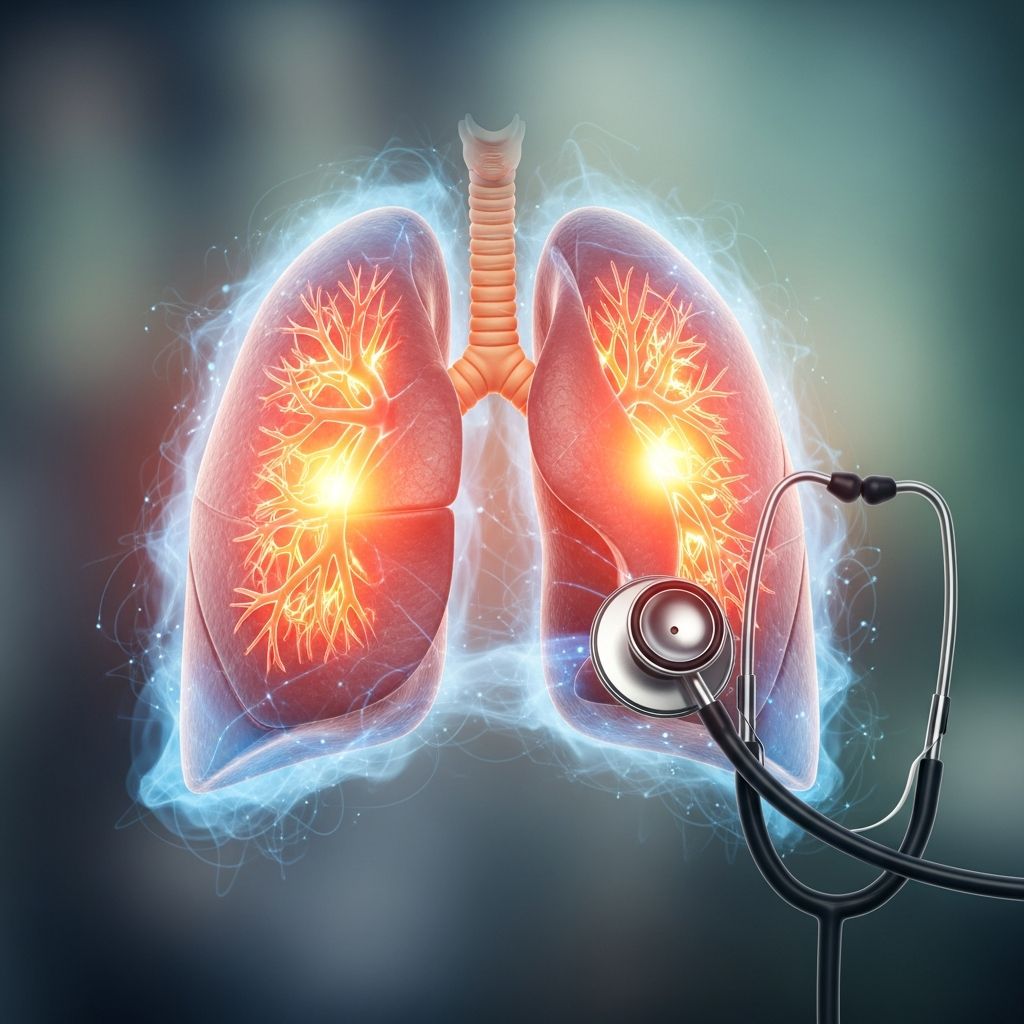
Chronic Obstructive Pulmonary Disease (COPD) involves persistent breathing challenges, but exacerbations—sudden intensifications of symptoms—pose the greatest risks. These episodes, lasting several days, demand prompt recognition and action to avert severe outcomes like hospitalization.
Defining COPD Exacerbations
A COPD exacerbation represents a sharp decline in respiratory function beyond everyday symptoms. Patients often experience heightened breathlessness, increased mucus production, and fatigue that disrupts normal routines. Unlike stable COPD phases, these flare-ups stem from airway inflammation, narrowing, and mucus buildup, frequently triggered by external factors.
World Health Organization data highlights that flare-ups accelerate lung damage, emphasizing early intervention’s role in preserving long-term health. Developing a personalized action plan with healthcare providers proves crucial for navigating these events effectively.
Early Indicators to Watch For
Distinguishing routine COPD symptoms from an impending exacerbation hinges on monitoring subtle shifts. Common early signals include:
- Increased shortness of breath during light activities
- Persistent wheezing or noisy respiration
- A surge in cough frequency, often with altered mucus volume or hue
- Persistent fatigue lasting over 24 hours
- Challenges achieving restful sleep
These signs typically persist for two or more days, differing from transient discomforts. Mucus changes—thicker consistency, green or tan discoloration—signal potential infection, warranting immediate attention.
Severe Warning Signs Requiring Urgent Care
Some exacerbations escalate rapidly, necessitating emergency response. Critical indicators encompass:
- Bluish tint on lips, fingernails, or skin
- Inability to complete full sentences due to breathlessness
- Chest pain or pressure
- Confusion, drowsiness, or disorientation
- Swelling in ankles or legs
- Fever alongside dark or bloody mucus
Leaning forward to breathe or engaging accessory muscles signals distress; contact emergency services promptly.
Primary Triggers Behind Flare-Ups
Understanding catalysts empowers prevention. Respiratory infections top the list, with viruses or bacteria inflaming airways. Environmental irritants follow closely:
| Category | Examples | Impact |
|---|---|---|
| Air Quality | Smog, smoke, fumes | Airway irritation and constriction |
| Weather | Cold air, humidity, storms | Temperature shifts provoke bronchospasm |
| Allergens | Pollen, dust | Inflammatory response |
| Lifestyle | Overexertion, stress | Reduced lung reserve |
Secondhand smoke and strong odors exacerbate vulnerability, while seasonal changes amplify risks.
Immediate Self-Care Strategies
Many mild exacerbations respond to home measures. Follow your action plan:
- Rest and Positioning: Sit upright, use pursed-lip breathing to ease air trapping.
- Medications: Administer bronchodilators or steroids as prescribed; nebulizers aid severe cases.
- Hydration: Drink fluids to thin mucus.
- Oxygen: Increase if monitored, per guidelines.
Avoid triggers and monitor symptoms hourly. Improvement within 48 hours indicates success; persistence demands professional evaluation.
Medical Interventions for Persistent Episodes
Moderate to severe flare-ups require clinical oversight. Providers may prescribe:
- Antibiotics for bacterial infections
- Oral or intravenous corticosteroids to curb inflammation
- Enhanced inhalers or non-invasive ventilation
- Hospital admission for oxygen therapy or monitoring
Recovery spans weeks, with lingering effects on exercise capacity. Post-exacerbation pulmonary rehabilitation restores function.
Proven Prevention Techniques
Minimizing flare-ups enhances life quality. Key strategies include:
- Vaccinations: Annual flu shots, pneumococcal vaccines, COVID-19 boosters reduce infection risks.
- Smoking Cessation: Quitting halves exacerbation frequency.
- Air Protection: Masks in polluted areas, air purifiers indoors.
- Exercise: Pulmonary rehab builds endurance.
- Daily Monitoring: Track peak flow or symptoms via apps.
Related Stories



The American Lung Association stresses hand hygiene and crowd avoidance during flu season.
Crafting Your Personalized Action Plan
A COPD action plan outlines responses across green (stable), yellow (worsening), and red (emergency) zones. Include medications, contacts, and triggers. Review annually or post-flare-up with your pulmonologist.
Sample Plan Table:
| Zone | Symptoms | Actions |
|---|---|---|
| Green | Usual symptoms | Maintenance meds, routine care |
| Yellow | Increased dyspnea, mucus change | Rescue inhaler, rest, call doctor |
| Red | Blue lips, confusion | Emergency services immediately |
Long-Term Effects and Recovery
Frequent exacerbations hasten COPD progression, raising mortality risks. Each event erodes lung tissue, prolonging recovery. Post-flare nutrition—high-protein diets—and gentle mobility aid rebound. Mental health support addresses anxiety, common during episodes.
Frequently Asked Questions (FAQs)
How long does a COPD exacerbation last?
Typically 3-10 days with treatment, though full recovery may take weeks.
Can I prevent all flare-ups?
Not entirely, but lifestyle changes and vaccines reduce frequency by up to 50%.
What role does oxygen play?
Supplemental oxygen stabilizes levels during acute phases, preventing organ strain.
Is every cough a flare-up sign?
No; monitor for persistence and mucus changes to differentiate.
How does weather affect COPD?
Cold triggers constriction; humidity thickens mucus.
Empowering Daily Lung Health
Proactive management transforms COPD from a barrier to a manageable condition. Regular check-ups, adherence to therapy, and awareness equip individuals to thrive despite challenges.
References
- COPD Flare-Ups — University of Florida Health. 2023. https://ufhealth.org/care-sheets/copd-flare-ups
- COPD Flare-Ups: Symptoms, Causes, Treatments, Prevention — WebMD. 2024. https://www.webmd.com/lung/copd/what-is-a-copd-flare-up
- Prevent a COPD Exacerbation or Flare Up — American Lung Association. 2024. https://www.lung.org/lung-health-diseases/lung-disease-lookup/copd/living-with-copd/prevent-flare-ups
- Chronic obstructive pulmonary disease (COPD) — World Health Organization. 2023-11-21. https://www.who.int/news-room/fact-sheets/detail/chronic-obstructive-pulmonary-disease-(copd)
- What is a COPD Exacerbation? — COPD.com. 2024. https://www.copd.com/copd-progression/copd-exacerbations/
- Exacerbation of COPD — American Thoracic Society. 2023. https://site.thoracic.org/advocacy-patients/patient-resources/exacerbation-of-copd
Similar Articles








Read full bio of medha deb