Coping with Grief After Losing a Loved One to Lung Cancer
Navigating the painful journey of grief after lung cancer takes a loved one, with expert advice on stages, emotions, and finding support.
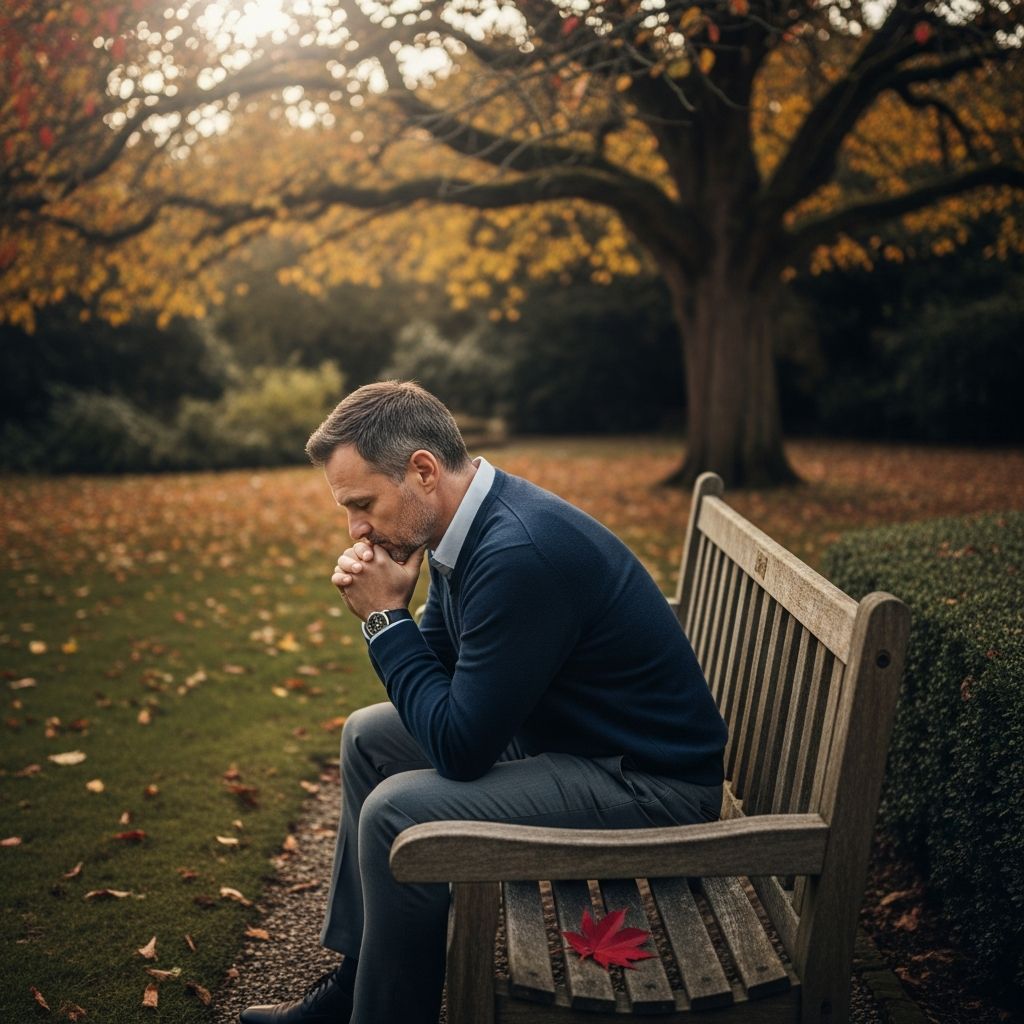
Grieving the death of a loved one from lung cancer is an intensely painful experience marked by shock, sadness, anger, and guilt. This process often begins at diagnosis and can last years as you adjust to life without them.
Lung cancer not only robs families of their loved ones but also of the person’s former self, independence, and shared future. Caregivers may suppress emotions during illness to stay strong, delaying full grief until after death. This anticipatory grief compounds the trauma, making healing challenging.
The Stages of Grief
Grief does not follow a linear path; it ebbs and flows with stages like denial, anger, bargaining, depression, and acceptance. For lung cancer bereaved, these intensify due to witnessing prolonged suffering and personality changes.
Shock and Sadness
The journey often starts with diagnosis shock, leading to numbness as families manage appointments, treatments, and care. Joanne, whose partner George died from lung cancer, experienced anticipatory grief, knowing recovery was unlikely. “It was impossible to prepare for the grieving process,” she shared.
This numbness protects against overwhelm but delays emotional processing. Sadness hits when reality sinks in, bringing tears and disbelief that can persist through the illness.
Anger and Guilt
Anger emerges post-initial sadness, directed at the disease, medical system, or self. Joanne felt she could have done more for George, compounded by family disputes excluding her from funeral plans. “I wasn’t kept in the loop… I don’t have anywhere to go and lay flowers,” she said.
Guilt is common among caregivers who question decisions amid the patient’s decline. Family conflicts exacerbate this, hindering peaceful closure. Anger management, counseling, and antidepressants helped Joanne after 18 months.
Expert Murray emphasizes patience: “There’s no right or wrong way to grieve, but healthy coping acknowledges pain, allowing self-awareness and acceptance to emerge.”
Finding Support
Seeking help is crucial as grief overwhelms. Talk to trusted people; don’t suppress tears or feelings. Time and support are key healers.
- Contact Marie Curie support line: 0800 090 2309 for information and emotional aid.
- See your GP for grief struggles; they may refer to counseling.
- Cruse Bereavement Support offers a volunteer-led helpline for trained counseling.
- Join support groups to share with others who’ve lost to lung cancer.
- Consider therapists experienced in bereavement or cancer loss.
Practical steps include eating well, resting, exercising, and journaling feelings. Clear the loved one’s belongings sooner with help to avoid prolonged pain.
Healthy Coping Strategies
Beyond professional support, self-care rebuilds strength. Acknowledge emotions as normal; they evolve over time.
- Be kind to yourself: Grief hurts and takes time; crying and confusion are valid.
- Connect socially: Turn to friends/family, though some may feel awkward—persist gently.
- Practice mindfulness: Meditation, yoga, or body scans reduce stress and boost focus.
- Engage hobbies: Reading, art, music, or walks bring joy and distraction.
- Deep breathing: Eases anxiety, especially if shortness of breath lingers from caregiving stress.
- Write letters: To your lost loved one or self for emotional release.
- Spiritual practices: Prayer or faith communities provide comfort if applicable.
Related Stories



Physical health supports emotional: Prioritize nutrition, sleep, and gentle exercise like walking with lung conditions in mind.
Anticipatory Grief and Caregiver Burden
Grief begins at diagnosis as patients lose independence and families assume care roles. “People think they need to be strong… leaving little time for their own emotions,” Murray notes. Post-diagnosis changes—personality shifts, frailty—traumatize loved ones, fueling later anger.
Caregivers grieve multiple losses: the healthy person, shared dreams, and their own freedom. This “disenfranchised grief” feels invalidated, prolonging recovery.
Long-Term Healing
Healing unfolds gradually; Joanne took 18 months to seek proper support and resume socializing. Patience allows natural unfolding.
Expect setbacks—”trigger” dates like anniversaries intensify pain. Build routines: volunteer, pursue goals, or honor the loved one through memorials.
| Trigger | Description | Coping Strategy |
|---|---|---|
| Anniversaries | Diagnosis, death, or birthday dates | Plan meaningful rituals; share memories with supporters |
| Holidays | Family events without the loved one | Create new traditions; start small gatherings |
| Objects/Places | Belongings or shared locations | Box items temporarily; visit with a companion |
| Health Scares | Own symptoms mimicking lung cancer | Consult GP; practice grounding breaths |
Frequently Asked Questions (FAQs)
Does grief have stages, and must I follow them in order?
No, the five stages—denial, anger, bargaining, depression, acceptance—are not linear. You may cycle through them irregularly.
How long does grief last after lung cancer loss?
It varies; months to years. Acute grief eases, but waves persist. Seek help if it impairs daily life beyond a year.
Is anger normal in lung cancer bereavement?
Yes, often aimed at the disease or self. Counseling helps channel it healthily.
What if family conflicts complicate my grief?
Common; prioritize your healing. Professional mediation or support groups validate your experience.
Can I grieve before my loved one dies?
Yes, anticipatory grief starts at diagnosis amid visible decline.
When should I seek professional grief support?
If sadness persists, sleep/eating disrupts, or suicidal thoughts arise—contact GP or helplines immediately.
This guide empowers navigating lung cancer grief. Remember, honoring your pain leads to renewed purpose.
References
- Coping with grief after losing a loved one to lung cancer — Patient.info. 2023. https://patient.info/features/cancer/coping-with-grief-after-losing-a-loved-one-to-lung-cancer
- Processing your diagnosis through the stages of grief — Lung Foundation Australia. 2024. https://lungfoundation.com.au/articles/processing-your-diagnosis-through-the-stages-of-grief/
- Coping with grief — Cancer Research UK. 2025-01-10. https://www.cancerresearchuk.org/about-cancer/coping/dying-with-cancer/after-someone-dies/coping-with-grief
- Coping with Emotions When You Have Lung Cancer — American Lung Association. 2024. https://www.lung.org/lung-health-diseases/lung-disease-lookup/lung-cancer/living-with-lung-cancer/coping-with-emotions
- Your feelings when someone has cancer — Macmillan Cancer Support. 2024. https://www.macmillan.org.uk/cancer-information-and-support/supporting-someone/emotional-support-for-family-and-friends/your-feelings-when-someone-has-cancer
Similar Articles








Read full bio of medha deb