Copper IUD Side Effects: 5 Common Issues And What To Expect
Comprehensive guide to copper IUD side effects, from common symptoms to serious complications.
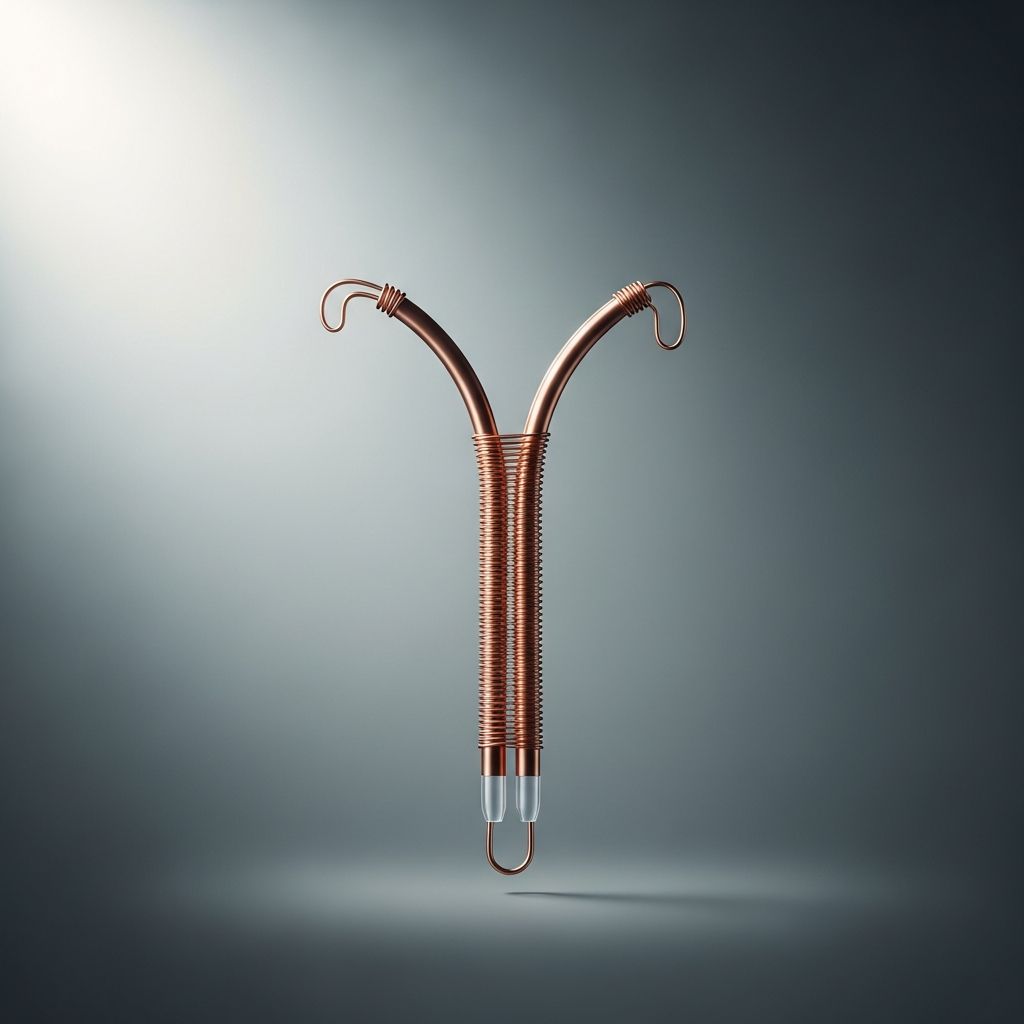
Copper IUD Side Effects: What to Know
The copper intrauterine device (IUD), commonly known by the brand name Paragard, is a popular form of long-acting reversible contraception that offers effective pregnancy prevention without hormones. However, like all medical devices, copper IUDs can cause side effects in some users. Understanding these potential effects is crucial for anyone considering this birth control method. This comprehensive guide explores the most common and serious side effects associated with copper IUDs, how they change over time, and what steps you can take to manage them effectively.
How Copper IUDs Work and Why They Cause Side Effects
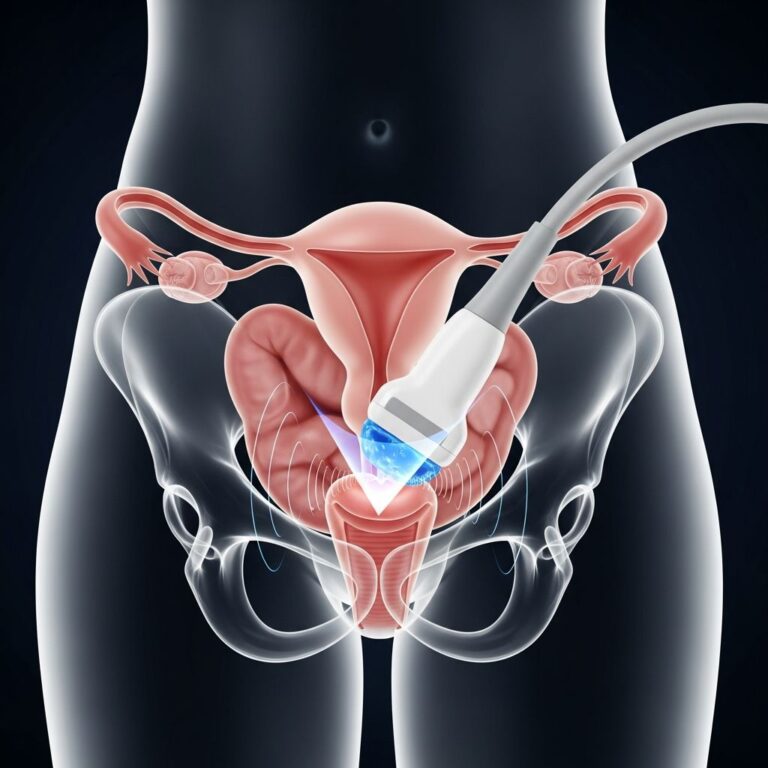
Copper IUDs function by releasing small amounts of copper ions into the reproductive tract, which creates an inflammatory response that prevents pregnancy. This mechanism of action, while highly effective for contraception, is directly responsible for many of the side effects users experience. Research from Seattle Children’s Research Institute found that the ionic copper released by the IUD may selectively reduce the growth of healthy vaginal bacteria, which can enable inflammatory bacteria to increase abundantly, resulting in the body producing inflammatory proteins. This process explains why copper IUDs have a different side effect profile compared to hormonal contraceptive options.
Common Copper IUD Side Effects
Many copper IUD users experience side effects, particularly during the first few months after insertion. The most frequently reported side effects include:
- Heavy or prolonged menstrual bleeding: Increased menstrual blood flow is one of the most common complaints among copper IUD users. Studies show that copper IUDs can increase menstrual blood loss by approximately 50% over pre-insertion levels, and this increase typically remains constant during at least the first 12 months of use.
- Increased menstrual cramping: Many users report more severe menstrual cramps than they experienced before IUD insertion.
- Intermenstrual spotting: Breakthrough bleeding or spotting between periods is commonly reported, particularly in the first six months of use.
- Back pain: Some users experience increased back pain, though this is typically mild.
- Pain during insertion: The insertion procedure itself can cause acute pain, pressure, nausea, vomiting, dizziness, and fainting, though these symptoms usually subside within a few hours.
Do Side Effects Improve Over Time?
A significant question for potential copper IUD users is whether side effects diminish with continued use. Research provides encouraging but nuanced answers. During menstrual periods, most bleeding and pain side effects show a tendency to decrease over time, according to studies tracking 1,947 first-time copper IUD users over a 12-month period. However, during intermenstrual intervals, overall spotting and pain complaints tend to remain relatively unchanged, though the number of days experiencing these problems may increase.
A large study conducted in India involving 2,700 copper IUD users found that complaints of abdominal pain and bleeding decreased over a 24-month period. Additionally, in a study of 609 users of the TCu380A model (a common copper IUD), participants reported their experiences over 12 months: 60% reported increases in menstrual flow and 50% reported increases in bleeding days, while 63% to 85% reported no changes or decreases in other menstrual events.
Despite these improvements, it’s important to note that increased bleeding and pain remain significant concerns, causing up to 15% of users to have the device removed within the first year. Many medical professionals recommend allowing 3 to 6 months for initial side effects to improve before making a final decision about continuing use.
Serious Copper IUD Complications
While most side effects are manageable and common, copper IUDs can rarely cause serious complications that require immediate medical attention. Understanding these potential risks helps users recognize warning signs and seek prompt care when necessary.
IUD Perforation
Uterine perforation occurs when the IUD penetrates or becomes embedded in the uterine wall. This is a rare but serious complication that may require surgical removal. Symptoms can include unexplained vaginal bleeding and abdominal pain. Women experiencing these symptoms should contact their healthcare provider immediately.
Related Stories



Pelvic Inflammatory Disease (PID)
PID is a serious infection of the female reproductive organs. While it is rare in IUD users, it remains a potential complication. Symptoms include severe pelvic pain, fever, unusual vaginal discharge, and painful intercourse. Prompt antibiotic treatment is essential if PID is suspected.
Sepsis
Sepsis is a severe response to infection that can lead to serious complications and, in rare cases, death. Symptoms include increased heart rate, fever, rapid breathing, and confusion. This is a medical emergency requiring immediate hospitalization.
Ectopic Pregnancy
Although copper IUDs are highly effective at preventing pregnancy, they do not prevent ectopic pregnancies (where a fertilized egg implants outside the uterus) as reliably as intrauterine pregnancies. Any signs of pregnancy in IUD users should be evaluated immediately by a healthcare provider.
Vaginal Bacterial Changes and Inflammation
Research demonstrates that copper IUDs negatively affect the vaginal microbiome and increase inflammation compared to hormonal contraceptive options. These changes in vaginal bacteria and the inflammatory response may adversely impact sexual and reproductive health. The microbiome changes occur because the ionic copper released by the IUD may selectively reduce healthy bacteria growth, allowing inflammatory bacteria to proliferate.
Copper Toxicity and Allergies
One potential but rare serious side effect is copper toxicity, a buildup of copper in the body that can be harmful. Symptoms include headache, vomiting, and diarrhea. Dark stool, blood in vomit, and abdominal pain are also possible indicators. Copper toxicity from Paragard is uncommon, but it is more likely to occur in individuals with Wilson disease, a rare genetic condition that causes copper to accumulate in the body. People with Wilson disease should not use copper IUDs.
Additionally, individuals with a copper allergy should not use copper IUDs. If you have had an allergic reaction to copper or any ingredients in the device, your doctor will likely not prescribe this form of contraception and will discuss alternative options.
Potential Health Benefits of Copper IUDs
Beyond contraception, copper IUDs may offer additional health benefits. Research suggests that copper IUDs may decrease your risk of endometrial cancer and possibly cervical cancer. These potential protective effects represent an additional consideration when evaluating the overall risk-benefit profile of copper IUD use.
Managing Copper IUD Side Effects
If you choose to use a copper IUD, several strategies can help manage side effects:
- Pain management: Over-the-counter nonsteroidal anti-inflammatory drugs (NSAIDs) such as ibuprofen can help reduce cramping and menstrual pain.
- Patience during adjustment: Allow 3 to 6 months for your body to adjust, as many side effects naturally improve during this period.
- Tracking symptoms: Keep a detailed record of your symptoms to identify patterns and discuss them with your healthcare provider.
- Regular check-ins: Schedule follow-up appointments with your provider to ensure proper IUD placement and discuss any concerning symptoms.
- Lifestyle adjustments: Some users find that dietary changes, increased water intake, and regular exercise help manage symptoms.
When to Contact Your Healthcare Provider
Seek immediate medical attention if you experience:
- Severe abdominal or pelvic pain
- Heavy vaginal bleeding that soaks through one or more pads per hour
- Signs of infection, including fever or chills
- Unusual vaginal discharge or odor
- Signs of ectopic pregnancy, including sharp pain on one side of the abdomen
- Unable to feel the IUD strings or feeling the device itself in the cervix
- Symptoms of copper toxicity, including persistent headache, vomiting, or dark stool
Copper IUD vs. Hormonal Alternatives
The side effect profile of copper IUDs differs significantly from hormonal birth control options. Hormonal IUDs such as Mirena may cause different side effects, including hormonal changes, mood alterations, or acne. Some users prefer the hormone-free nature of copper IUDs, while others find that hormonal options better suit their needs and produce fewer or more manageable side effects. Personal medical history, lifestyle, and individual tolerance for different side effects should guide this important decision in consultation with a healthcare provider.
Who Should Not Use a Copper IUD
Certain individuals should not use copper IUDs. Contraindications include:
- Allergy or hypersensitivity to copper
- Wilson disease or other copper metabolism disorders
- Current or recent pelvic infection or sexually transmitted infection
- Abnormal uterine anatomy that would prevent proper placement
- Suspected or confirmed pregnancy
- Certain immunocompromised conditions
Frequently Asked Questions
Q: How long does it take for copper IUD side effects to improve?
A: Most side effects tend to improve within 3 to 6 months of insertion, though some users experience ongoing bleeding and cramping throughout use. Menstrual bleeding typically shows the most improvement over time, while some intermenstrual spotting may persist.
Q: Is copper toxicity a common side effect?
A: No, copper toxicity from copper IUDs is rare. It is more likely to occur in individuals with Wilson disease, a rare genetic condition. Most people using copper IUDs do not experience copper toxicity.
Q: Can heavy bleeding from a copper IUD be managed?
A: Yes, over-the-counter NSAIDs like ibuprofen can help reduce menstrual pain and bleeding. Additionally, allowing time for adjustment and discussing options with your healthcare provider may help identify other management strategies.
Q: Does the copper IUD affect vaginal health?
A: Research shows that copper IUDs can cause changes in vaginal bacteria and increase inflammation compared to hormonal birth control options. These changes occur because ionic copper may reduce healthy bacteria growth, allowing inflammatory bacteria to increase. This may impact sexual and reproductive health in some users.
Q: What is the difference between serious complications and common side effects?
A: Common side effects like heavy bleeding and cramping affect many users but are typically manageable. Serious complications such as perforation, infection, or sepsis are rare but require immediate medical attention. Most copper IUD users experience only common side effects.
Q: Can copper IUD side effects mean I should remove the device?
A: Not necessarily. Many users experience improvement after 3 to 6 months. However, if side effects significantly impact your quality of life or if you develop serious symptoms, you should discuss removal options with your healthcare provider. About 15% of users have the device removed within the first year due to side effects.
References
- Copper Intrauterine Device Affects Vaginal Bacteria and Inflammation — Seattle Children’s Research Institute. https://www.seattlechildrens.org/research/featured-research/copper-iud-vaginal-bacteria-inflammation/
- Side effects from the copper IUD: do they decrease over time? — National Center for Biotechnology Information (NCBI). https://pmc.ncbi.nlm.nih.gov/articles/PMC2702765/
- 10 Paragard (Copper IUD) Side Effects You Should Know About — GoodRx. https://www.goodrx.com/paragard/paragard-side-effects
- IUD Side Effects and How to Handle Them — Healthline. https://www.healthline.com/health/birth-control/iud-side-effects
- Paragard’s Side Effects: What to Know — Healthgrades Health Library. https://resources.healthgrades.com/drugs/paragard-side-effects
Similar Articles








Read full bio of medha deb