Should You Take Copper and Zinc Supplements Together?
Discover if taking copper and zinc supplements together is safe, the ideal ratio, benefits, risks, and expert advice for optimal mineral balance.
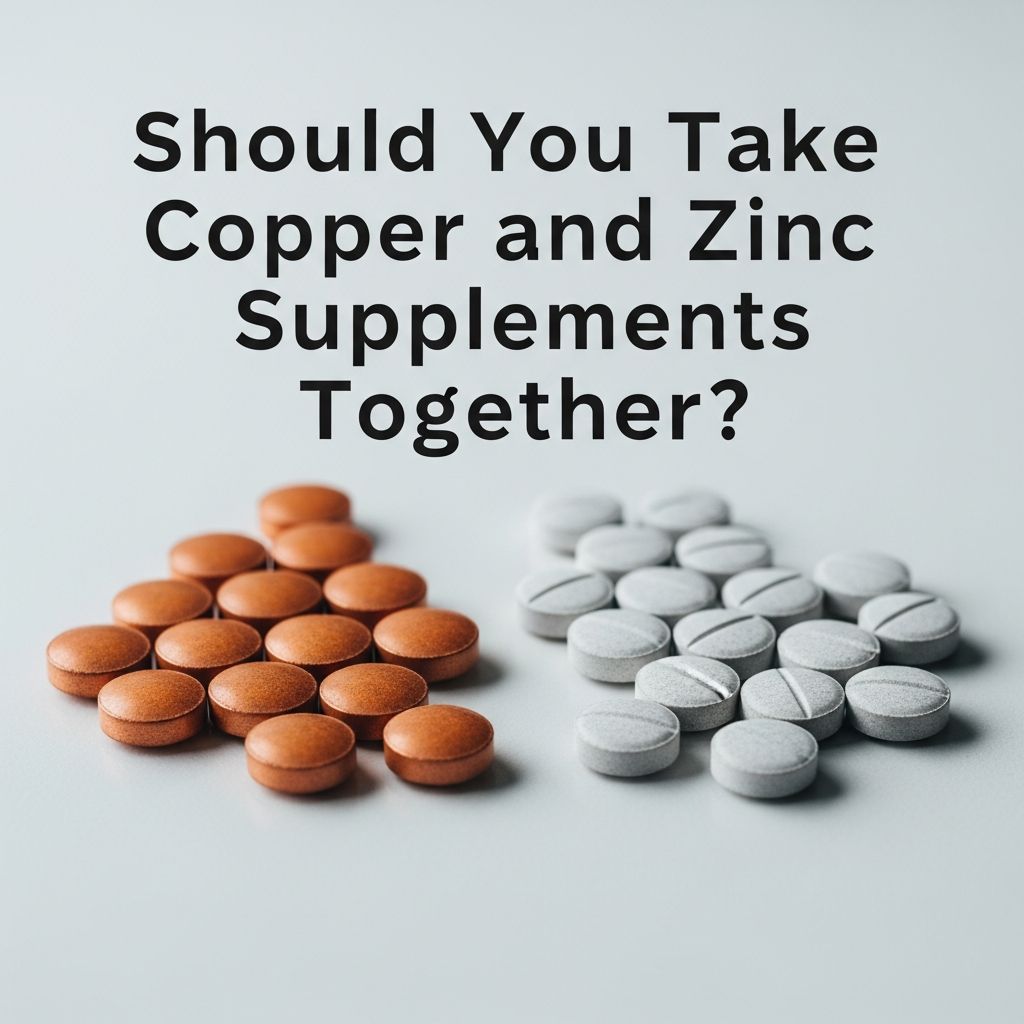
Copper and zinc are essential trace minerals critical for immune function, energy production, and overall health, but taking them together requires careful consideration due to their competitive absorption in the gut.
High doses of zinc can inhibit copper absorption, potentially leading to deficiency symptoms like anemia and fatigue, while balanced intake supports antioxidant defense and enzyme function. Experts recommend a zinc-to-copper ratio of 10:1 to 15:1 for long-term supplementation to prevent imbalances.
What Is Copper?
Copper is a vital trace mineral involved in numerous enzymatic processes, including the formation of red blood cells, connective tissue maintenance, and antioxidant protection through enzymes like superoxide dismutase.
It supports energy production in mitochondria, cardiovascular health, and iron metabolism by aiding in hemoglobin synthesis. The recommended dietary allowance (RDA) for adults is 900 micrograms per day, primarily obtained from foods like shellfish, nuts, seeds, and organ meats.
Deficiency, though rare, can manifest as fatigue, weakened immunity, and neurological issues, often exacerbated by excessive zinc intake which competes for intestinal transporters.
What Is Zinc?
Zinc is an essential mineral renowned for its role in over 300 enzymes, supporting immune cell development, wound healing, DNA synthesis, and protein structure.
It acts as an antioxidant, bolstering defenses against oxidative stress, and is crucial for taste/smell senses, reproductive health, and skin integrity. The RDA is 11 mg for men and 8 mg for women, with upper limits at 40 mg to avoid adverse effects.
Common in oysters, beef, pumpkin seeds, and legumes, zinc deficiency affects growth, immunity, and cognition, particularly in vegetarians or those with gut disorders.
Benefits of Copper
- Antioxidant Support: Copper-zinc superoxide dismutase neutralizes free radicals, reducing cellular damage and inflammation.
- Cardiovascular Health: Aids in collagen/elastin formation for blood vessel integrity and regulates blood pressure via nitric oxide synthase.
- Iron Metabolism: Essential for ceruloplasmin, which oxidizes iron for transport, preventing anemia.
- Energy Production: Cytochrome c oxidase in mitochondria relies on copper for ATP generation.
- Brain Function: Supports neurotransmitter synthesis and myelin formation for nerve health.
Benefits of Zinc
- Immune Boost: Enhances T-cell function and antibody production, shortening cold duration.
- Wound Healing: Promotes cell division and collagen synthesis for faster tissue repair.
- Skin Health: Reduces acne and eczema inflammation via anti-microbial properties.
- Reproductive Health: Critical for testosterone production and sperm quality in men.
- Cognitive Support: Involved in memory formation and hippocampal function.
Can You Take Zinc and Copper Together?
Yes, but balance is key. Zinc and copper compete for absorption via metallothionein transporters in the intestines; excess zinc (over 50 mg daily) induces metallothionein, binding copper and causing depletion.
Studies show 50 mg zinc for 10+ weeks lowers blood copper, leading to anemia and neutropenia. However, moderate doses with proper ratios prevent issues, and many multivitamins include both. Copper does not significantly block zinc.
Safe Dosage and Optimal Ratio
Maintain a
10:1 to 15:1 zinc-to-copper ratio
for long-term use. For 30 mg zinc, pair with 2-3 mg copper.| Mineral | RDA (Adults) | Supplement Upper Limit | Ideal Ratio Example |
|---|---|---|---|
| Zinc | 8-11 mg | 40 mg | 10-15 mg : 1 mg Cu |
| Copper | 0.9 mg | 10 mg | Balanced in multis |
Avoid >50 mg zinc without copper; take with food to minimize nausea.
Signs of Copper Deficiency
- Fatigue and Weakness: Impaired energy production and anemia.
- Anemia: Low hemoglobin due to poor iron utilization.
- Neutropenia: Reduced white blood cells, increasing infection risk.
- Hair/Skin Changes: Brittle hair, depigmentation, or easy bruising.
- Neurological Issues: Numbness, poor coordination from demyelination.
At-risk groups: high-dose zinc users, malabsorption patients (e.g., celiac), infants on formula.
Should You Take a Copper Supplement?
Not usually necessary if diet provides adequate copper (e.g., liver, chocolate, nuts). Opt for balanced multis or zinc-copper combos instead of standalone copper, which risks excess.
Consult a doctor for testing if supplementing long-term, especially with high zinc.
Who Should Be Cautious Taking Zinc?
- Long-term high-dose users (>40 mg/day).
- Those with low copper diets (vegans).
- Wilson’s disease patients (copper overload risk).
- Pregnant/lactating women.
- Individuals with gut issues impairing absorption.
Dietary Sources
Copper-Rich Foods
- Liver (12 mg/100g)
- Oysters (4 mg/100g)
- Cashews, sesame seeds
- Dark chocolate, lentils
Zinc-Rich Foods
- Oysters (74 mg/100g)
- Beef, crab
- Pumpkin seeds, chickpeas
- Yogurt, fortified cereals
Expert Tips
- Choose chelated forms (e.g., zinc monomethionine) for better absorption.
- Space high-mineral supps from iron/calcium.
- Test levels via bloodwork before/after long-term use.
- Pair with vitamin C for enhanced uptake, avoid phytates.
Frequently Asked Questions
How much zinc and copper should I take daily?
RDA: 8-11 mg zinc, 0.9 mg copper. Supplements: 15-30 mg zinc with 2 mg copper (10:1 ratio).
Does zinc deplete copper?
Yes, doses >50 mg/day long-term induce metallothionein, blocking copper absorption.
Can I take zinc and copper at the same time?
Yes, in balanced formulas; take with food.
What are symptoms of too much zinc?
Nausea, cramps, copper deficiency signs like anemia.
Is copper in multivitamins enough?
Often yes, most include balanced amounts.
References
- Some Vitamins and Supplements Shouldn’t Be Taken Together — Mito Health. 2023. https://mitohealth.com/blog/some-vitamins-and-supplements-shouldn-t-be-taken-together-here-s-why
- Why Should I Take Zinc and Copper Together? — Life Extension. 2024. https://www.lifeextension.com/wellness/supplements/zinc-and-copper
- The effects of coadministration of dietary copper and zinc — National Institutes of Health (PMC). 2008-08-11. https://pmc.ncbi.nlm.nih.gov/articles/PMC2517529/
- Understanding The Zinc/Copper Ratio — Rupa Health. 2024. https://www.rupahealth.com/post/understanding-the-zinc-copper-ratio-health-impacts-understanding-results
Similar Articles







Read full bio of medha deb