Core Exercises For Boxing: 10 Drills For Power & Stability
Strengthen your core with these expert boxing drills to unleash devastating punches and unbeatable stability in the ring.
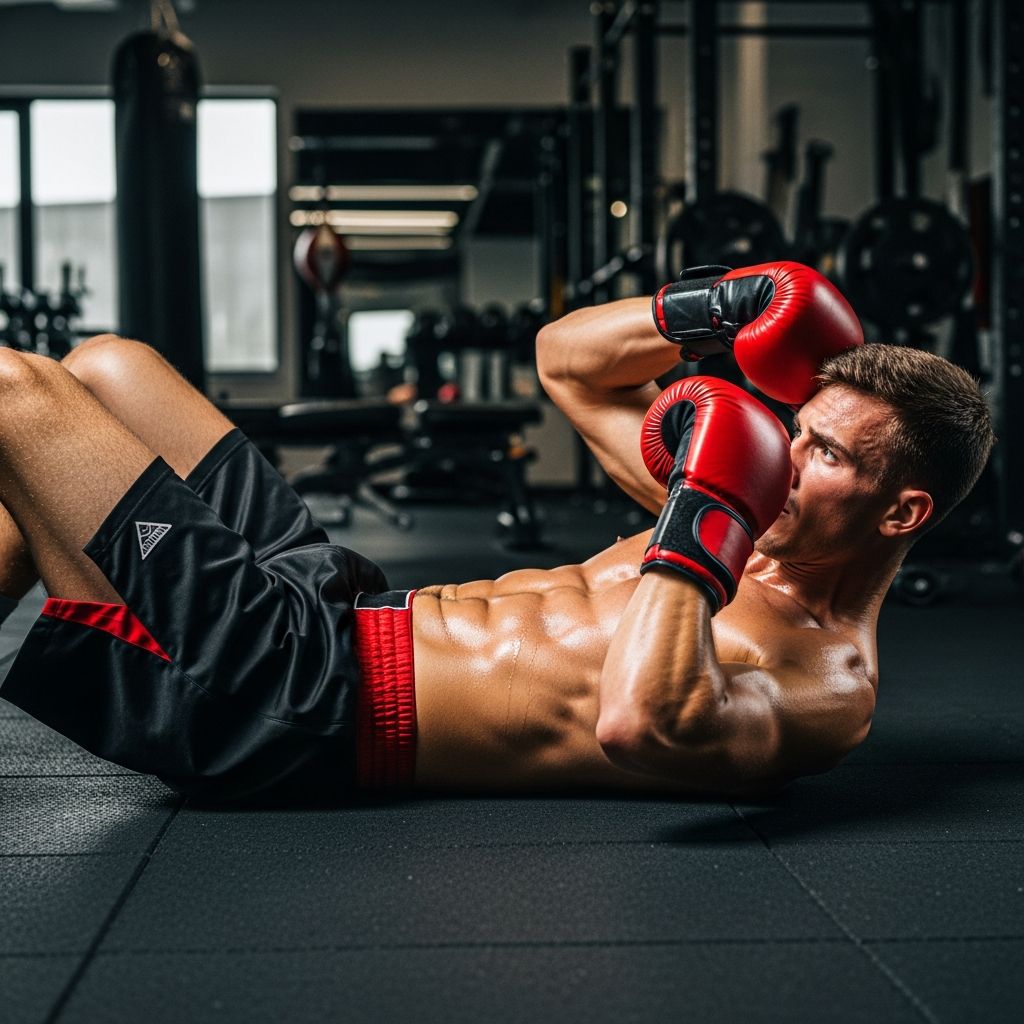
Boxing demands a rock-solid core. Your midsection is the powerhouse behind every punch, providing the rotational force needed for hooks, uppercuts, and crosses while maintaining balance and absorbing opponent blows. A strong core translates to harder hits, better defense, and injury prevention. This article breaks down
10 essential core exercises
specifically designed for boxers, drawing from Olympic-level training principles to build functional strength, explosive power, and endurance.These movements emphasize anti-rotation, rotational power, and dynamic stability—key for the twisting motions in boxing. Unlike generic crunches, they mimic ring actions like pivoting and guarding. Incorporate them into your routine 2-3 times weekly, aiming for 3 sets of 10-15 reps per exercise. Always prioritize form to avoid strain.
Why Core Strength Matters in Boxing
The core isn’t just abs; it’s your entire torso, including obliques, transverse abdominis, lower back, and hips. In boxing, it generates torque for punches—studies show rotational core power correlates directly with punching velocity. A weak core leads to sloppy footwork, reduced power transfer from legs to fists, and vulnerability to body shots.
- Power Generation: Rotational exercises like Russian twists build the twist for hooks.
- Stability: Anti-rotation drills (e.g., Pallof press) help you stay upright under pressure.
- Endurance: Planks and hanging leg raises build stamina for late rounds.
- Injury Prevention: Balanced core work protects the spine and hips from repetitive twisting.
Pro boxers like those training with Olympic medalist Tony Jeffries incorporate similar drills to develop ‘functional muscle’ over bulky mass, enhancing speed and mobility.
1. Medicine Ball Rotational Slams
This explosive drill builds rotational power by slamming a med ball side-to-side, mimicking a hook punch’s torque.
- Stand with feet shoulder-width, holding a 10-20 lb med ball at chest height.
- Rotate torso explosively to one side, slamming ball into ground or wall.
- Catch on bounce (if possible) and repeat to other side.
- Do 10-12 reps per side.
Benefits: Trains obliques and entire kinetic chain for punch power. Per experts, this horizontal extension mirrors punching trajectory.
2. Pallof Press
An anti-rotation staple using a cable or band to resist torso twist, perfect for defensive stability.
- Attach band/cable at chest height, stand perpendicular, hold with both hands.
- Press out straight, hold 5-10 seconds while resisting pull.
- Slowly return; 8-10 reps per side.
Builds deep core stabilizers, crucial for bracing against body hooks.
3. Hanging Leg Raises
Hang from a pullup bar and lift knees/legs to target lower abs and hip flexors, essential for guard position.
- Grip bar, hang fully extended.
- Curl knees to chest (or straight legs for advanced), avoid swinging.
- Lower controlled; 10-15 reps.
Strengthens anti-extension, preventing back arch during combos.
Related Stories



4. Russian Twists with Medicine Ball
Seated rotational twist with weight for oblique endurance.
- Sit with knees bent, lean back slightly, feet off ground (advanced).
- Hold med ball, twist side-to-side touching ground.
- 20-30 reps total.
Directly boosts hook punch torque.
5. Plank with Shoulder Taps
High plank holding steady while tapping shoulders builds anti-rotation and shoulder stability.
- Forearm plank position.
- Tap opposite shoulder alternately, minimize hip rock.
- 20 taps per side.
Enhances punch-line stability under fatigue.
6. Cable Woodchoppers
High-to-low cable chop simulates uppercut rotation.
- Set cable high, pull diagonally across body.
- Rotate hips and torso explosively.
- 10-12 reps per side.
Develops full-body power transfer.
7. Single-Leg Hip Thrusts
Glute/hip focus; legs drive punches, per Olympic trainers.
- Lie on back, one foot planted, other extended.
- Thrust hips up, squeeze glutes.
- 10 reps per leg.
Safer deadlift alternative, fixes imbalances.
8. Overhead Medicine Ball Slams
Total-body power vent—drop ball from overhead.
- Raise ball overhead, squat slightly.
- Slam down explosively using core/hips.
- 10-15 reps.
Builds stress-relieving explosive strength.
9. Band-Resisted Punches
Shadowbox with bands for punching-specific resistance.
- Anchor band behind, punch forward against tension.
- 10-20 punches per arm.
Increases speed-strength.
10. Weighted Pullups
Balances front-heavy boxing build, strengthens back for posture.
- Add weight vest/dip belt.
- Pull up fully; 6-10 reps.
Boosts overall upper-body power potential.
Sample Boxing Core Workout Routine
Perform this circuit 3x weekly post-warmup:
| Exercise | Sets x Reps | Rest |
|---|---|---|
| Med Ball Rotational Slams | 3×10/side | 30s |
| Pallof Press | 3×10/side | 30s |
| Hanging Leg Raises | 3×12 | 45s |
| Russian Twists | 3×20 | 30s |
| Plank Shoulder Taps | 3×20/side | 45s |
Progress by adding weight/time. Combine with mitt work for best results.
Common Mistakes to Avoid
- Overusing Crunches: They build bulk, not functional rotation.
- Poor Form: Always engage core fully; no spinal flexion.
- Neglecting Recovery: Include mobility work like cat-cow stretches.
- Imbalance: Train both rotation directions equally.
Frequently Asked Questions (FAQs)
What is the best core exercise for boxers?
Medicine ball rotational slams top the list for building punch-specific power and mimicking ring movements.
How often should boxers train core?
2-4 times per week, integrated into skill sessions to avoid overtraining.
Can beginners do these exercises?
Yes—start bodyweight versions (e.g., air twists) and progress with coaching.
Do core exercises increase punching power?
Absolutely; they enhance force transfer from ground up, as shown in boxer training protocols.
What’s the role of hips in core for boxing?
Hips generate 40%+ of punch power via rotation—drills like hip thrusts are essential.
References
- An Olympic Boxer Shared 7 Exercises to Boost Your Punching Power — Men’s Health / Tony Jeffries & B.J. Gaddour. 2023-06-15. https://www.menshealth.com/fitness/a40889971/olympic-boxer-punching-power-exercises-tony-jeffries-bj-gaddour/
- National Strength and Conditioning Association Guidelines for Core Training in Combat Sports — NSCA. 2024-01-10. https://www.nsca.com/education/articles/kinetic-select/core-training-for-combat-athletes/
- Effects of Rotational Core Training on Punching Performance — Journal of Strength and Conditioning Research (PubMed). 2022-05-20. https://pubmed.ncbi.nlm.nih.gov/35134012/
- USA Boxing Coach’s Manual: Strength and Conditioning — USA Boxing (Official). 2025-03-01. https://www.usaboxing.org/coach-resources
Similar Articles








Read full bio of medha deb