Cornea: What It Is, Common Disorders & Preventing Injury
Understanding your cornea: anatomy, function, common disorders, and prevention strategies for eye health.
Understanding the Cornea: Your Eye’s Protective Shield
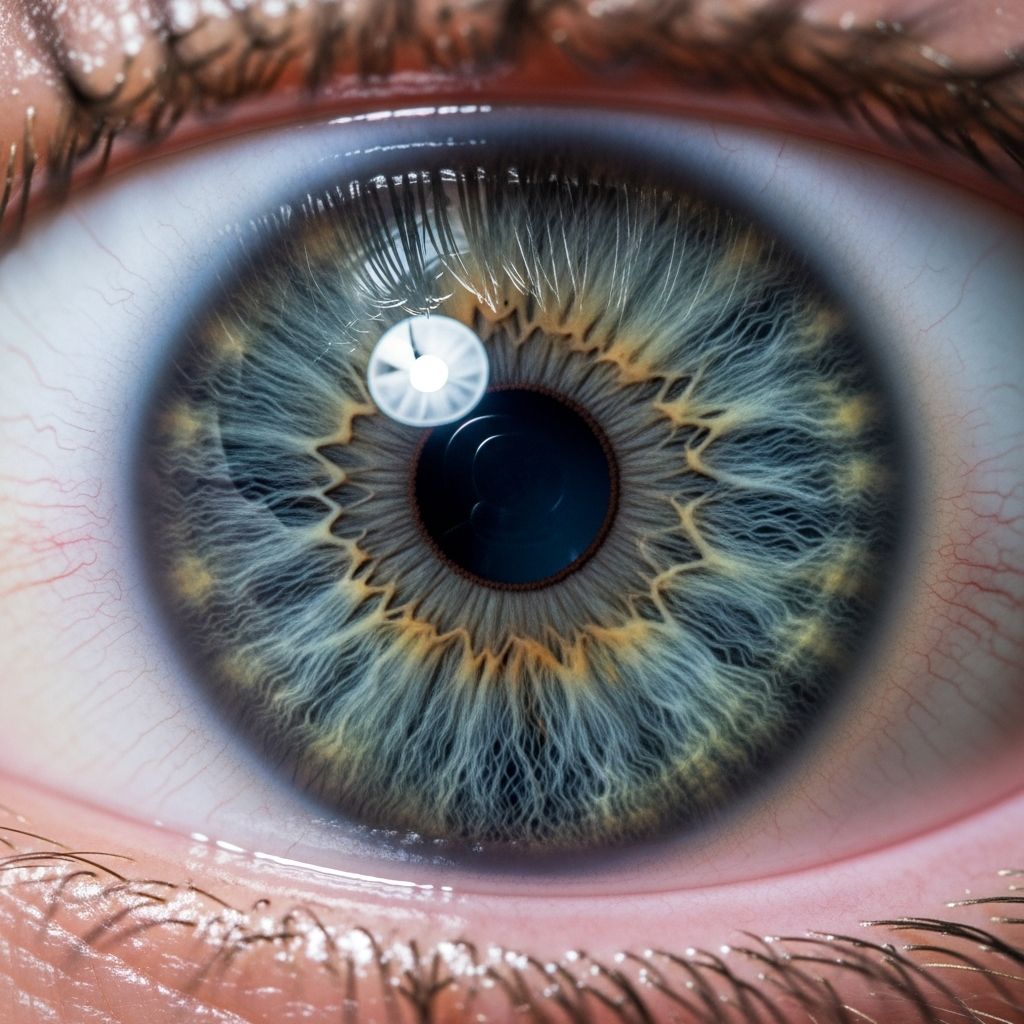
Your cornea is one of the most vital structures in your eye, serving as a transparent protective layer that sits at the front of your eyeball. Acting as a barrier against dust, dirt, bacteria, and other harmful particles, your cornea is truly your eye’s first line of defense. Beyond protection, the cornea plays an equally crucial role in your ability to see clearly by helping focus light onto the retina. The cornea measures approximately 11 to 12 millimeters in diameter and is composed of specialized tissues that work together seamlessly to maintain both eye health and vision quality.
Your corneas are positioned just in front of a fluid-filled chamber called the anterior chamber, which contains the aqueous humor. Behind this chamber lie your iris and pupil, followed by the lens. The cornea is surrounded by the sclera, which is the white part of your eye. Because corneas are the first line of defense for your eye’s surface, they are also prone to injuries and damage. Fortunately, your corneas possess remarkable self-repair abilities that allow them to heal quickly and effectively from most injuries and infections.
Cornea Anatomy: A Detailed Breakdown
The cornea’s strength and functionality come from its sophisticated layered structure. Each layer performs specific functions, but true corneal strength emerges from how all layers work together. Think of your cornea like laminate glass used in car windshields—multiple layers of different materials bonded together create exceptional strength and protective qualities.
The Six Layers of the Cornea
Your cornea consists of six distinct layers, each with specialized functions:
1. Epithelium (Outer Layer)
The epithelium is the outermost layer of your cornea and serves as your eye’s first protective barrier. This layer is packed with nerve endings, making it extremely sensitive to touch and irritation. The epithelium prevents foreign materials such as dust and bacteria from entering the eye and also absorbs nutrients and oxygen directly from your tears. This layer heals remarkably quickly, usually regenerating within 24 to 48 hours after minor abrasions.
2. Bowman’s Layer
Located beneath the epithelium, Bowman’s layer is a strong, thin membrane composed primarily of collagen fibers. This layer provides structural support and acts as a barrier against infections and injuries. While it offers protection, Bowman’s layer does not regenerate if damaged, making it vulnerable to scarring.
3. Stroma (Middle Layer)
The stroma comprises approximately 90 percent of the cornea’s total thickness and gives the cornea its shape and form. Composed primarily of collagen and water, the stroma provides the cornea with its structural integrity and transparency. This layer is avascular, meaning it contains no blood vessels, and instead relies on tears and aqueous humor for nutrient supply.
4. Descemet’s Membrane
This is a strong but thin layer that functions as a protective barrier against eye injuries and infections. Descemet’s membrane is primarily comprised of collagen fibers and has an impressive ability to heal relatively quickly compared to other corneal layers.
Related Stories



5. Endothelium (Inner Layer)
The endothelium is the final, innermost layer of the cornea and consists of a very thin cell layer. This crucial layer regulates the amount of liquid in the stroma by pumping excess fluid out, preventing the cornea from becoming too wet. Unlike the epithelium, cells in the endothelium that are damaged or killed do not regenerate, making this layer particularly vulnerable to permanent damage.
6. Posterior Corneal Epithelium (PDL)
Recent research has identified the importance of the posterior corneal epithelium (PDL) as a distinct structural component. Modern eye surgeons now account for this layer when planning corneal surgeries, recognizing how it contributes to overall corneal strength and function.
Essential Functions of the Cornea
Your cornea performs three main critical functions that are essential for vision and eye health.
Protection and Defense
The cornea acts as a protective shell on the outside of the eye, creating a barrier against harmful materials, microorganisms, and UV radiation. It filters out dangerous ultraviolet rays from sunlight that could damage internal eye structures. This protective function is absolutely vital for maintaining the health of delicate internal eye components.
Light Refraction and Focusing
Your cornea contributes significantly to the refractive power of the eye by bending and refracting light as it enters. The cornea is responsible for focusing approximately 65 to 75 percent of the light that enters your eye onto the lens, which then focuses the remaining light onto the retina with minimum optical degradation and scatter. The curvature of this outer layer helps determine how well your eye can focus on objects both close up and far away. When the cornea’s shape is irregular, vision problems like astigmatism, myopia, and hyperopia can develop.
Maintaining Eye Structure
The cornea’s layers work together to maintain the eye’s structural integrity and shape. The cornea is avascular, relying entirely on tears and the aqueous humor for nutrients, which highlights the critical importance of proper tear production and eye hydration for corneal health.
Common Corneal Disorders and Conditions
Because your cornea is constantly exposed to environmental hazards and is essential for vision, it is vulnerable to various injuries, infections, and diseases. Understanding these conditions can help you recognize symptoms and seek appropriate treatment.
Keratitis
Keratitis refers to inflammation or infection of the cornea. This condition can result from bacterial, viral, or fungal infections, as well as from non-infectious causes such as dry eyes or abrasions. Symptoms include pain, redness, light sensitivity, and blurred vision. Keratitis requires prompt medical attention to prevent vision complications.
Corneal Dystrophy
Corneal dystrophy encompasses a group of inherited conditions that cause progressive clouding or degradation of the cornea. These conditions typically develop slowly and affect both eyes symmetrically. Various types exist, each affecting different corneal layers and progressing at different rates.
Dry Eyes
Dry eye syndrome occurs when your eyes don’t produce enough tears or when tears evaporate too quickly. Since the cornea relies on tears for nutrition and protection, insufficient tear production can lead to corneal damage, scarring, and vision problems if left untreated.
Corneal Scars and Discoloration
When the cornea is damaged through disease, infection, or deep injury, the resulting scars or discoloration can interfere with vision by blocking or distorting light as it enters the eye. Deep corneal injuries may result in prolonged healing and permanent vision changes.
Corneal Abrasions
Corneal abrasions are scratches on the epithelium caused by trauma, foreign objects, or contact lens complications. While the epithelium typically heals quickly, repeated abrasions can lead to complications.
Corneal Injuries and Healing
Because corneas are the first line of defense for the surface of your eye, they are particularly prone to injuries and damage. Fortunately, corneas also have fast and effective self-repair abilities. The epithelium, being the outermost layer, typically heals remarkably quickly from minor injuries. However, deeper corneal injuries may involve other layers and require longer healing periods.
When there is deep injury to the cornea, the healing process may be prolonged and can result in various symptoms, including pain, redness, tearing, and light sensitivity. In cases where corneal damage is severe or healing is incomplete, a corneal transplant may become necessary. During this procedure, a cornea from a donor replaces the person’s original cornea, potentially restoring vision and eye function.
Prevention Strategies for Corneal Health
Protecting your corneas from injury and maintaining their health is essential for preserving vision. Here are evidence-based strategies to keep your corneas healthy:
Wear Protective Eyewear
Use protective glasses or goggles when engaging in activities that pose risk of eye injury, such as sports, woodworking, chemical handling, or yard work. Safety eyewear can prevent up to 90 percent of eye injuries.
Practice Proper Contact Lens Care
If you wear contact lenses, follow your eye care professional’s instructions carefully. Keep lenses clean, replace them on schedule, use sterile solution, and never sleep in daily wear lenses unless prescribed to do so.
Maintain Eye Hygiene
Wash your hands frequently and avoid touching your eyes unnecessarily. This simple practice reduces the risk of introducing bacteria and other microorganisms that can cause infections.
Protect from UV Radiation
Wear sunglasses that block 99 to 100 percent of both UVA and UVB radiation whenever you’re outdoors. Prolonged UV exposure can contribute to corneal damage and other eye conditions.
Stay Hydrated and Use Artificial Tears
Drink adequate water throughout the day to support overall body hydration. If you experience dry eyes, use appropriate artificial tears or lubricating eye drops to maintain corneal moisture and nutrition.
Take Regular Screen Breaks
Practice the 20-20-20 rule: every 20 minutes, look at something 20 feet away for 20 seconds. This reduces eye strain and helps maintain proper tear production.
Get Regular Eye Exams
Schedule comprehensive eye exams with your eye care professional regularly. Early detection of corneal problems allows for prompt treatment and better outcomes.
The Relationship Between Cornea and Vision Quality
Your cornea’s shape and clarity directly determine your vision quality. Any irregularities in corneal curvature can result in refractive errors. For instance, a cornea that is too steep can cause myopia (nearsightedness), while a cornea that is too flat can cause hyperopia (farsightedness). Astigmatism occurs when the cornea has an irregular shape that prevents it from focusing light evenly on the retina.
Modern procedures like LASIK and PRK work by reshaping the cornea to correct these refractive errors. Advanced techniques now allow surgeons to reshape the cornea with exceptional precision, improving vision for millions of people worldwide. Understanding how your cornea contributes to vision can help you appreciate the importance of maintaining corneal health throughout your life.
Frequently Asked Questions About the Cornea
Q: How quickly does the cornea heal from an abrasion?
A: The epithelium, the cornea’s outer layer, typically heals from minor abrasions within 24 to 48 hours. However, deeper corneal injuries may require weeks or months to heal completely.
Q: Can the cornea regenerate if permanently damaged?
A: The epithelium regenerates quickly, but other layers like Bowman’s layer and the endothelium do not regenerate if damaged. This is why preventing deep corneal injuries is so important.
Q: Why is the cornea sensitive to pain?
A: The epithelium is packed with nerve endings, making it extremely sensitive to touch and irritation. This sensitivity helps protect your eye by triggering protective reflexes when something touches the cornea.
Q: Can corneal problems be corrected with surgery?
A: Yes, various surgical options are available depending on the type of corneal problem. These range from refractive procedures like LASIK to corneal transplants for severe damage.
Q: How do I know if I have a corneal infection?
A: Symptoms of corneal infection include pain, excessive redness, discharge, light sensitivity, and blurred vision. Seek immediate medical attention if you experience these symptoms.
Q: Why is tear production important for corneal health?
A: Tears provide nutrients, oxygen, and moisture to the avascular cornea. Without adequate tears, the cornea cannot receive essential nutrients and becomes vulnerable to damage and infection.
References
- Cornea: Anatomy, Function, and Associated Eye Problems — Oscar Wylee. 2025. https://www.oscarwylee.com.au/glasses/eye/cornea
- Cornea | Research Starters — EBSCO Information Services. 2025. https://www.ebsco.com/research-starters/health-and-medicine/cornea
- Cornea: What It Is, Common Disorders & Preventing Injury — Cleveland Clinic. 2024. https://my.clevelandclinic.org/health/body/21562-cornea
- Corneal Conditions — Cleveland Clinic Abu Dhabi. 2024. https://www.clevelandclinicabudhabi.ae/en/health-hub/health-resource/diseases-and-conditions/corneal-conditions
- Anatomy of the Eye — Cleveland Eye Clinic. 2024. https://clevelandeyeclinic.com/2024/02/23/anatomy-of-the-eye/
Similar Articles








Read full bio of Sneha Tete