Cornea Donation: Giving the Gift of Sight
Discover how donating your corneas can restore vision for others, the simple process involved, and why it remains a vital act of generosity amid ongoing needs.

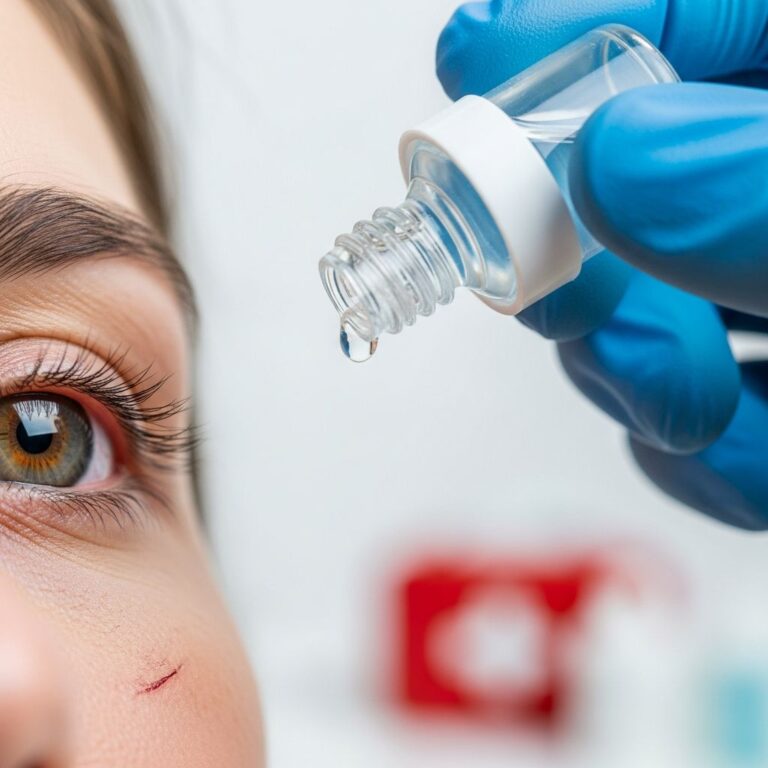
The human cornea, the clear front layer of the eye, plays a crucial role in focusing light to enable clear vision. When damaged by disease, injury, or degeneration, it can lead to blindness or severe visual impairment. Cornea donation offers a profound way to combat this, allowing healthy tissue from donors to replace diseased corneas in recipients, often restoring sight effectively. Unlike many organs, corneas can be preserved for weeks, making transplants feasible and widespread.
Why Cornea Donations Matter Today
Globally, millions suffer from corneal blindness, yet demand outstrips supply in many regions. In the U.S., nonprofit eye banks ensure no national waiting list exists due to efficient coordination, but shortages persist elsewhere, with reports indicating only one cornea available for every 70 needed in some areas. Conditions like keratoconus, Fuchs’ dystrophy, scarring from infections or trauma, and glaucoma-related damage drive the need. One donor’s corneas can benefit one or two recipients directly, while additional eye tissues support research or up to seven people through specialized uses.
Donation not only aids transplants but also advances treatments like corneal allogenic intrastromal ring segments (CAIRS) for keratoconus, where customized tissue implants stabilize thinner corneas. This underscores the donation’s ripple effect on innovation and patient care.
Who Can Become a Cornea Donor?
Almost anyone can donate corneas, regardless of age or medical history details, as there is no upper age limit. Healthy corneas from individuals in their 80s or 90s have successfully restored vision. Donation occurs post-mortem, often within 8-12 hours of death, and can happen outside hospitals, such as in hospices or funeral homes.
- Common Eligibility: People with systemic conditions like diabetes, hypertension, or most cancers (except active eye melanoma) are typically eligible, as these do not affect corneal quality.
- Exclusions: Active systemic infections (e.g., HIV, AIDS, hepatitis, sepsis), eye-specific diseases like active infections, or recent eye surgeries may disqualify tissue.
- High-Risk Behaviors: History of certain infectious disease risks prompts rigorous screening to prevent transmission.
Eye banks evaluate donors using strict Eye Bank Association of America (EBAA) standards and FDA regulations, reviewing medical/social history and performing tests to ensure safety.
The Step-by-Step Cornea Donation Process
Donation begins with registration on donor registries or family consent at the time of death. Here’s how it unfolds:
- Authorization: Individuals pre-register via state registries, driver’s licenses, or apps; families confirm if no prior designation.
- Notification: Hospitals or funeral homes alert eye banks upon death.
- Recovery: Trained technicians recover the corneas in a sterile 1-2 hour procedure, removing only the outer eye layer—no whole eye is transplanted unless for research.
- Evaluation: Tissue undergoes microscopic exam, blood tests, and culture for viability and safety.
- Distribution: Approved corneas are preserved in solution and allocated to surgeons within two weeks for optimal success.
This process prioritizes recipient safety, with over 80 U.S. eye banks coordinating seamlessly.
Types of Corneal Transplants Enabled by Donations
| Procedure | Description | Common Uses | Success Factors |
|---|---|---|---|
| Penetrating Keratoplasty (Full-Thickness) | Replaces entire cornea | Keratoconus, severe scarring, trauma | High success; rejection risk ~1 in 7 |
| Endothelial Keratoplasty (Partial, e.g., DMEK/DSAEK) | Replaces inner layers only | Fuchs’ dystrophy, endothelial failure | Faster recovery, lower rejection |
| Anterior Lamellar Keratoplasty | Replaces outer layers | Superficial scars, ectasia | Preserves healthy inner tissue |
Related Stories



These techniques tailor treatment to damage location, improving outcomes and reducing recovery time.
Risks and Complications in Corneal Transplants
Cornea transplants are among the safest, with most patients gaining clearer vision and pain relief. However, risks exist:
- Rejection: Immune response attacks donor tissue (10-20% risk); managed with lifelong steroid drops.
- Infection/Bleeding: Rare surgical complications.
- Glaucoma/Astigmatism: Pressure buildup or focusing issues post-surgery.
- Other: Suture problems, retinal issues, or graft failure requiring repeat.
Severe dry eye or vascularized corneas heighten rejection odds, sometimes contraindicating surgery. Modern protocols minimize these, with many grafts lasting decades.
Ethical Dimensions of Eye Tissue Donation
Donation raises unique ethical questions, especially for living-related donations like limbal stem cells for severe surface diseases. Unlike full corneas, which blind the donor eye, limbal biopsies remove tiny healthy tissue from the eye’s edge to regenerate recipient corneas.
- Consent: Requires dual donor-recipient agreement, emphasizing autonomy and risk disclosure (e.g., minor donor complications like keratitis).
- Benefits vs. Harms: Improves recipient quality of life without being life-saving; conserves deceased corneas for others.
- Equity: HLA-matching from relatives reduces rejection, but family dynamics influence decisions.
Deceased donation avoids donor risk entirely, aligning with altruism principles while addressing shortages ethically.
Preparing Yourself and Loved Ones for Donation
Discuss wishes openly with family, as they may authorize if unregistered. Update legal documents and inform healthcare proxies. Post-donation, families receive no costs, and the process doesn’t delay funerals or alter appearance.
Myth-busting: Donation doesn’t affect open-casket viewings, and eyes remain intact cosmetically.
Frequently Asked Questions (FAQs)
Does age restrict cornea donation?
No upper limit exists; corneas from elderly donors work well.
Can I donate if I wear glasses or contacts?
Yes, vision correction doesn’t impact eligibility.
How soon after death must corneas be recovered?
Ideally within 8-12 hours for best quality.
Is the whole eye transplanted?
No, only the cornea; rest may aid research.
What if I’m high-risk for infections?
Banks screen thoroughly; many are still eligible.
Do donors feel pain?
No, recovery happens after death.
Impact Stories and Global Reach
Annually, U.S. transplants exceed 50,000, restoring sight without waits. Internationally, programs like Australia’s Lions Eye Bank expand access to advanced tissues. Personal accounts highlight transformations: a keratoconus patient regains independence, or trauma survivors see family clearly again.
Donation transcends borders, with preserved tissues shipped worldwide, embodying universal generosity.
References
- Cornea transplant – Mayo Clinic — Mayo Clinic. 2023-10-15. https://www.mayoclinic.org/tests-procedures/cornea-transplant/about/pac-20385285
- Eye donor awareness: Frequently asked questions — University of Iowa Health Care. 2024-05-20. https://uihc.org/health-topics/eye-donor-awareness-frequently-asked-questions
- Ethical issues in living-related corneal tissue transplantation — PMC (PubMed Central). 2019-08-01. https://pmc.ncbi.nlm.nih.gov/articles/PMC6691871/
- Give the Gift of Organ Donation for a Cornea Transplant — EyeCare of Delaware. 2023-11-10. https://www.eyecareofdelaware.com/blog/organ-donation-cornea-transplant/
- Understanding the impact of eye tissue donation — Lions Eye Institute. 2024-02-14. https://www.lei.org.au/about/news/eye-tissue-donation/
- Cornea Transplant: What It Treats, What Happens, Risks & Benefits — Cleveland Clinic. 2024-01-22. https://my.clevelandclinic.org/health/treatments/17714-cornea-transplant
- Corneal Donation – EyeWiki — EyeWiki (AAO). 2025-03-10. https://eyewiki.org/Corneal_Donation
Similar Articles








Read full bio of medha deb