Corneal Abrasion: Causes, Symptoms, and Treatment
Understanding eye scratches: recognition, recovery, and when to seek care
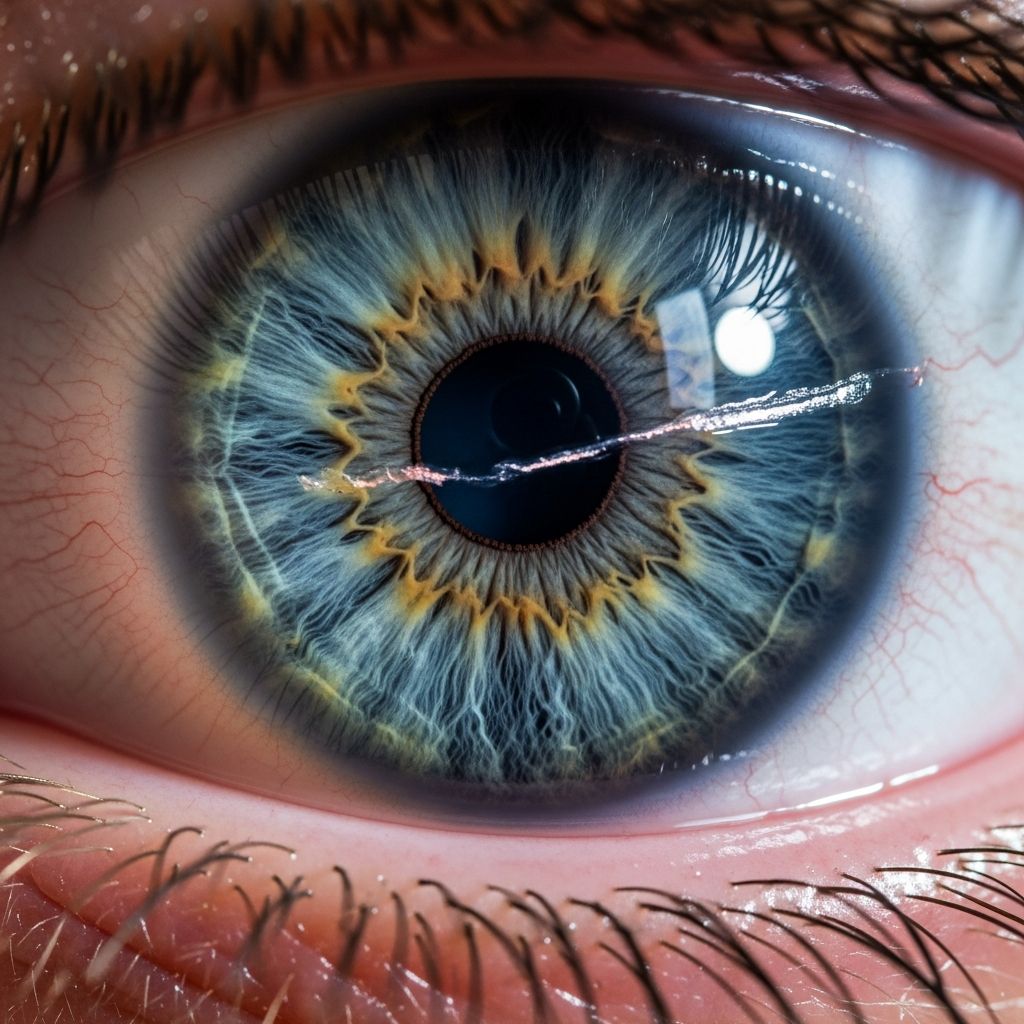
A corneal abrasion represents a physical wound or scrape affecting the cornea, which serves as the transparent outer layer of the eye covering the iris and pupil. This type of eye injury occurs when external trauma or contact damages the delicate epithelial tissue comprising the cornea’s surface. While corneal abrasions are among the most frequently encountered eye injuries, the good news is that most resolve within a few days without lasting vision complications. However, understanding the condition’s presentation, appropriate management, and potential complications remains essential for anyone experiencing this painful eye condition.
The Protective Mechanisms of the Eye
The human eye possesses several sophisticated defense systems designed to prevent injury and protect vision. When the brain perceives a potential threat approaching the eyes, a series of automatic protective responses activate nearly instantaneously. The eyelids begin closing to create a physical barrier, while the eye itself rolls upward to minimize exposure. Simultaneously, the arms and head adopt protective positions to shield the ocular structures from incoming damage. Despite these remarkable natural defenses, numerous external factors can overwhelm these mechanisms and compromise corneal integrity, leading to abrasions and other surface injuries.
What Causes Corneal Abrasions
Corneal abrasions develop when objects or materials make contact with the eye’s surface with sufficient force to damage the epithelial layer. The rapidity with which many corneal injuries occur means the eye’s natural protective systems cannot engage effectively before damage occurs. Common causes include:
- Accidental contact with foreign objects such as dust, sand, or particles while working outdoors or with machinery
- Fingernail scratches from rubbing the eye vigorously or inadvertent contact during sleep
- Lens-related injuries, including improperly fitted contact lenses or lens insertion and removal complications
- Occupational hazards involving tools, equipment, or materials that can splash or strike the eye
- Sports-related impacts during activities where eye protection is insufficient
- Dry eye conditions that weaken corneal tissue and increase susceptibility to minor trauma
- Chemical exposure or thermal burns that damage the corneal surface
Recognizing Symptoms and Signs
Most individuals with corneal abrasions experience immediate recognition that something has injured their eye. The symptom presentation can range considerably in severity, from mild discomfort to debilitating pain that makes eye opening extremely difficult. This variability depends on factors including the abrasion’s size, depth, location, and whether infection develops.
Primary Symptoms
The initial and most prominent symptom typically involves acute eye pain, often described as sharp, stabbing, or having a gritty, sandy quality. Many patients report sensation similar to having a foreign object lodged within the eye that will not dislodge, despite attempts to remove it through blinking or eye movement. This feeling persists even after the inciting object has been removed, as the abraded tissue sends pain signals to the brain.
Light sensitivity, formally termed photophobia, frequently accompanies corneal abrasions. Bright illumination causes significant discomfort or intensified pain, making well-lit environments particularly challenging to tolerate. Patients often prefer dimly lit spaces and may struggle to keep the affected eye open when exposed to normal indoor or outdoor lighting.
Excessive tearing occurs as the eye attempts to flush out irritants and provide natural lubrication to the damaged surface. The eye may water continuously, with tears streaming down the face without the patient intentionally crying. This tearing response represents the body’s attempt to protect and heal the injured tissue.
Secondary Symptoms
Blurred vision commonly develops following corneal abrasion, affecting the clarity and sharpness of sight in the injured eye. The degree of vision impairment typically correlates with the abrasion’s location and extent. Vision usually improves as the cornea heals, though in some cases, persistent blurriness may indicate involvement of the visual axis or development of complications.
Related Stories



Redness and inflammation appear as the eye responds to injury through increased blood flow and inflammatory processes. The white portion of the eye, called the sclera, may display visible redness or bloodshot appearance. Eyelid swelling frequently accompanies this inflammation, sometimes making it difficult to open the eye fully.
Some patients experience headaches associated with corneal abrasion, typically resulting from the combination of eye pain and the strain of keeping the injured eye closed or narrowed. These headaches generally resolve as the eye heals and pain diminishes.
The Role of Nerve Endings in Pain Perception
The cornea contains an exceptionally high concentration of bare nerve endings compared to other body tissues, making it extraordinarily sensitive to injury and irritation. This abundance of nerve fibers explains why corneal abrasions cause disproportionately severe pain relative to the injury’s actual size. A scratch that might cause minimal discomfort on the skin produces intense pain when affecting the cornea. This pain serves an important biological function, alerting the brain that something is wrong and prompting protective behaviors and medical attention.
Diagnostic Approaches
Eye care professionals diagnose corneal abrasions through a combination of patient history and clinical examination. A recent history of ocular trauma coupled with acute pain strongly suggests corneal abrasion, though some patients may not recall the specific injury, particularly if it resulted from aggressive eye rubbing or a minor contact event.
During examination, eye care providers use specialized equipment and fluorescent dyes to visualize the corneal surface. Fluorescein dye, applied topically to the eye, makes abrasions visible under ultraviolet light, appearing as areas where the dye penetrates the damaged epithelium. This diagnostic technique confirms the presence and extent of corneal damage, guiding treatment decisions.
The examination also screens for complications such as infection, foreign body retention, or involvement of deeper corneal layers. Patients should report all symptoms and circumstances surrounding the injury to help the eye care provider develop an appropriate management plan.
Treatment and Management Strategies
Treatment approaches for corneal abrasions focus on promoting healing, controlling pain, and preventing infection. The specific management plan depends on the abrasion’s severity, cause, and whether complications are present.
Pain Management
Addressing pain represents a primary treatment goal, as severe discomfort can interfere with normal eye opening and function. Eye care providers may prescribe topical anesthetic drops to reduce pain during examination, though prolonged use of these medications can delay healing. Oral pain relievers, including over-the-counter options like acetaminophen or ibuprofen, often help manage discomfort between medical visits.
Protective Measures
Protecting the injured eye from further trauma facilitates healing. Eye patches or protective shields may be recommended, particularly for more severe abrasions. These barriers prevent accidental rubbing and reduce irritation from light and air exposure. Patients should avoid contact lens use until complete healing occurs, as lenses can irritate the damaged surface and potentially introduce infection.
Antibiotic Prevention
Although uncomplicated abrasions caused by minor trauma typically do not require antibiotic therapy, eye care providers may prescribe topical antibiotic ointments or drops when infection risk is elevated. This includes cases involving dirty or contaminated objects, animal scratches, or plant material contact. Prophylactic antibiotics help prevent bacterial colonization that could develop into serious infections.
Recovery Timeline and Expectations
Most uncomplicated corneal abrasions heal remarkably quickly. The corneal epithelium possesses exceptional regenerative capacity, allowing surface cells to migrate and divide rapidly to repair damage. Healing typically progresses within 24 to 48 hours for minor scratches, with many patients experiencing significant improvement in symptoms during this period.
Larger or deeper abrasions may require several days for complete healing, though even substantial injuries often resolve within one to two weeks. During recovery, patients should expect gradual reduction in pain, decreased light sensitivity, normalization of tearing, and progressive vision improvement as the corneal surface regenerates.
It is important to note that complete structural healing may precede complete symptom resolution. Some residual discomfort or mild light sensitivity can persist briefly even as the epithelium fully regenerates.
When to Seek Professional Medical Attention
While many minor corneal abrasions resolve without complications, certain circumstances warrant immediate professional evaluation or follow-up care. Patients should seek urgent eye care if symptoms fail to improve within 24 to 48 hours, or if the following warning signs develop:
- Increasing pain rather than gradual improvement
- Worsening redness or swelling of the eye and surrounding tissues
- Thick yellow or green discharge, indicating possible infection
- Development of vision loss or appearance of new floaters
- White or cloudy spots appearing on the cornea, suggesting ulceration or infiltration
- Fever accompanying eye symptoms, suggesting systemic infection
- Persistent foreign body sensation despite apparent removal of the object
These symptoms may indicate infection, deeper tissue involvement, or other complications requiring aggressive treatment to preserve vision.
Complications and Long-Term Concerns
While straightforward corneal abrasions typically resolve without lasting consequences, certain complications can develop in specific circumstances. Understanding these potential complications encourages appropriate follow-up care and early intervention when problems emerge.
Corneal Ulceration
In rare cases, an untreated or improperly managed abrasion can progress to corneal ulceration, an open sore involving deeper tissue layers. Ulcers most commonly result from bacterial, viral, or fungal infection of the abraded surface. While abrasions and ulcers represent distinct conditions with different causes and prognoses, an infected abrasion can transition into an ulcer. Ulcers pose greater threats to vision and typically require more aggressive treatment, including potent antibiotics and close monitoring.
Recurrent Corneal Erosion Syndrome
Some patients experience a troublesome long-term complication called recurrent corneal erosion syndrome (RCE). This condition develops when the healed corneal epithelium does not reattach properly to the underlying basement membrane, creating weak spots susceptible to spontaneous reopening. Patients with RCE experience episodes of pain, foreign body sensation, light sensitivity, and decreased vision, particularly upon waking when eyelid movement pulls on the weakened epithelium. Recurrent erosion can occur months or years after the initial injury.
Individuals with underlying corneal dystrophies or those who sustained severe initial injuries face elevated RCE risk. Management of recurrent erosions may require specialized treatments beyond standard abrasion care to strengthen the corneal surface and prevent future episodes.
Prevention Strategies
Preventing corneal abrasions requires attention to environmental hazards and eye protection practices. Occupational eye safety represents a critical prevention component, with appropriate protective eyewear mandatory when working with tools, machinery, or materials that could strike or enter the eye. Sports enthusiasts should wear appropriate eye protection during activities with injury risk, and contact lens users should follow proper insertion, removal, and cleaning techniques to prevent lens-related injuries.
Managing dry eye conditions through proper lubrication helps maintain corneal tissue integrity and reduces susceptibility to minor trauma. Avoiding aggressive eye rubbing protects against fingernail scratches, and maintaining awareness of environmental hazards allows for protective positioning and blink responses to activate before injury occurs.
Distinguishing Abrasions from Other Eye Conditions
Several other eye conditions produce symptoms overlapping with corneal abrasion, potentially causing diagnostic confusion. Blurred vision can result from cataracts, diabetic retinopathy, refractive errors, or other conditions unrelated to corneal injury. Eye redness accompanies conjunctivitis, subconjunctival hemorrhage, glaucoma, and inflammatory conditions. Light sensitivity occurs with uveitis, iritis, and migraine headaches. Therefore, professional eye examination proving corneal epithelial disruption remains essential for confirming the diagnosis and excluding other conditions requiring different management approaches.
Concluding Thoughts on Corneal Injury Management
Corneal abrasions, while painful and temporarily disruptive, respond well to appropriate care in most instances. The cornea’s remarkable healing capacity means that even significant surface injuries typically resolve completely within days to weeks. Prompt recognition of symptoms, professional evaluation to confirm diagnosis and exclude complications, and adherence to recommended treatment measures optimize healing outcomes and minimize complications. Patients experiencing eye pain, light sensitivity, excessive tearing, or sensation of a foreign object should seek professional evaluation rather than attempting self-treatment, particularly if symptoms persist beyond 24 hours or suggest possible infection.
References
- Corneal abrasion — American Optometric Association. Accessed February 23, 2026. https://www.aoa.org/healthy-eyes/eye-and-vision-conditions/corneal-abrasion
- Corneal Eye Scratch: Symptoms and When to Seek Urgent Care — The Urgency Room. Accessed February 23, 2026. https://www.urgencyroom.com/blog/corneal-eye-scratch/
- Manage Corneal Abrasion: Symptoms, Treatment, and Recovery Time — Northwest Eye Clinic. Accessed February 23, 2026. https://nweyeclinic.com/manage-corneal-abrasion-symptoms-treatment-and-recovery-time/
- Corneal abrasion (scratch): First aid — Mayo Clinic. Accessed February 23, 2026. https://www.mayoclinic.org/first-aid/first-aid-corneal-abrasion/basics/art-20056659
- Corneal Abrasions — ReFocus Eye Doctors, Cheshire. Accessed February 23, 2026. https://cheshire.refocuseyedoctors.com/article/corneal-abrasions/
- Management of Corneal Abrasions — American Academy of Family Physicians. 2004-07-01. https://www.aafp.org/pubs/afp/issues/2004/0701/p123.html
- Corneal Abrasion: Symptoms, Treatment & Prevention — Cleveland Clinic. Accessed February 23, 2026. https://my.clevelandclinic.org/health/diseases/14423-corneal-abrasion
Similar Articles








Read full bio of medha deb