Corneal Dystrophies: Understanding Progressive Eye Conditions
Comprehensive overview of hereditary corneal conditions and treatment strategies
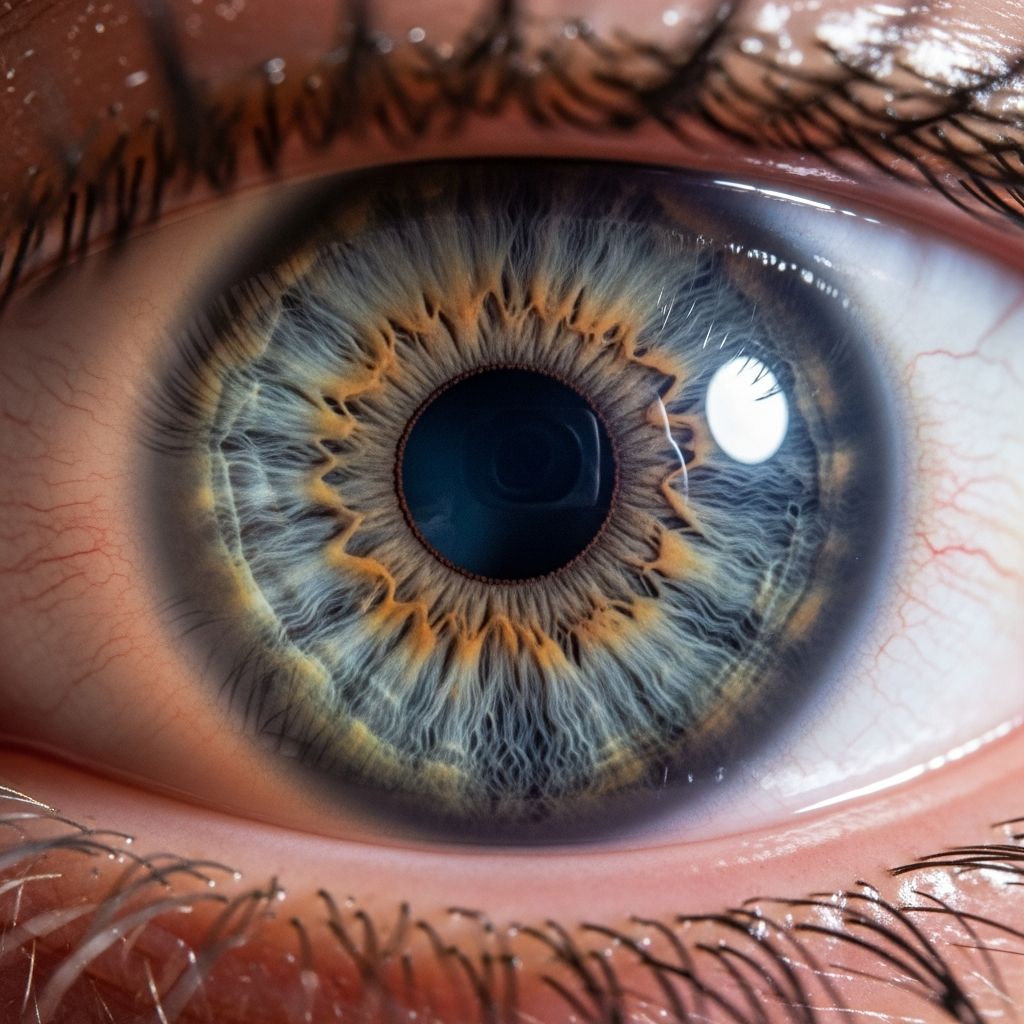
The cornea serves as the eye’s protective outer layer and primary focusing mechanism, making its health essential for clear vision. When structural abnormalities develop within the corneal tissue itself, a group of conditions known as corneal dystrophies can emerge. These inherited disorders, characterized by a gradual accumulation of abnormal material within one or more corneal layers, represent a diverse category of eye diseases that can range from completely asymptomatic to severely vision-threatening. Understanding these conditions, their presentations, and available treatment options is crucial for patients and healthcare providers alike.
What Are Corneal Dystrophies and How Do They Develop?
Corneal dystrophies are a group of inherited eye conditions in which foreign material progressively accumulates within the cornea’s various layers. Unlike corneal scarring or inflammation caused by external factors such as infection or injury, dystrophies develop due to genetic mutations that affect the cornea’s structural proteins and cellular function. These conditions typically affect both eyes symmetrically and tend to progress slowly over time, though the rate and extent of progression vary considerably among different types and individual patients.
The cornea itself consists of five distinct layers, each with specific structural and functional roles. Dystrophies can affect the epithelium (outer layer), Bowman layer, stroma (middle layer), Descemet membrane, or endothelium (inner layer), leading to different clinical presentations and disease trajectories. Some dystrophies remain confined to a single layer, while others may eventually involve multiple corneal structures as the disease progresses.
Classification and Types of Corneal Dystrophies
With more than 20 recognized forms of corneal dystrophies, classification systems help clinicians organize these conditions based on anatomical location and clinical characteristics. This organizational approach allows for more targeted diagnostic strategies and treatment planning.
Epithelial and Anterior Corneal Dystrophies
Dystrophies affecting the cornea’s outermost structures often present with recurring erosions and surface irregularities. Map-dot-fingerprint dystrophy, one of the most frequently encountered epithelial forms, creates characteristic patterns on the corneal surface that resemble geographic maps or fingerprints. These anterior dystrophies frequently cause recurrent erosions as the epithelial layer fails to maintain proper adhesion to underlying structures.
Stromal Dystrophies
The stroma comprises approximately 90% of corneal thickness and serves as the primary structural layer. Dystrophies affecting this region often create visible opacities or cloudiness within the cornea. Notable stromal dystrophies include:
- Granular dystrophy: Characterized by discrete, bread-crumb-like deposits within the stroma
- Lattice dystrophy: Presents with interconnected linear opacities resembling a lattice pattern
- Macular dystrophy: Shows diffuse, gray-white opacification throughout the stroma
- Schnyder crystalline dystrophy: Features cholesterol crystal deposits within corneal tissue
- Gelatinous drop-like dystrophy: Involves amyloid material accumulation
Additionally, congenital stromal dystrophy displays diffuse cloudiness with white flake-like deposits and has only been documented in a limited number of families. Fleck dystrophy presents with small, gray-white dandruff-like flecks scattered sparsely throughout the stroma but typically does not progress or significantly affect vision.
Endothelial Dystrophies
Dystrophies affecting the cornea’s innermost layer represent some of the most clinically significant forms. Fuchs endothelial dystrophy stands as the most common type overall, accounting for approximately 39% of all corneal transplants performed in the United States. In this condition, endothelial cells gradually deteriorate, causing the cornea to accumulate fluid and swell, leading to progressive vision loss and eventually severe symptoms if left untreated.
Recognizing Symptoms and Clinical Presentation
The manifestations of corneal dystrophies vary significantly depending on the specific type, severity, and which corneal layers are affected. Many patients remain completely asymptomatic, discovering their condition only during routine eye examinations or when seeking care for unrelated eye concerns.
When symptoms do develop, they typically affect both eyes and progress gradually over months or years. Common complaints include:
- Mild to moderate eye pain or discomfort
- Bilateral vision loss of varying degrees
- Light sensitivity (photophobia)
- Dry eye sensations and grittiness
- Foreign body sensation in the eye
- Blurred or hazy vision
- Glare and halos around lights, particularly in dim conditions
- Morning blurriness that may improve throughout the day
- Recurrent episodes of corneal erosion with pain
Fuchs endothelial dystrophy specifically presents with distinctive symptom patterns. Early manifestations include morning blurriness that gradually improves as the day progresses, as corneal swelling temporarily reduces. As the disease advances, patients develop cloudy corneas, increased light sensitivity, and persistent glare. Eventually, tiny blisters may form on the cornea’s surface, which can rupture and cause intense pain.
Understanding Disease Progression and Risk Factors
Corneal dystrophies follow hereditary inheritance patterns, most commonly autosomal dominant transmission, though some forms exhibit autosomal recessive patterns. The hereditary nature means that affected individuals typically have a family history of the condition, though variable expressivity means disease severity can differ significantly among family members carrying the same genetic mutation.
Genetic factors alone determine the development of corneal dystrophies; they cannot be acquired through external factors like trauma, infection, or environmental exposure. However, certain environmental conditions may exacerbate symptoms in individuals predisposed to dystrophies. For instance, dry eye symptoms can worsen corneal irritation in patients with stromal or epithelial dystrophies.
The rate of progression varies substantially among different dystrophy types. Some dystrophies, such as fleck dystrophy and posterior amorphous dystrophy, remain nonprogressive and cause minimal vision impairment throughout life. Others, particularly Fuchs endothelial dystrophy and lattice dystrophy, may progress significantly over decades, potentially requiring surgical intervention to restore functional vision.
Diagnostic Evaluation and Clinical Assessment
Ophthalmologists diagnose corneal dystrophies through comprehensive eye examinations utilizing various diagnostic tools. Slit-lamp biomicroscopy allows detailed visualization of corneal opacities, erosions, and structural abnormalities. Corneal topography or photography may document disease characteristics and monitor progression over time. In some cases, genetic testing can confirm specific dystrophy types, particularly for familial screening purposes.
The diagnostic process involves distinguishing dystrophies from acquired corneal conditions such as scarring from previous infections or injuries. The bilateral, symmetric, and progressive nature of dystrophies, combined with family history, typically points toward a dystrophic etiology. Patients without clear dystrophy-related symptoms may undergo periodic monitoring to detect any future changes.
Treatment Approaches: Conservative to Advanced Interventions
Treatment strategies for corneal dystrophies are highly individualized, depending on the specific dystrophy type, symptom severity, and disease progression rate. Many asymptomatic patients require only periodic monitoring without active intervention.
Symptomatic Management for Mild to Moderate Disease
For patients experiencing discomfort or mild vision impairment, conservative treatments address symptoms while maintaining corneal health:
- Artificial tear solutions: Lubricate the corneal surface and reduce irritation
- Lubricating ointments: Particularly beneficial at night to protect the cornea during sleep
- Protective measures: Soft bandage contact lenses prevent eyelid contact with eroded epithelial areas
- Eye patching: Allows epithelial healing during acute erosion episodes
- Topical antibiotics: Prevent secondary infection in eroded areas
- Non-steroidal anti-inflammatory drugs: Manage pain associated with corneal erosions
For dystrophies causing recurrent corneal erosions, systematic management combining multiple approaches proves most effective. Regular use of lubricating agents, nighttime ointment application, and appropriate bandage contact lens fitting address the root cause of erosion-related discomfort.
Procedures for Erosion Management
When conservative measures fail to control recurrent erosions, several procedural options exist:
Anterior stromal puncture involves creating tiny punctures in the corneal stroma to encourage epithelial cell adhesion to the underlying tissue, reducing erosion recurrence. Superficial keratectomy removes the affected epithelial layer, allowing healthy epithelium to regenerate. Phototherapeutic keratectomy (PTK) uses precisely calibrated excimer laser energy to remove corneal surface abnormalities and smooth the epithelial-stromal interface. These procedures offer higher success rates than conservative management for refractory erosions.
Surgical Options for Advanced Disease
When dystrophies cause significant vision loss or symptoms unresponsive to medical management, corneal transplantation offers the most definitive treatment. The success of corneal transplant procedures is remarkably high, and these represent the most frequently performed tissue transplants worldwide.
Deep anterior lamellar keratoplasty (DALK) is the preferred technique when anterior corneal layers are affected but the endothelium remains healthy. This procedure removes the epithelium, Bowman layer, and affected stromal tissue while preserving the patient’s own healthy endothelium and Descemet membrane. Preservation of the endothelium provides long-term graft survival advantages.
Descemet stripping endothelial keratoplasty (DSEK) and Descemet membrane endothelial keratoplasty (DMEK) address endothelial dystrophies such as Fuchs disease. DSEK involves removing diseased endothelium and Descemet membrane and replacing them with healthy donor tissue. DMEK represents an even more refined approach, transplanting only the endothelial layer itself, allowing for faster visual recovery.
Fuchs Dystrophy: Special Considerations for the Most Common Form
As the most prevalent corneal dystrophy, Fuchs endothelial dystrophy warrants specific attention in treatment planning. Initial therapeutic approaches focus on reducing corneal swelling through topical saline eye drops, ointments, and specially designed soft contact lenses that help express fluid from the stroma. These conservative measures often provide symptomatic relief during early disease stages.
However, as corneal edema progresses and interferes with daily activities such as reading, driving, or other essential functions, corneal transplantation becomes necessary. The decision to pursue transplantation represents a major quality-of-life consideration, as functional improvements following successful endothelial transplantation are substantial and sustained.
Role of Genetic Counseling and Family Considerations
Since corneal dystrophies are inherited conditions, genetic counseling provides valuable information for affected individuals and their families. Understanding inheritance patterns helps family members assess their own risk for developing similar conditions. Early detection through screening of at-risk relatives allows for proactive monitoring and timely intervention if symptoms emerge.
Living with Corneal Dystrophies
Many individuals with corneal dystrophies lead completely normal lives without significant visual impairment. Regular eye care appointments help monitor disease progression and detect early signs of change. For those experiencing symptoms, consistent use of prescribed medications and adherence to protective measures substantially improves comfort and visual function.
Lifestyle modifications may include wearing sunglasses to reduce light sensitivity, avoiding dry environments that exacerbate symptoms, and maintaining good eyelid hygiene. Patients should maintain close communication with their eye care specialists to ensure optimal symptom management and timely adjustment of treatment strategies as disease progresses.
Frequently Asked Questions
Can corneal dystrophies be prevented?
Since these are inherited genetic conditions, they cannot be prevented. However, understanding family history allows for early detection and monitoring in relatives.
Do all corneal dystrophies cause vision loss?
No. Many individuals with dystrophies remain asymptomatic throughout life. Vision loss occurs in some types and progressively worsens in others, while certain dystrophies have minimal impact on visual function.
Are corneal dystrophies contagious?
Corneal dystrophies are purely genetic and cannot be transmitted through contact with affected individuals.
How often should people with dystrophies be examined?
Asymptomatic individuals typically benefit from annual eye examinations, while those with symptoms may require more frequent visits to monitor disease progression and treatment effectiveness.
Will I definitely need a corneal transplant?
Not necessarily. Many patients manage their condition successfully with medications and conservative treatment. Transplantation becomes necessary only when severe vision loss or uncontrollable symptoms develop.
References
- Identifying and Managing Corneal Dystrophies — Modern OD, Corneana & Anterior Segment Section. 2024. https://modernod.com/topics/corneaanterior-segment/identifying-and-managing-corneal-dystrophies/38692/
- Corneal Dystrophies – Symptoms, Causes, Treatment — National Organization for Rare Disorders (NORD). 2024. https://rarediseases.org/rare-diseases/corneal-dystrophies/
- Corneal Dystrophies: Symptoms, Causes, and Treatment — WebMD. 2024. https://www.webmd.com/eye-health/corneal-dystrophies
- Corneal Dystrophies — National Eye Institute, National Institutes of Health. 2024. https://www.nei.nih.gov/eye-health-information/eye-conditions-and-diseases/corneal-conditions/corneal-dystrophies
- Corneal Dystrophy: Types, Symptoms, Causes & Treatment — Cleveland Clinic. 2024. https://my.clevelandclinic.org/health/diseases/corneal-dystrophy
- Corneal Dystrophies Diagnosis & Treatment — Columbia University Ophthalmology. 2024. https://www.columbiadoctors.org/specialties/ophthalmology/our-services/cornea-external-disorders/conditions-we-treat/corneal-dystrophies
Similar Articles








Read full bio of Sneha Tete