Corneal Edema: Causes, Symptoms, And Expert Treatment Guide
Comprehensive strategies for managing and treating corneal edema to restore clear vision and eye comfort effectively.
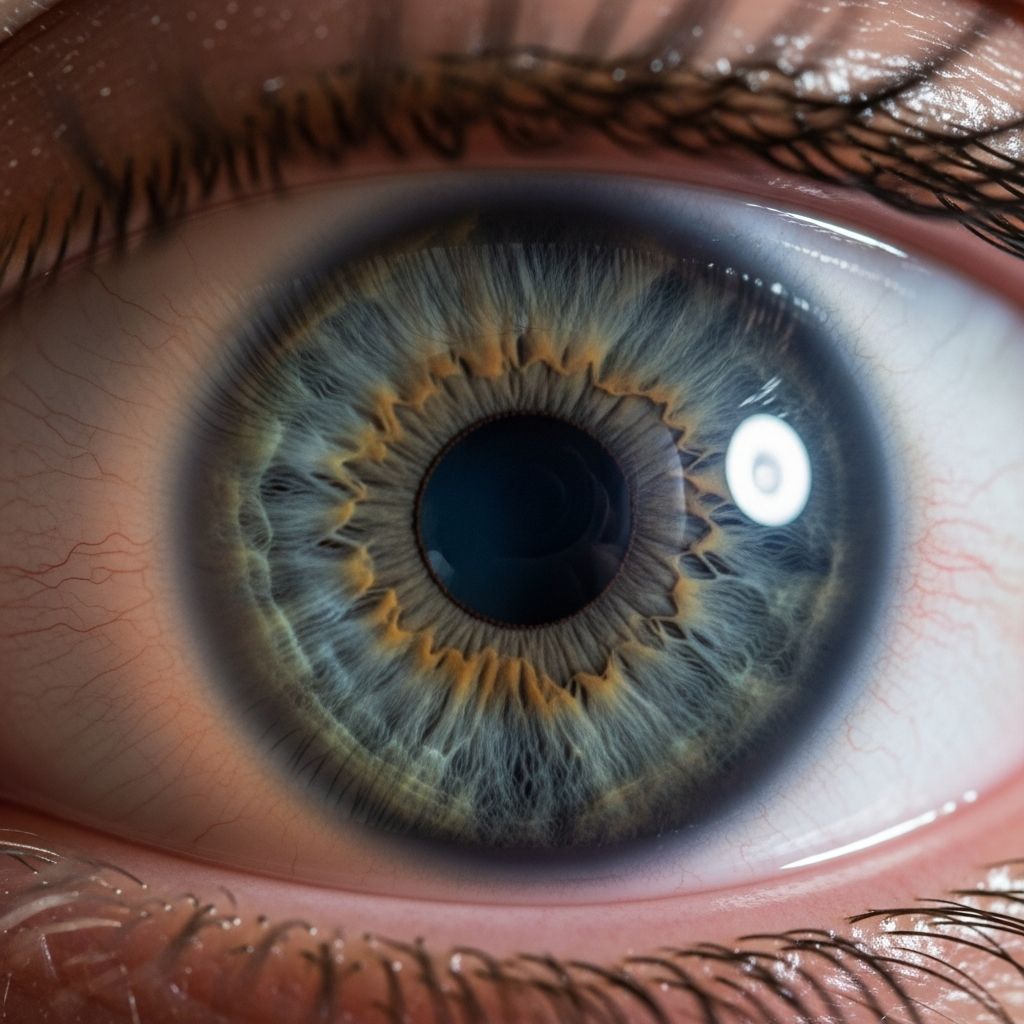
The cornea, the eye’s clear front surface, relies on a precise balance of fluids to maintain transparency and sharp vision. When this balance disrupts, fluid accumulates, causing
corneal edema
—a swelling that clouds vision and induces discomfort. This condition affects people across ages, often linked to endothelial cell dysfunction, the layer responsible for pumping excess fluid out. Early intervention can prevent progression, preserving visual clarity.The Science Behind Corneal Swelling
Corneal edema arises from excess extracellular fluid in the epithelium and stroma, increasing thickness and reducing transparency. The endothelium normally maintains stromal hydration at optimal levels through active pumping against imbibition pressure from glycosaminoglycans. When endothelial cells dwindle—due to dystrophy, trauma, or surgery—dehydration fails, leading to haze, glare, and potential blistering.
Normal corneal thickness hovers around 550 microns, but edema can double it, distorting light refraction. Acute cases emerge post-surgery or injury, while chronic forms build gradually from diseases like Fuchs’ endothelial dystrophy.
Primary Triggers of Corneal Fluid Buildup
Several factors compromise endothelial function, initiating edema. Genetic dystrophies top the list:
- Fuchs’ Endothelial Dystrophy (FED): Progressive cell loss, prevalent post-50, more in women.
- Posterior Polymorphous Corneal Dystrophy (PPCD): Inherited endothelial abnormalities.
- Congenital Hereditary Endothelial Dystrophy (CHED): Present from birth.
Surgical complications, especially cataract procedures, damage endothelium via instruments or inflammation. Trauma from blows, chemicals, or punctures directly impairs cells. Inflammatory issues like viral keratitis, endotheliitis, uveitis, or herpes add to risks. Elevated intraocular pressure from glaucoma strains the endothelium. Toxic exposures, including drugs like amiodarone or contact lens overuse, exacerbate swelling.
Recognizing Symptoms of Corneal Edema
Early signs include blurred morning vision that clears later, evolving to persistent haze. Patients report glare, halos around lights, light sensitivity, and foreign body sensation. Advanced stages bring pain from epithelial blisters (bullous keratopathy) and reduced acuity.
| Stage | Symptoms | Common Triggers |
|---|---|---|
| Early/Mild | Intermittent blur, glare | Post-op, mild dystrophy |
| Moderate | Constant haze, discomfort | Glaucoma, inflammation |
| Severe/Chronic | Pain, blisters, vision loss | Fuchs’, trauma |
Diagnostic Approaches for Accurate Assessment
Ophthalmologists use slit-lamp exams to detect stromal haze and guttae—endothelial excrescences in Fuchs’. Pachymetry measures thickness quantitatively. Specular microscopy counts endothelial cell density, crucial for dystrophy monitoring. Anterior segment OCT visualizes layers non-invasively, tracking edema progression. Tonometry checks pressure, as glaucoma contributes.
Non-Surgical Management Strategies
Conservative treatments target symptom relief and fluid reduction for mild or acute edema.
Hypertonic Solutions
5% sodium chloride drops or ointment draw fluid osmotically, thinning the cornea and easing blur. Nighttime ointment maximizes effect during low tear production.
Medications for Underlying Inflammation
Steroid drops like prednisolone reduce endothelial inflammation in endotheliitis or post-op cases. Anti-glaucoma meds lower pressure to protect endothelium. Antivirals combat herpes-related swelling.
Related Stories



Supportive Measures
- Avoid contact lenses to prevent irritation.
- Use preservative-free artificial tears for lubrication.
- Bandage contact lenses temporarily shield blistered epithelium.
These suit early Fuchs’ or resolving acute edema, but chronic cases demand escalation.
Advanced Surgical Interventions
When endothelium fails irreparably, surgery replaces dysfunctional cells, restoring pump function.
Endothelial Keratoplasty Techniques
Partial-thickness transplants preserve patient tissue:
- Descemet Stripping Automated Endothelial Keratoplasty (DSAEK): Injects donor posterior stroma and endothelium; recovery in weeks.
- Descemet Membrane Endothelial Keratoplasty (DMEK): Ultra-thin donor layer for faster healing, better vision.
Success rates exceed 95%, with rejection risks low.
Full-Thickness Penetrating Keratoplasty (PK)
Reserved for severe scarring or failed partial grafts, replacing entire cornea. Longer recovery but effective for complex cases.
Emerging Options
Rho kinase inhibitors like ripasudil boost endothelial regeneration post-surgery. For Fuchs’, selective layer removal without transplant shows promise.
| Procedure | Benefits | Recovery Time | Suitability |
|---|---|---|---|
| DSAEK | Strong attachment, durable | 1-3 months | Moderate edema |
| DMEK | Superior optics, quick rehab | 1-4 weeks | Unscarred cases |
| PK | Handles all pathologies | 6-12 months | Severe/failed grafts |
Preventive Steps and Lifestyle Adjustments
Monitor high-risk individuals with family history or post-op checks. Control glaucoma promptly. Minimize toxic exposures and adhere to post-surgical drops. Healthy habits like UV protection and balanced hydration support endothelial health.
Prognosis and Long-Term Monitoring
Acute edema often resolves with care, but chronic demands vigilant follow-up to avert decompensation. Post-transplant patients enjoy decades of clarity, though rejection vigilance is key. Regular exams track cell counts and thickness.
Frequently Asked Questions (FAQs)
Can corneal edema resolve without surgery?
Yes, mild cases from surgery or inflammation often improve with drops and time.
Is Fuchs’ dystrophy the only cause?
No, trauma, infections, glaucoma, and procedures also contribute.
How quickly does treatment work?
Hypertonics offer relief in days; surgeries restore vision in weeks to months.
What are risks of untreated edema?
Progressive vision loss, pain, and infections from blisters.
Who needs endothelial keratoplasty?
Those with persistent swelling despite meds, low cell counts.
Consult specialists for tailored plans, as individual factors dictate optimal paths.
References
- Corneal Edema – EyeWiki — American Academy of Ophthalmology EyeWiki. 2023-10-15. https://eyewiki.org/Corneal_Edema
- Corneal Edema Washington, DC — Edinger Eye Physicians. 2024-05-20. https://www.edow.com/eye-conditions/corneal-edema-washington-dc/
- What Are The Causes Of Corneal Edema? — Fort Lauderdale Eye Institute. 2023-11-10. https://flei.com/what-are-the-causes-of-corneal-edema/
- Corneal Edema: Symptoms, Causes, and Treatments — WebMD. 2024-02-28. https://www.webmd.com/eye-health/corneal-edema
- What Is Corneal Edema? — Vector Eye Centre. 2023-09-05. https://vectoreyecentre.com/what-is-corneal-edema/
- Corneal Swelling Treatment — Refocus Eye Doctors. 2024-01-12. https://trappe.refocuseyedoctors.com/article/corneal-swelling-treatment/
Similar Articles








Read full bio of medha deb