Corneal Transplantation Guide: Types, Recovery, Risks
Discover how corneal transplants restore vision for those with damaged corneas, exploring modern techniques, recovery, and life-changing outcomes.
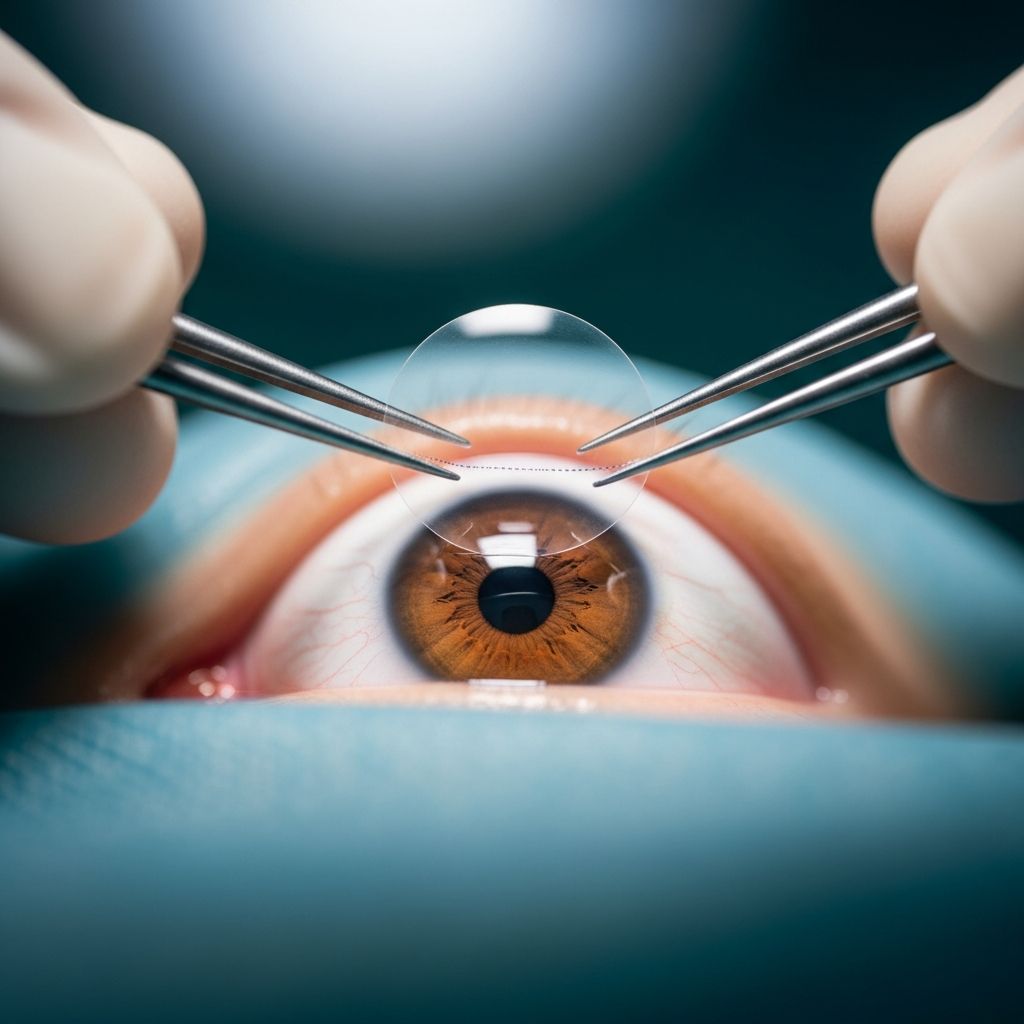
The cornea, the eye’s clear front surface, is vital for focusing light and enabling sharp vision. When diseases, injuries, or genetic conditions damage it, a corneal transplant can replace the affected tissue with healthy donor material, often dramatically improving sight. This procedure, known medically as keratoplasty, has evolved with advanced techniques that target specific corneal layers for faster recovery and better results.
Understanding Corneal Conditions Requiring Transplants
Corneal damage disrupts the eye’s optical clarity, leading to blurred vision, pain, or light sensitivity. Common culprits include keratoconus, where the cornea thins and bulges into a cone shape; Fuchs’ dystrophy, affecting the inner endothelial layer and causing swelling; and injuries from trauma, infections, or chemical burns.
- Keratoconus: Progresses gradually, distorting vision; often strikes young adults.
- Fuchs’ Endothelial Dystrophy: Targets older individuals, leading to corneal edema and glare.
- Bacterial Keratitis: Severe infections scarring the cornea.
- Post-Surgical Complications: Failed prior grafts or cataract surgery issues.
Early diagnosis via corneal topography and slit-lamp exams determines transplant candidacy, preserving vision before irreversible loss occurs.
Types of Corneal Transplant Procedures
Modern keratoplasty options match treatment to damage location, minimizing healthy tissue removal. Full-thickness replacements suit extensive disease, while partial methods preserve natural structure.
| Procedure | Target Layers | Best For | Key Advantages |
|---|---|---|---|
| Penetrating Keratoplasty (PKP) | Full thickness | Advanced keratoconus, scars | Proven for severe cases |
| Deep Anterior Lamellar Keratoplasty (DALK) | Outer/middle layers | Stromal diseases | Retains healthy endothelium |
| Endothelial Keratoplasty (DSEK/DMEK) | Inner layers | Fuchs’ dystrophy | Quick recovery, sutureless |
PKP involves excising a central corneal button and suturing in donor tissue, ideal for multifaceted damage. DALK removes anterior stroma, grafting over intact endothelium to cut rejection risk. Endothelial variants like DSEK replace broader inner sections, while DMEK uses ultra-thin (10-micron) grafts for superior optics.
Preparation for Corneal Transplant Surgery
Once deemed necessary, patients join eye bank waitlists prioritizing urgent cases. Donor corneas undergo rigorous screening for viability and disease-free status.
Pre-op evaluation includes blood work, EKGs, imaging, and eye metrics to ensure safety. Fasting post-midnight precedes anesthesia—local with sedation or general. Patients receive instructions on medications, avoiding contacts, and arranging post-op transport.
Step-by-Step Surgical Process
Performed outpatient under microscope magnification, surgeries last 1-2 hours.
- Anesthesia and Prep: Eye numbed; sterile draping applied.
- Incision and Removal: Trephine cuts precise disk (PKP) or small side opening (DMEK, ~3mm). Diseased tissue peeled or excised.
- Graft Placement: Donor cornea positioned; air bubble secures endothelial grafts sans sutures.
- Suturing: Fine nylon stitches (hair-thin) anchor full/partial grafts.
- Closure: Integrity checked; protective shield applied.
DMEK’s finesse—scrolling graft unrolls via tiny incision—exemplifies precision, with bubbles pressing tissue to host.
Related Stories



Immediate Post-Operative Care and Recovery Timeline
Patients rest briefly post-anesthesia, vision hazy initially. Discharge same day with shields and drops.
- Week 1: Frequent checks; avoid bending/strenuous activity.
- Months 1-3: Rejection-preventing steroids; suture tweaks.
- 6-12 Months: Full healing; stitch removal if needed.
Endothelial procedures recover faster—vision stabilizes weeks vs. months for PKP. Adherence curbs complications like infection or elevated pressure.
Risks, Complications, and Prevention Strategies
Success exceeds 90% for clear grafts, but vigilance matters.
| Risk | Frequency | Management |
|---|---|---|
| Graft Rejection | Low (5-20%) | Immunosuppressants, prompt steroids |
| Infection | Rare | Antibiotics, hygiene |
| Astigmatism | Common initially | Suture adjustment, glasses |
| Glaucoma | Variable | Pressure drops, monitoring |
Rejection signals—redness, pain, vision drop—demand urgent care. Lifestyle tweaks like UV protection and no eye-rubbing aid longevity.
Long-Term Outcomes and Success Rates
Transplants restore functional vision for most; 75% PK grafts last 10+ years. Endothelial types yield crisper sight, fewer refractions. Factors boosting success: young age, compliant follow-up, non-complex cases. Innovations like femtosecond lasers enhance precision.
Life After a Successful Transplant
Patients resume driving, reading within months, often ditching thick lenses. Regular exams track graft health; many achieve 20/40+ acuity. Emotional gains—independence, joy—underscore impacts.
The Role of Cornea Donation
One donor aids 1-2 recipients; banks match tissue via HLA typing. Registering saves sight; simple post-mortem process. Global shortages highlight needs.
Frequently Asked Questions (FAQs)
Is corneal transplant painful?
Anesthesia ensures no pain during; mild discomfort follows, managed by meds.
How long until I drive?
1-4 weeks for endothelial; 1-3 months full-thickness, per healing.
Can transplants be repeated?
Yes, though risks rise; many succeed secondarily.
Does insurance cover it?
Often yes; verify with providers[general knowledge].
What if I’m not a donor candidate?
Artificial options like keratoprosthesis exist.
References
- Stages Of Corneal Transplant Surgery — Eye Bank Association of America. 2023. https://www.eyedonation.org/stages-of-corneal-transplant-surgery/
- Cornea transplant — NHS UK. 2024-02-15. https://www.nhs.uk/tests-and-treatments/cornea-transplant/
- Cornea transplant — Mayo Clinic. 2025-01-10. https://www.mayoclinic.org/tests-procedures/cornea-transplant/about/pac-20385285
- Corneal Transplant Surgery — Westwood Ophthalmology Associates. 2024. https://westwoodeye.com/article/corneal-transplants/
- Cornea Transplant: What It Treats, What Happens, Risks & Benefits — Cleveland Clinic. 2025. https://my.clevelandclinic.org/health/treatments/17714-cornea-transplant
- Latest Technique for Corneal Transplants: Improved Vision — Mount Sinai Health System. 2024-06-20. https://health.mountsinai.org/blog/latest-technique-for-corneal-transplants-gives-patients-new-hope-for-improved-vision/
Similar Articles








Read full bio of medha deb