Corneal Transplantation: Restoring Vision Through Surgery
Comprehensive guide to corneal transplant surgery, procedures, recovery, and outcomes.
Understanding Corneal Transplantation
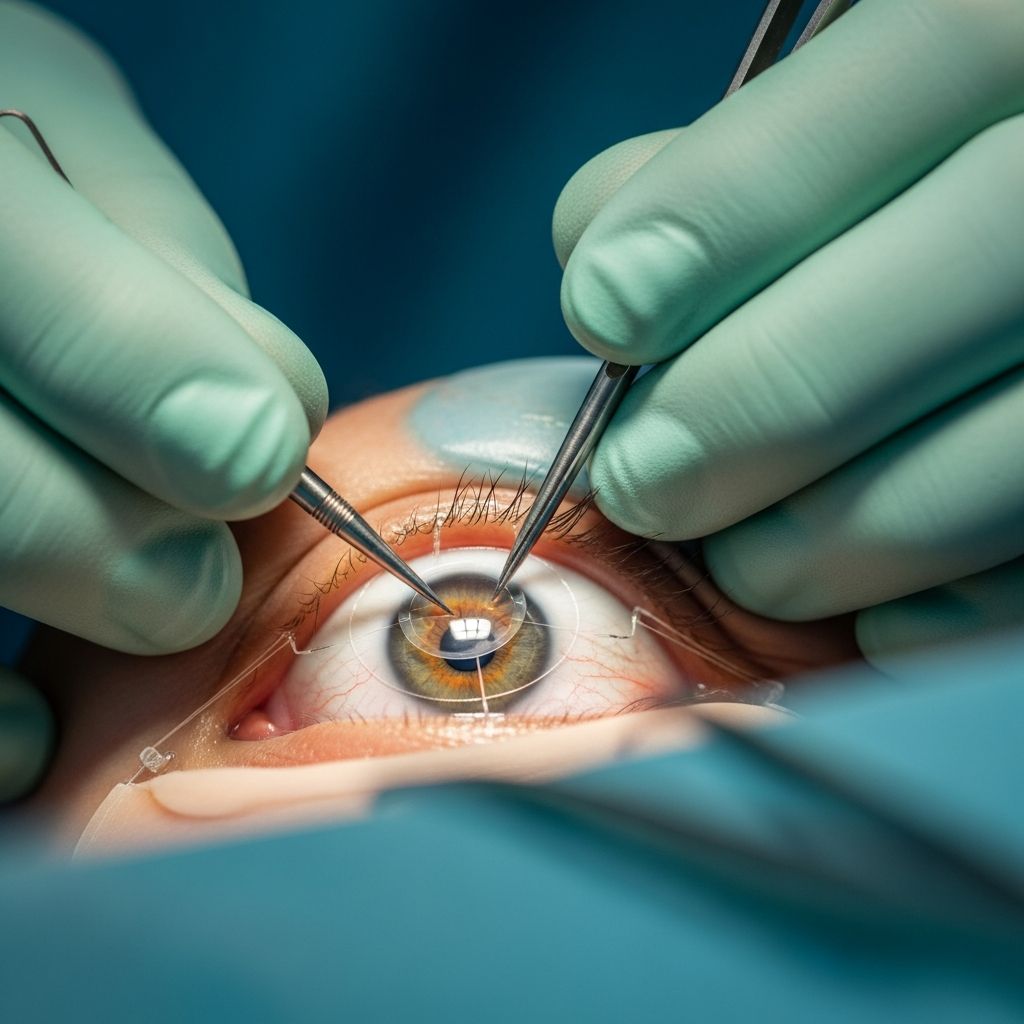
Corneal transplantation, also known as keratoplasty, is a surgical procedure designed to replace a damaged or diseased cornea with healthy donor tissue. The cornea is the clear front layer of the eye that plays a crucial role in focusing light onto the retina, enabling clear vision. When the cornea becomes scarred, cloudy, or weakened due to disease or injury, it can significantly impair vision. Corneal transplantation offers hope to patients suffering from various corneal conditions, potentially restoring sight and improving quality of life. This procedure has been refined over decades and remains one of the most successful transplant surgeries performed today.
Types of Corneal Transplant Procedures
Several different surgical techniques are available for corneal transplantation, each suited to specific corneal conditions and patient needs. The choice of procedure depends on which layers of the cornea are affected and the underlying eye condition.
Penetrating Keratoplasty (PK)
Penetrating keratoplasty is the traditional full-thickness corneal transplant where the entire damaged cornea is replaced with a donor cornea. In this procedure, a circular portion of the patient’s cornea is completely removed using a specialized instrument called a trephine, which makes a precise circular cut. The healthy donor cornea, obtained from a deceased donor, is then carefully positioned and sutured into place using ultra-fine stitches. This technique is commonly used for patients with extensive corneal scarring, keratoconus, corneal dystrophies, or severe thinning. While PK remains an effective option, it involves replacing all corneal layers and may have a longer recovery period compared to newer partial-thickness techniques.
Deep Anterior Lamellar Keratoplasty (DALK)
Deep anterior lamellar keratoplasty is a partial-thickness procedure in which only the outer and middle layers of the cornea are replaced, while the healthy inner layer (endothelium and Descemet membrane) is preserved. This technique is particularly beneficial for patients with conditions affecting only the anterior corneal layers, such as keratoconus or anterior corneal scarring. By preserving the patient’s own endothelium, DALK reduces the risk of endothelial cell rejection, which is a common cause of graft failure. However, DALK requires advanced surgical skill and precise layer-by-layer dissection, making it technically challenging for surgeons.
Descemet’s Membrane Endothelial Keratoplasty (DMEK)
Descemet’s membrane endothelial keratoplasty focuses exclusively on replacing the innermost layer of the cornea—the endothelium and Descemet membrane. This minimally invasive procedure is typically used for conditions like Fuchs’ corneal dystrophy, where the endothelial cells fail to function properly, causing corneal swelling and clouding. DMEK involves creating a small incision and carefully inserting the donor tissue into the anterior chamber of the eye. The graft is then positioned and secured with an air bubble to ensure proper adherence. DMEK generally offers quicker visual recovery compared to full-thickness transplants and has become increasingly popular due to its minimal invasiveness and favorable outcomes.
Descemet Stripping Endothelial Keratoplasty (DSEK)
Similar to DMEK, descemet stripping endothelial keratoplasty is used to replace the innermost corneal layer for endothelial diseases. DSEK involves removing the patient’s damaged endothelium and Descemet membrane and replacing them with healthy donor tissue. While slightly more invasive than DMEK, DSEK remains a less invasive option compared to penetrating keratoplasty and typically involves shorter recovery times. This procedure has been widely adopted and refined over the years, with excellent outcomes for patients with endothelial disorders.
The Corneal Transplant Procedure
Pre-Surgical Evaluation
Before undergoing corneal transplant surgery, patients must complete a comprehensive pre-surgical evaluation. During this assessment, your eye doctor will conduct a detailed eye examination to evaluate your specific condition and determine the most appropriate surgical approach. Measurements of corneal thickness, shape, and overall health are taken to establish a baseline and guide surgical planning. This evaluation ensures that you are a suitable candidate for surgery and helps identify any potential complications. Your surgeon will also review your medical history, current medications, and any previous eye surgeries to optimize outcomes.
Related Stories



Pre-Surgery Preparation
Proper preparation is essential for successful corneal transplant surgery. Patients are typically instructed not to eat or drink for at least 6 hours before surgery. This fasting requirement is standard for procedures involving general anesthesia to prevent complications. Your eye care team will provide detailed pre-operative instructions, including information about which medications to continue or discontinue, what to wear, and what to bring to the surgical facility. You should arrange for someone to drive you home after surgery, as you will not be able to drive immediately following the procedure.
Surgical Steps
Corneal transplant surgery typically takes 1 to 2 hours and can be performed under either local or general anesthesia, depending on patient preference and medical circumstances. Here are the key steps involved in the procedure:
Step 1: Anesthesia Administration
Before surgery begins, anesthesia is administered to ensure your comfort and safety throughout the procedure. General anesthesia puts you to sleep completely, while local anesthesia with sedation numbs your eye while keeping you awake but relaxed. Your surgeon and anesthesiologist will discuss which option is best for your situation.
Step 2: Eye Positioning
An eyelid speculum is gently inserted to hold your eye open during surgery. The eye is then secured using either a scleral fixation ring or temporary sutures to maintain proper positioning throughout the procedure. This allows your surgeon to have optimal access and visualization of the cornea.
Step 3: Cornea Removal
A specialized surgical instrument called a trephine—a circular cutting blade—is used to precisely remove the damaged corneal tissue. For penetrating keratoplasty, the trephine cuts through the entire thickness of the cornea to remove a button-sized disc of tissue. For partial-thickness procedures like DALK, the trephine cuts through only the affected layers. The diameter of the graft is carefully measured, with the donor tissue typically being 0.25 to 0.5 mm larger than the recipient site to ensure proper fit.
Step 4: Donor Cornea Placement
Once the diseased cornea has been removed, the healthy donor cornea is carefully positioned in the opening. For full-thickness transplants, the entire donor cornea fills the opening. For partial-thickness procedures like DMEK, the donor graft may be folded or rolled for insertion through a smaller incision before being unfolded in the anterior chamber.
Step 5: Suture Placement
The donor cornea is secured in place using ultra-fine sutures (stitches) that are carefully placed around the graft perimeter. These sutures are meticulously rotated to bury the knots, which helps prevent irritation and infection. The number and pattern of sutures vary depending on the surgical technique used. For DMEK and DSEK procedures, an air bubble may be injected into the anterior chamber to support graft adherence and ensure proper positioning.
Step 6: Post-Operative Protection
After the graft has been secured, the eye is protected with an eye pad and protective shield. This shield prevents accidental contact with the eye during the immediate post-operative period. You will be able to return home after the anesthetic has worn off, typically within a few hours.
Recovery and Post-Operative Care
Immediate Post-Operative Period
Following corneal transplant surgery, careful post-operative care is essential for successful healing and graft acceptance. You should have someone stay with you overnight after surgery. Although the procedure is generally safe, having assistance during the first 24 hours helps ensure you follow post-operative instructions and manage any discomfort.
Eye Examination Schedule
A follow-up appointment is typically scheduled for the day after surgery to assess healing and check graft status. Regular eye examinations during the first few weeks and months following surgery monitor for complications and ensure proper graft integration. Your surgeon will evaluate corneal clarity, intraocular pressure, and visual function at these visits.
Medication Management
Post-operative medications typically include antibiotic eye drops to prevent infection and corticosteroid drops to reduce inflammation and prevent rejection. These medications must be used exactly as prescribed. Initial dosing is usually frequent (every hour or several times daily) and gradually tapers over weeks to months. Strict adherence to the medication regimen significantly improves graft success rates.
Activity Restrictions
Patients must avoid strenuous activities, heavy lifting, and contact sports during the healing period, which typically lasts several weeks to months. Swimming and hot tubs should be avoided to prevent infection. Your eye should be protected from dust and environmental irritants. Sunglasses should be worn outdoors to protect the healing cornea from UV exposure and wind.
Suture Removal
Sutures placed during corneal transplant surgery may be removed at later visits, typically between 3 and 12 months post-operatively, depending on healing progress and the surgical technique used. Your surgeon determines the timing of suture removal based on individual healing patterns and corneal stability. Selective suture removal may be performed to reduce astigmatism if needed.
Factors Affecting Success and Outcomes
Graft Success Rates
Corneal transplantation has excellent success rates, with approximately 90% of corneal grafts remaining clear one year after surgery. Five-year success rates are typically between 70-80%, depending on the surgical technique and patient factors. Partial-thickness procedures like DMEK and DSEK often have higher success rates compared to penetrating keratoplasty because they preserve the patient’s healthy endothelial cells, reducing rejection risk.
Factors Influencing Outcomes
Several factors can affect corneal transplant outcomes, including the patient’s age, overall health, the underlying corneal condition, and post-operative compliance with medications and follow-up care. Patients with certain conditions, such as chemical burns or Stevens-Johnson syndrome, may have lower graft survival rates. Older donor corneas may have lower endothelial cell counts, affecting transplant longevity. Strict adherence to post-operative medications and regular follow-up appointments significantly improves outcomes.
Potential Complications and Management
Graft Rejection
Although corneal tissue is considered immune-privileged (less likely to provoke rejection than other tissues), graft rejection can still occur. Symptoms include redness, light sensitivity, pain, and decreased vision. Immediate treatment with increased corticosteroid therapy can often reverse acute rejection episodes.
Infection
Post-operative infection, though uncommon, can threaten graft success. Strict adherence to antibiotic drop regimens and avoiding contamination reduces infection risk. Any signs of infection should be reported immediately to your surgeon.
Astigmatism
Induced astigmatism (irregular curvature) can occur due to suture placement or wound healing. Selective suture removal or contact lenses may help manage this complication.
Secondary Glaucoma
Increased intraocular pressure can develop after corneal transplantation. Regular pressure monitoring and appropriate medical or surgical management help preserve vision.
Frequently Asked Questions
Q: How long does corneal transplant surgery take?
A: Corneal transplant surgery typically takes 1 to 2 hours, depending on the complexity of the case and the surgical technique used.
Q: What is the difference between full-thickness and partial-thickness corneal transplants?
A: Full-thickness transplants (penetrating keratoplasty) replace the entire cornea, while partial-thickness transplants replace only the affected layers. Partial-thickness procedures preserve healthy corneal tissue and often have faster recovery and lower rejection rates.
Q: How long does recovery take after corneal transplant surgery?
A: Initial healing occurs within weeks, but complete visual recovery can take 3 to 12 months. Full stabilization may take up to a year or longer. DMEK and DSEK procedures typically have faster recovery than penetrating keratoplasty.
Q: Will I need to wear glasses or contact lenses after corneal transplant surgery?
A: Many patients require glasses or contact lenses after transplantation to achieve optimal vision, as the new cornea may have different refractive properties than the original cornea.
Q: What is the success rate for corneal transplant surgery?
A: Approximately 90% of corneal grafts remain clear one year after surgery, with 5-year success rates between 70-80%. Success rates vary based on the surgical technique and patient factors.
Q: Can corneal transplants be rejected?
A: Yes, although corneal tissue is relatively immune-privileged, graft rejection can occur. Taking prescribed corticosteroid drops and attending regular follow-up appointments reduce rejection risk.
Q: Is corneal transplant surgery painful?
A: No, corneal transplant surgery is not painful because anesthesia is administered before the procedure. Patients may experience mild discomfort during recovery, managed with prescribed medications.
Q: How long will a corneal transplant last?
A: Corneal grafts can last many years or even a lifetime with proper care. However, some grafts may eventually fail and require repeat transplantation.
References
- Corneal Transplant Surgery: A Complete Guide to Keratoplasty — Tandon Eye Hospital. 2024. https://tandoneyehospital.com/corneal-transplant-surgery-a-complete-guide-to-keratoplasty/
- Corneal Transplant Surgery — Eye Institute. 2024. https://eyeinstitute.co.nz/corneal-transplant-surgery/
- An Introduction to Corneal Transplantation — EyeRounds. 2024. https://eyerounds.org/tutorials/cornea-transplant-intro/
- Cornea Transplantation — StatPearls, National Center for Biotechnology Information, National Library of Medicine. 2024. https://www.ncbi.nlm.nih.gov/books/NBK539690/
- Corneal Transplant Surgery, Including PK, DSEK and DMEK — LASIK NYC. 2024. https://lasiknyc.com/penetrating-keratoplasty
- Cornea Transplant — Mayo Clinic. 2024. https://www.mayoclinic.org/tests-procedures/cornea-transplant/about/pac-20385285
Similar Articles








Read full bio of medha deb