Corneal Ulcer Complete Guide: Symptoms, Causes, Treatment
Discover the symptoms, causes, treatments, and prevention strategies for corneal ulcers to safeguard your vision effectively.
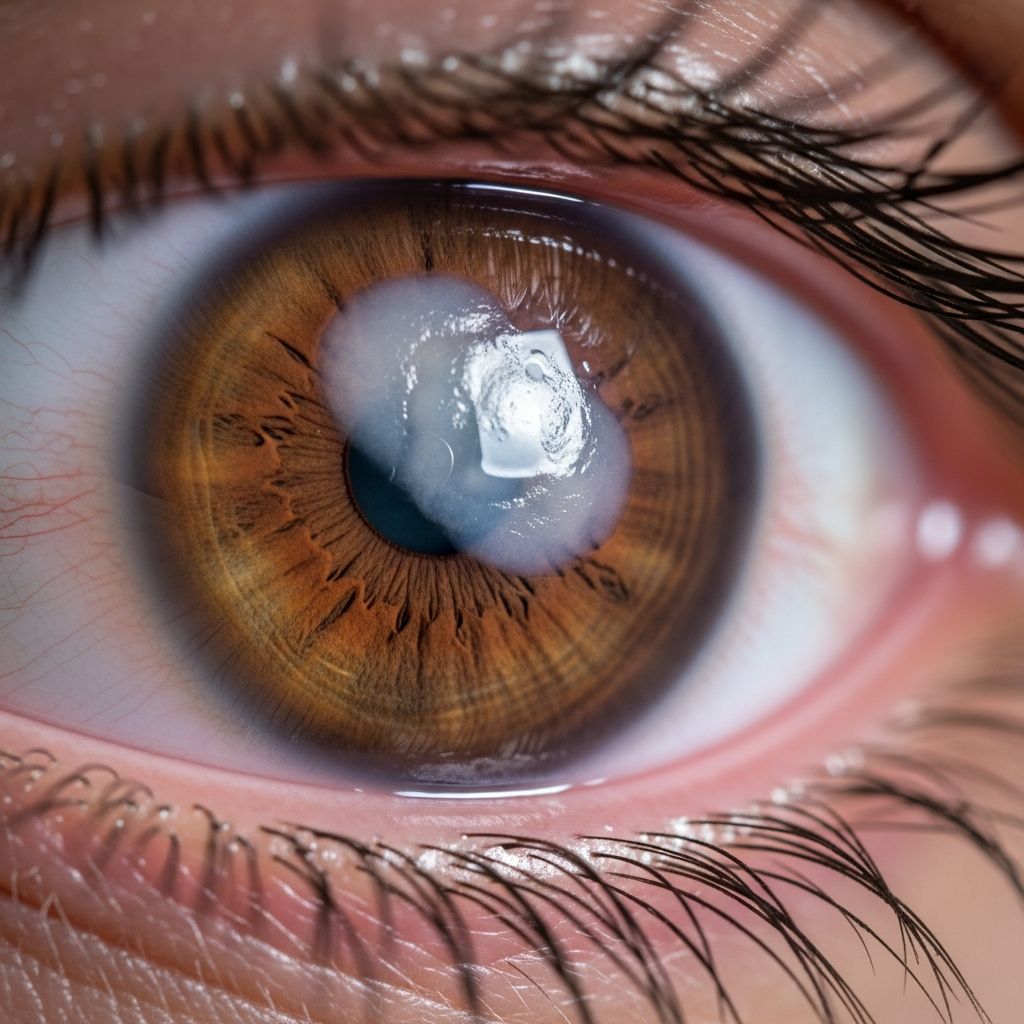
The cornea, the clear front layer of the eye, acts as a vital shield and focusing lens. When it develops an open sore known as a corneal ulcer, it can lead to intense pain, vision impairment, and even permanent damage if not addressed swiftly. This condition demands immediate medical attention to halt progression and preserve eyesight.
Recognizing the Warning Signs of a Corneal Ulcer
Early detection hinges on spotting key indicators. A corneal ulcer often strikes suddenly, bringing a cascade of uncomfortable and alarming symptoms that disrupt daily life.
- Intense Eye Pain: Sharp or throbbing discomfort that worsens with blinking or exposure to light, often described as one of the most severe pains in eye conditions.
- Redness and Swelling: The white of the eye turns bloodshot, with puffiness around the eyelids signaling inflammation.
- Blurred or Hazy Vision: Sight becomes cloudy, especially if the ulcer sits centrally on the cornea, potentially leading to scarring.
- Light Sensitivity (Photophobia): Even dim light feels piercing, prompting squinting or avoidance of bright areas.
- Excessive Tearing or Discharge: Watery eyes or thick, pus-like secretion, particularly upon waking, indicate active infection.
- Foreign Body Sensation: A persistent gritty feeling as if sand particles are trapped under the eyelid.
- Visible Opacity: A grayish-white spot on the cornea’s surface marks the ulcer site.
These symptoms can mimic other eye issues like conjunctivitis, but their severity—especially pain and vision changes—sets corneal ulcers apart. Delaying care risks corneal perforation or blindness.
What Triggers Corneal Ulcers? Breaking Down the Causes
Corneal ulcers arise when the eye’s outer barrier breaks down, allowing irritants or pathogens entry. Causes split into infectious and noninfectious categories, each with distinct risk profiles.
Infectious Triggers: Pathogens Invading the Cornea
Infections dominate, accounting for most cases, particularly among contact lens users.
- Bacterial: Pathogens like Pseudomonas aeruginosa, Staphylococcus, and Streptococcus thrive in moist environments, often entering via contaminated lenses or poor hygiene. Contact lens overuse elevates risk dramatically.
- Viral: Herpes simplex virus (causing cold sores) and varicella-zoster (shingles/chickenpox) can recur, eroding corneal tissue during flare-ups triggered by stress or sunlight.
- Fungal: Fungi from plant matter, soil, or steroid drops infect after trauma, progressing slowly but destructively.
- Parasitic: Acanthamoeba, lurking in tap water, pools, or hot tubs, poses a severe threat to lens wearers who rinse lenses improperly.
Noninfectious Contributors: When the Cornea Weakens Without Germs
Not all ulcers stem from microbes; mechanical or systemic issues can erode the cornea too.
- Trauma: Scratches, chemical burns, or foreign objects puncture the surface, inviting secondary infection.
- Dry Eye Syndrome: Insufficient tears leave the cornea vulnerable to cracking and ulceration.
- Eyelid Dysfunction: Conditions like Bell’s palsy prevent full closure, exposing the cornea overnight.
- Autoimmune Diseases: Rheumatoid arthritis or lupus inflame the cornea, fostering sterile ulcers.
| Type | Examples | Key Risk Factors |
|---|---|---|
| Infectious | Bacteria, Viruses, Fungi, Parasites | Contact lenses, trauma, poor hygiene |
| Noninfectious | Injury, Dryness, Autoimmune | Chronic conditions, exposure |
Risk Factors: Who Is Most Vulnerable?
Certain habits and health states heighten susceptibility. Contact lens wear tops the list, with improper use (e.g., sleeping in lenses, swimming with them) implicated in rising cases. Other factors include prior eye infections, immunosuppression, and chronic dryness. Farmers or gardeners face fungal risks from organic debris, while viral history predicts recurrences.
Related Stories



How Eye Specialists Diagnose Corneal Ulcers
Diagnosis starts with a detailed history and slit-lamp exam, where fluorescein dye highlights ulcers under blue light, revealing shape and depth. Cultures from swabs or scrapings identify pathogens, guiding therapy. Advanced imaging tracks healing. Prompt evaluation prevents complications like thinning or perforation.
Treatment Strategies: Halting the Damage
Treatment is aggressive and tailored to the cause, often starting empirically while awaiting lab results.
- Antibiotics: Frequent topical drops (e.g., fluoroquinolones) for bacteria, administered hourly initially.
- Antifungals/Antivirals: Specific agents like natamycin for fungi or acyclovir for viruses.
- Acanthamoeba Therapy: Biguanides and diamidines, paired with pain relief and hygiene overhaul.
- Supportive Care: Cycloplegics ease pain, lubricants combat dryness, and patches or bandages aid healing.
- Surgical Options: Corneal transplant (keratoplasty) for perforations or scars threatening vision.
Healing spans weeks; close monitoring ensures compliance and adjustment. Noninfectious cases may need anti-inflammatories or moisture therapy.
Preventing Corneal Ulcers: Practical Steps for Eye Safety
Proactive measures slash risks, especially for lens users.
- Follow lens protocols: Clean daily, never sleep in them, avoid water exposure.
- Protect eyes: Wear goggles during activities, seek care for injuries promptly.
- Manage dryness: Use preservative-free drops, treat underlying issues.
- Monitor health: Control autoimmune conditions and viral outbreaks.
Potential Complications and Long-Term Outlook
Untreated ulcers scar the cornea, distorting vision or causing glaucoma from inflammation. Perforation requires emergency surgery. With timely intervention, most heal without lasting effects, though central scars may need contacts or grafts. Regular follow-ups track recovery.
Frequently Asked Questions (FAQs)
Is a corneal ulcer contagious?
Infectious types can spread via shared items or poor hygiene, but noninfectious ones do not.
How long does recovery take?
Typically 1-3 weeks with treatment, varying by cause and severity.
Can I wear contacts again after an ulcer?
Yes, after full healing and specialist clearance, with stricter hygiene.
What if home remedies don’t help?
Never self-treat; seek urgent ophthalmology care to avoid vision loss.
Does dry eye always lead to ulcers?
No, but severe cases increase risk without management.
References
- Understanding Corneal Ulcer Causes: Key Insights for Patients — Pacific Eye MD. 2023. https://www.pacificeyemd.com/understanding-corneal-ulcer-causes-key-insights-for-patients/
- Corneal Ulcer: Symptoms, Causes & Treatment — Cleveland Clinic. 2023-10-27. https://my.clevelandclinic.org/health/diseases/22524-corneal-ulcer
- Corneal Ulcers: Causes, Diagnosis, and Treatment — Advanced Eye NJ. 2024. https://advancedeyenj.com/article/corneal-ulcers/
- Corneal Ulcer: Symptoms, Causes, Treatment — West Boca Eye Center. 2023. https://www.westbocaeyecenter.com/post/corneal-ulcer-symptoms-causes-treatment
- Corneal Ulcer Treatment — Bennett & Bloom Eye Centers. 2024. https://www.eyecenters.com/eye-care-services/cornea/corneal-ulcer/
- Corneal Ulcers: Symptoms, Causes, and Treatment — ReFocus Eye Health North Wales. 2024. https://north-wales.refocuseyedoctors.com/article/corneal-ulcers-symptoms-causes-and-treatment/
- Corneal Ulcer — Cedars-Sinai. 2023. https://www.cedars-sinai.org/health-library/diseases-and-conditions/c/corneal-ulcer.html
Similar Articles








Read full bio of Sneha Tete