Corneal Wrinkles: 3 Causes And Effective Treatments
Discover the hidden reasons behind corneal wrinkles, from surgical aftermaths to age-related shifts, and explore proven treatments for clearer vision.
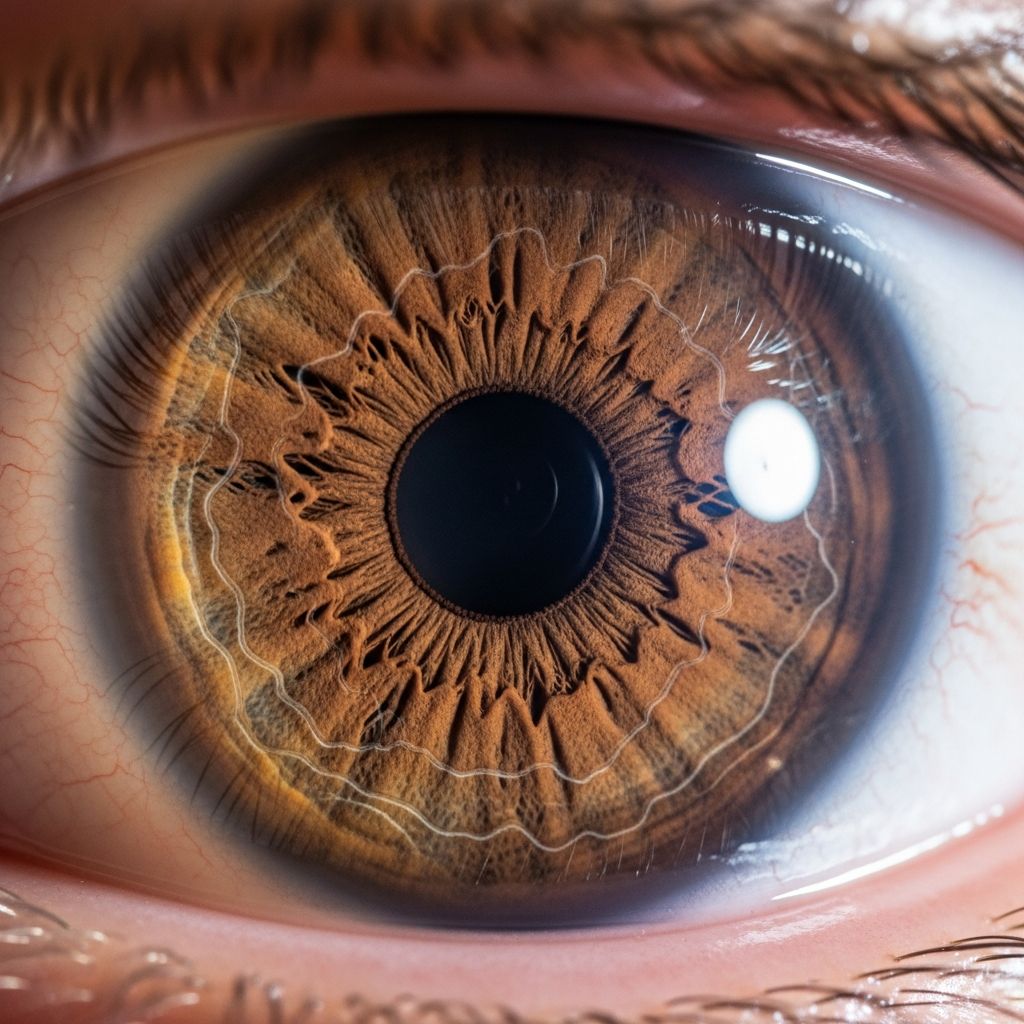
The cornea, the eye’s transparent front layer, maintains clarity for sharp vision. When wrinkles or folds appear on its surface, they can blur sight and trigger discomfort. These irregularities, often termed striae or folds, stem from diverse factors ranging from surgical procedures to natural aging processes.
Understanding the Cornea’s Role in Vision
The cornea acts as a protective dome, refracting light to focus images on the retina. Its smooth, uniform surface is vital; any disruption like wrinkles scatters light, leading to distorted views. Composed of five layers, the cornea relies on collagen for strength and transparency. Disruptions in this structure, such as uneven healing or degeneration, manifest as visible lines or creases detectable during eye exams.
Primary Causes of Corneal Surface Irregularities
Several conditions contribute to corneal wrinkling. Post-surgical complications top the list, particularly after refractive surgeries like LASIK, where flap misalignment creates folds known as striae. These arise from mismatches between the corneal flap and underlying bed, exacerbated by ablation depth.
Degenerative diseases also play a role. Keratoconus thins and bulges the cornea into a cone shape, inducing irregular folds, often linked to genetics or chronic eye rubbing. Dystrophies like Fuchs’ cause endothelial cell failure, leading to swelling and surface wrinkling.
- Surgical Trauma: LASIK flap striae from poor alignment or tenting effect.
- Degenerative Changes: Thinning in keratoconus or lattice deposits clouding the surface.
- Inflammatory Responses: Keratitis from infections or allergies swells and wrinkles the cornea.
Post-LASIK Striae: A Common Culprit
After LASIK, the corneal flap may develop wrinkles if not perfectly repositioned. The ‘tenting effect’ occurs when the reshaped stromal bed pushes against the flap, creating folds. Incidence correlates with treatment strength; higher corrections increase risk. Early detection via slit-lamp exam is crucial, as untreated striae impair vision.
Symptoms include halos, glare, and reduced acuity. Most cases resolve with intervention, but persistent ones demand advanced care.
Degenerative Conditions Leading to Wrinkles
Keratoconus typically emerges in young adulthood, progressively distorting the cornea. Genetic predisposition, allergies, and trauma accelerate progression, forming cone-like protrusions with overlying wrinkles. Symptoms worsen from blurred near-far vision to scarring.
Fuchs’ dystrophy, prevalent over age 50, impairs fluid pumping, causing morning blur and corneal edema that wrinkles the epithelium. Lattice dystrophy deposits amyloid filaments, eroding layers and creating grid-like folds.
| Condition | Age of Onset | Key Features | Risk Factors |
|---|---|---|---|
| Keratoconus | 20s-30s | Cone shape, thinning | Genetics, rubbing |
| Fuchs’ Dystrophy | Over 50 | Edema, morning blur | Age, family history |
| Lattice Dystrophy | Varies | Grid deposits | Genetic mutations |
Infections and Inflammation as Triggers
Related Stories



Keratitis, an inflammatory state, often stems from contact lens overuse, harboring bacteria or fungi. Symptoms like pain, redness, and light sensitivity accompany surface roughening or ulcers that wrinkle upon healing. Non-infectious forms arise from dryness, UV exposure, or trauma.
Herpetic infections, from HSV or zoster, scar the cornea, forming irregular folds. Prompt antivirals prevent chronic wrinkling.
Diagnostic Approaches for Corneal Wrinkles
Eye specialists use slit-lamp microscopy to visualize folds, distinguishing striae from dystrophies. Topography maps curvature anomalies, essential for keratoconus. Pachymetry measures thickness, while endothelial cell counts assess dystrophies like Fuchs’.
Advanced imaging like OCT reveals subsurface layers, pinpointing edema or deposits. These tools guide precise interventions.
Treatment Options for Smoothing the Cornea
Management varies by cause. Mild post-LASIK striae often lift and reposition manually; irrigation or ironing with heated instruments flattens persistent folds. Success rates exceed 90% with early action.
For degenerative cases, crosslinking halts keratoconus progression using riboflavin and UV light. Laser procedures like PTK ablate irregularities, smoothing surfaces in dystrophies.
- Conservative: Drops for inflammation, special contacts for support.
- Surgical: PTK, superficial keratectomy, or transplants for advanced disease.
Hypertonic saline drops reduce Fuchs’ edema; severe cases require endothelial keratoplasty. Pterygium excision prevents encroachment-induced wrinkles.
Preventive Strategies to Avoid Wrinkles
Proper contact lens hygiene curbs keratitis. UV-protective eyewear shields against phototoxicity. Avoiding vigorous rubbing preserves corneal integrity, especially in at-risk individuals. Regular exams detect early changes in progressive conditions.
When to Seek Immediate Eye Care
Sudden vision shifts, pain, or light sensitivity signal urgent issues. Post-surgical patients noting new distortions should return promptly. Chronic blurriness or halos warrants specialist review to avert permanent damage.
FAQs on Corneal Wrinkles
What causes wrinkles after LASIK?
Flap misalignment or tenting from stromal changes leads to striae.
Can keratoconus cause corneal folds?
Yes, the cone distortion induces surface irregularities.
Is treatment always needed for corneal wrinkles?
Mild, asymptomatic cases may monitor; symptomatic ones require intervention.
How effective is laser smoothing?
PTK clears scars and evens surfaces with high success in select cases.
Are corneal wrinkles age-related?
Some, like Fuchs’, increase with age; others like post-surgical are procedure-linked.
Maintaining corneal health involves vigilance and timely care. Advances in diagnostics and therapies restore smoothness, safeguarding vision.
References
- Cornea: Anatomy, Common Symptoms, and Treatments — WebMD. 2023-05-15. https://www.webmd.com/eye-health/cornea-conditions-symptoms-treatments
- Corneal Conditions — National Eye Institute (NIH). 2024-02-10. https://www.nei.nih.gov/eye-health-information/eye-conditions-and-diseases/corneal-conditions
- Conjunctivochalasis: Symptoms, treatments, and more — Medical News Today. 2023-11-20. https://www.medicalnewstoday.com/articles/conjunctivochalasis
- Cornea Smoothing Procedures — Associated Eye Care. 2024-01-05. https://www.associatedeyecare.com/cornea-care-st-paul/cornea-smoothing-procedures/
- Flap Striae After LASIK — EyeWiki (AAO). 2025-08-12. https://eyewiki.org/Flap_Striae_After_LASIK
- Corneal Diseases: An Overview — Cleveland Clinic. 2024-06-18. https://my.clevelandclinic.org/health/diseases/8586-corneal-disease
Similar Articles








Read full bio of Sneha Tete