Corns And Calluses: 5 Everyday Prevention Tips
Understand the formation, risks, and effective strategies for managing thickened skin from friction and pressure on feet and hands.
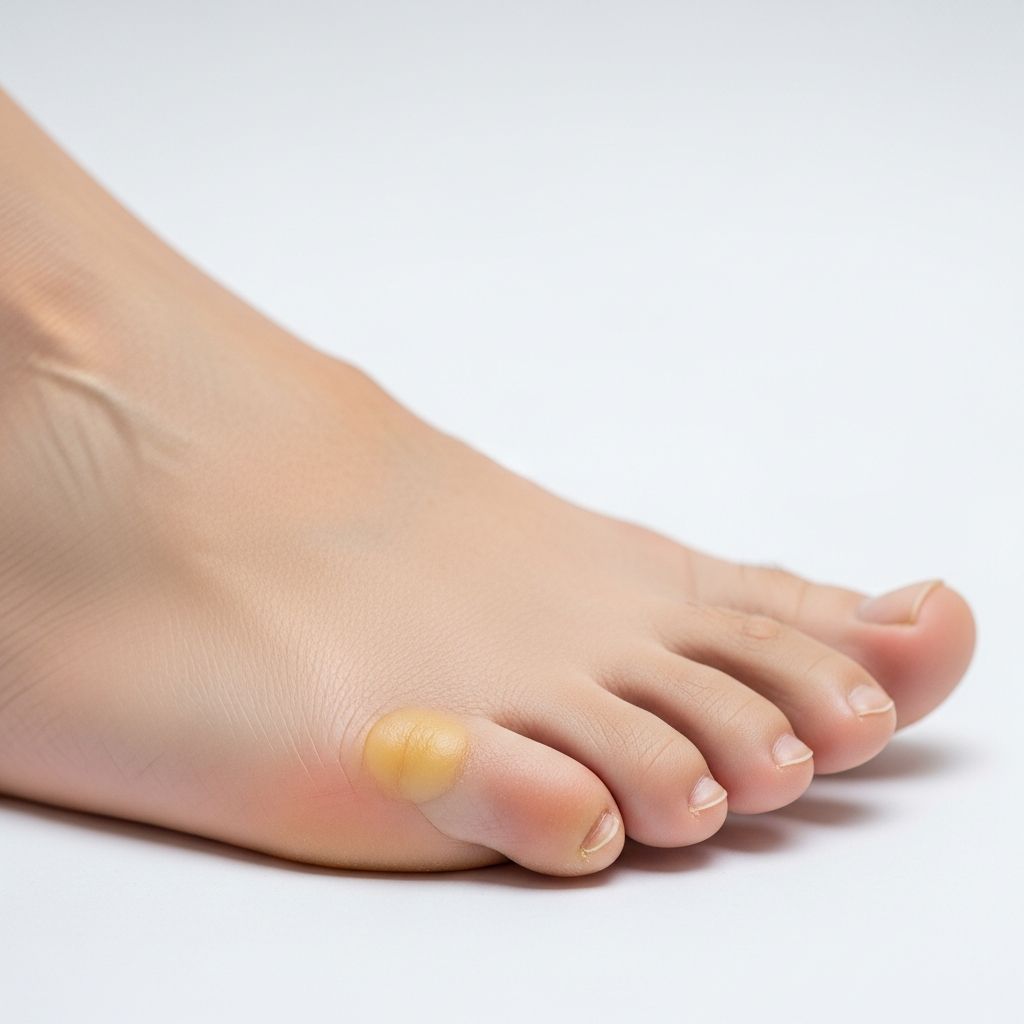
Thickened skin patches known as corns and calluses form as a natural defense against ongoing friction or pressure, primarily affecting hands, feet, and toes. These conditions, while protective, can lead to discomfort if unmanaged, especially in active individuals or those with foot deformities.
Defining Corns and Calluses
Corns represent small, localized areas of hardened skin, often with a central core, developing over bony prominences due to focused pressure. Calluses, by contrast, are broader, diffuse thickenings without a distinct core, spreading across larger skin surfaces.
- Corns: Typically cone-shaped with a hard center, common on toes where shoes rub.
- Calluses: Flatter and larger, frequently on heels, palms, or soles from weight-bearing or gripping activities.
This distinction matters for treatment, as corns may penetrate deeper and cause sharper pain.
Common Triggers and Development Factors
Repeated mechanical stress drives the skin’s hyperkeratosis response, thickening the epidermis to shield underlying tissues. Primary culprits include improper footwear and repetitive motions.
| Body Area | Typical Causes |
|---|---|
| Feet and Toes | Ill-fitting shoes, high heels, lack of socks, foot deformities like hammertoes or bunions. |
| Hands and Palms | Weightlifting, tool use, playing instruments, gardening, or sports like tennis. |
Athletes, manual laborers, and older adults face higher risks due to gait changes or prolonged exposure. Genetic predispositions can also promote seed-like corns on non-pressure areas.
Recognizing Symptoms and Warning Signs
Early stages may be painless, but progression brings tenderness, especially under pressure. Corns often feel like a painful pebble inside the skin, while calluses might crack into fissures.
- Dry, rough, discolored skin patches.
- Pain or sensitivity when touched or during activity.
- Redness, swelling, or pus indicating infection.
- Deep cracks in thickened areas on heels.
In vulnerable groups like diabetics, even minor changes warrant attention to prevent ulcers.
Health Risks and Complications
While benign, unmanaged growths can ulcerate, bleed, or infect, particularly in those with poor circulation or neuropathy. Diabetics risk severe outcomes from unnoticed trauma.
Untreated corns may enlarge, exacerbating pain and altering gait, potentially leading to joint issues. Fissures invite bacterial entry, causing cellulitis.
Everyday Prevention Strategies
Proactive steps target root causes, reducing incidence by addressing friction sources.
- Choose well-fitted shoes with adequate toe space and cushioning.
- Wear moisture-wicking socks to minimize rubbing.
- Use padded insoles or metatarsal pads for high-pressure zones.
- Moisturize skin daily to maintain flexibility.
- Rotate activities to avoid repetitive strain on hands or feet.
For hand-related calluses, protective gloves during work or sports prove effective.
Home-Based Relief Methods
Most cases resolve with conservative care, focusing on softening and gentle removal.
- Soaking: Warm water with Epsom salts for 10-15 minutes daily to hydrate keratin.
- Exfoliation: Pumice stone or emery board on softened skin; avoid over-aggression.
- Moisturizers: Urea-based creams (20-40%) to dissolve dead tissue.
- Padding: Moleskin or gel cushions to offload pressure.
Related Stories



Salicylic acid plasters (up to 40%) can erode corns gradually but require caution around healthy skin.
Caution: Never cut or shave growths at home; risk infection or scarring. Diabetics or those with circulation issues should skip self-treatment.
Professional Interventions
Persistent or painful cases benefit from podiatric care. Debridement trims excess tissue safely, often combined with custom orthotics.
- Prescription topicals for stubborn hyperkeratosis.
- Surgery for underlying deformities like hammertoes.
- Physical therapy to correct gait imbalances.
For infected sites, antibiotics may be needed alongside drainage.
Special Considerations for At-Risk Groups
Athletes and Manual Workers
High-impact sports or tool handling accelerates formation. Custom footwear and technique adjustments prevent recurrence.
Older Adults and Diabetics
Reduced sensation heightens risks; regular foot checks and professional monitoring are essential. Medicare often covers podiatry for these patients.
Children and Genetic Cases
Rare inherited keratoderma requires dermatological evaluation to rule out systemic issues.
Lifestyle Adjustments for Long-Term Control
Weight management lessens foot stress, while balanced exercise strengthens supporting muscles. Footwear hygiene, like drying thoroughly, curbs fungal overlays.
Ergonomic tools and proper instrument grips aid hand protection. Routine skin inspections catch issues early.
Frequently Asked Questions (FAQs)
Can corns be permanently removed?
Yes, by eliminating friction and using consistent care, but recurrence is common without prevention.
Are over-the-counter corn removers safe?
For healthy skin, yes in moderation; avoid if diabetic or with poor circulation.
How long do calluses take to heal?
Weeks to months, depending on cause removal and care diligence.
Do calluses protect or harm?
They protect initially but can harm if excessive, causing pain or cracks.
When should I see a doctor for a corn?
If painful, infected, bleeding, or unresponsive to home care after two weeks.
Maintaining vigilance over friction sources empowers effective management of corns and calluses, enhancing comfort and mobility.
References
- Calluses and Corns — UMass Memorial Health. Accessed 2026. https://www.ummhealth.org/health-library/calluses-and-corns
- Corns and Calluses — Florida Health Finder. Accessed 2026. https://quality.healthfinder.fl.gov/health-encyclopedia/HIE/1/001232
- Corns — NCBI Bookshelf (StatPearls). 2023-10-01. https://www.ncbi.nlm.nih.gov/books/NBK470374/
- Corns and Calluses: Symptoms, Causes & Treatments — Cleveland Clinic. Accessed 2026. https://my.clevelandclinic.org/health/diseases/16896-corns-and-calluses
- Corns and Calluses – Symptoms and Causes — Mayo Clinic. Accessed 2026. https://www.mayoclinic.org/diseases-conditions/corns-and-calluses/symptoms-causes/syc-20355946
- Corns and Calluses — NHS UK. 2022-08-24. https://www.nhs.uk/conditions/corns-and-calluses/
Similar Articles








Read full bio of Sneha Tete