Corns and Calluses: Causes, Symptoms & Treatment
Complete guide to understanding corns and calluses: symptoms, causes, and effective treatments.
Understanding Corns and Calluses
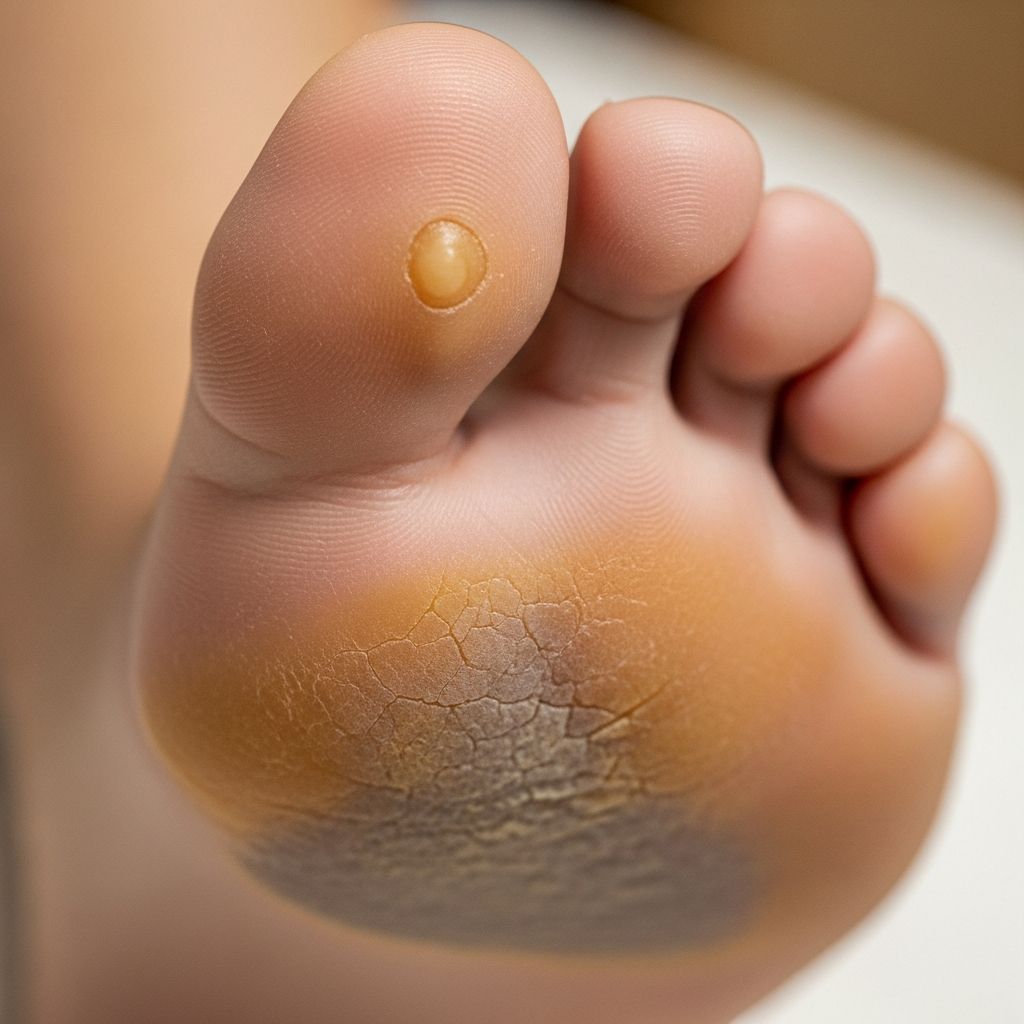
Corns and calluses are hardened layers of skin that develop as your body’s natural response to repeated friction, rubbing, pressure, or irritation. These thickened skin formations most commonly appear on your hands, feet, and toes, where friction and pressure are most concentrated. While many people experience corns and calluses at some point in their lives, understanding their causes and treatment options can help you manage them effectively and prevent future development.
What Are Corns and Calluses?
Corns and calluses are protective formations of hardened skin that develop in response to pressure and friction. The hardened layers of skin are actually your body’s way of protecting the underlying skin from irritation and pressure. Though they serve a protective purpose, they can become uncomfortable or painful, especially when they continue to grow or become infected.
Key Characteristics of Calluses
Calluses are characterized by several distinctive features that make them easy to identify:
– Large areas of thickened skin, typically covering a significant portion of the sole of the foot- More common on the soles of the feet where pressure accumulates- Less sensitive to touch compared to normal surrounding skin- Usually do not cause pain or tenderness- Tend to develop gradually over time- Less likely to become inflamed
Key Characteristics of Corns
Corns have distinct features that differentiate them from calluses:
– Smaller, more localized areas of thickened skin- More commonly found on the tops and sides of the toes- Often painful or tender to the touch or with pressure- May develop inflammation on or around the corn- Can start painlessly but become increasingly uncomfortable as they thicken- More likely to cause sensitivity and discomfort
Causes of Corns and Calluses
Corns and calluses develop from repeated friction, rubbing, pressure, or irritation on your skin. Understanding the specific causes can help you prevent their formation and recurrence. Several factors contribute to the development of these skin conditions.
Common Causative Factors
The primary causes of corns and calluses include:
– Wearing ill-fitting shoes that are too tight or create excessive friction- Wearing shoes without socks, which increases friction between your foot and shoe- Going barefoot frequently, exposing your feet to direct pressure and friction- Frequent physical activities or sports that place repetitive pressure on specific areas- Long periods of standing or walking- Occupational activities that require continuous hand use or pressure- Structural deformities in your feet or toes that alter weight distribution- High heels or pointy shoes that concentrate pressure on specific areas
Risk Factors and Susceptibility
You’re more likely to develop corns and calluses if you fall into certain categories or have specific characteristics. Identifying your risk factors can help you take preventive measures.
Related Stories



Who Is Most at Risk?
Certain individuals have a higher likelihood of developing corns and calluses:
– People with jobs requiring prolonged standing or repetitive hand movements- Athletes or individuals engaged in frequent physical activities- Those with foot deformities or structural abnormalities- People who wear tight or poorly fitting footwear- Individuals with certain medical conditions affecting foot health- Those with poor circulation or diabetes requiring special foot care- People who go barefoot frequently or lack proper foot protection
Symptoms and Signs
Corns and calluses may or may not be painful when they first develop. However, many people experience increasing discomfort as these formations thicken over time. Recognizing the symptoms early can help you seek treatment promptly.
Common Symptoms
Both corns and calluses can cause various symptoms, including:
– Raised, thickened areas of skin on hands, feet, or toes- Tenderness or sensitivity to touch or pressure, particularly with corns- Discomfort or pain that increases with activity or pressure- Visible hardened or thick patches of skin- Cracks or fissures in the callus, which can be painful- Inflammation or redness in or around the affected area- Pain with walking if located on weight-bearing areas of the foot- Reduced sensitivity in the affected area, especially with calluses
Diagnosis
Diagnosing corns and calluses is typically straightforward and requires no specialized testing. A healthcare provider can usually identify these conditions through a simple visual examination of your skin. Understanding the diagnostic process can help you know what to expect during your visit.
How Healthcare Providers Diagnose Corns and Calluses
The diagnostic process is simple and non-invasive:
– Visual examination of your skin to identify thickened areas- Assessment of the size, location, and appearance of the corn or callus- Questions about your job, physical activities, and walking habits- Inquiry about your footwear choices and foot care practices- If the corn or callus is on your foot, your provider may ask you to walk to observe your posture and gait- Discussion of any pain or discomfort you’re experiencing- Evaluation to rule out other conditions such as warts or cysts
No specialized tests or imaging studies are required to diagnose corns or calluses. Your provider may apply a simple scraping technique to rule out other skin conditions, but diagnosis is primarily based on clinical examination and patient history.
Treatment Options
Treatment for corns and calluses depends on your symptoms and the underlying cause. For most cases, removing the buildup of skin through proper self-care is an effective treatment approach. However, various treatment options are available depending on the severity and your specific situation.
Self-Care and Home Treatment
Most corns and calluses can be managed effectively at home with proper self-care techniques:
– Soak your hands or feet in warm, soapy water to soften the affected skin, making it easier to remove thickened layers- Once softened, use a pumice stone, nail file, or emery board to gently remove layers of hardened skin- Avoid using sharp objects, razors, or knives to trim the skin, as this can lead to infection- Apply moisturizer regularly to your hands and feet to keep skin soft and supple- Wear comfortable, well-fitting shoes with adequate cushioning until the corn or callus disappears- Choose thick, cushioned socks to reduce friction and pressure- Use soft insoles or heel pads to reduce pressure on affected areas- Protect the area with donut-shaped foam pads to prevent further irritation
Over-the-Counter Products
Several non-prescription products can help treat corns and calluses:
– Salicylic acid patches (40% concentration) that help soften and dissolve hardened skin- Salicylic acid gels or liquids for treating larger affected areas- Medicated corn pads that combine protection with treatment- Foam padding products that reduce pressure and friction- Pumice stones and foot files designed specifically for removing thickened skin
Important caution: Over-the-counter products containing salicylic acid contain harsh chemicals that can injure healthy surrounding skin if not applied precisely. If you have diabetes or conditions affecting blood flow, avoid self-treating with these products. Instead, consult your healthcare provider for safe treatment options.
Professional Medical Treatment
When home treatment fails to provide relief, healthcare providers offer professional treatment options:
– Trimming away excess skin with a scalpel during an office visit to reduce the thickness and discomfort- Application of medicated patches containing salicylic acid by a healthcare professional- Specialized soft pads or custom insoles created to take pressure off painful areas- Antibiotics if the corn or callus becomes infected- Referral to a podiatrist or foot specialist for advanced treatment and management
Surgical Options
Your healthcare provider may recommend surgery in specific situations:
– When you have a structural deformity in your foot or toes causing repeated corn or callus formation- When corns or calluses are extremely painful despite conservative treatment- When they prevent you from walking comfortably or normally- When they cause recurring infections, wounds, or tissue breakdown- In these cases, a surgeon may remove or realign bone tissue to address the underlying structural issue
Prevention Strategies
Preventing corns and calluses is often easier than treating them after they develop. Taking proactive steps can help you avoid the discomfort and inconvenience of these skin conditions.
Preventive Measures
To prevent the development of corns and calluses, follow these recommendations:
– Wear well-fitting, comfortable shoes with adequate cushioning and soft soles- Choose shoes with a low heel rather than high heels that concentrate pressure- Avoid tight, pointy shoes that create pressure points on your feet- Always wear socks with your shoes to reduce friction- Use insoles or heel pads in your shoes to distribute pressure evenly- Keep your skin moisturized to maintain flexibility and reduce cracking- Take breaks from prolonged standing or repetitive activities when possible- Don’t go barefoot, especially on hard surfaces- Consider protective padding if you participate in activities creating friction
When to Seek Professional Help
While most corns and calluses respond well to home treatment, certain situations warrant professional medical attention. Knowing when to see a healthcare provider ensures you receive appropriate care and avoid complications.
Reasons to Consult a Healthcare Provider
You should schedule an appointment with your healthcare provider if:
– You have diabetes, as foot complications require professional management- You have heart disease or circulatory problems- The corn or callus bleeds or shows signs of infection like pus or discharge- Home treatment hasn’t improved the condition after three weeks- The pain is severe or prevents you from performing normal activities- The corn or callus grows larger despite your self-care efforts- You have any concerns about infection or complications- Professional treatment is recommended by your current provider
Special Considerations for Diabetic Patients
People with diabetes require special attention when dealing with corns and calluses due to their increased risk of foot complications. Never attempt to self-treat corns or calluses if you have diabetes. High blood sugar levels can impair healing and increase infection risk, making professional care essential. Always consult with your healthcare provider before using any treatment products, and avoid using pumice stones or sharp instruments on your feet.
Frequently Asked Questions
Q: What’s the difference between a corn and a callus?
A: Corns are smaller, localized areas of thickened skin on the tops and sides of toes, and they’re often painful. Calluses are larger areas of thickened skin on the soles of the feet, typically less sensitive, and usually not painful. Corns tend to become inflamed, while calluses generally don’t.
Q: Can corns and calluses become infected?
A: Yes, untreated corns and calluses can become infected, particularly if you attempt to remove them with sharp instruments or if cracks develop in the skin. Infected corns or calluses can cause pain, make walking difficult, and may require antibiotics or surgical treatment.
Q: Are corns and calluses serious?
A: Most corns and calluses are not serious and can be treated at home. However, if you have diabetes or other conditions affecting circulation or healing, they require professional evaluation. Severe cases that prevent normal walking or cause recurring infections may need specialized treatment.
Q: How long does it take for corns and calluses to go away?
A: The timeline depends on treatment effectiveness and whether you address the underlying cause. With proper self-care, many corns and calluses improve within a few weeks. However, if the pressure or friction continues, they may return or persist indefinitely.
Q: Should I ever try to cut off corns or calluses myself?
A: No, you should never attempt to cut off corns or calluses yourself. Using sharp objects like razors or knives can lead to infection, bleeding, and complications. Always use safe methods like pumice stones or seek professional help.
Q: What should I avoid if I have corns or calluses?
A: Avoid wearing tight or high-heeled shoes, walking long distances or standing for extended periods, going barefoot, and using harsh chemical treatments without professional guidance. Don’t attempt surgical removal yourself.
References
- Corns and Calluses: Symptoms, Causes & Treatments — Cleveland Clinic. 2024. https://my.clevelandclinic.org/health/diseases/16896-corns-and-calluses
- Corns and Calluses – Diagnosis and Treatment — Mayo Clinic. 2024-05-09. https://www.mayoclinic.org/diseases-conditions/corns-and-calluses/diagnosis-treatment/drc-20355951
- Corns and Calluses — NHS (National Health Service). 2024. https://www.nhs.uk/conditions/corns-and-calluses/
- Recognizing, Treating, and Preventing Common Foot Problems — Cleveland Clinic Journal of Medicine. https://www.ccjm.org/content/67/1/45
Similar Articles








Read full bio of medha deb