Corns (Clavus): Images, Symptoms, and Treatment
Visual guide to identifying, understanding, and treating painful corn lesions effectively.
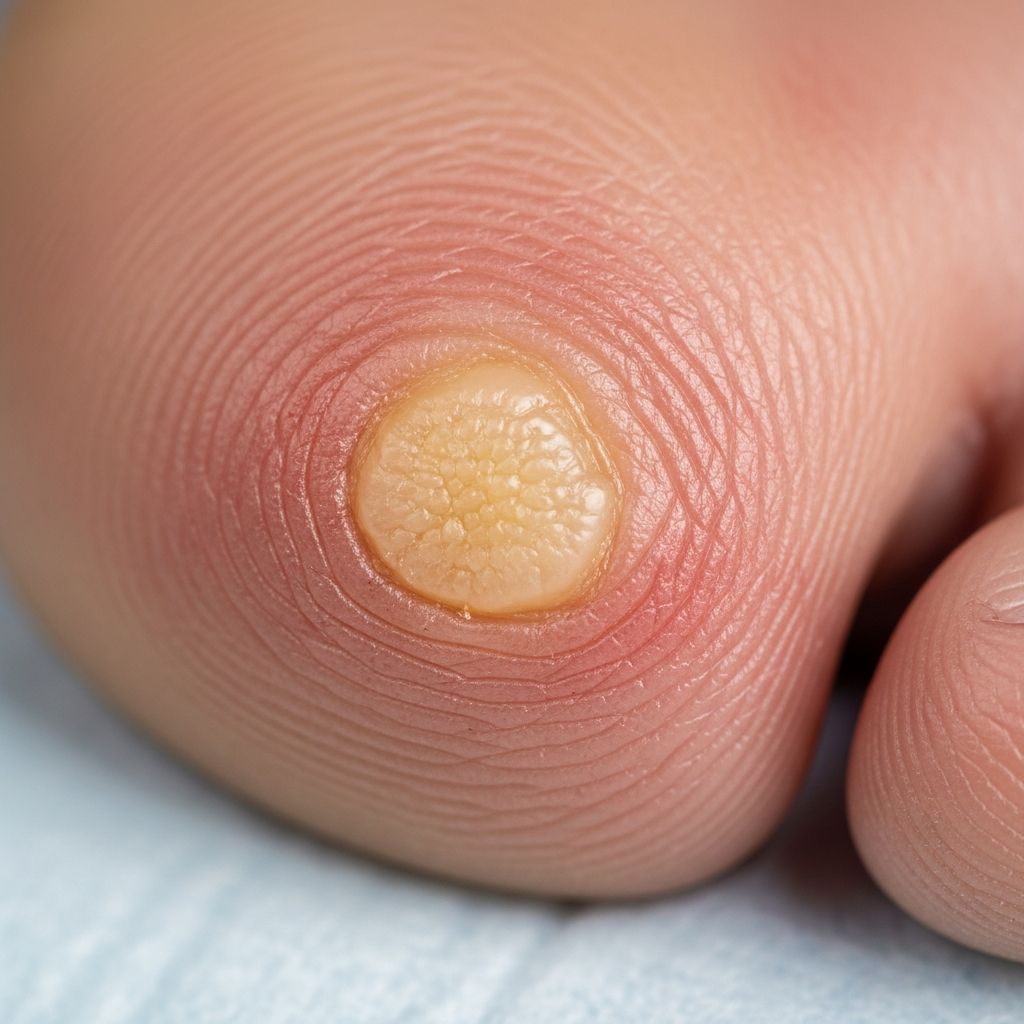
Understanding Corns (Clavus): A Comprehensive Guide
Corns, medically known as clavus or heloma, are small, localized areas of intensely hardened and thickened skin that develop in response to repeated pressure and friction. Unlike calluses, which are diffuse and often painless, corns are sharply demarcated, typically less than 1.5 centimeters in diameter, and frequently cause significant discomfort. These lesions most commonly appear on the feet, particularly on the toes and plantar surfaces, though they can occasionally develop on the hands.
What Are Corns? Key Definitions
A corn is a circumscribed keratinous lesion that extends through most of the underlying dermis. The condition develops when the skin’s stratum corneum—the outermost layer of the epidermis—becomes abnormally thickened and densely compressed in response to chronic mechanical stress. The fundamental difference between corns and calluses lies in their structure and presentation: corns are deeper, more focal, and painful, while calluses are more superficial, diffuse, and typically asymptomatic.
Types of Corns
Corns are classified into two primary categories based on their location and characteristics:
- Hard Corns (Heloma Durum): These are the most common type and typically develop over prominent bony protuberances, especially on the dorsal surfaces of the toes, the fifth toe at the proximal interphalangeal joint, and the plantar surface. Hard corns feature a dense, keratinous core that can cause considerable pain when pressure is applied.
- Soft Corns (Heloma Molle): These corns commonly occur in the interdigital spaces between the toes, particularly between the fourth and fifth toes. Soft corns develop due to increased moisture from perspiration, leading to skin maceration combined with mechanical irritation from adjacent bony structures or shoe friction.
Additionally, seed corns are small, pinhead-sized lesions that may appear on non-weight-bearing aspects of the soles and palms and may represent inherited keratosis punctata. Intractable Plantar Keratosis (IPK) is a particularly painful type of corn usually located under a metatarsal head, typically more resistant to conservative treatment.
Causes and Risk Factors
The primary cause of corn formation is repeated mechanical stress, particularly from poorly fitting footwear. The pressure and friction cause the skin to respond by producing excessive keratin, resulting in the characteristic hardened plug. Several factors increase the risk of developing corns:
- Wearing tight, narrow, or high-heeled shoes that create pressure points
- Deformities of the foot or toes that alter pressure distribution
- Prominent bony protuberances or joint abnormalities
- Repetitive activities requiring prolonged pressure on specific foot areas
- Genetic predisposition to hyperkeratosis
- Age-related changes in skin elasticity and foot structure
Hard corns typically result from poorly fitting footwear and biomechanical abnormalities, while soft corns are particularly associated with moisture and friction between the toes.
Clinical Presentation and Diagnosis
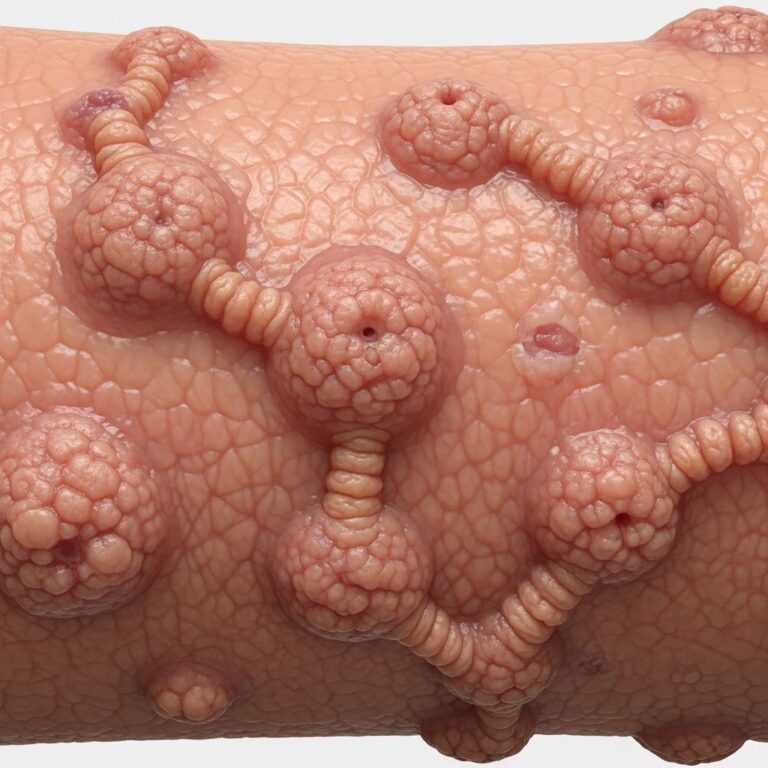
Corns have distinctive clinical features that aid in diagnosis. They appear as well-demarcated, circular lesions typically measuring less than 1.5 centimeters in diameter. The affected skin shows exaggerated skin markings and may display:
- Yellow discoloration from old hemorrhage or hemosiderin deposition
- Evidence of recent or previous bleeding
- Hyperpigmentation in the surrounding area
- A keratinous core or plug visible at the center
Diagnosis is primarily based on clinical appearance. Healthcare providers distinguish corns from other skin conditions by their characteristic sharply demarcated borders, small size, and location over pressure-bearing or friction-prone areas. The presence of a central keratinous core is pathognomonic for corns and differentiates them from calluses.
Related Stories



Histopathological Features
Microscopically, corns demonstrate a very dense collagen plug surrounded by epidermis. The stratum corneum is markedly thickened and densely packed with keratin. The dermal papillae may be angled toward or away from the center of the lesion, and over the tip of the keratin plug, the epidermis is often atrophic. Additionally, dermal blood vessels are more likely to be damaged in corns compared to calluses, which can lead to the hemorrhage and discoloration observed clinically.
Symptoms and Associated Complications
Most people with corns experience localized pain and tenderness, particularly when pressure is applied or during weight-bearing activities. The pain can range from mild discomfort to severe pain that significantly impacts mobility and quality of life. Some individuals may develop:
- Inflammation and erythema surrounding the corn
- Blister formation or secondary infection if the corn becomes traumatized
- Underlying bursitis or inflammation of adjacent structures
- Gait alterations to avoid pressure on the affected area
In some cases, corns may resolve spontaneously if the causative pressure is removed, but without intervention, they typically persist and may worsen over time.
Treatment Options
Management of corns involves both mechanical removal and addressing the underlying cause. The most effective approach combines multiple strategies:
Self-Care and Conservative Measures
- Proper Footwear: Wearing well-fitting, cushioned shoes with adequate width and proper support is fundamental to preventing and treating corns. Shoes should not create pressure points or excessive friction.
- Protective Padding: Self-adhesive felt pads, moleskin, or cut-out foam adhesive pads can be applied to relieve pressure on the corn and prevent further irritation.
- Soaking: Soaking the affected area in warm, soapy water for 10-20 minutes twice weekly softens the thickened skin and makes manual removal easier.
- Manual Removal: After soaking, the corn can be gently abraded using a pumice stone, nail file, emery board, or washcloth to remove the thickened skin. This should be done carefully to avoid damaging healthy surrounding skin.
- Moisturization: Regular application of moisturizing creams helps keep the skin softened and may prevent recurrence.
Medical and Pharmacological Treatments
Keratolytic agents are medications that dissolve or soften the hardened skin and are a cornerstone of corn treatment:
- Salicylic Acid: Available in multiple formulations—40% medicated patches (Clear Away, MediPlast), 17% in collodion, gels (Compound W, Keralyt), and liquids (Compound W, Duofilm)—salicylic acid effectively dissolves the keratinous material. Patches should be replaced as directed, typically every few days.
- Urea-Based Creams: 40% urea cream and 10% urea-containing moisturizers (such as Hydromol intensive or Eucerin intensive) are effective keratolytic options, particularly for those with sensitive skin.
- Lactic Acid: 12% lactic acid cream serves as an alternative keratolytic agent for individuals who may not tolerate salicylic acid.
Important Precaution: Patients with diabetes mellitus, peripheral vascular disease, or peripheral neuropathy should avoid self-treatment with keratolytics, as these conditions impair healing and increase infection risk. Healthcare provider supervision is essential for these populations.
Professional Treatment
For corns that do not respond to conservative measures, healthcare providers may employ:
- Professional manual removal and debridement of the keratinous core
- Application of stronger keratolytic agents under medical supervision
- Orthotic devices or custom shoe inserts to alter foot biomechanics
- Rarely, surgical intervention or cryotherapy for intractable cases
Protection of Surrounding Skin
A critical precaution when using medicated corn treatments is protecting healthy surrounding skin. Before applying salicylic acid or other keratolytic products, apply petroleum jelly (Vaseline) to the area immediately surrounding the corn. This barrier prevents the harsh chemical from irritating healthy skin and reduces the risk of secondary irritation or infection.
Comparison: Corns vs. Calluses
| Feature | Corns (Clavus) | Calluses |
|---|---|---|
| Demarcation | Well-demarcated, sharply outlined | Poorly demarcated, diffuse borders |
| Size | Small, typically <1.5 cm diameter | Can be any size |
| Depth | Deep, extends into dermis | Superficial, affects stratum corneum |
| Pain | Frequently painful | Usually asymptomatic |
| Location | Over bony prominences or friction points | Weight-bearing surfaces, hands |
| Core | Contains dense keratinous plug | No central core structure |
Prevention Strategies
Preventing corn formation is far more effective than treating established lesions. Key prevention measures include:
- Selecting shoes with adequate width, proper arch support, and cushioning
- Avoiding high heels and tight footwear that create pressure points
- Wearing seamless, moisture-wicking socks to reduce friction
- Using protective padding on pressure-prone areas during high-risk activities
- Maintaining proper foot hygiene and regular skin care
- Addressing foot deformities or biomechanical abnormalities with orthotic devices
- Regularly inspecting feet for early signs of corn formation
Special Considerations for High-Risk Populations
Patients with Diabetes: Individuals with diabetes should never self-treat corns due to impaired healing, increased infection risk, and potential complications from foot ulceration. Professional evaluation and treatment by a healthcare provider or podiatrist is essential.
Patients with Peripheral Vascular Disease: Similarly, those with poor circulation should avoid keratolytic treatments and seek professional care.
Patients with Peripheral Neuropathy: These individuals may not feel pain from worsening corns or secondary injury and should not use keratolytic agents without medical supervision.
Frequently Asked Questions
Q: What is the difference between a corn and a callus?
A: Corns are small, well-demarcated, painful lesions with a central keratinous core, while calluses are larger, diffuse areas of thickened skin that are usually painless and lack a distinct core structure.
Q: Can corns be prevented?
A: Yes, corns can be prevented by wearing properly fitting shoes, using protective padding on pressure-prone areas, maintaining good foot hygiene, and addressing biomechanical issues with orthotics.
Q: Are over-the-counter corn treatments safe?
A: Over-the-counter keratolytic treatments can be effective but require careful application. They should be avoided by people with diabetes, peripheral vascular disease, or neuropathy. Always protect surrounding healthy skin with petroleum jelly.
Q: How long does it take for a corn to resolve with treatment?
A: With consistent self-care and keratolytic treatment, corns typically improve within 2-3 weeks, though complete resolution may take several weeks. Stubborn or intractable corns may require professional intervention.
Q: Will a corn return after treatment?
A: Corns may recur if the underlying mechanical stress is not addressed. Continuing to wear properly fitting shoes and using preventive measures significantly reduces recurrence risk.
Q: Should I see a healthcare provider for a corn?
A: Most uncomplicated corns can be managed with self-care, but you should seek professional evaluation if you have diabetes, circulatory problems, severe pain, signs of infection, or if the corn does not improve with home treatment.
References
- Corns and calluses – Diagnosis and treatment — Mayo Clinic. May 09, 2024. https://www.mayoclinic.org/diseases-conditions/corns-and-calluses/diagnosis-treatment/drc-20355951
- Corns and Calluses — NHS Kernow Referral Management Service. December 2023. https://rms.cornwall.nhs.uk/primary_care_clinical_referral_criteria/rms/primary_care_clinical_referral_criteria/dermatology/corns_and_calluses
- Corn/callus: Characteristic findings on physical examination and treatment options — Dermatology Advisor. https://www.dermatologyadvisor.com/home/decision-support-in-medicine/dermatology/corn-callus-singular-callus-callosity-tyloma-plural-callosities-tylomas-tylomata-clavus-clavi-singular-clavus-corn-heloma-plural-corns-helomas-helomata/
- Calluses and Corns – Dermatologic Disorders — MSD Manuals Professional Edition. https://www.msdmanuals.com/professional/dermatologic-disorders/cornification-disorders/calluses-and-corns
- Corns and Calluses: Symptoms, Causes & Treatments — Cleveland Clinic. https://my.clevelandclinic.org/health/diseases/16896-corns-and-calluses
- Corns and Calluses — 5-Minute Clinical Consult. https://www.unboundmedicine.com/5minute/view/5-Minute-Clinical-Consult/1688676/2.6/Corns_and_Calluses
- Corns and calluses (heloma, tyloma) — DermNet New Zealand. https://dermnetnz.org/topics/corn-callus
Similar Articles








Read full bio of medha deb