Coronary Artery Bypass Graft Surgery: 4 Procedure Types
Understanding CABG: Restoring heart health through surgical bypass procedures.
Understanding Coronary Artery Bypass Graft Surgery
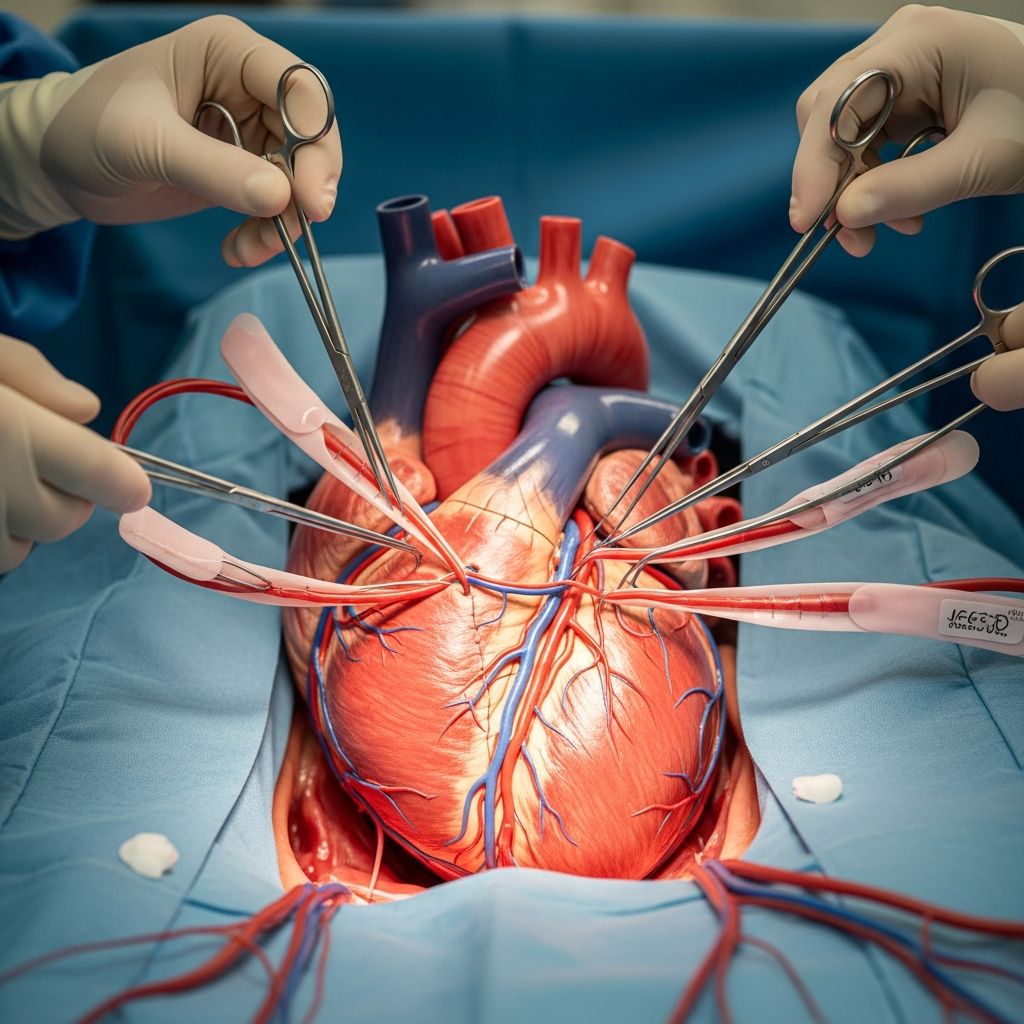
Coronary artery bypass graft (CABG) surgery is a procedure designed to improve blood flow to the heart when coronary arteries become significantly narrowed or blocked. This surgical intervention is one of the most common and effective treatments for severe coronary artery disease (CAD), a condition where plaque buildup restricts oxygen-rich blood flow to the heart muscle. During the procedure, a surgeon uses a healthy artery or vein harvested from another part of the body to create an alternate route—or bypass—around the blocked coronary artery, restoring adequate blood supply to the heart.
The purpose of CABG surgery is to relieve symptoms such as chest pain (angina) and reduce the risk of heart attack by improving blood flow to the heart muscle. This procedure may be recommended when coronary artery disease is too severe for other treatments, such as medication or angioplasty with stent placement, or when multiple arteries are affected. Understanding the procedure, its benefits, potential risks, and recovery process can help patients and their families prepare for this life-changing surgery.
What is Coronary Artery Disease?
Coronary artery disease develops when a substance called plaque accumulates inside the coronary arteries that supply oxygen-rich blood to the heart. This plaque consists of fat, cholesterol, calcium, and other substances found in the bloodstream. Over time, plaque buildup narrows the arterial passages, restricting blood flow and oxygen delivery to the heart muscle. When blood flow becomes severely compromised, patients may experience chest pain, shortness of breath, or be at heightened risk for heart attack.
The progression of coronary artery disease varies among individuals, depending on factors such as genetics, lifestyle habits, age, and the presence of other health conditions like diabetes or high blood pressure. In many cases, CAD can be managed with medications and lifestyle modifications. However, when the disease becomes severe and affects multiple arteries, or when conservative treatments prove ineffective, CABG surgery becomes a necessary intervention to prevent serious cardiac events.
Types of Coronary Artery Bypass Procedures
Several variations of coronary artery bypass surgery exist, each designed for specific clinical situations and patient conditions. Understanding the different approaches helps patients know what to expect based on their individual diagnosis.
Traditional CABG
Traditional coronary artery bypass grafting is the most common type of CABG procedure and is typically used when at least one major artery requires bypassing. During traditional CABG, the surgeon makes a large incision down the center of the chest, typically 6 to 8 inches long, to access the heart. The breastbone (sternum) is cut in half lengthwise and spread apart to expose the heart. The patient is placed under general anesthesia and connected to a heart-lung bypass machine, which takes over the function of pumping blood and delivering oxygen throughout the body while the surgeon operates on a stopped heart. This allows the surgeon to work on a still, non-beating heart, making the procedure more precise. Traditional CABG usually lasts 3 to 5 hours, depending on the number of arteries being bypassed.
Related Stories



Minimally Invasive Direct Coronary Artery Bypass (MIDCAB)
The MIDCAB procedure is used when only one or two coronary arteries need to be bypassed. Rather than opening the entire chest, the surgeon makes a series of small incisions, typically about 3 inches long, between the ribs on the left side of the chest, directly over the artery to be bypassed. The left internal mammary artery is most often used for the graft in this procedure. A significant advantage of MIDCAB is that a heart-lung bypass machine is not typically needed, as the surgeon can work on the beating heart. This minimally invasive approach results in less trauma to the chest wall and potentially faster recovery compared to traditional surgery.
Port-Access Coronary Artery Bypass
Port-access CABG is performed through small incisions, called ports, made in the chest. Both artery and vein grafts can be used in this procedure. Unlike MIDCAB, a heart-lung bypass machine is employed during port-access surgery. This technique combines some benefits of minimally invasive surgery with the controlled operating conditions provided by cardiac bypass support.
Robot-Assisted CABG
Robot-assisted CABG represents the most advanced minimally invasive approach, utilizing keyhole-sized incisions. A small video camera is inserted through one incision to provide the surgeon with a detailed view of the heart, while the surgeon controls specialized remote-controlled surgical instruments to perform the bypass procedure. In many cases, robot-assisted CABG is performed “off-pump,” meaning the heart continues beating throughout the procedure without requiring a heart-lung bypass machine. The surgeon uses special instruments to stabilize the target area while working on the beating heart. Benefits of robot-assisted CABG include shorter recovery times, reduced likelihood of complications such as blood transfusions and atrial fibrillation, and the absence of a scar running down the center of the chest.
Graft Materials: Arteries and Veins
The success and longevity of CABG surgery depend significantly on the quality and type of graft material used. Surgeons can choose from both arterial and venous grafts, each with distinct advantages and considerations.
Arterial Grafts
Arterial grafts, particularly the left internal mammary artery (LIMA), are preferred when possible because they have excellent long-term patency rates and are less likely to develop plaque and become blocked over time. The LIMA, which is located inside the chest wall, is often the graft of choice for bypassing the left anterior descending (LAD) coronary artery due to its proximity and superior long-term performance. Other arteries, such as the radial artery from the forearm or the gastroepiploic artery from the abdomen, may also be used as grafts.
Venous Grafts
The saphenous vein, a long vein running along the inner side of the leg, is the most commonly used venous graft material. While venous grafts are readily available and relatively easy to harvest, they are more susceptible to plaque buildup and blockage over time compared to arterial grafts. This means venous grafts may require intervention or re-operation in the future. Despite this limitation, venous grafts remain widely used because of their availability and the ease with which multiple grafts can be obtained from a single leg.
Preparation for CABG Surgery
Adequate preparation is essential to ensure the best possible surgical outcome and minimize complications. Patients scheduled for CABG surgery will undergo several evaluations and receive specific instructions from their surgical team.
Pre-Operative Evaluation
Before CABG surgery, patients undergo comprehensive cardiac evaluation, including electrocardiography, echocardiography, and often cardiac catheterization with coronary angiography. During cardiac catheterization, a thin tube called a catheter is threaded into the coronary arteries, and dye is injected into the bloodstream. Special X-rays are taken while the dye flows through the coronary arteries, allowing the doctor to visualize blockages and determine the exact number of arteries requiring bypass.
Pre-Operative Instructions
Patients receive detailed instructions regarding fasting, medication management, and what to expect on surgery day. Most patients are instructed to fast after midnight the night before surgery. Certain medications may be continued or discontinued based on the surgeon’s recommendations. Patients are advised to arrange transportation and support for their recovery period and should discuss any questions or concerns with their surgical team prior to the scheduled procedure.
The CABG Procedure: Step-by-Step
Understanding the surgical steps helps demystify the procedure for patients and families.
Anesthesia and Monitoring
The patient is placed under general anesthesia, which puts them into a deep sleep and prevents pain sensation during surgery. Once anesthetized, a breathing tube is placed through the throat into the lungs and connected to a ventilator, which breathes for the patient during the procedure. The anesthesiologist continuously monitors the patient’s heartbeat, blood pressure, oxygen levels, and breathing throughout surgery.
Graft Harvesting
The surgeon makes incisions in the legs, wrist, or chest to access and remove the blood vessels that will be used as grafts. The saphenous vein from the leg is the most commonly harvested vessel, though internal mammary arteries and radial arteries may also be used. These incisions are then closed after the vessel has been removed and prepared for grafting.
Chest Access
An incision is made over the sternum (breastbone), and the sternum is cut lengthwise and spread apart to expose the heart. This provides the surgeon with direct access to the coronary arteries requiring bypass.
Bypass Machine Connection
In traditional CABG, the patient is connected to a heart-lung bypass machine, which assumes the functions of the heart and lungs. Cannulas are placed in the aorta and other major vessels to divert blood into the machine, which oxygenates the blood and circulates it throughout the body.
Heart Arrest
Once connected to the bypass machine, the surgeon stops the heart by injecting it with a cold solution high in potassium. This arrest allows the surgeon to work on a still heart, making precise suturing easier and reducing surgical trauma.
Graft Anastomosis
The surgeon carefully attaches the harvested graft vessels to the coronary arteries below the blockage using microsurgical techniques. Multiple bypass grafts may be created if several arteries require bypassing. The surgeon checks each anastomosis for patency (openness) and ensures there is no leaking before proceeding.
Heart Rewarming and Restart
After all grafts are complete, the blood rewarming process begins. The heart gradually warms, and in most cases, it begins beating again on its own. If necessary, mild electrical shocks may be used to restart the heart.
Bypass Machine Disconnection
Once the heart is beating adequately and blood flow is restored, the patient is slowly weaned off the heart-lung bypass machine. Tubes are inserted into the chest to drain fluid that accumulates during and after surgery.
Closure
The sternum is wired back together, and the chest is closed layer by layer. Dressings are applied to all incision sites.
Benefits of CABG Surgery
CABG surgery offers significant benefits for patients with severe coronary artery disease:
- Relief from chest pain and angina symptoms
- Reduced risk of heart attack
- Improved exercise tolerance and quality of life
- Potential for long-term survival benefit, particularly in patients with multiple-vessel disease
- Ability to address multiple blocked arteries simultaneously
Potential Risks and Complications
While CABG is generally a safe procedure when performed by experienced surgeons at appropriate facilities, like any major surgery, it carries potential risks. These may include infection, bleeding, blood clots, irregular heartbeat (arrhythmia), stroke, kidney problems, and graft failure. Patients with certain pre-existing conditions, advanced age, or compromised lung or kidney function may face increased risk. It is crucial for patients to discuss individualized risk factors with their surgical team prior to the procedure.
Recovery After CABG Surgery
Hospital Stay
Most patients remain in the hospital for 3 to 5 days following traditional CABG surgery, though the specific length of stay depends on individual recovery progress and any complications that may arise. Patients recovering from minimally invasive approaches may be discharged sooner.
Short-Term Recovery
During the initial recovery period, patients may experience chest discomfort, fatigue, and mild depression—all normal responses to major surgery. Pain management medications are provided as needed. Patients gradually increase activity levels under medical guidance, starting with short walks and progressing as tolerated.
Long-Term Recovery and Rehabilitation
Full recovery typically takes 6 to 8 weeks for traditional CABG, though this timeline varies. Cardiac rehabilitation programs are strongly recommended and typically include supervised exercise sessions, nutritional counseling, and education about heart disease prevention. These programs help patients regain strength and confidence while reducing the risk of future cardiac events.
Lifestyle After CABG Surgery
Following CABG surgery, lifestyle modifications are crucial for long-term success. Patients are encouraged to follow a heart-healthy diet low in saturated fats and sodium, engage in regular physical activity, manage stress, avoid smoking, and maintain medication compliance as prescribed by their cardiologist. Regular follow-up appointments allow the medical team to monitor graft patency and overall cardiac health. Many patients experience significant improvement in their symptoms and quality of life after successful CABG surgery.
Frequently Asked Questions About CABG Surgery
Q: How long does CABG surgery take?
A: Traditional CABG typically lasts 3 to 5 hours, depending on the number of arteries being bypassed and surgical complexity. Minimally invasive procedures may take longer due to the technical demands of working through smaller incisions.
Q: Will I need blood transfusions during CABG surgery?
A: Blood transfusions may be necessary during or after CABG surgery, though not all patients require them. The need depends on individual factors including blood loss during surgery and baseline hemoglobin levels. Minimally invasive and robot-assisted approaches tend to have lower transfusion requirements.
Q: How long do CABG grafts last?
A: Arterial grafts, particularly the internal mammary artery, have excellent long-term durability with studies showing 90% patency rates at 10 years. Venous grafts have more variable durability, with approximately 50-60% remaining patent at 10 years. However, modern medical therapy and lifestyle modifications significantly improve graft longevity.
Q: Will I have a visible scar after CABG surgery?
A: Traditional CABG results in a scar running down the center of the chest. Minimally invasive and robot-assisted approaches leave much smaller scars. The visibility and prominence of scars depend on individual healing and skin type.
Q: When can I return to normal activities after CABG surgery?
A: Most patients can resume light activities within 2-3 weeks and gradually increase activity levels over 6-8 weeks. Specific restrictions depend on the type of surgery performed and individual recovery progress. Patients should follow their surgeon’s and cardiologist’s recommendations regarding activity progression.
Q: Can arteries become blocked again after CABG surgery?
A: Yes, grafts can develop plaque and become blocked over time, a process called graft failure. However, aggressive management of risk factors such as cholesterol, blood pressure, diabetes, and smoking cessation significantly reduces this risk. Regular follow-up care and adherence to medications help maintain graft patency.
Q: Is CABG surgery a permanent solution for coronary artery disease?
A: CABG surgery addresses the immediate blockage but does not cure the underlying coronary artery disease. Lifestyle modifications and medications remain essential to prevent disease progression in non-bypassed arteries and to maintain long-term graft patency.
Q: What is the success rate of CABG surgery?
A: CABG surgery has high success rates, with most patients experiencing relief from symptoms and improved quality of life. Long-term outcomes depend on factors including the surgeon’s experience, hospital volume, patient age and health status, graft material used, and adherence to post-operative medical therapy and lifestyle modifications.
References
- Coronary Artery Bypass Surgery — Wikipedia. Accessed 2025. https://en.wikipedia.org/wiki/Coronary_artery_bypass_surgery
- Coronary Artery Bypass Grafting (CABG) — University of California San Francisco Cardiac Surgery. Accessed 2025. https://cardiacsurgery.ucsf.edu/procedure/coronary-artery-bypass-grafting-cabg
- Coronary Artery Bypass Grafting (CABG) Surgery — Brigham and Women’s Hospital. Accessed 2025. https://www.brighamandwomens.org/heart-and-vascular-center/procedures/coronary-artery-bypass-grafting-cabg-surgery
- Coronary Artery Bypass Graft Surgery — Northwestern Medicine. Accessed 2025. https://www.nm.org/conditions-and-care-areas/treatments/coronary-artery-bypass-graft
- Coronary Artery Bypass Surgery — Mayo Clinic. Accessed 2025. https://www.mayoclinic.org/tests-procedures/coronary-bypass-surgery/about/pac-20384589
Similar Articles








Read full bio of Sneha Tete