Coronary Artery Disease: Prevention, Treatment & Research
Comprehensive guide to understanding, preventing, and managing coronary artery disease through evidence-based treatments and lifestyle modifications.
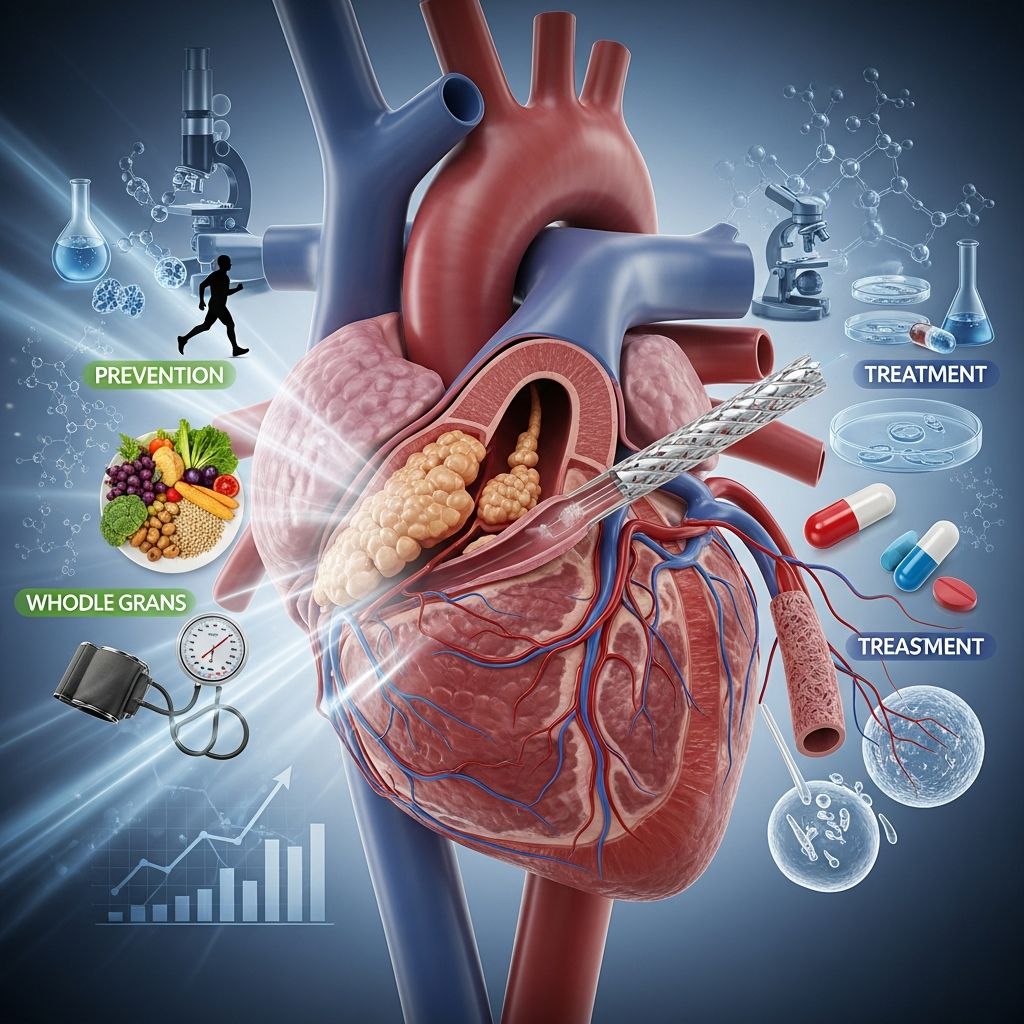
Understanding Coronary Artery Disease
Coronary artery disease (CAD) remains one of the leading causes of death and disability worldwide. This condition occurs when the arteries that supply blood to the heart become narrowed or blocked due to the buildup of plaque, a combination of cholesterol, fat, and other substances. Understanding the mechanisms of CAD, recognizing risk factors, and implementing evidence-based prevention and treatment strategies are essential for improving patient outcomes and quality of life.
The development of coronary artery disease is typically a gradual process that begins with endothelial dysfunction, which can precede visible coronary atherosclerosis by many years. This progressive narrowing of coronary arteries reduces blood flow to the heart muscle, potentially leading to chest pain (angina), heart attack, or other serious cardiovascular events. Early recognition of risk factors and intervention through primary prevention have significantly decreased the morbidity and mortality associated with CAD.
Prevention of Coronary Artery Disease
Primary Prevention Strategies
Primary prevention focuses on reducing the risk of developing coronary artery disease in individuals who have not yet experienced cardiovascular events. This comprehensive approach involves lifestyle modifications and management of modifiable risk factors that contribute to disease development.
Regular physical activity is one of the most effective primary prevention strategies. Physical inactivity has been identified as an independent predictor for the development of CAD, and conversely, regular exercise decreases the incidence of cardiovascular disease. At the endothelial level, physical activity increases the expression and phosphorylation of endothelial nitric oxide synthase, which improves the body’s radical scavenger system and promotes the rejuvenation of blood vessel linings. Exercise also stimulates the growth of new blood vessels through a process called angiogenesis, enhancing blood flow to the heart.
Lifestyle modification encompassing diet, exercise, and smoking cessation is crucial to reduce cardiovascular risk factors. A heart-healthy diet regimen that emphasizes whole grains, lean proteins, fruits, and vegetables, combined with the reduction of saturated fats and sodium, plays a vital role in maintaining healthy cholesterol and blood pressure levels. Educational interventions in cardiac care have been shown to increase physical activity, promote healthier dietary habits, and support smoking cessation efforts.
Risk Factor Management
Effective prevention requires comprehensive risk assessment and management of modifiable risk factors. The American College of Cardiology and American Heart Association recommend risk stratification by calculating 10-year atherosclerotic cardiovascular disease (ASCVD) risk using validated clinical tools. This assessment helps identify individuals at higher risk who would benefit from more intensive preventive interventions.
Key risk factors that require management include hypertension, diabetes mellitus, hypercholesterolemia, smoking, obesity, and physical inactivity. Control of blood pressure, blood glucose, and cholesterol levels through lifestyle modifications and pharmacological interventions when necessary are essential components of a comprehensive prevention strategy. Smoking cessation remains one of the most impactful interventions, as smoking significantly accelerates the development of atherosclerosis and increases the risk of acute cardiovascular events.
Treatment of Coronary Artery Disease
Pharmacological Therapy
Modern pharmacological management of CAD involves multiple medication classes that target different aspects of disease pathophysiology and reduce cardiovascular risk. Treatment decisions should be individualized based on patient characteristics, disease severity, and comorbidities.
Related Stories



Antiplatelet Agents
Antiplatelet medications prevent blood clots by reducing platelet activation and aggregation. Aspirin remains a cornerstone therapy for both primary and secondary prevention in appropriate patient populations. New antiplatelet agents and antithrombotic drugs have been developed to improve secondary prevention strategies in patients with a history of acute coronary syndrome. Ticagrelor, for example, has demonstrated greater effectiveness in treating major adverse cardiovascular events (MACE) and stent thrombosis, providing substantial benefits over traditional treatments.
Lipid-Lowering Therapies
Statins represent the foundation of lipid management in CAD. A prospective meta-analysis of 14 randomized controlled trials showed that statin therapy reduces the risk of major cardiovascular events, revascularization, and stroke by 20%. This corresponds to a number needed to treat (NNT) of 25 to prevent one major cardiovascular event over 10 years in patients with stable CAD.
Breakthrough lipid-lowering medications have emerged as important additions to statin therapy. Proprotein convertase subtilisin/kexin type 9 (PCSK9) inhibitors represent an innovative medication class that has offered a reliable method for managing hypercholesterolemia, particularly in patients with familial hypercholesterolemia or statin intolerance. These medications work by enhancing the clearance of low-density lipoprotein (LDL) cholesterol from the bloodstream, achieving substantial reductions in LDL levels alongside conventional statin treatment.
Novel Diabetes and Cardiovascular Risk Medications
Recent research has demonstrated significant cardiovascular benefits of certain diabetes medications. In three large randomized trials of high-risk patients with coronary artery disease and diabetes, liraglutide (Victoza), semaglutide (Ozempic), and empagliflozin (Jardiance) decreased cardiovascular deaths, with a number needed to treat of 43 to 71 over two to three years. These medications provide dual benefits of improved glycemic control and cardiovascular risk reduction.
Invasive and Interventional Procedures
When medical therapy alone is insufficient, invasive procedures may be necessary to restore blood flow to the heart muscle. Advances in procedural techniques have revolutionized coronary revascularization and substantially improved long-term outcomes.
Percutaneous Coronary Intervention (PCI)
Percutaneous coronary intervention, commonly known as coronary angioplasty, involves the insertion of a catheter with a balloon or stent to open narrowed coronary arteries. Modern stent technology, including drug-eluting stents, has significantly reduced restenosis rates compared to older bare-metal stents. When combined with appropriate antiplatelet therapy and comprehensive medical management, PCI provides effective symptom relief and improved quality of life in patients with significant coronary stenosis.
Coronary Artery Bypass Grafting (CABG)
Coronary artery bypass grafting remains an important option for patients with extensive coronary disease, particularly those with left main coronary artery involvement or multiple diseased vessels unsuitable for percutaneous intervention. CABG involves grafting healthy blood vessels to bypass blocked coronary arteries, restoring adequate blood flow to the heart muscle. Recent advances in surgical techniques and perioperative care have improved outcomes and reduced complications associated with this procedure.
Cardiac Rehabilitation and Lifestyle Modification
Cardiac rehabilitation programs represent a cornerstone of post-event recovery and long-term management in CAD. Studies have highlighted significant long-term benefits of cardiac rehabilitation in reducing recurrent cardiovascular events and all-cause mortality. Exercise training is a potent strategy that increases the threshold of angina-free activity levels in patients with stable disease and seems to attenuate disease progression and improve event-free survival.
A meta-analysis examining 8,940 patients who had experienced myocardial infarction, undergone coronary revascularization, or had documented CAD revealed a decline in total and cardiovascular mortality by 20% and 26%, respectively, as a result of exercise training intervention. The ETICA (Exercise Training Intervention After Coronary Angioplasty) trial demonstrated a 26% increase in peak oxygen uptake, a 27% improvement in quality of life, and a 20% reduction in cardiac events, including reduced myocardial infarctions and lower hospital admissions in patients who underwent exercise training after successful PCI compared with sedentary controls.
Cardiac rehabilitation programs have evolved to incorporate comprehensive lifestyle interventions, including supervised exercise, nutritional counseling, stress management, and psychological support. Individualized and patient-centered approaches have improved patient compliance with rehabilitation programs by tailoring protocols to individual needs and preferences. However, challenges remain in fully adopting significant lifestyle changes and engaging in cardiac rehabilitation, particularly in low-income areas with limited access to rehabilitation services.
Secondary Prevention and Management
Secondary prevention strategies target individuals who have already experienced cardiovascular events or have established coronary artery disease, with the goal of preventing recurrence and disease progression.
Effective secondary prevention involves managing modifiable risk factors through evidence-based guidelines and treatment protocols that provide healthcare professionals with precise therapeutic targets and options. Pharmaceutical developments have led to the introduction of novel lipid-lowering treatments, such as PCSK9 inhibitors and combination therapies, which have revealed considerable efficiency in achieving reduced LDL cholesterol levels alongside conventional statin treatment.
Innovation in digital health solutions and telemedicine has significantly enhanced secondary prevention efforts by facilitating remote monitoring and individualized interventions. These technologies enable patients to adopt healthier habits and follow treatment plans more effectively, improving adherence and outcomes. Another significant advancement in secondary prevention is the emphasis on individualized risk assessment and treatment plans. Genetic testing and biomarker assessments have allowed physicians to identify high-risk patients and tailor treatments accordingly, optimizing pharmacotherapy, invasive procedures, and lifestyle interventions based on a patient’s genetic susceptibility and underlying pathophysiology.
Precision Medicine and Personalized Risk Assessment
The management of coronary artery disease is increasingly moving toward precision medicine approaches that tailor treatment strategies to individual patient characteristics. Personalized risk profiling encompasses genetic testing and advanced risk assessment tools, ushering in an era of precision medicine in CAD management.
Identifying genetic variants associated with susceptibility and response to CAD allows for customized treatment strategies that cater to individual patient needs. Moreover, risk prediction models that integrate clinical, genetic, and lifestyle factors assist in identifying individuals at high risk of CAD, thereby enabling timely intervention and preventive measures. This comprehensive approach recognizes that patients respond differently to medications and interventions based on their unique genetic makeup, comorbidities, and lifestyle factors.
Current Research and Future Directions
Contemporary research in coronary artery disease continues to chart new paths in management, from innovative pharmaceutical approaches to collaborative multidisciplinary care models. The exploration encompasses novel diagnostic technologies enabling early detection and risk assessment, improving the ability to identify CAD before symptomatic presentation.
Recent breakthroughs in medications have profoundly impacted the management of platelet disorders, lipid reduction, and angina symptoms. Advances in invasive procedures, combined with improvements in stent technology and surgical techniques, have substantially improved long-term outcomes and reduced complications. Research continues to emphasize the critical importance of lifestyle modifications, cardiac rehabilitation, and multidisciplinary approaches to comprehensive CAD management.
The increasing significance of lifestyle changes and cardiac rehabilitation in CAD management augments treatment options and facilitates patient recovery and well-being. Staying attuned to the latest advancements and embracing a patient-centric approach can collectively reduce CAD’s impact and enhance the lives of those managing this chronic cardiovascular condition.
Comprehensive CAD Management Approach
Modern management of coronary artery disease represents a comprehensive integration of multiple evidence-based strategies designed to prevent disease development, treat established CAD, and optimize long-term outcomes.
| Treatment Component | Primary Focus | Key Benefits |
|---|---|---|
| Lifestyle Modifications | Diet, exercise, smoking cessation | Risk factor reduction, disease prevention, improved outcomes |
| Pharmacological Therapy | Statins, antiplatelet agents, beta-blockers | Symptom relief, event prevention, mortality reduction |
| Interventional Procedures | PCI, CABG | Symptom resolution, improved blood flow, quality of life |
| Cardiac Rehabilitation | Exercise, education, counseling | Functional improvement, reduced recurrence, psychological support |
| Risk Factor Management | Hypertension, diabetes, cholesterol control | Disease progression prevention, complications reduction |
Frequently Asked Questions About Coronary Artery Disease
Q: What are the primary risk factors for coronary artery disease?
A: The main risk factors for CAD include age, male sex, hypertension, high cholesterol, smoking, diabetes mellitus, obesity, physical inactivity, and family history of early CAD. Managing these modifiable risk factors through lifestyle changes and medications significantly reduces disease risk.
Q: How effective is exercise in preventing coronary artery disease?
A: Regular physical activity is highly effective in primary prevention, decreasing the incidence of cardiovascular disease through modulation of classic risk factors and maintenance of endothelial function. Physical inactivity is an independent predictor for CAD development, making regular exercise a cornerstone prevention strategy.
Q: What is the role of statins in CAD management?
A: Statins reduce the risk of major cardiovascular events, revascularization, and stroke by 20%. In patients with stable CAD, this corresponds to a number needed to treat of 25 to prevent one major cardiovascular event over 10 years, making them essential medication for CAD management.
Q: How important is cardiac rehabilitation after a heart attack or procedure?
A: Cardiac rehabilitation is critical for recovery and long-term outcomes. Studies show it reduces total and cardiovascular mortality by 20% and 26%, respectively, and improves quality of life while reducing the risk of future cardiac events.
Q: What is precision medicine in CAD management?
A: Precision medicine in CAD involves using genetic testing, biomarker assessments, and advanced risk prediction models to tailor treatment strategies to individual patient needs, optimizing outcomes based on each patient’s unique genetic susceptibility and pathophysiology.
Q: Are newer diabetes medications beneficial for CAD patients?
A: Yes, medications like liraglutide, semaglutide, and empagliflozin have demonstrated significant cardiovascular benefits in high-risk patients with CAD and diabetes, reducing cardiovascular deaths with a number needed to treat of 43 to 71 over two to three years.
Q: What is the difference between PCI and CABG?
A: Percutaneous coronary intervention (PCI) uses a catheter to open narrowed arteries with balloons or stents, while coronary artery bypass grafting (CABG) involves surgical grafting to bypass blocked vessels. CABG is often preferred for extensive disease or left main involvement, while PCI may be suitable for more limited disease.
References
- Updates in the Management of Coronary Artery Disease: A Review — National Center for Biotechnology Information (NCBI). 2024. https://pmc.ncbi.nlm.nih.gov/articles/PMC10790113/
- Physical Activity in the Prevention and Treatment of Coronary Artery Disease — Journal of the American Heart Association. 2018. https://www.ahajournals.org/doi/10.1161/jaha.117.007725
- Stable Coronary Artery Disease: Treatment — American Academy of Family Physicians. 2018. https://www.aafp.org/pubs/afp/issues/2018/0315/p376.html
- Coronary Artery Disease Prevention — StatPearls, National Center for Biotechnology Information. 2024. https://www.ncbi.nlm.nih.gov/books/NBK547760/
Similar Articles








Read full bio of medha deb