Coronary Artery Disease Symptoms: Key Early Warning Signs
Recognizing the early warning signs of coronary artery disease to prevent heart attacks and improve heart health.
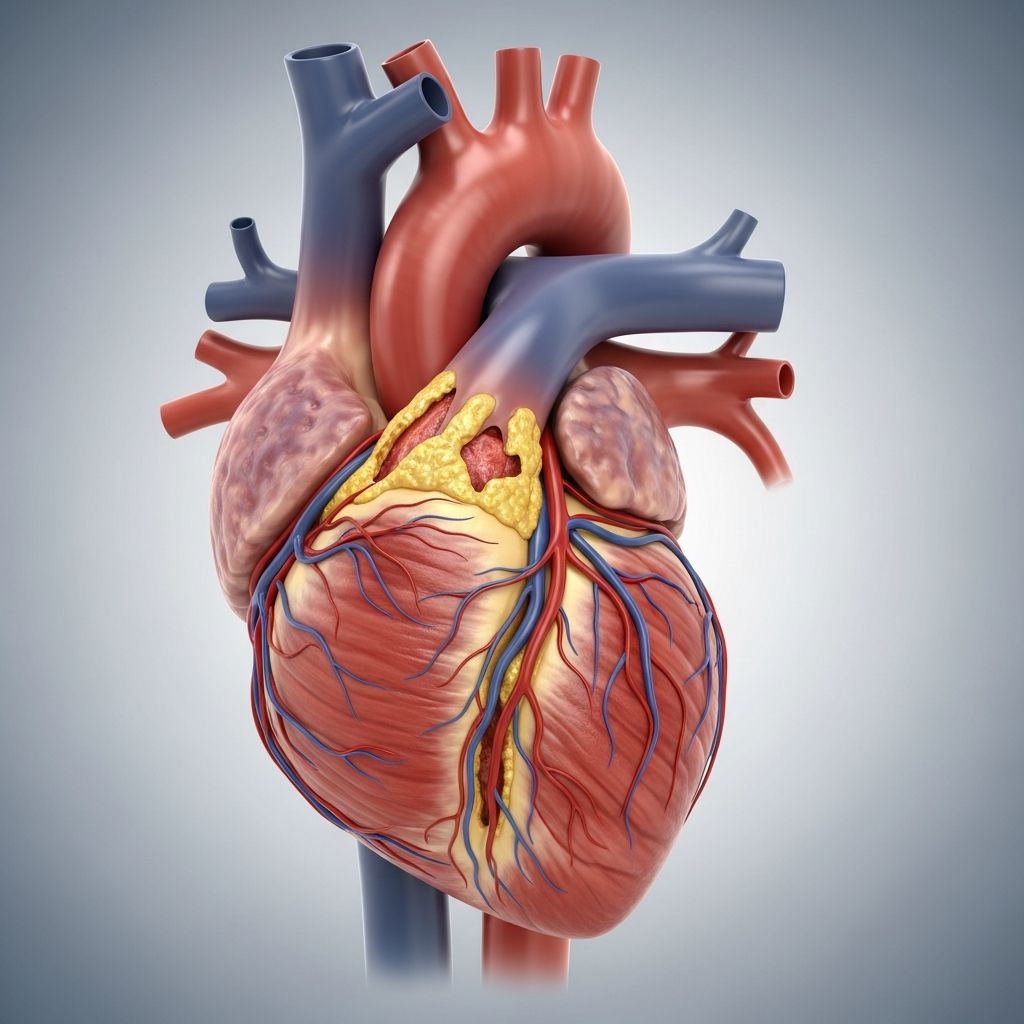
Coronary artery disease (CAD), also known as coronary heart disease, occurs when plaque builds up in the arteries supplying blood to the heart, narrowing them and reducing blood flow. This condition often develops silently over years, but recognizing its symptoms early can prevent serious complications like heart attacks.
What Is Coronary Artery Disease?
Coronary artery disease is the most common type of heart disease in the United States, caused primarily by atherosclerosis— the buildup of cholesterol, fats, and other substances forming plaques in the coronary arteries. These plaques harden and narrow the arteries, limiting oxygen-rich blood to the heart muscle. Over time, this can lead to chest pain, heart failure, or sudden cardiac events. CAD affects millions, with symptoms often appearing only when the disease is advanced.
The heart relies on its own arteries for oxygen and nutrients to function. When these arteries narrow, the heart works harder with less fuel, triggering various symptoms. Factors like high cholesterol, hypertension, smoking, diabetes, and obesity accelerate plaque formation.
Symptoms of Coronary Artery Disease
CAD symptoms arise from reduced blood flow to the heart, often worsening during physical activity or stress when the heart demands more oxygen. Many people experience no symptoms until a blockage causes a crisis.
- Chest pain or angina: The hallmark symptom, described as pressure, squeezing, tightness, heaviness, or aching in the chest, usually on the left or center side. It may feel like someone is standing on your chest and can spread to the arms, neck, jaw, back, or upper abdomen. Angina is triggered by exertion or emotions and relieved by rest or medication.
- Shortness of breath: Difficulty breathing, especially during activity, as the heart struggles to pump enough oxygenated blood.
- Fatigue: Unusual tiredness, even with minimal effort, due to the heart’s inefficiency.
Symptoms may be subtle at first, appearing only during exercise, like climbing stairs, and resolving with rest. As arteries narrow further, they become constant or more severe. Women, older adults, and people with diabetes may have atypical symptoms like nausea, back pain, or jaw discomfort instead of classic chest pain.
Coronary Artery Disease Symptoms in Women
Women with CAD often present differently than men, which can delay diagnosis. While chest pain occurs, it’s less typical; instead, symptoms include shortness of breath, nausea, vomiting, fatigue, or pain in the neck, jaw, or back. During a heart attack, women may experience abdominal pain, indigestion-like feelings, or extreme weakness. These subtler signs underscore the need for women to heed non-classic symptoms, as CAD is a leading killer of women post-menopause.
Signs of a Heart Attack
A complete or near-complete artery blockage causes a heart attack (myocardial infarction), starving heart muscle of oxygen. Symptoms include:
Related Stories



- Crushing chest pain or pressure lasting more than a few minutes.
- Pain radiating to shoulders, arms, back, neck, jaw, or stomach.
- Shortness of breath.
- Cold sweats, nausea, lightheadedness, or dizziness.
- Fatigue or heartburn-like sensations.
Some heart attacks are “silent,” with minimal symptoms, particularly in diabetics or the elderly. Immediate action—calling emergency services—is critical, as prompt treatment limits damage.
When to See a Doctor
Seek immediate medical help if you experience chest pain, especially with shortness of breath, sweating, or radiating pain—these signal a possible heart attack. For recurring angina-like symptoms during activity, fatigue, or unexplained shortness of breath, consult a doctor promptly. Early evaluation via ECG, stress tests, or angiograms can detect CAD before complications arise. Don’t dismiss symptoms as aging or stress; CAD risk increases with age but affects all demographics.
Risk Factors for Coronary Artery Disease
Several modifiable and non-modifiable factors heighten CAD risk:
| Modifiable Risk Factors | Non-Modifiable Risk Factors |
|---|---|
| High blood pressure | Age (over 45 for men, 55 for women) |
| High cholesterol | Family history of heart disease |
| Smoking | Male sex (though women catch up post-menopause) |
| Diabetes | Prior heart attack or stroke |
| Obesity and sedentary lifestyle |
Managing these through lifestyle changes, medications, and regular check-ups significantly lowers risk.
Complications of Coronary Artery Disease
Untreated CAD leads to severe issues:
- Angina: Chronic chest pain from ongoing ischemia.
- Heart attack: Blocked artery causes muscle death; rapid intervention is vital.
- Heart failure: Weakened heart can’t pump effectively, causing edema, fatigue, and breathlessness. Left-sided failure leads to pulmonary congestion; right-sided to leg swelling.
- Arrhythmias: Irregular rhythms like atrial fibrillation from damaged signaling, risking clots, stroke, or sudden death.
These can interconnect—a heart attack may trigger arrhythmia or failure.
Diagnosis of Coronary Artery Disease
Doctors diagnose CAD through:
- Medical history and physical exam.
- ECG to detect rhythm issues or ischemia.
- Stress tests to provoke symptoms.
- Blood tests for cardiac enzymes or cholesterol.
- Imaging like echocardiograms, CT angiography, or cardiac catheterization.
Treatment for Coronary Artery Disease
Treatment aims to restore blood flow, relieve symptoms, and prevent progression:
- Lifestyle changes: Heart-healthy diet, exercise, quitting smoking, weight management.
- Medications: Statins for cholesterol, antiplatelets like aspirin, beta-blockers, nitrates for angina.
- Procedures: Angioplasty with stenting or coronary artery bypass grafting (CABG) for severe blockages.
Prevention of Coronary Artery Disease
Prevent CAD by controlling risks: eat a diet rich in fruits, vegetables, and whole grains; exercise 150 minutes weekly; maintain healthy weight; manage blood pressure, cholesterol, and diabetes; avoid tobacco. Regular screenings are key for high-risk individuals.
Frequently Asked Questions (FAQs)
What are the first signs of coronary artery disease?
The earliest signs often include chest discomfort during activity, shortness of breath, and fatigue that resolve with rest.
Can CAD cause sudden death?
Yes, severe CAD can lead to arrhythmias or heart attacks causing sudden cardiac death.
Is chest pain always CAD?
No, but persistent or exertional chest pain warrants evaluation to rule out CAD.
How is CAD different from a heart attack?
CAD is the chronic narrowing; a heart attack is an acute blockage event within CAD.
Can lifestyle reverse CAD?
Lifestyle changes can slow, stabilize, or partially reverse plaque buildup.
References
- Coronary Artery Disease: Causes, Symptoms and Treatments — University Health. 2023. https://www.universityhealth.com/blog/coronary-artery-disease
- Coronary artery disease – Symptoms and causes — Mayo Clinic Staff. 2024-06-14. https://www.mayoclinic.org/diseases-conditions/coronary-artery-disease/symptoms-causes/syc-20350613
- Coronary artery disease: Learn More – Complications of coronary artery disease — NCBI Bookshelf. 2023-03-22. https://www.ncbi.nlm.nih.gov/books/NBK355309/
Similar Articles








Read full bio of Sneha Tete