Coronary Artery Disease: Symptoms, Causes & Treatment
Understanding CAD: Learn about symptoms, risk factors, diagnosis, and effective treatment options.
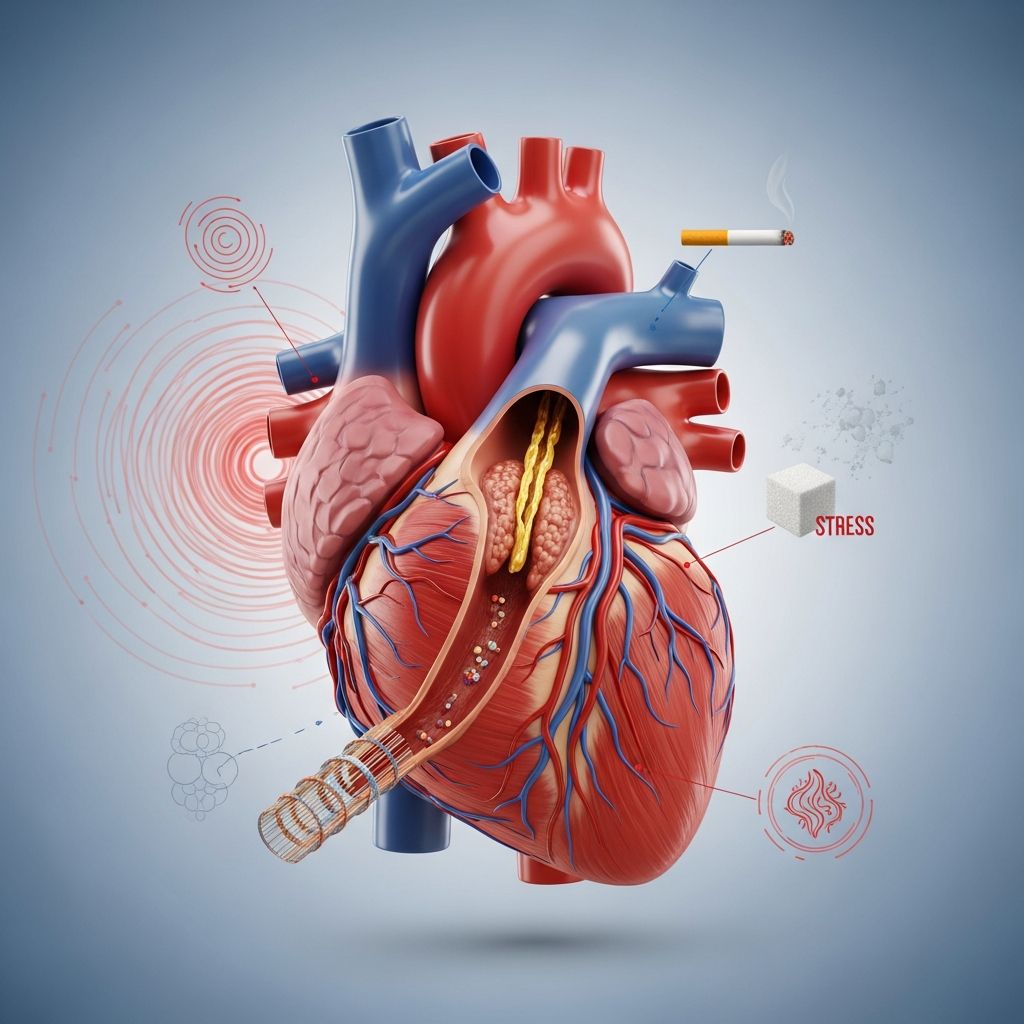
Understanding Coronary Artery Disease
Coronary artery disease (CAD) is a narrowing or blockage of your coronary arteries, which supply oxygen-rich blood to your heart. This progressive condition occurs when plaque—composed of cholesterol, waste products, calcium, and fibrin—gradually accumulates along your artery walls. Over time, these deposits make your arteries narrow and stiff, limiting the amount of blood that can reach your heart muscle. When blood flow becomes restricted, your heart cannot receive the oxygen and nutrients it needs to function properly, a condition known as myocardial ischemia. This limitation can lead to chest discomfort, known as angina, and significantly increases your risk of a heart attack.
CAD is the most common type of heart disease and remains a leading cause of death worldwide. The condition develops gradually over many years, often without any noticeable symptoms until a significant blockage occurs. Understanding the mechanisms of CAD, recognizing its warning signs, and knowing available treatment options are essential steps toward protecting your cardiovascular health.
What Causes Coronary Artery Disease?
Atherosclerosis is the primary cause of coronary artery disease. This is the gradual buildup of plaque in arteries throughout your body. When this process specifically affects blood flow in your coronary arteries, coronary artery disease develops. Plaque consists of cholesterol, waste products, calcium, and fibrin, a substance that helps your blood clot. As plaque collects along artery walls, the arteries become narrow and stiff.
The formation of plaque deposits creates a complex process within your arteries. Many plaque deposits are soft on the inside with a hard, fibrous cap covering the outside. If the hard surface cracks or tears, the soft, fatty inside becomes exposed. When this occurs, platelets—disc-shaped particles in the blood that help form clots—move to the area, and blood clots form around the plaque. Additionally, the endothelium (the inner lining of your artery) can become irritated and stop working properly, causing the artery to squeeze at the wrong times. This causes further narrowing of the artery.
In some cases, a blood clot may break apart and blood can flow through the area again. However, other times a blood clot suddenly blocks the blood supply to the heart muscle, causing what is known as coronary occlusion. This serious condition triggers an acute coronary syndrome, a medical emergency requiring immediate treatment.
Symptoms of Coronary Artery Disease
The symptoms of CAD vary depending on the severity of the blockage and whether blood flow is completely or partially restricted. Some people have symptoms before they develop serious complications, while others may not experience any symptoms until a heart attack occurs. In fact, sometimes the first indication of coronary artery disease is a heart attack itself.
Chronic CAD Symptoms
When you have chronic CAD, you may experience the following symptoms:
– Chest pain or discomfort (angina) that typically occurs during physical activity or emotional stress- Shortness of breath during exertion- Heart palpitations or an irregular heartbeat- Unusual fatigue or weakness- Dizziness or lightheadedness- Nausea- Excessive sweating
These symptoms often last a few minutes and usually improve with rest or medication. However, if symptoms persist or worsen, seek medical attention immediately.
Acute Coronary Syndrome Symptoms
When a blood clot suddenly blocks a coronary artery, you may experience acute coronary syndrome. Symptoms of this medical emergency include:
– Severe chest pain or discomfort that may feel like pressure, squeezing, or heaviness- Pain or discomfort in other areas of the upper body, including the arms, back, neck, jaw, or stomach- Trouble breathing or shortness of breath- Sweating or cold sweats- Feeling full, as if you are choking, or experiencing indigestion- Nausea or vomiting- Light-headedness or dizziness- Extreme weakness- Anxiety- Fast or irregular heartbeat
Related Stories



These symptoms usually last more than a few minutes and can come and go. If you experience any of these warning signs, call emergency services immediately.
Risk Factors for Coronary Artery Disease
Multiple risk factors contribute to the development of coronary artery disease. While you cannot change all of them, many can be managed through lifestyle changes or medications. Understanding your personal risk factors allows you to work with your healthcare provider to develop strategies for prevention and disease management.
Modifiable Risk Factors
These are risk factors you can control or reduce:
– High blood pressure- High cholesterol levels- Smoking and tobacco use- Diabetes or prediabetes- Obesity or being overweight- Lack of physical activity- Unhealthy diet high in saturated fats and sodium- Excessive alcohol consumption- Chronic stress- Sleep disorders
Non-Modifiable Risk Factors
These are factors you cannot change but should be aware of:
– Age (men over 45 and women over 55 have increased risk)- Family history of heart disease- Gender (men are generally at higher risk at younger ages)- Certain genetic conditions
Complications of Coronary Artery Disease
If left untreated or poorly managed, coronary artery disease can lead to several serious complications. The most significant complication is a heart attack, which is a medical emergency that can be fatal. During a heart attack, your heart muscle starts to die because it is not receiving enough blood. Prompt medical attention is essential to restore blood flow to your heart and save your life.
Over the years, CAD can also weaken your heart and lead to additional complications, including:
– Heart failure, where your heart cannot pump blood effectively- Cardiac arrhythmias, which are abnormal heart rhythms that can be life-threatening- Weakened heart muscle or cardiomyopathy- Sudden cardiac death- Reduced exercise tolerance- Recurrent angina episodes
Diagnosis of Coronary Artery Disease
Healthcare providers diagnose coronary artery disease through a combination of physical examination and specialized testing. Early diagnosis is crucial for managing the condition effectively and preventing serious complications.
Physical Examination
During your physical exam, your provider will:
– Review your complete medical history- Ask about your symptoms and when they occur- Inquire about your family history of heart disease- Assess your lifestyle factors, including diet, exercise, and smoking habits- Take your blood pressure- Listen to your heart with a stethoscope- Check your pulse- Examine your extremities for signs of poor circulation- Evaluate your overall cardiovascular health
All of this information helps your provider determine your risk for heart disease and whether further testing is needed.
Diagnostic Tests
Your provider may recommend one or more tests to assess your heart function and diagnose CAD. These include:
| Test Name | Purpose | Description |
|---|---|---|
| Electrocardiogram (EKG/ECG) | Measures electrical activity | Records the heart’s electrical signals to detect irregularities |
| Stress Test | Evaluates heart during exertion | Monitors heart function while exercising on a treadmill or stationary bike |
| Echocardiogram | Creates ultrasound images | Uses sound waves to visualize heart structure and function |
| Coronary Angiography | Visualizes coronary arteries | Catheter procedure with contrast dye to see artery blockages |
| CT Angiography | Non-invasive imaging | Computed tomography scan to visualize coronary arteries |
| Blood Tests | Checks risk factors | Measures cholesterol, triglycerides, and other biomarkers |
| Coronary Calcium Scoring | Detects calcium deposits | CT scan to measure calcium buildup in coronary arteries |
Treatment Options for Coronary Artery Disease
Treatment for coronary artery disease aims to improve symptoms, quality of life, and longevity. Your healthcare team will develop a personalized treatment plan based on the severity of your condition, your symptoms, and your overall health status. Treatment typically involves a combination of medication, lifestyle modifications, and sometimes surgical or interventional procedures.
Medications
Various medications can help manage CAD and reduce your risk of complications:
– Aspirin and antiplatelet agents to reduce blood clotting- Beta-blockers to lower heart rate and blood pressure- ACE inhibitors to relax blood vessels- Statins to lower cholesterol levels- Nitroglycerin to relieve chest pain- Calcium channel blockers to improve blood flow- Anticoagulants to prevent blood clots
Lifestyle Modifications
An important part of your treatment plan involves making changes in your lifestyle. These modifications are essential for slowing disease progression and improving outcomes:
– Quitting smoking completely- Eating a heart-healthy diet low in saturated fats and sodium- Engaging in regular physical activity as recommended by your provider- Maintaining a healthy weight- Managing stress through relaxation techniques- Limiting alcohol consumption- Getting adequate sleep- Managing other conditions like diabetes and high blood pressure
Interventional Procedures
Sometimes you may need a procedure to improve blood flow to your heart. Your care team will determine if you need an interventional procedure and select the best option for your unique diagnosis. Common interventional procedures include coronary angioplasty with stent placement and coronary artery bypass grafting (CABG).
Managing Your Coronary Artery Disease
Successfully managing coronary artery disease requires ongoing partnership with your healthcare team and commitment to lifestyle changes. Regular follow-up appointments allow your provider to monitor your condition, adjust medications as needed, and assess your progress. By taking an active role in your care and following your treatment plan, you can reduce your risk of complications and improve your overall quality of life.
Frequently Asked Questions About Coronary Artery Disease
Q: Can coronary artery disease be reversed?
A: While CAD cannot be completely reversed, aggressive lifestyle modifications and medications can slow its progression and even cause some regression of plaque in some cases. The key is early detection and consistent management of risk factors.
Q: Is coronary artery disease hereditary?
A: Yes, family history of heart disease increases your risk of developing CAD. However, having a family history does not guarantee you will develop the disease. Managing modifiable risk factors is especially important if you have a family history of heart disease.
Q: What is the difference between stable and unstable angina?
A: Stable angina occurs with predictable triggers and improves with rest or medication. Unstable angina is unpredictable, occurs at rest, and may indicate a heart attack is imminent. Unstable angina requires emergency medical attention.
Q: How often should I have my heart checked if I have CAD?
A: The frequency of follow-up visits depends on the severity of your condition. Your healthcare provider will recommend an appropriate schedule for regular check-ups and testing to monitor your heart health.
Q: Can I exercise if I have coronary artery disease?
A: Yes, exercise is beneficial for CAD management. However, your healthcare provider must approve your exercise plan and may recommend cardiac rehabilitation. Exercise should be done gradually and according to your provider’s recommendations.
Q: What should I do if I experience chest pain?
A: If you experience chest pain, take prescribed nitroglycerin if available and rest. If pain persists beyond a few minutes or is accompanied by other severe symptoms, call emergency services immediately. Do not drive yourself to the hospital.
References
- Coronary Artery Disease (CAD): Symptoms & Treatment — Cleveland Clinic. 2024. https://my.clevelandclinic.org/health/diseases/16898-coronary-artery-disease
- Coronary Artery Disease Center — Cleveland Clinic. 2024. https://my.clevelandclinic.org/departments/heart/depts/coronary-artery-disease-center
- Get Coronary Artery Disease Treatment — Cleveland Clinic. 2024. https://my.clevelandclinic.org/services/coronary-artery-disease-treatment
- Coronary Artery Disease – Cleveland Clinic Abu Dhabi — Cleveland Clinic Abu Dhabi. 2024. https://www.clevelandclinicabudhabi.ae/en/health-hub/health-resource/diseases-and-conditions/coronary-artery-disease
- Heart Disease: Symptoms, Causes & Treatment — Cleveland Clinic. 2024. https://my.clevelandclinic.org/health/diseases/24129-heart-disease
Similar Articles








Read full bio of medha deb