Coronary Artery Disease Symptoms: 3 Signs To Watch
Recognize the warning signs of coronary artery disease, from chest pain to shortness of breath, and understand when to seek urgent medical help.
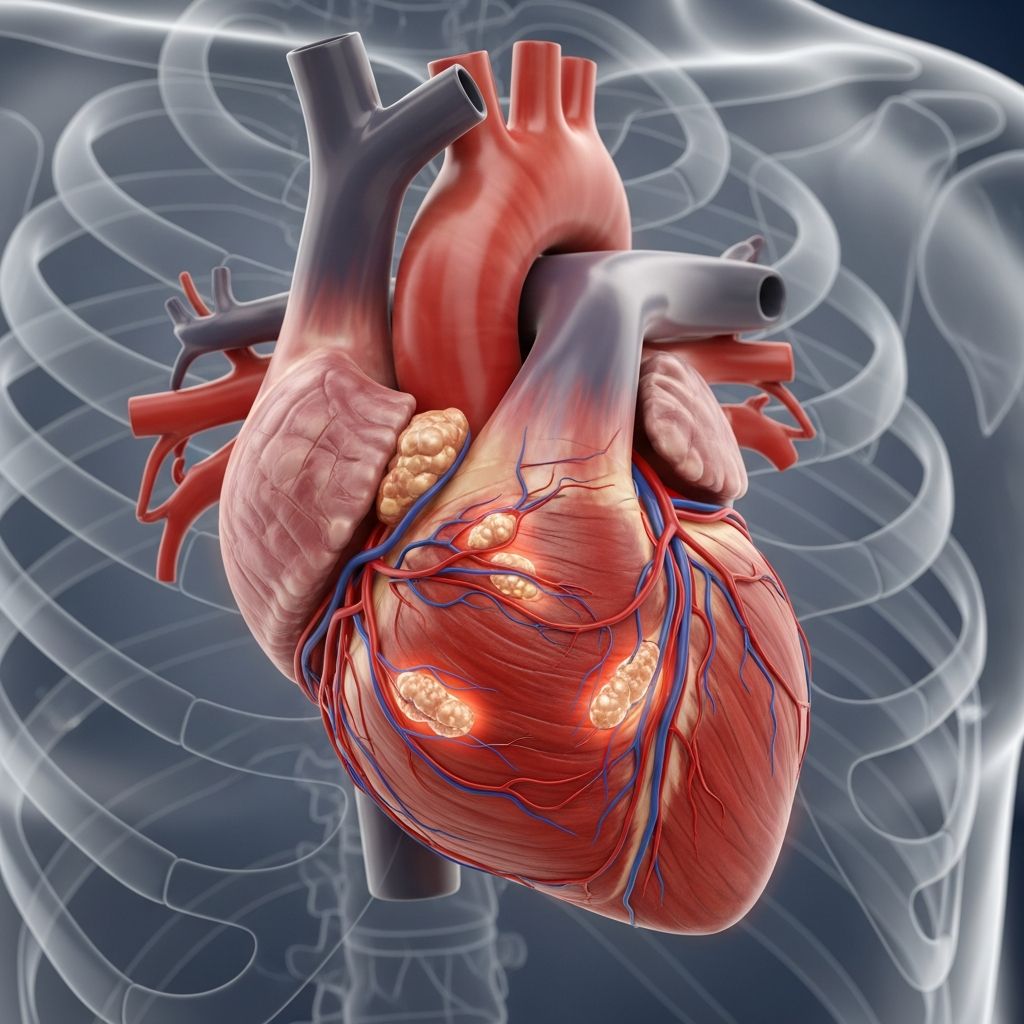
Coronary artery disease (CAD), also known as coronary heart disease, is the most common type of heart disease and occurs when plaque buildup narrows the coronary arteries, reducing blood flow to the heart muscle. This condition often progresses silently for years without noticeable symptoms, but when signs appear, they typically stem from inadequate oxygen-rich blood supply to the heart. Early recognition of
CAD symptoms
is crucial, as it can prevent severe complications like heart attacks. Common indicators include chest pain, shortness of breath, and unusual fatigue, which may worsen during physical activity.CAD affects millions worldwide, with risk factors including high cholesterol, hypertension, smoking, diabetes, and sedentary lifestyles. In the United States, it is the leading cause of death, underscoring the importance of awareness. Symptoms can vary by individual, and some people, particularly women, older adults, and those with diabetes, may experience atypical presentations. This article explores CAD symptoms in detail, differences from heart attack signs, complications, and guidance on seeking help.
What Is Coronary Artery Disease?
**Coronary artery disease** develops when the coronary arteries—vital blood vessels supplying oxygen and nutrients to the heart—become narrowed or blocked by atherosclerotic plaques composed of cholesterol, fat, and other substances. Over time, this restricts blood flow, forcing the heart to work harder, especially during exertion. Unlike other organs, the heart pumps its own fuel source, making even partial blockages problematic.
The process often begins in early adulthood and advances gradually, which is why many remain asymptomatic until middle age or later. Complete blockages can trigger acute events like myocardial infarction (heart attack). Prevention focuses on lifestyle modifications, as medications and procedures treat but do not cure the underlying atherosclerosis. According to official health guidelines, managing risk factors can significantly lower CAD incidence.
Symptoms of Coronary Artery Disease
Symptoms of CAD arise from myocardial ischemia, where the heart muscle lacks sufficient oxygen due to narrowed arteries. They frequently manifest during physical activity or stress when oxygen demand rises, easing with rest. Key
CAD symptoms
include:- Chest pain or angina: The hallmark symptom, described as pressure, squeezing, tightness, heaviness, or aching in the chest, often on the left or center side. It may feel like indigestion or a heavy weight on the chest and typically lasts a few minutes.
- Shortness of breath (dyspnea): Difficulty breathing or feeling unable to catch one’s breath, especially during mild exertion like climbing stairs.
- Fatigue: Unusual tiredness or weakness, even with minimal activity, as the heart struggles to meet bodily demands.
Angina types include stable (predictable, triggered by exertion, relieved by rest or nitroglycerin), unstable (unpredictable, more severe, signaling imminent heart attack), variant (due to artery spasm), and microvascular (affecting smaller vessels, more common in women). Symptoms may not appear at rest initially but intensify as arteries narrow further.
Coronary Artery Disease Symptoms in Women
Women with CAD often present with subtler or non-classic symptoms compared to men, leading to underdiagnosis. Instead of severe chest pain, they may experience:
- Brief, sharp pain in the neck, arm, or back.
- Nausea, vomiting, or heartburn-like discomfort.
- Shortness of breath without chest pain.
- Extreme fatigue or sleep disturbances.
- Lightheadedness or anxiety-like feelings.
Related Stories



These atypical signs are linked to microvascular disease or plaque rupture differences. Postmenopausal women face heightened risk due to estrogen decline. Awareness campaigns emphasize that women should not dismiss fatigue or digestive symptoms as unrelated to heart health.
Heart Attack Symptoms vs. Coronary Artery Disease Symptoms
While CAD symptoms reflect ongoing reduced blood flow,
heart attack symptoms
indicate acute artery blockage, often from plaque rupture and clot formation. Use this table to differentiate:| Symptom | CAD (Angina) | Heart Attack |
|---|---|---|
| Chest Pain | Pressure/tightness; triggered by activity; relieves with rest (5-10 min) | Crushing, intense; may spread to arms/jaw; lasts >20 min, unrelieved |
| Shortness of Breath | During exertion | Sudden, with or without chest pain |
| Fatigue | Progressive with activity | Sudden extreme weakness |
| Other | – | Cold sweats, nausea, lightheadedness, palpitations |
Heart attack pain may radiate to shoulders, arms, back, neck, jaw, or stomach. Women and diabetics may have minimal chest pain, presenting primarily with nausea or dizziness. Call emergency services immediately if symptoms persist beyond rest or medication.
When to See a Doctor for Coronary Artery Disease Symptoms
Consult a healthcare provider if you experience new or worsening chest discomfort, unexplained shortness of breath, or fatigue interfering with daily life. Seek
emergency care
for:- Chest pain lasting >5 minutes unrelieved by rest/nitroglycerin.
- Severe shortness of breath, fainting, or rapid heartbeat.
- Symptoms with sweating, nausea, or arm/jaw pain.
Diagnostic tests include ECG, stress tests, echocardiograms, and coronary angiography. Early intervention via statins, antiplatelets, or angioplasty can halt progression.
Complications of Coronary Artery Disease
Untreated CAD leads to serious issues from chronic ischemia or acute events. Primary complications:
- Angina: Worsening chest pain as a direct CAD symptom and complication.
- Heart attack (myocardial infarction): Complete blockage kills heart muscle; symptoms include prolonged pain, sweating.
- Heart failure: Weakened heart from repeated ischemia; causes edema, severe dyspnea. Left-sided failure leads to pulmonary congestion; right-sided to leg swelling.
- Arrhythmias: Irregular rhythms like atrial fibrillation from damaged conduction; risks stroke or sudden death. Ventricular tachycardia can degenerate to fibrillation.
These can interconnect: a heart attack may precipitate heart failure or arrhythmias.
Frequently Asked Questions (FAQs)
What are the first signs of coronary artery disease?
The earliest signs are often chest tightness during exercise, shortness of breath on exertion, and fatigue.
Can CAD cause sudden death without symptoms?
Yes, via arrhythmias or silent ischemia leading to ventricular fibrillation.
How is chest pain from CAD different from heartburn?
CAD pain is exertional, pressure-like, and may radiate; heartburn is burning, post-meal related.
Are CAD symptoms worse at night?
Unstable angina or variant types may occur at rest or night.
Can lifestyle reverse CAD symptoms?
Lifestyle changes stabilize plaques and alleviate symptoms, though reversal is limited.
References
- Coronary Artery Disease: Causes, Symptoms and Treatments — University Health. 2023. https://www.universityhealth.com/blog/coronary-artery-disease
- Coronary artery disease – Symptoms and causes — Mayo Clinic Staff. 2024-06-14. https://www.mayoclinic.org/diseases-conditions/coronary-artery-disease/symptoms-causes/syc-20350613
- Coronary artery disease: Learn More – Complications of coronary artery disease — NCBI Bookshelf. 2023-03-22. https://www.ncbi.nlm.nih.gov/books/NBK355309/
Similar Articles








Read full bio of medha deb