Coronavirus (COVID-19): Symptoms, Treatment & Prevention
Comprehensive guide to COVID-19: Understanding transmission, symptoms, testing, and effective management strategies.
Understanding Coronavirus (COVID-19)
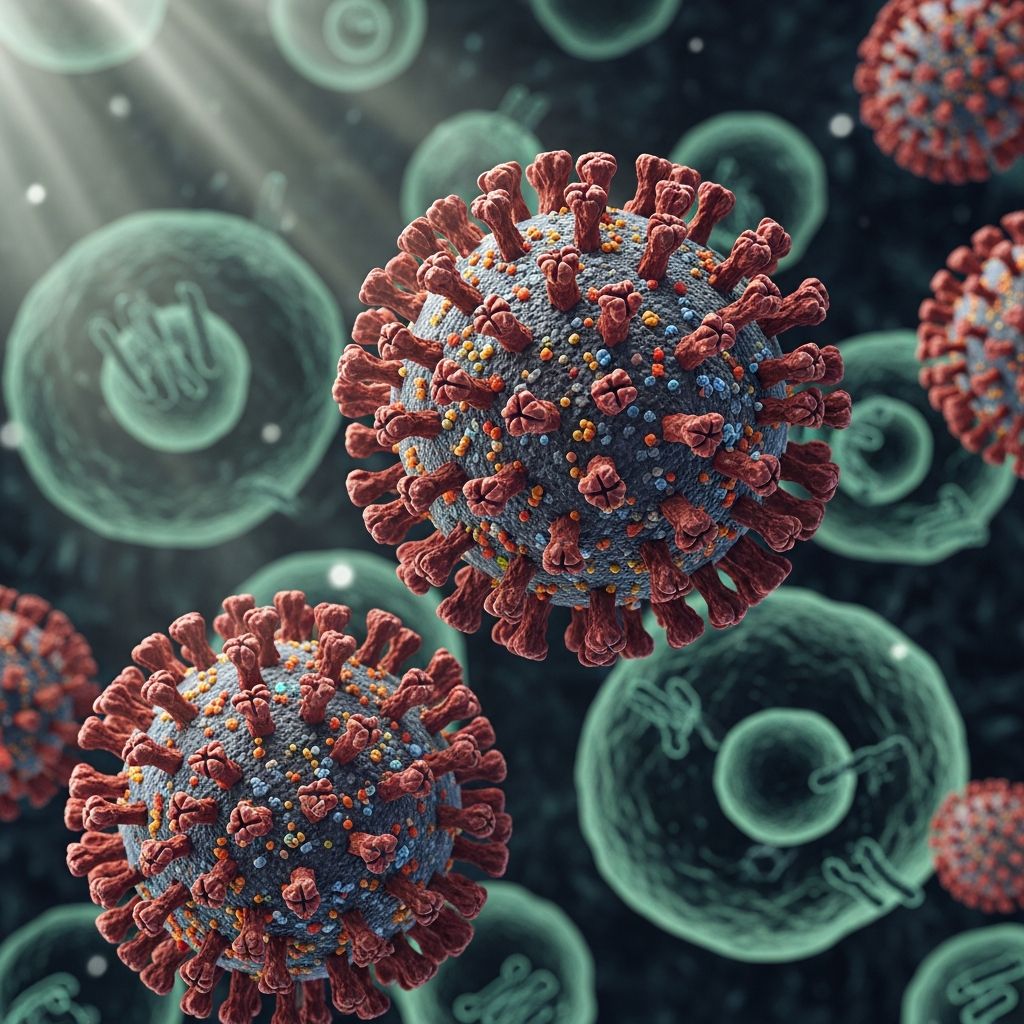
Coronavirus disease 2019, commonly known as COVID-19, is caused by the severe acute respiratory syndrome coronavirus 2 (SARS-CoV-2). Since its emergence in late 2019, the virus has spread globally and has established itself as a year-round respiratory pathogen that causes substantial illness and death, often affecting populations more severely than seasonal influenza. While the U.S. Public Health Emergency officially ended in May 2023, COVID-19 continues to circulate and mutate, requiring ongoing vigilance and understanding of the disease.
How COVID-19 Spreads
SARS-CoV-2 spreads primarily through respiratory droplets when an infected person coughs, sneezes, talks, or breathes. The virus can travel through the air and may be transmitted through close contact with infected individuals. Research shows that Omicron variants are at least as transmissible as the Delta variant and approximately 50-70% more transmissible than earlier variants, including Alpha. This increased transmissibility has made the virus more widespread in communities, even as vaccination rates have increased across the population.
Transmission Risk Factors
The risk of transmission increases in crowded indoor environments with poor ventilation, during prolonged close contact, and among unvaccinated or previously uninfected individuals. Healthcare workers and caregivers face elevated exposure risks, making proper personal protective equipment (PPE) and vaccination essential in medical settings.
Symptoms and Clinical Presentation
COVID-19 symptoms can range from asymptomatic to severe, with most infected individuals experiencing mild to moderate illness. Common symptoms include fever, cough, fatigue, loss of taste or smell, and difficulty breathing. Symptoms typically appear 2-14 days after exposure to the virus, though the incubation period can vary among individuals.
Mild to Moderate Illness
Many people infected with SARS-CoV-2 experience mild symptoms that resolve within a few weeks without medical intervention. These individuals may have upper respiratory symptoms similar to a common cold. However, even those with mild acute illness may develop long COVID, a condition characterized by persistent symptoms lasting weeks or months after the initial infection.
Severe Illness
Severe COVID-19 can progress to pneumonia with characteristic ground-glass infiltrates visible on imaging, potentially evolving into acute respiratory distress syndrome (ARDS). In hospitalized patients with severe COVID-19 pneumonia, laboratory findings commonly include leukopenia (low white blood cell count) in approximately 83% of cases, thrombocytopenia (low platelet count) in 36% of cases, elevated C-reactive protein (CRP), and transaminase elevations indicating liver involvement. Procalcitonin levels are typically normal, helping distinguish COVID-19 from bacterial superinfections. Chest imaging findings typically peak around day 10 of illness, with resolution beginning after day 14 for most hospitalized patients.
Who Is at Higher Risk for Severe Disease
Certain populations face significantly higher risks of developing severe COVID-19 and experiencing fatal outcomes. Advanced age, particularly over 65 years, represents a major risk factor for severe disease and death. Additionally, individuals with underlying comorbidities including cardiovascular disease, diabetes, chronic respiratory disease, obesity, and immunosuppression are at elevated risk for hospitalization and mortality.
High-Risk Populations
Immunocompromised individuals, including those with B-cell deficiencies, patients with lymphomas, and solid organ transplant recipients, require special consideration and may benefit from additional preventive measures and therapeutic interventions. Pregnant women, healthcare workers, and individuals in congregate settings also warrant close monitoring.
Related Stories



Diagnosis and Testing
COVID-19 diagnosis relies primarily on molecular and antigen testing. Reverse transcription polymerase chain reaction (RT-PCR) tests remain the gold standard for diagnosis, demonstrating high sensitivity and specificity. Rapid antigen tests provide quicker results and are increasingly used for home testing, though they have lower sensitivity than PCR tests. Many COVID-19 cases now go undiagnosed or are identified only through home antigen testing, making accurate case counts challenging in the current epidemiological environment.
Imaging and Laboratory Findings
Chest CT imaging may reveal lung findings such as ground-glass opacities before symptoms develop, providing valuable diagnostic information. Computed tomography scans can show the characteristic pattern of COVID-19 pneumonia and help differentiate it from other causes of respiratory illness, particularly in hospitalized patients requiring intensive care.
Differential Diagnosis
COVID-19 cannot be easily distinguished from other causes of viral respiratory infections, such as influenza, respiratory syncytial virus (RSV), or other respiratory viruses based solely on clinical grounds. Many symptoms overlap significantly with seasonal respiratory infections, making laboratory testing essential for definitive diagnosis. Community-acquired pneumonia caused by bacterial pathogens must also be considered in hospitalized patients presenting with severe respiratory symptoms.
Treatment Options
Treatment for COVID-19 depends on disease severity. Most individuals with mild illness require only supportive care including rest, hydration, and over-the-counter medications to manage fever and pain. However, individuals at high risk for severe disease benefit from antiviral medications when administered early in the infection course.
Antiviral Therapy
Remdesivir (Veklury) represents an FDA-approved antiviral therapy for COVID-19. Clinical trials have demonstrated significant efficacy, with remdesivir reducing COVID-19-related hospitalization risk by 87% compared to placebo in high-risk patients. In one major trial, only 0.7% of remdesivir recipients experienced COVID-19-related hospitalization or death within 28 days compared to 5.3% in the placebo arm. Treatment is most effective when initiated early in the disease course, within the first few days of symptom onset.
Supportive Care
Hospitalized patients with severe COVID-19 require aggressive supportive care including oxygen therapy, mechanical ventilation when necessary, and management of multi-organ complications. COVID-19 may progress to a hyperinflammatory phase causing multi-organ system failure, requiring intensive monitoring and specialized critical care interventions.
Co-infections and Superinfections
Patients hospitalized with severe COVID-19 face increased risk of co-infection with other viruses or superinfection with bacterial pathogens and molds. These secondary infections complicate clinical management and may require additional antimicrobial therapy.
Vaccination Against COVID-19
Vaccination represents the most effective strategy for preventing severe COVID-19, hospitalization, and death. COVID-19 vaccines work by training the immune system to recognize and combat SARS-CoV-2, significantly reducing the risk of severe disease even against new variants. Current estimates show vaccine efficacy of 45-46% against hospitalization in immunocompetent adults over 65 and 33% against emergency department visits for all adults during the 2024-2025 season. During the 2023-24 season, COVID-19 vaccines prevented approximately 68,000 hospitalizations and 5,300 in-hospital deaths in the United States.
Vaccine Benefits Beyond Acute Infection
Beyond preventing acute severe disease, vaccination lessens the chance of developing long COVID, the debilitating post-infection syndrome affecting millions of individuals worldwide. Those previously infected with COVID-19 who subsequently receive vaccination receive enhanced protection through hybrid immunity combining natural and vaccine-induced immunity.
Current Vaccination Recommendations
Health authorities recommend that all individuals remain up-to-date with COVID-19 vaccinations, particularly those in high-risk groups including older adults, immunocompromised individuals, and those with chronic medical conditions. Healthcare workers should maintain current vaccination status to protect both themselves and vulnerable patients.
Hospital Infection Control Measures
Healthcare facilities implement infection control protocols to prevent healthcare-associated transmission of COVID-19. Standard recommendations include respiratory isolation of confirmed or suspected cases, use of N95 respirators or powered air-purifying respirators (PAPRs) for healthcare workers, and encouragement of vaccination among medical personnel. These measures remain essential despite the end of the formal Public Health Emergency, particularly as the virus continues to evolve and circulate.
Viral Variants and Epidemiology
The evolution of SARS-CoV-2 has produced numerous variants of concern, though the rate of significant mutation has slowed due to substantial global human immunity. Genomic surveillance tracking conducted by the CDC indicates that as of July 2025, most circulating variants in the United States include LP.8.1, NB.1.8.1, and XFG lineages. Projections for the 2025-2026 season carry higher uncertainty due to fewer isolates being sequenced and reduced surveillance infrastructure compared to earlier pandemic years.
Long COVID and Post-Acute Sequelae
Long COVID, formally termed post-acute sequelae of COVID-19 (PASC), affects approximately 400 million people worldwide who experience persistent symptoms including brain fog, breathing difficulties, chronic fatigue, and cognitive impairment lasting months or years after acute infection. This condition impacts individuals with and without chronic health conditions and significantly affects quality of life and work capacity. Understanding and developing effective treatments for long COVID remain important priorities for ongoing research and clinical care.
Pandemic Preparedness and Future Outlook
The COVID-19 pandemic has provided valuable lessons for pandemic preparedness, though experts emphasize that adequate preparation for future infectious disease threats requires sustained investment in public health infrastructure, diagnostic capacity, vaccine development platforms, and surveillance systems. The emergence of novel pathogens with pandemic potential, including H5N1 avian influenza, underscores the ongoing threat of infectious disease outbreaks in an increasingly interconnected world.
Frequently Asked Questions
Q: How long do COVID-19 symptoms typically last?
A: Mild symptoms generally resolve within 1-2 weeks, while severe illness may require hospitalization and recovery may take several weeks or longer. Some individuals develop long COVID with persistent symptoms lasting months.
Q: Can I get COVID-19 if I’ve been vaccinated?
A: Yes, breakthrough infections can occur even among vaccinated individuals, though vaccination significantly reduces the risk of severe disease, hospitalization, and death.
Q: When should I seek emergency medical care for COVID-19?
A: Seek immediate medical attention if you experience trouble breathing, persistent pain or pressure in the chest, new confusion, inability to wake or stay awake, or bluish lips or face.
Q: How effective is remdesivir for treating COVID-19?
A: In clinical trials, remdesivir reduced COVID-19-related hospitalization risk by 87% in high-risk patients when administered early in infection, with only 0.7% hospitalization rate in treated versus 5.3% in placebo recipients.
Q: Should I wear a mask to prevent COVID-19?
A: Masks, particularly N95 respirators, provide protection in high-risk situations such as healthcare facilities, crowded indoor spaces during periods of high transmission, or when you are immunocompromised or at high risk for severe disease.
Q: Who should prioritize COVID-19 vaccination?
A: Adults over 65, those with chronic medical conditions, immunocompromised individuals, healthcare workers, and caregivers should prioritize vaccination to prevent severe disease and reduce transmission risk.
References
- Coronavirus COVID-19 (SARS-CoV-2) — Johns Hopkins Hospital Therapeutic Guidance. 2025-07-16. https://www.hopkinsguides.com/hopkins/view/Johns_Hopkins_ABX_Guide/540747/all/Coronavirus_COVID_19__SARS_CoV_2_
- Are we ready for the next one? What COVID, five years later, can teach us in an age of pandemics — Johns Hopkins University Hub Magazine. 2025-03. https://hub.jhu.edu/magazine/2025/spring/ready-for-next-pandemic/
- COVID-19 Vaccines — Centers for Disease Control and Prevention (CDC). 2025. https://www.cdc.gov/vaccines/covid-19/index.html
- Johns Hopkins Coronavirus Resource Center — Johns Hopkins Medicine. 2025. https://coronavirus.jhu.edu
Similar Articles








Read full bio of Sneha Tete