Coronavirus Myths for People With Arthritis
Separating fact from fiction: Essential truths about COVID-19 risks, vaccines, and management for those living with arthritis.
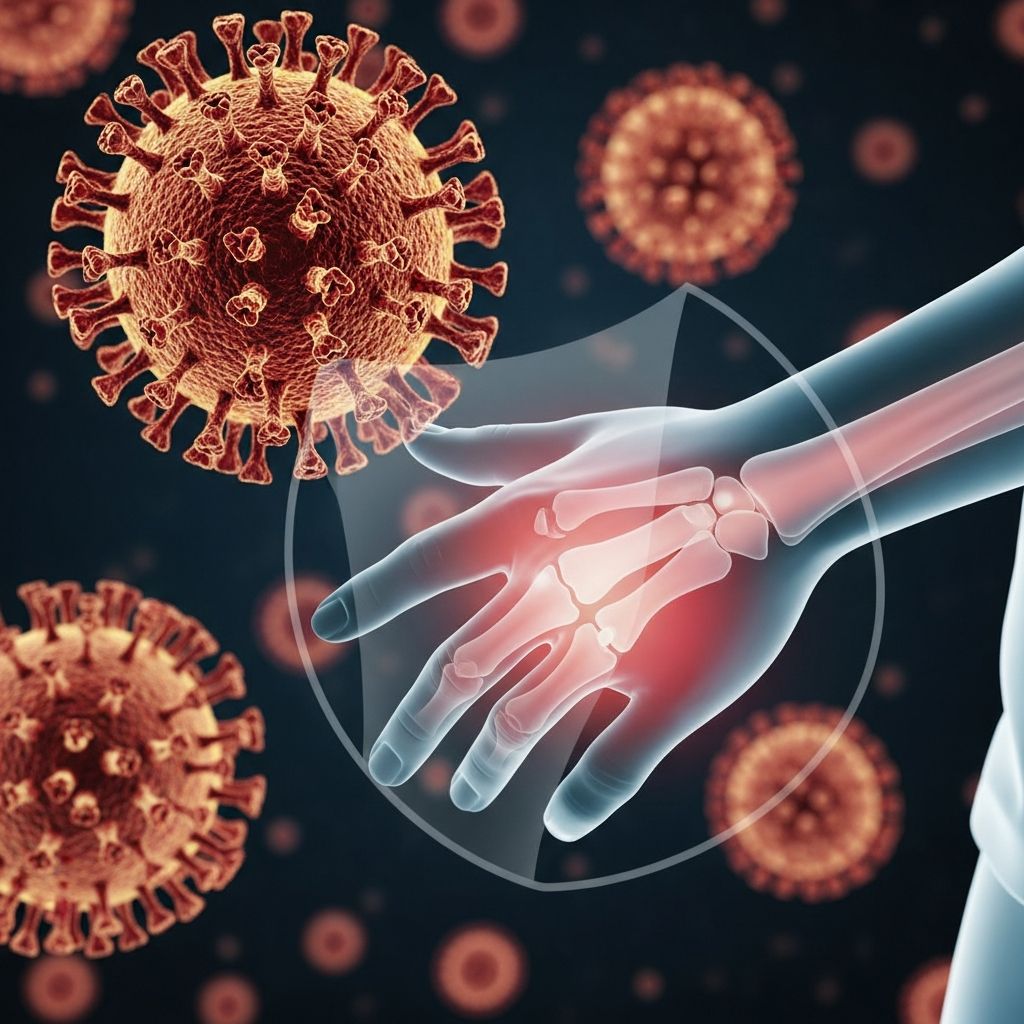
People with arthritis, particularly those with inflammatory or autoimmune forms like rheumatoid arthritis (RA), have faced unique concerns during the COVID-19 pandemic. Misinformation has proliferated, creating unnecessary fear or false reassurance. This article debunks key myths using evidence from rheumatology experts and health authorities, helping you navigate risks, treatments, and prevention.
Understanding COVID-19 and Arthritis: The Basics
Arthritis encompasses over 100 conditions, but inflammatory types involving immune-modulating medications raise specific COVID-19 questions. Early in the pandemic, fears centered on whether arthritis drugs increased severe outcomes. Current data shows nuanced risks, influenced by comorbidities like obesity or diabetes rather than arthritis alone.
- Key Fact: Inflammatory arthritis does not inherently heighten COVID-19 complication risks, per multiple studies.
- Comorbidities and disease activity play larger roles in outcomes.
Myth 1: People with Arthritis Are at Much Higher Risk of Severe COVID-19
Truth: Studies do not consistently show elevated complication risks for those with inflammatory arthritis alone. A large Veterans Affairs analysis and global rheumatology registries indicate risks align more with age, obesity, diabetes, or uncontrolled disease activity. For instance, the COVID-19 Global Rheumatology Alliance registry tracks outcomes in rheumatology patients, revealing no disproportionate severity.
However, patients on certain immunosuppressants may face higher hospitalization rates if infected. Prioritize vaccination, masking in high-risk settings, and prompt testing.
Myth 2: Arthritis Medications Increase COVID-19 Infection Risk or Severity
Truth: Most arthritis drugs do not significantly elevate COVID-19 risks. Hydroxychloroquine (HCQ), methotrexate (MTX), and biologics like TNF inhibitors show no increased infection rates in observational data. Early concerns about HCQ arose from its COVID-19 repurposing trials, but rheumatology doses remain safe.
| Medication Class | COVID-19 Risk Impact | Evidence |
|---|---|---|
| DMARDs (MTX, HCQ) | No increased risk | Global registries |
| TNF Inhibitors | Neutral or protective | Lower hospitalization vs. non-users |
| High-dose Steroids | Increased risk | Dose-dependent; taper if possible |
| JAK Inhibitors | Monitor closely | Emerging data suggests caution |
Continue medications unless advised otherwise by your rheumatologist. Stopping abruptly can flare arthritis.
Myth 3: If You’ve Had COVID-19 or Are Vaccinated, You’re Fully Protected
Truth: Neither prior infection nor vaccination guarantees immunity, especially with variants like Omicron. Breakthrough infections occur, and reinfections pose higher risks of complications and death, per a study of nearly 6 million Veterans Affairs patients. Immunocompromised individuals face substantial reinfection risks regardless of status.
Stay updated with boosters. Models estimate vaccines saved 3 million lives, including among vulnerable groups.
Myth 4: Masks Are No Longer Needed for Arthritis Patients
Truth: CDC guidelines evolve, but experts urge personalized decisions. Rheumatologists like William Hayes Wilson, MD, recommend masking for immunosuppressed patients in crowded indoor spaces, especially during surges. Factors include medication type, comorbidities, and tolerance for risk. Test immediately if symptoms appear.
Related Stories



- High-risk environments: Healthcare settings, public transit.
- Low-risk: Well-ventilated outdoors.
Myth 5: COVID-19 Vaccines Are Dangerous for Arthritis Patients
Truth: Vaccines are safe and recommended for all arthritis patients, including those on biologics. No evidence links them to arthritis flares; rare side effects mirror general population. mRNA vaccines (Pfizer, Moderna) elicit strong responses, though slightly attenuated in highly immunosuppressed individuals—boosters help.
Vaccine effectiveness prevents severe disease effectively, even in immunocompromised groups.
Myth 6: Children with Juvenile Arthritis (JA) Face Extreme COVID-19 Risks
Truth: Children with JA have infection risks similar to peers, with low complication rates. Symptoms are often mild; multisystem inflammatory syndrome (MIS-C) is rare. Family-wide protections like vaccination benefit all.
Maintain JA treatments; do not pause without guidance.
Myth 7: Supplements Prevent or Cure COVID-19 in Arthritis Patients
Truth: No supplements reliably prevent COVID-19. Vitamin D may support immune health, but evidence for prevention is weak. Focus on proven measures: vaccines, hygiene. Anti-inflammatory diets aid overall management but aren’t cures.
Prevention Strategies for Arthritis Patients
Layer protections:
- Vaccinate and boost promptly.
- Mask in high-transmission areas.
- Avoid crowds; improve ventilation.
- Monitor symptoms; test early.
- Maintain arthritis control via meds, exercise, sleep.
What to Do If Exposed or Symptomatic
Isolate immediately. Contact your doctor for testing and antiviral eligibility (e.g., Paxlovid, safe with most arthritis drugs). Early treatment reduces severity.
Long COVID and Arthritis
Reinfections heighten long COVID risks, though data specific to arthritis is emerging. Prioritize avoidance.
Frequently Asked Questions (FAQs)
Are arthritis patients more likely to die from COVID-19?
No, mortality aligns with general risks unless comorbidities present. Registries show comparable outcomes.
Should I stop my biologic for COVID-19 fear?
No, unless directed. Stopping risks flares outweigh infection concerns.
Do vaccines cause arthritis flares?
Rarely; monitor but continue vaccinations.
Is reinfection worse for immunosuppressed?
Yes, higher complication risks per large studies.
Can weather affect COVID-19 arthritis interactions?
No direct link; manage arthritis independently.
Recovery and Outcomes for Arthritis Patients
Hospitalization risks are not markedly higher; recovery rates good with prompt care. Autoimmune patients show resilience in registries.
References
- Coronavirus and Arthritis: What You Need to Know — Arthritis Foundation. 2023-01-03. https://www.arthritis.org/about-us/news-and-updates/coronavirus-and-arthritis-what-you-need-to-know
- COVID-19 FAQs: Infection Risk and Prevention — Arthritis Foundation. 2023-01-03. https://www.arthritis.org/health-wellness/about-arthritis/related-conditions/other-diseases/covid-19-faqs-infection-risk-and-prevention
- Debunking Arthritis Myths — Arthritis Foundation. Accessed 2026. https://www.arthritis.org/health-wellness/about-arthritis/understanding-arthritis/debunking-arthritis-myths
Similar Articles








Read full bio of medha deb