Corticosteroids (Glucocorticoids): Definition & Side Effects
Complete guide to corticosteroids: how they work, benefits, risks, and safe usage.

Understanding Corticosteroids (Glucocorticoids)
Corticosteroids, commonly referred to as glucocorticoids, are powerful prescription medications designed to address pain and inflammation resulting from various injuries and health conditions. These medications have become fundamental tools in modern medical practice, offering relief to millions of patients suffering from inflammatory disorders, autoimmune diseases, and acute medical emergencies. Understanding how corticosteroids work, their benefits, potential side effects, and proper usage is essential for patients and healthcare providers alike.
What Are Corticosteroids?
Corticosteroids are synthetic versions of cortisol, a naturally occurring hormone produced by the adrenal glands. This hormone plays a crucial role in regulating inflammation, immune function, and stress response in the human body. When prescribed as medications, corticosteroids provide a concentrated dose of this anti-inflammatory compound, allowing healthcare providers to manage excessive inflammatory responses that can damage tissues and organs. The term "glucocorticoids" specifically refers to these hormones and their synthetic derivatives that primarily affect glucose metabolism and inflammation.
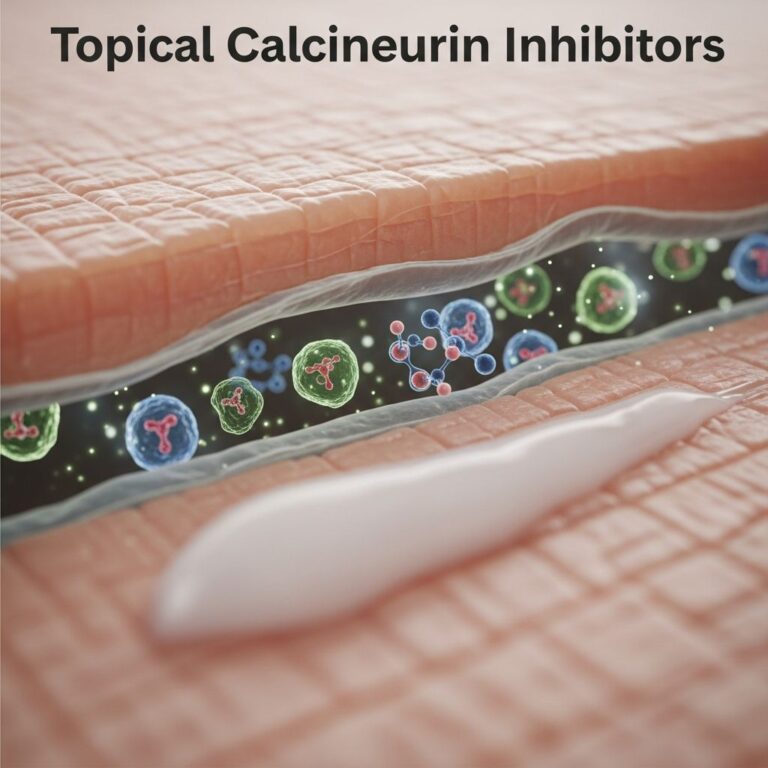
These medications come in various forms, including oral tablets, injectable solutions, inhalers, topical creams, and eye drops, allowing for flexible treatment approaches tailored to individual patient needs and specific conditions.
How Corticosteroids Work
Corticosteroids function by suppressing the immune system and reducing inflammation in the body. They work at the cellular level by entering cells and binding to glucocorticoid receptors in the nucleus, ultimately affecting gene expression and reducing the production of inflammatory substances. This mechanism allows corticosteroids to quickly reduce swelling, redness, and pain associated with various inflammatory conditions. By dampening the inflammatory response, these medications can prevent tissue damage and provide symptomatic relief relatively quickly, sometimes within hours or days of administration.
The anti-inflammatory action of corticosteroids makes them particularly effective for conditions where the body’s immune system is attacking its own tissues or where inflammation poses a threat to organ function.
Therapeutic Benefits and Uses
Corticosteroids offer numerous therapeutic benefits that have made them indispensable in medical practice. Some of the primary advantages include:
Pain and Inflammation Management
Corticosteroids are highly effective at reducing pain and inflammation associated with injuries and various health conditions. Whether dealing with sports injuries, arthritis, or other inflammatory disorders, these medications can provide significant relief. Additionally, corticosteroids can offer long-lasting pain relief—for example, cortisone shots can manage symptoms for months or even permanently in some cases.
Life-Saving Potential
In certain critical situations, corticosteroids can be literally life-saving. For patients with autoimmune diseases like lupus or vasculitis, corticosteroids may prevent worsening kidney inflammation that could otherwise lead to kidney failure. By halting the progression of kidney damage, these medications can help patients avoid the need for kidney dialysis or transplantation. Similarly, corticosteroids have demonstrated benefits in treating severe infections, including severe bacterial pneumonia, bacterial meningitis, and certain cases of COVID-19 with significant pulmonary involvement.
Respiratory Condition Management
Inhaled corticosteroids (ICS) are commonly prescribed to patients with severe COPD and recurrent exacerbations. Research has demonstrated that inhaled corticosteroids do not adversely impact outcomes in COVID-19 positive patients with COPD, and they remain an important treatment option for managing chronic respiratory conditions.
Related Stories



Common Uses of Corticosteroids
Corticosteroids are prescribed for a wide range of conditions, including:
- Rheumatoid arthritis and other autoimmune diseases
- Severe allergic reactions
- Asthma and chronic obstructive pulmonary disease (COPD)
- Lupus and vasculitis
- Inflammatory bowel disease
- Severe bacterial and pneumocystis pneumonia
- Adrenal insufficiency
- Post-transplant immunosuppression
- Acute inflammation from injuries or conditions
Forms of Corticosteroid Administration
Corticosteroids can be administered through multiple routes, each offering specific advantages:
| Administration Route | Description | Primary Uses |
|---|---|---|
| Oral Tablets | Taken by mouth and absorbed through the digestive system | Systemic inflammatory conditions, autoimmune diseases |
| Injectable (Injections) | Injected directly into affected areas or intravenously | Localized inflammation, acute conditions, cortisone shots |
| Inhaled | Delivered through inhalers to the lungs | Asthma, COPD, respiratory conditions |
| Topical | Applied directly to skin as creams or ointments | Skin conditions, localized inflammation |
| Eye Drops | Instilled directly into the eye | Eye inflammation, allergic conjunctivitis |
Cortisone Shots: A Targeted Approach
Cortisone shots (steroid injections) represent a targeted delivery method for corticosteroids. Your healthcare provider injects cortisone directly into the area experiencing inflammation, delivering the medication precisely where it’s needed. While the steroid medication circulates through the bloodstream and can affect other areas of the body, these systemic effects are typically minimal and usually unnoticeable to patients.
Cortisone shots are considered a safe and effective way to relieve pain and inflammation, helping patients manage symptoms or conditions that would otherwise limit their daily activities. The localized injection approach allows for higher concentrations of medication at the site of inflammation while minimizing systemic side effects.
Potential Side Effects of Corticosteroids
While corticosteroids offer substantial benefits, they also carry potential side effects that patients should understand. The severity and likelihood of side effects depend on various factors, including the dose, duration of use, route of administration, and individual patient characteristics.
Common Side Effects
Mild side effects associated with corticosteroid use may include:
- Increased appetite
- Mood changes or emotional instability
- Sleep disturbances or insomnia
- Mild headaches
- Nausea or gastrointestinal discomfort
- Increased blood pressure
- Tremors or nervousness
Serious Side Effects
Although less common, corticosteroids can cause more severe side effects, particularly with long-term use or higher doses:
- Increased susceptibility to infections
- Osteoporosis and increased fracture risk
- Elevated blood sugar levels and diabetes
- Cataracts and glaucoma
- Adrenal insufficiency
- Immunosuppression leading to opportunistic infections
- Weight gain and fat redistribution
- Muscle weakness and atrophy
- Psychiatric symptoms including depression and anxiety
Immunosuppression Concerns
One significant consideration with corticosteroid therapy is the immunosuppressant effect. Corticosteroids have a short-term immunosuppressant action that can make it harder for the body to fight infections and heal itself. This is why patients should not receive steroid injections if they have an active infection. Additionally, patients taking long-term corticosteroids face an increased risk for various infections, including opportunistic infections, as the immune system becomes less capable of mounting an effective defense.
White Blood Cell Response
An interesting and sometimes confusing side effect is that corticosteroids typically cause leukocytosis, or an elevation in white blood cell count. Clinicians must carefully evaluate elevated WBC counts in corticosteroid-treated patients to distinguish between this medication effect and signs of infection or other pathology.
Long-Term Use Considerations
The strategy for limiting adverse effects of corticosteroid therapy primarily involves limiting their use. Recent clinical data demonstrates toxicity from even low-dose corticosteroid use over extended periods, prompting increased movement within medical specialties to reduce long-term corticosteroid dependence. This has led to an aggressive shift in managing various immunologic conditions, including renal transplantation, lupus nephritis, ANCA-associated vasculitis, and giant cell arteritis, toward minimizing corticosteroid exposure.
Several strategies have been developed to reduce adverse effects while maintaining therapeutic benefit:
- Alternate-day therapy for select conditions
- Local application methods (inhalational, intralesional, intra-articular) to limit systemic exposure
- Pulse dosing using super-high doses for brief periods
- Transition to steroid-sparing agents when available
- Regular monitoring for toxicity and side effects
Special Populations and Contraindications
Certain patient populations require special consideration when using corticosteroids:
Patients With Bleeding Disorders
People taking blood-thinning medications (anticoagulants) or those with bleeding disorders such as hemophilia may not be able to receive steroid injections safely. It is crucial to inform your healthcare provider of all conditions, medications, and supplements you’re taking before beginning corticosteroid therapy.
COVID-19 Considerations
While the role of corticosteroids in SARS-CoV-2 infection initially sparked debate, evidence has evolved significantly. Earlier coronavirus pandemics suggested possible harm from systemic corticosteroids, but recent large randomized controlled trials have demonstrated reduced mortality in hypoxemic COVID-19 patients treated with corticosteroids like dexamethasone. However, for patients with COPD using inhaled corticosteroids, research confirms these medications do not increase COVID-19 risk or severity.
Glucocorticoid-Induced Adrenal Insufficiency
A significant concern with long-term corticosteroid use is glucocorticoid-induced adrenal insufficiency (GIAI), where prolonged medication use suppresses the body’s natural cortisol production. This condition requires careful management, including gradual tapering of corticosteroids rather than abrupt discontinuation, and potentially glucocorticoid replacement therapy. Healthcare providers must also be aware of glucocorticoid withdrawal syndrome, which can occur when stopping corticosteroids after prolonged use.
Safety and Proper Use
Corticosteroids prescribed by healthcare providers are safe when used as directed. Your provider will determine which type and dose of medication you need and will administer injections or prescribe appropriate formulations themselves. It’s essential to follow dosing instructions precisely and to attend follow-up appointments to monitor for side effects and therapeutic effectiveness.
In contrast, anabolic steroids used recreationally or without prescription are not safe. Nonprescription steroid doses are often 10 to 100 times higher than medical prescriptions, resulting in more severe and potentially life-threatening side effects.
Frequently Asked Questions
Q: How quickly do corticosteroids work?
A: Corticosteroids can begin reducing inflammation and providing relief within hours to days of administration, depending on the type, dose, and route of administration.
Q: Can corticosteroids be used long-term?
A: While corticosteroids can be used long-term for certain conditions, this approach requires careful monitoring for side effects. Current medical practice emphasizes limiting long-term use and transitioning to steroid-sparing alternatives when possible.
Q: What should I do if I forget to take my corticosteroid dose?
A: Contact your healthcare provider for specific instructions. Generally, if you remember within a short time, take the missed dose. If it’s almost time for the next dose, skip the missed dose and continue your regular schedule.
Q: Can I stop taking corticosteroids abruptly?
A: No. Abrupt discontinuation after prolonged use can cause withdrawal symptoms and complications. Your provider will create a tapering schedule to gradually reduce your dose.
Q: Are cortisone shots addictive?
A: Cortisone shots are not addictive in the traditional sense, though repeated use can lead to increased tolerance and diminished effectiveness over time.
Q: How often can I receive cortisone injections?
A: The frequency depends on your condition and response to treatment. Generally, healthcare providers recommend limiting injections to no more than three to four times per year in the same location to reduce the risk of tissue damage and osteoporosis.
Q: Are prescription corticosteroids different from anabolic steroids?
A: Yes. Prescription corticosteroids are glucocorticoids that reduce inflammation and suppress immune function. Anabolic steroids are different compounds that build muscle and are dangerous when used without medical supervision.
Conclusion
Corticosteroids represent a cornerstone of modern medical therapy, offering powerful anti-inflammatory and immunosuppressant effects that can dramatically improve quality of life and even save lives in critical situations. From managing chronic autoimmune diseases to treating acute inflammatory responses, these medications have transformed medical practice. However, their potent effects demand respect and careful monitoring. By understanding how corticosteroids work, recognizing potential benefits and risks, and following healthcare provider guidance, patients can safely utilize these powerful medications to achieve optimal health outcomes while minimizing adverse effects.
References
- Inhaled Corticosteroids Do Not Adversely Impact Outcomes in COVID-19 Positive Patients With COPD — National Center for Biotechnology Information (NCBI/PMC), 2021. https://pmc.ncbi.nlm.nih.gov/articles/PMC8174679/
- Balancing the Myths of Corticosteroid Therapy — Cleveland Clinic Journal of Medicine, 2022. https://www.ccjm.org/content/89/9/480
- Corticosteroids: Giving and Taking Away — Cleveland Clinic Journal of Medicine, 2024. https://www.ccjm.org/content/91/4/203
- Corticosteroids (Glucocorticoids): Definition & Side Effects — Cleveland Clinic, 2024. https://my.clevelandclinic.org/health/treatments/corticosteroids-glucocorticoids
- Cortisone Shots (Steroid Injections): Benefits & Side Effects — Cleveland Clinic, 2024. https://my.clevelandclinic.org/health/treatments/cortisone-shots-steroid-injections
- Elevation in White Blood Cell Count After Corticosteroid Use — Journal of Hospital Medicine, Wiley Online Library. https://shmpublications.onlinelibrary.wiley.com/doi/10.1002/jhm.70008
- Nearly a Century of Using Glucocorticoids in Patients With Active Infections — Cleveland Clinic Journal of Medicine, 2024. https://www.ccjm.org/content/92/10/605
Similar Articles








Read full bio of medha deb