Corticosteroids in Optic Neuritis Therapy
Exploring the role of corticosteroids in accelerating recovery from optic neuritis while understanding their limitations in long-term outcomes.
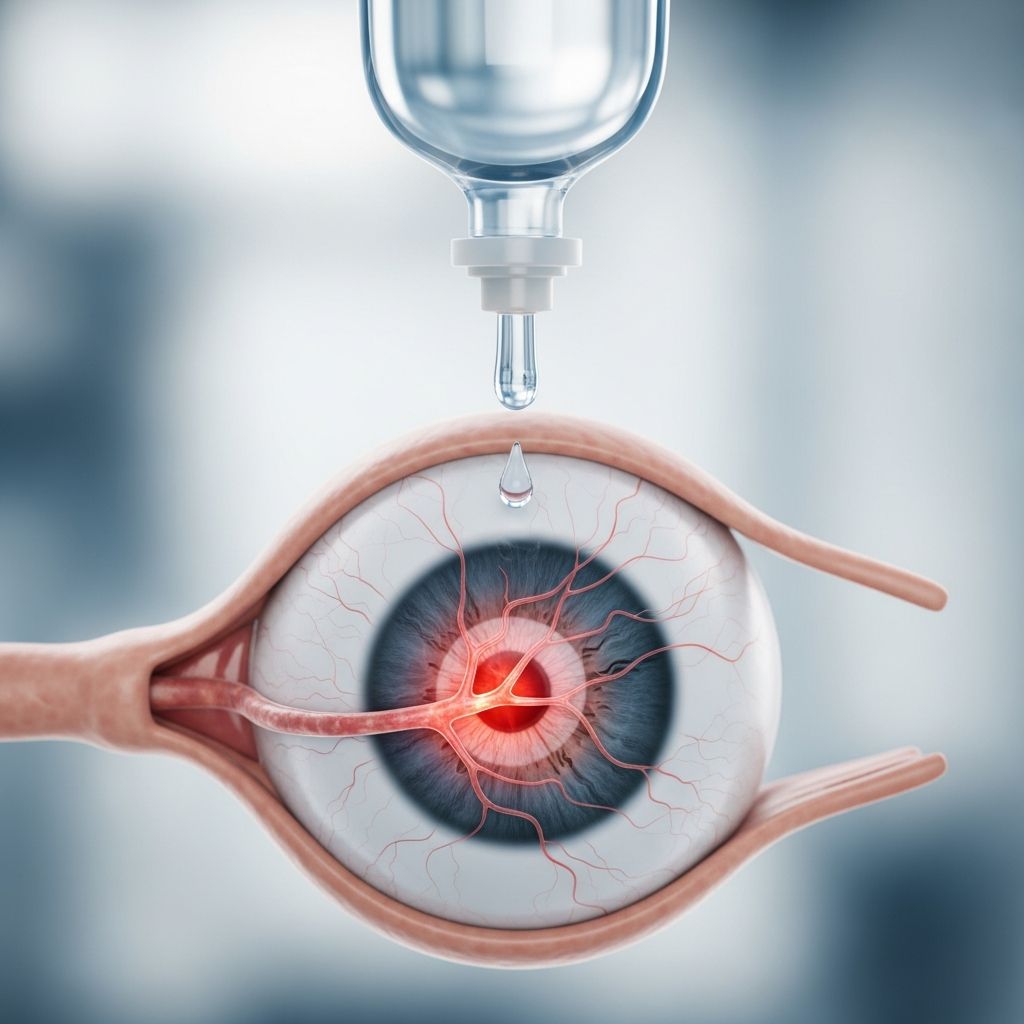
Optic neuritis involves inflammation of the optic nerve, often causing sudden vision loss, pain with eye movement, and color vision deficits. High-dose corticosteroids, particularly intravenous methylprednisolone, represent the primary intervention to expedite visual recovery, though they do not influence final visual prognosis.
Understanding Optic Neuritis Fundamentals
Optic neuritis typically affects one eye and is frequently the initial manifestation of multiple sclerosis (MS) or other demyelinating disorders. Symptoms peak within days, with spontaneous improvement occurring over weeks to months in most cases. Early diagnosis relies on clinical evaluation, including visual acuity tests, pupillary responses, and MRI to detect lesions suggestive of MS.
Distinct forms include typical optic neuritis linked to MS, characterized by retrobulbar pain and good recovery, and atypical variants like those in neuromyelitis optica spectrum disorder (NMOSD) or myelin oligodendrocyte glycoprotein antibody-associated disease (MOGAD), which may involve bilateral involvement, disc swelling, or poorer prognosis.
Primary Role of Corticosteroids
Corticosteroids suppress acute inflammation, reducing optic nerve swelling and promoting faster resolution of symptoms. The Optic Neuritis Treatment Trial (ONTT), a landmark study, established that intravenous methylprednisolone (1 g daily for 3 days) followed by oral prednisone taper speeds recovery by 1-2 lines of visual acuity within two weeks compared to placebo.
- Mechanism: These agents inhibit inflammatory cytokines, stabilize cell membranes, and limit demyelination progression.
- Regimen: Standard protocol: 1,000 mg IV methylprednisolone for 3-5 days, then oral prednisone (e.g., 60 mg for 4 days, tapering to 20 mg).
- Evidence: ONTT showed no long-term visual benefit but reduced short-term disability.
Oral prednisone alone at high doses (e.g., 1,250 mg daily) may match IV efficacy for recovery speed but carries a higher recurrence risk without IV lead-in, making it less favored.
Treatment Protocols Across Conditions
Management varies by underlying etiology. For MS-associated optic neuritis, IV corticosteroids suffice acutely, with disease-modifying therapies (DMTs) like interferon beta or rituximab for prevention.
| Condition | Acute Treatment | Follow-up | Prognosis Notes |
|---|---|---|---|
| MS-related | IVMP 1g x 3-5 days + oral taper | DMTs (e.g., IFN-β) | Good recovery; MS risk high |
| NMOSD | IVMP 1g x 3-5 days + PLEX if refractory | Immunosuppressants (rituximab, azathioprine) | Poorer; relapses common |
| MOGAD | IVMP; PLEX/IVIG for severe cases | MMF or rituximab if relapsing | Often excellent recovery |
| Idiopathic | IVMP or observe | Monitor for recurrence | Spontaneous improvement typical |
In NMOSD, prolonged oral steroids post-IVMP and early plasma exchange (PLEX) improve outcomes, with one study showing 20/50 vs. 20/400 acuity when PLEX follows refractory IVMP.
Guidelines and Evidence from Major Trials
American Academy of Neurology, American Academy of Ophthalmology, and National MS Society endorse IV corticosteroids for acute cases, prioritizing MRI for MS risk stratification. ONTT long-term data confirm 500-1,000 mg IV methylprednisolone for 3 days followed by 1 mg/kg oral prednisone for 11 days as optimal.
International guidelines recommend proton-pump inhibitors during therapy to prevent gastrointestinal issues, though short courses rarely require osteoporosis prophylaxis.
Potential Risks and Side Effects
While effective, corticosteroids pose risks including insomnia, mood changes, hyperglycemia, and gastric irritation. High-dose oral monotherapy increases new optic neuritis episodes, per ONTT. Inpatient IV administration allows monitoring, especially for those with comorbidities.
Related Stories



- Short-term: Weight gain, hypertension spikes.
- Long-term (rare in acute use): Osteoporosis, adrenal suppression.
- Mitigation: Taper schedules, supportive meds.
Advanced and Adjunctive Therapies
For steroid-refractory cases, plasmapheresis within 6 weeks offers rapid improvement, particularly in NMOSD. Emerging options include IVIG, rituximab for relapsing MOGAD, and neuroprotective agents like erythropoietin or simvastatin under trial.
Infectious optic neuritis requires antimicrobials first, deferring steroids.
Patient Monitoring and Prognosis
Follow-up includes serial visual field testing, optical coherence tomography (OCT) for retinal nerve fiber layer assessment, and MRI. Most regain near-normal vision within months, hastened by treatment. NMOSD carries highest relapse risk, necessitating immunosuppression.
Diagnostic Approach
- Detailed history: Pain, vision loss onset.
- Exam: Acuity, color vision, fields, fundus.
- Imaging: Brain/orbit MRI for demyelination.
- Labs: Aquaporin-4, MOG antibodies if atypical.
FAQs
Does steroid treatment cure optic neuritis?
No, it accelerates recovery but does not alter long-term vision. Spontaneous improvement occurs in most.
Can optic neuritis recur?
Yes, especially in NMOSD or untreated MS; preventive therapies reduce risk.
Is IV better than oral steroids?
IV is preferred for faster action and lower recurrence; high-dose oral viable outpatient but with caveats.
What if steroids fail?
Consider PLEX, IVIG, or disease-specific immunosuppressants.
How soon should treatment start?
Ideally within 8-14 days of onset for maximal benefit.
Future Directions in Treatment
Ongoing research targets remyelination (e.g., via gene therapy) and condition-specific biologics. Trials explore oral high-dose steroids’ tolerability and novel agents like rituximab earlier in MOGAD.
(Word count: 1678)
References
- Optic Neuritis Clinical Guide — Cleveland Clinic. 2023. https://my.clevelandclinic.org/departments/neurological/depts/multiple-sclerosis/ms-approaches/optic-neuritis
- Optic Neuritis – StatPearls — NCBI Bookshelf. 2023-10-05. https://www.ncbi.nlm.nih.gov/books/NBK557853/
- The Diagnosis and Treatment of Optic Neuritis — PMC. 2015. https://pmc.ncbi.nlm.nih.gov/articles/PMC4581115/
- Optic neuritis: a comprehensive review of current therapies — Frontiers in Neurology. 2025. https://www.frontiersin.org/journals/neurology/articles/10.3389/fneur.2025.1605075/full
- Considerations for the Management of Optic Neuritis — Practical Neurology. 2023. https://practicalneurology.com/diseases-diagnoses/ms-immune-disorders/considerations-for-the-management-of-optic-neuritis-in-the-inpatient-setting/31976/
- Optic Neuritis, its Differential Diagnosis and Management — Open Ophthalmology Journal. 2012. https://openophthalmologyjournal.com/VOLUME/6/PAGE/65/
- Optic neuritis – Diagnosis & treatment — Mayo Clinic. 2023. https://www.mayoclinic.org/diseases-conditions/optic-neuritis/diagnosis-treatment/drc-20354958
Similar Articles








Read full bio of medha deb