Corticosteroids: Uses, Side Effects, What You Need To Know
Corticosteroids are powerful medications that reduce inflammation and suppress the immune system, treating a wide range of conditions from asthma to autoimmune diseases.
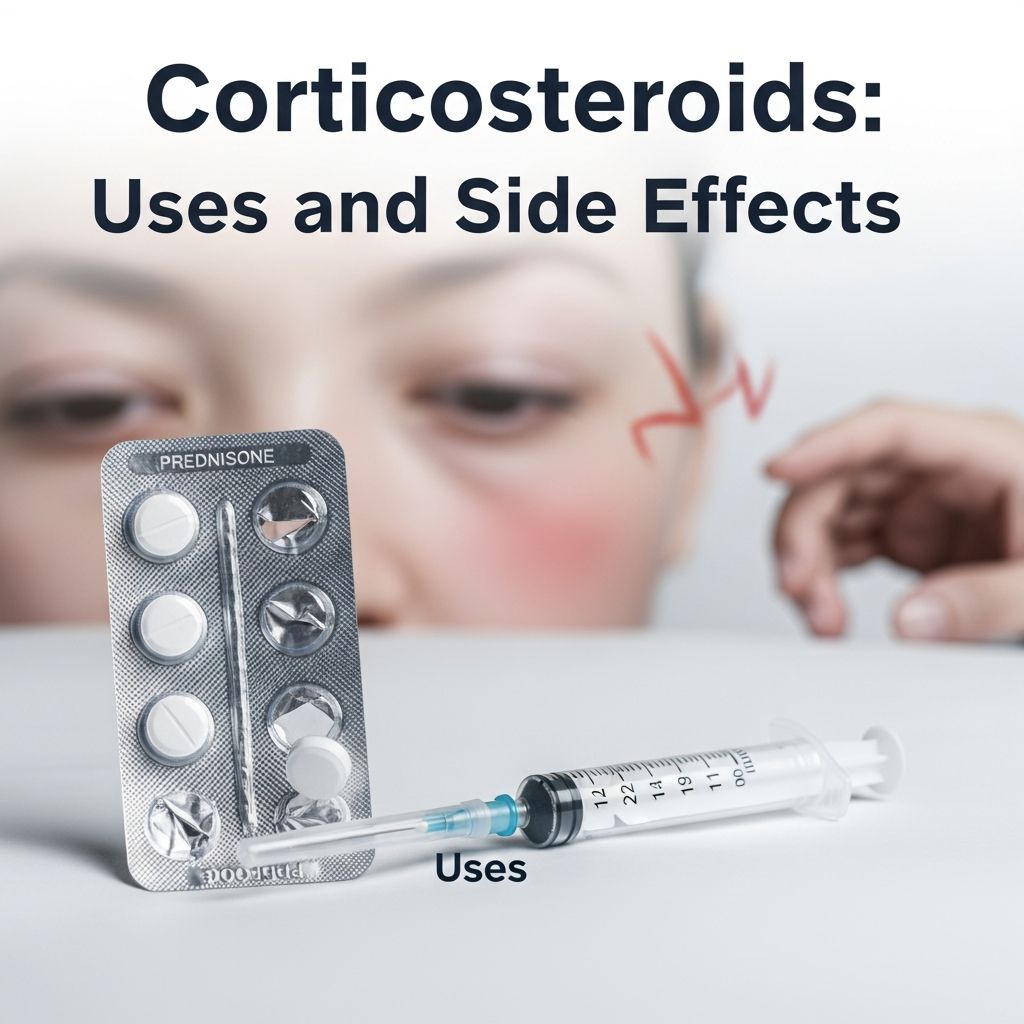
Corticosteroids, often called steroids, are synthetic medications that closely resemble cortisol, a hormone naturally produced by the adrenal glands. These drugs are widely used to reduce inflammation, suppress overactive immune responses, and manage a variety of acute and chronic conditions. By mimicking cortisol’s effects, corticosteroids provide rapid relief from symptoms like pain, swelling, and itching, making them essential in treating conditions ranging from asthma exacerbations to severe autoimmune disorders.
What Are Corticosteroids?
Corticosteroids are man-made drugs designed to replicate the actions of glucocorticoids, a class of hormones produced in the adrenal cortex. Unlike anabolic steroids, which build muscle, corticosteroids primarily exert
anti-inflammatory
andimmunosuppressive
effects. They influence multiple bodily systems, including metabolism, electrolyte balance, and the central nervous system.The body naturally produces corticosteroids to regulate stress responses, immune function, and inflammation. In medical use, they are administered in forms that allow precise dosing to achieve therapeutic benefits while minimizing risks. Short-term use, such as injections or inhalers, typically has fewer side effects compared to prolonged high-dose oral therapy.
How Do Corticosteroids Work?
Corticosteroids act through both genomic and nongenomic mechanisms. Primarily, they bind to intracellular glucocorticoid receptors, which translocate to the nucleus to modulate gene transcription. This process inhibits the production of pro-inflammatory cytokines, reduces immune cell migration, and suppresses phospholipase A2, decreasing arachidonic acid derivatives like prostaglandins and leukotrienes.
Key effects include:
- Anti-inflammatory: Reduces swelling, redness, and pain by blocking inflammatory mediators.
- Immunosuppressive: Decreases T-cell activation and antibody production, helpful in autoimmune diseases.
- Metabolic: Influences protein, carbohydrate, and fat metabolism, potentially leading to increased blood sugar.
- Electrolyte: Mineralocorticoid activity promotes sodium retention and potassium excretion.
These actions make corticosteroids fast-acting; local forms like injections can provide relief within hours, while systemic effects may take days.
Uses for Corticosteroids
Corticosteroids treat hundreds of conditions across medical specialties. They are indicated for infectious and inflammatory disorders, allergic reactions, autoimmune diseases, and more.
Common uses include:
- Respiratory conditions: Asthma, COPD exacerbations, and allergic rhinitis.
- Skin disorders: Eczema, psoriasis, and severe rashes.
- Autoimmune diseases: Rheumatoid arthritis, lupus, multiple sclerosis, and inflammatory bowel disease.
- Allergies: Anaphylaxis, hay fever, and hives.
- Joint and musculoskeletal: Arthritis flares, bursitis, and tendonitis.
- Organ transplants: Preventing graft rejection.
- Endocrine disorders: Adrenal insufficiency and congenital adrenal hyperplasia.
In emergencies, such as septic shock or spinal cord injuries, high-dose corticosteroids can be lifesaving. For chronic conditions like rheumatoid arthritis, they provide bridge therapy until disease-modifying drugs take effect.
Types of Corticosteroids
Corticosteroids are classified by potency, duration of action, and route of administration. They include glucocorticoids (e.g., hydrocortisone, prednisone) with primarily anti-inflammatory effects and mineralocorticoids (e.g., fludrocortisone) that regulate electrolytes.
| Type | Examples | Duration | Common Use |
|---|---|---|---|
| Short-acting | Hydrocortisone, Cortisone | 8-12 hours | Adrenal replacement, acute inflammation |
| Intermediate | Prednisone, Methylprednisolone | 12-36 hours | Asthma, arthritis |
| Long-acting | Dexamethasone, Betamethasone | 36-72 hours | Cerebral edema, fetal lung maturity |
Routes include oral (tablets), topical (creams), inhaled, injected (intra-articular, intramuscular), and intravenous.
Related Stories



Systemic vs. Localized Corticosteroids
Systemic corticosteroids affect the entire body and are used for widespread inflammation. Forms include oral prednisone, IV methylprednisolone, and intramuscular injections. They are potent but carry higher risks of side effects with prolonged use.
Localized corticosteroids target specific areas, minimizing systemic exposure:
- Inhaled: For lungs (e.g., budesonide for asthma).
- Intra-articular injections: For joints (e.g., cortisone shots for knee osteoarthritis).
- Topical: For skin (e.g., hydrocortisone cream for eczema).
- Intranasal: For allergies (e.g., fluticasone spray).
Localized therapies provide effective relief with fewer side effects, ideal for chronic management.
Side Effects of Corticosteroids
While beneficial, corticosteroids can cause significant side effects, especially with long-term use (over 30 days) or high doses.
Short-term side effects:
- Increased appetite and fluid retention.
- Mood changes, insomnia, and indigestion.
- High blood sugar spikes.
- Easy bruising and slowed healing.
Long-term side effects:
- Osteoporosis and fractures: Due to reduced bone formation and increased resorption.
- Cushingoid features: Moon face, buffalo hump, weight gain.
- Immunosuppression: Higher infection risk, including opportunistic infections.
- Metabolic: Diabetes, hypertension, hyperlipidemia.
- Eye issues: Cataracts, glaucoma.
- Musculoskeletal: Myopathy, avascular necrosis.
- Gastrointestinal: Ulcers, bleeding.
- Psychiatric: Depression, psychosis.
Children risk growth suppression; pregnant individuals should use cautiously.
Who Should Avoid Corticosteroids?
Corticosteroids are contraindicated in systemic fungal infections and hypersensitivity. Use caution in:
- Diabetes, hypertension, osteoporosis.
- Peptic ulcer disease, psychosis history.
- Recent live vaccines or uncontrolled infections.
Always consult a provider for personalized risk assessment.
Corticosteroid Withdrawal
Abrupt cessation after prolonged use can cause adrenal insufficiency due to hypothalamic-pituitary-adrenal (HPA) axis suppression. Symptoms include fatigue, nausea, hypotension, and joint pain.
Taper gradually: Reduce dose by 10-20% weekly, monitoring for withdrawal. Stress-dose steroids may be needed during illness or surgery.
How to Take Corticosteroids Safely
- Follow prescribed dose and duration exactly.
- Take oral doses in the morning to mimic natural cortisol rhythm.
- Use lowest effective dose; prefer localized forms.
- Monitor blood sugar, pressure, and bone density.
- Calcium/vitamin D supplements and weight-bearing exercise prevent osteoporosis.
- Report infections, vision changes, or mood shifts promptly.
- Avoid live vaccines; inform surgeons pre-op.
Frequently Asked Questions (FAQs)
Are corticosteroids the same as anabolic steroids?
No. Corticosteroids reduce inflammation; anabolic steroids build muscle.
Can corticosteroids cause weight gain?
Yes, especially long-term, due to increased appetite and fluid retention.
How long do cortisone shots last?
Effects can last weeks to months, sometimes permanently for certain conditions.
Do corticosteroids weaken the immune system?
Yes, increasing infection risk, particularly with systemic long-term use.
Can you drink alcohol while on corticosteroids?
Limit alcohol to avoid stomach irritation and bleeding risk.
References
- Corticosteroid Medication — Physiopedia. 2023. https://www.physio-pedia.com/Corticosteroid_Medication
- Corticosteroids — StatPearls, NCBI Bookshelf, NIH. 2023-12-17. https://www.ncbi.nlm.nih.gov/books/NBK554612/
- Corticosteroids (Glucocorticoids): Definition & Side Effects — Cleveland Clinic. 2023-08-08. https://my.clevelandclinic.org/health/treatments/corticosteroids-glucocorticoids
- Prednisone and other corticosteroids: Balance the risks and benefits — Mayo Clinic. 2023-12-20. https://www.mayoclinic.org/tests-procedures/cortisone-shots/in-depth/steroids/art-20045692
- Corticosteroids: Uses, Types, Side Effects and Interactions — Healthline. 2023. https://www.healthline.com/health/corticosteroids-what-are-they
- Corticosteroids: Types, side effects, and how they work — Medical News Today. 2023-11-23. https://www.medicalnewstoday.com/articles/corticosteroids
- Corticosteroids Side Effects: What You Need to Know — GoodRx. 2023. https://www.goodrx.com/classes/corticosteroids/long-term-effects-corticosteroids
Similar Articles








Read full bio of medha deb