Cortisol: What It Is, Function, Symptoms & Levels
Understanding cortisol: Learn how this stress hormone affects your health, normal levels, and when to seek treatment.
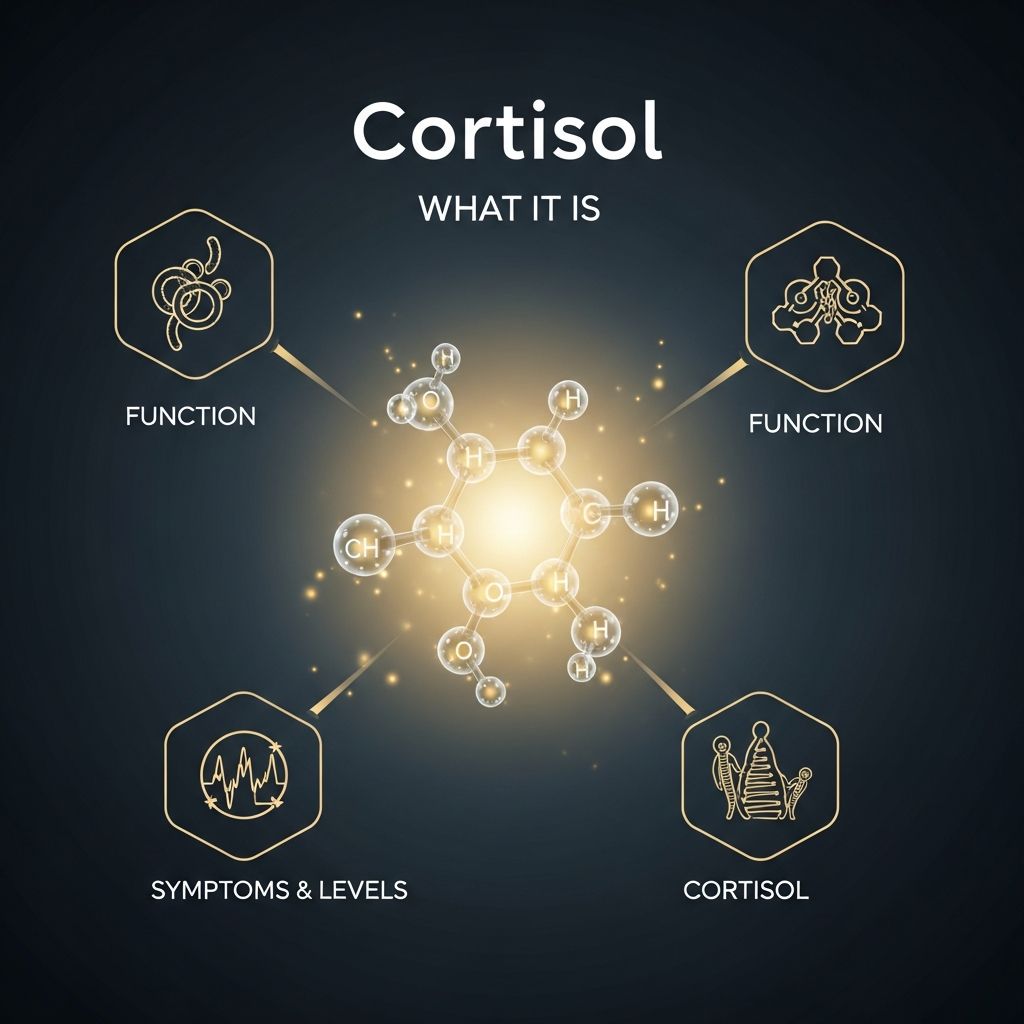
Cortisol is a steroid hormone produced by your adrenal glands, small hormone-producing glands that sit on top of your kidneys. Often called the “stress hormone,” cortisol plays a critical role in your body’s response to stress and helps regulate numerous essential bodily functions. While cortisol is necessary for maintaining health, imbalances—either too much or too little—can have significant consequences for your physical and mental wellbeing. Understanding this important hormone can help you recognize when something might be wrong and take steps to address it.
What Does Cortisol Do?
Cortisol affects several vital aspects of your health and helps regulate your body’s response to stress. When you experience stress—whether physical, emotional, or environmental—your body triggers a cascade of hormonal events designed to help you respond effectively. This process begins in your brain with your hypothalamus, which sends signals that ultimately result in the release of cortisol from your adrenal glands.
The primary functions of cortisol include:
- Managing stress response: Cortisol mobilizes your body’s resources during stressful situations, preparing you for “fight-or-flight” reactions by increasing heart rate and blood pressure.
- Regulating blood pressure: Cortisol helps maintain healthy blood pressure levels, though the exact mechanism in humans is not completely understood.
- Controlling glucose metabolism: Cortisol manages how your body uses glucose, affecting blood sugar levels and energy availability.
- Reducing inflammation: In short bursts, cortisol effectively limits inflammation and contains immune responses.
- Supporting the sleep-wake cycle: Cortisol follows a natural daily rhythm, being highest in the morning to help you wake and become more alert, then declining throughout the day.
How Your Body Produces Cortisol
Understanding cortisol production helps explain why imbalances occur. The process involves a complex communication system called the hypothalamic-pituitary-adrenal (HPA) axis. When cortisol levels in your blood drop, your hypothalamus sends out a warning signal in the form of corticotropin-releasing hormone (CRH). CRH tells your pituitary gland, a hormone-releasing gland at the base of your brain, to produce adrenocorticotropic hormone (ACTH). ACTH then stimulates your adrenal glands to make and release more cortisol. When cortisol levels get high enough, the process reverses—your hypothalamus and pituitary send signals to your adrenal glands to shut off production, maintaining a delicate balance.
Effects of High Cortisol Levels
Impact on the Immune System
Your immune system has a complex relationship with cortisol. While quick bursts of the hormone effectively reduce inflammation and contain immune responses, chronic elevation of cortisol weakens your immune system by reducing infection-fighting white blood cells. This is particularly concerning if you’re living with an autoimmune condition that is already affecting your immune response. The long-term activation of the stress response system and resulting overexposure to cortisol also increases your risk of numerous health conditions.
Metabolic and Cardiovascular Effects
Prolonged high cortisol affects your entire body in multiple ways. It narrows blood vessels and raises blood pressure, which increases your heart attack risk significantly. Up to 80% of people with Cushing’s syndrome, a condition of excessive cortisol production, develop hypertension. Additionally, your metabolism changes as cortisol makes cells resist insulin and raises blood sugar levels, increasing diabetes risk. The process happens because cortisol works against insulin and makes your liver produce more glucose.
Bone and Skin Health
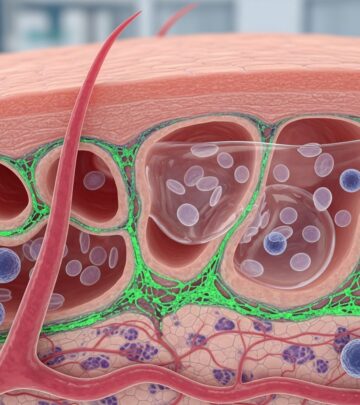
Cortisol weakens your bone structure and increases fracture risk, potentially leading to osteoporosis. Your skin changes noticeably as well. High cortisol makes skin thinner, causing easy bruising and distinctive purple stretch marks on your belly, thighs, and arms—these are wider and have a deeper color than normal stretch marks.
Mental and Emotional Effects
The physical changes from high cortisol are significant, but the mental and emotional effects are equally important. Research shows that approximately half of people with Cushing’s syndrome experience major depression. You might feel anxious, irritable, and experience mood swings when cortisol remains elevated. Short bursts of cortisol can actually help handle negative feelings, but when levels stay high for too long, they disrupt emotional balance and cause lasting mental stress. Brain fog becomes common with elevated cortisol, making simple mental tasks challenging and affecting memory and focus.
Other Health Conditions
The long-term effects of high cortisol extend to numerous other health problems. Digestive issues, headaches, memory problems, and muscle pain are common complaints. Additionally, prolonged cortisol exposure can worsen existing conditions such as diabetes or heart disease through its effects on inflammation and your immune system. Stress-related skin conditions like psoriasis and acne often flare up when cortisol levels are elevated.
Effects of Low Cortisol Levels
While high cortisol receives more attention, low cortisol levels can also cause significant health problems. Low cortisol can cause low blood pressure and may result in symptoms such as fatigue, weakness, weight loss, and difficulty managing stress. People with adrenal insufficiency or certain genetic conditions like congenital adrenal hyperplasia (CAH) may experience chronically low cortisol levels. During times of stress or illness, individuals with low cortisol may be unable to mount an adequate stress response, potentially leading to serious complications including adrenal crisis.
Normal Cortisol Levels
Cortisol levels vary throughout the day, following a natural circadian rhythm. Levels are typically highest in the early morning, around 6 to 8 a.m., when cortisol helps you wake up and feel alert. Levels gradually decrease throughout the day, reaching their lowest point around midnight. Normal cortisol ranges depend on the time of day and the laboratory testing the sample, but generally:
- Morning cortisol: 10-20 micrograms per deciliter (μg/dL)
- Evening cortisol: 3-10 μg/dL
Individual variation is normal, and your healthcare provider considers your specific circumstances when interpreting cortisol test results.
Symptoms of Cortisol Imbalance
Signs of High Cortisol (Hypercortisolism)
Several symptoms may indicate elevated cortisol levels:
- Fatigue and muscle weakness
- Mood changes including depression and anxiety
- Cognitive difficulties and brain fog
- Sleep disturbances
- Weight gain, particularly in the face and upper back
- Easy bruising and thin skin
- High blood pressure
- Osteoporosis and increased fracture risk
- Irregular menstrual periods
- Headaches
Signs of Low Cortisol (Hypocortisolism)
Low cortisol may present with these symptoms:
- Severe fatigue
- Weakness and muscle aches
- Low blood pressure
- Loss of appetite and weight loss
- Nausea and vomiting
- Difficulty concentrating
- Depression and anxiety
- Darkening of the skin
Testing Cortisol Levels
If your healthcare provider suspects a cortisol imbalance, several tests can measure your cortisol levels:
- 24-hour urine cortisol test: Measures cortisol excretion over a full day
- Late-night salivary cortisol test: Checks if cortisol properly decreases in the evening
- Blood cortisol test: Measures cortisol levels at a specific time, usually morning
- ACTH stimulation test: Evaluates how well your adrenal glands respond to stimulation
- Dexamethasone suppression test: Determines if your body properly regulates cortisol production
Conditions Associated with Cortisol Imbalance
Cushing’s Syndrome
Cushing’s syndrome results from excessive cortisol production. It can develop from pituitary or adrenal tumors, lung cancer, or chronic corticosteroid medication use. Symptoms include facial rounding, upper back fat accumulation, easy bruising, purple stretch marks, high blood pressure, and mood disturbances.
Addison’s Disease
Addison’s disease is an autoimmune condition where the adrenal glands don’t produce enough cortisol. It requires lifelong hormone replacement therapy to maintain adequate cortisol levels.
Congenital Adrenal Hyperplasia (CAH)
CAH is an inherited condition affecting enzyme function in the adrenal glands, often resulting in inadequate cortisol production. Most people with CAH have a defect in the 21-hydroxylase enzyme, which helps make cortisol and aldosterone. This requires specialized treatment to maintain hormonal balance.
Managing Cortisol Levels
Lifestyle Strategies
Several lifestyle modifications can help maintain healthy cortisol levels:
- Stress management: Practice relaxation techniques such as meditation, deep breathing, or yoga
- Regular exercise: Physical activity helps regulate cortisol and improve overall health
- Adequate sleep: Aim for 7-9 hours of quality sleep nightly to support healthy cortisol rhythms
- Healthy diet: Eat balanced meals with adequate protein, healthy fats, and whole grains
- Social connection: Maintain meaningful relationships and social engagement
- Limit caffeine: Reduce caffeine intake, especially later in the day
Medical Treatment
When cortisol imbalance requires medical intervention, treatment depends on the underlying cause. For high cortisol, treatments may include medications that inhibit cortisol production or surgery to remove tumors. For low cortisol, hormone replacement therapy with synthetic glucocorticoids like hydrocortisone restores adequate levels. People with CAH need daily glucocorticoid medication to replace cortisol because they don’t make enough on their own.
When to See a Healthcare Provider
Contact your healthcare provider if you experience persistent symptoms suggesting cortisol imbalance, such as unexplained fatigue, significant mood changes, unusual weight changes, or high blood pressure that doesn’t respond to treatment. Early diagnosis and appropriate management can prevent serious complications and significantly improve your quality of life.
Frequently Asked Questions
What is the relationship between cortisol and stress?
Cortisol is your body’s primary stress hormone. When you experience stress, your brain triggers the release of cortisol to help you respond effectively. Chronic stress keeps cortisol levels elevated, which can harm your health over time.
Can stress permanently change cortisol levels?
Prolonged stress can lead to dysregulation of your HPA axis, potentially causing persistent cortisol imbalance. However, stress management, therapy, and lifestyle changes can help restore normal cortisol patterns.
Does cortisol affect weight gain?
Yes, elevated cortisol promotes weight gain, particularly in the face and upper back area. It increases appetite, promotes fat storage, and can lead to insulin resistance, making weight management more difficult.
Can exercise lower cortisol levels?
Regular moderate exercise can help regulate cortisol levels. However, excessive intense exercise without adequate recovery can temporarily elevate cortisol. Balanced exercise routines are most beneficial.
Is cortisol completely bad for you?
No, cortisol is essential for survival. You need appropriate levels to manage stress, maintain blood pressure, regulate metabolism, and support other vital functions. Problems arise only when levels become too high or too low.
How long does it take to restore normal cortisol levels?
The timeline varies depending on the cause of imbalance. With lifestyle changes alone, improvements may take several weeks. Medical treatment for conditions like Cushing’s syndrome may require months of management. Your healthcare provider can give you specific expectations based on your situation.
References
- Cortisol: What It Is, Function, Symptoms & Levels — Cleveland Clinic. 2024. https://my.clevelandclinic.org/health/articles/22187-cortisol
- How Does CAH Impact Cortisol Levels? — CAHteam. 2024. https://www.cahteam.com/resources/how-does-cah-impact-cortisol-levels
- Cortisol: What It Is and How It Affects Your Health — HealthCentral. 2024. https://www.healthcentral.com/chronic-health/stress/cortisol-stress-hormone
- What is Cortisol? The Stress Hormone That’s Affecting Your Health — Best Choice Counselling. 2024. https://bestchoicecounselling.com/what-is-cortisol-the-stress-hormone-thats-affecting-your-health/
- The Cortisol Connection — Consult QD, Cleveland Clinic. 2024. https://consultqd.clevelandclinic.org/the-cortisol-connection
- Chronic Stress Puts Your Health at Risk — Mayo Clinic. 2024. https://www.mayoclinic.org/healthy-lifestyle/stress-management/in-depth/stress/art-20046037
- Glucocorticoid-induced Adrenal Insufficiency and Glucocorticoid Withdrawal — Cleveland Clinic Journal of Medicine. 2022-12-01. https://www.ccjm.org/content/91/4/245
Similar Articles








Read full bio of medha deb