Cosmetic Camouflage: Concealing Skin Irregularities
Master cosmetic camouflage techniques to conceal skin irregularities and boost confidence.
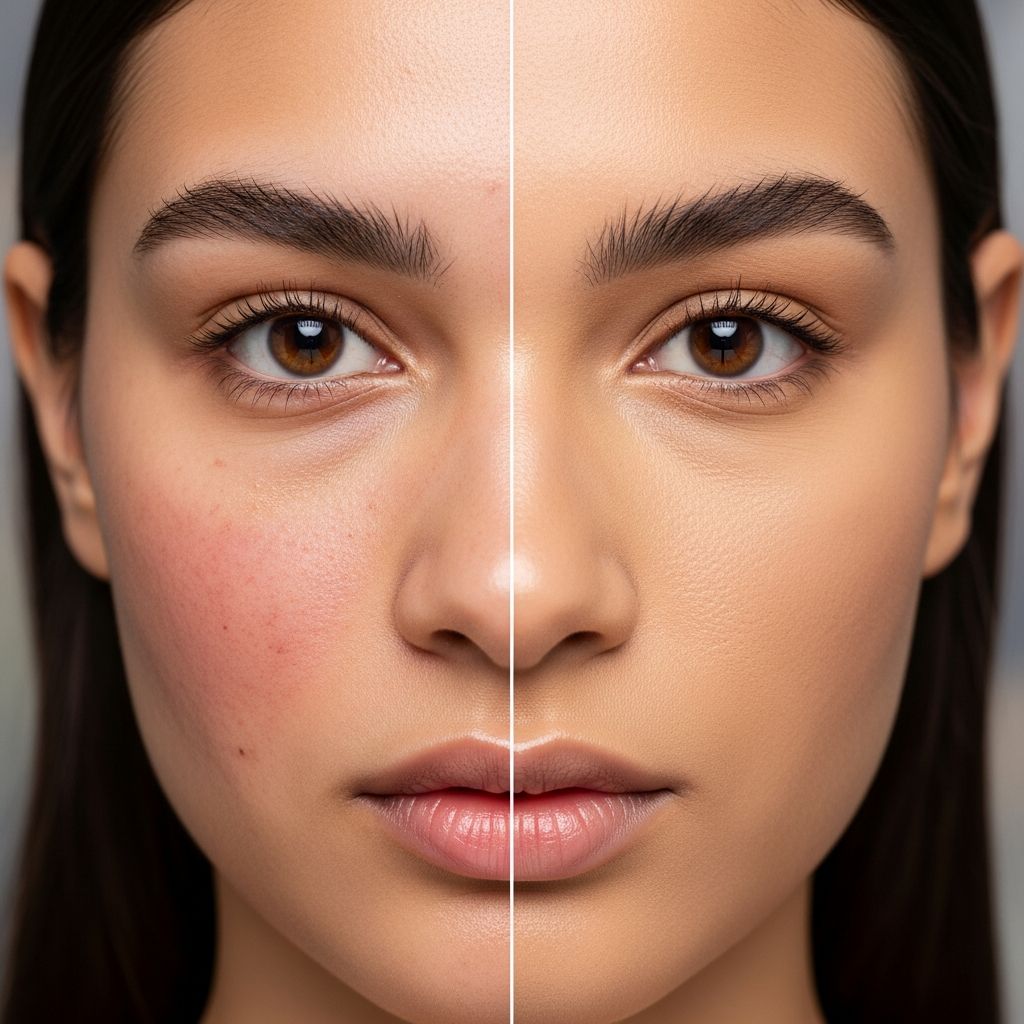
What Is Cosmetic Camouflage?
Cosmetic camouflage is the application of creams, liquids and/or powders to conceal colour or contour irregularities or abnormalities of the face or body. This specialized approach differs significantly from conventional makeup, as camouflage products are specifically formulated with higher pigment concentrations and enhanced staying power to address dermatological concerns rather than merely enhancing appearance. The practice has gained recognition as an important therapeutic tool in modern dermatology, helping patients achieve temporary normalization of appearance while managing the psychological impact of visible skin conditions.
Cosmetic camouflage has been shown to improve the quality of life significantly by enhancing patient self-esteem and creating a sense of personal well-being. For individuals living with visible skin conditions, disfigurements, or scars, these specialized products offer immediate relief and emotional support that extends beyond simple aesthetic improvement. This therapeutic dimension makes cosmetic camouflage a valuable component of comprehensive dermatological care.
Common Indications for Cosmetic Camouflage
Cosmetic camouflage is beneficial for a wide range of dermatological conditions, particularly those affecting visible areas of the body. Understanding when cosmetic camouflage is appropriate helps patients and healthcare providers determine the best treatment approach.
Primary Conditions Treated
- Nevus flammeus (port-wine stains) and vascular malformations
- Vitiligo and white spot disease
- Chloasma and melasma (brown discoloration)
- Rosacea, couperose, and telangiectasia
- Scars from surgery, trauma, or acne
- Bruises and post-procedural discoloration
- Varicose veins and spider veins
- Age spots and liver spots
- Dark circles under the eyes
- Tattoos and unwanted pigmentation
Camouflage products work particularly well on flat surfaces with pigment abnormalities or discolored areas. However, dermatoses with associated surface irregularities may present challenges, and patients should be counseled that while appearance will improve, complete camouflage may not always be possible.
Key Properties of Cosmetic Camouflage Products
Effective cosmetic camouflage products possess several essential characteristics that distinguish them from standard cosmetics. Understanding these properties helps users select appropriate products and achieve optimal results.
Essential Product Characteristics
| Property | Description | Clinical Significance |
|---|---|---|
| Opacity | High pigment content (iron oxide, titanium dioxide, kaolin) creates opaque coverage | Disguises underlying abnormalities better than ordinary makeup |
| Sun Protection | SPF 3-4 inherent; can be enhanced with additional sun protection | Protects treated areas and underlying skin conditions |
| Holding Power | Adheres to skin without sliding or shifting during normal activities | Maintains coverage throughout the day |
| Water Resistance | Ranges from standard cream formulations to highly water-resistant liquid types | Ensures durability in various environmental conditions |
| Ease of Application | Simple application process without complicated multi-step procedures | Promotes compliance and proper use by patients |
| Easy Removal | Removes with gentle soap or specialized removers (no harsh solvents) | Prevents skin irritation and damage to compromised skin |
Medical-grade camouflage makeup differs substantially from regular concealer. Medical-grade products feature significantly higher pigment concentration (30-50% versus 15-25% in regular concealers) and are specifically tested for sensitive and compromised skin barriers. Water-resistance typically lasts 12-24 hours when properly set, and formulations undergo dermatological testing for use on specific conditions.
The Three Basic Approaches to Cosmetic Camouflage
1. Concealing
Concealing represents the simplest approach and works exceptionally well for light discolourations. Concealers are often thicker and more opaque than regular foundation makeup. They effectively cover healed incision lines from surgery, scars and/or bruises on the face or body. Concealers are usually creamy products available in various shades to match natural skin color, and are sometimes blended with colour correctors to achieve optimal colour match. Liquid colour-matched concealers are also available and can closely resemble normal skin.
Related Stories



The concealing technique is particularly effective for epidermal melasma, freckles, faint erythema, and lighter scars where simple application of skin-matched camouflage product suffices.
2. Colour Correction
Deeper coloured dermatoses require a preliminary step of colour correction before concealing. This technique uses strategically selected corrector shades to neutralize unwanted discoloration before applying the camouflage cream. Colour correctors work by applying complementary colors on the color wheel:
- Green color correctors offset redness and ruddiness in the skin
- Mauve or lavender color correctors counterbalance sallow or yellow undertones in the complexion
- Very dark brown (nearly black) color correctors neutralise the white skin of vitiligo, as white’s opposite on the color wheel is black
Colour correction is essential for vascular malformations, dermal/mixed melanoses, and bruises. However, using colour correctors remains a somewhat controversial subject among experts. Some believe correctors effectively neutralize undesirable skin discoloration, while others argue that colour correctors simply add a third color to the treatment area without providing genuine benefit.
3. Pigment Blending
Pigment blending describes the camouflage method involving selection of a cover cream that matches the pigment of the patient’s makeup foundation. This approach creates seamless integration between treated and untreated areas by carefully feathering and blending the outer edges to fade unnoticeably into surrounding skin. On the face, it is sometimes necessary to apply a thinner layer of camouflage cream over the whole face, including unaffected areas, to achieve a uniform appearance.
Step-by-Step Application Technique
Proper application is crucial for achieving optimal cosmetic camouflage results. Following a systematic approach ensures maximum coverage and natural appearance.
Application Steps
- Prepare the skin: Begin with clean, moisturized skin as the foundation for camouflage application
- Apply colour correction (if needed): Use appropriate colour corrector based on discoloration type, applying with gentle dabbing motions using the third and fourth fingers
- Apply camouflage cream: Using sponges or fingers, apply skin-matched camouflage product by dabbing or tapping—never rubbing, as this removes the cream. Some brands advocate airbrush devices that spray a thin mist uniformly over the skin
- Blend edges: Carefully blend outer edges to fade unnoticeably into surrounding skin
- Set with powder: The camouflage creme requires setting with loose powder; using a powder puff, press powder on and brush off excess
- Apply fixing spray: A fixing spray further stabilizes the camouflaged area and helps prevent natural desquamation (flaking off), also providing slight skin sheen
- Remove at day’s end: Wash face with gentle soap and pat dry, followed by skin moisturization
When teaching application technique, it is important to emphasize that camouflage creams are applied by dabbing or tapping rather than rubbing. Patients should be trained keeping in mind their hobbies, occupation, usual outdoor activities and other topical agent use.
Compatibility with Other Skincare Products
Cosmetic camouflage can be successfully integrated into comprehensive skincare routines. Topical medications and emollients can be applied before camouflage application, and normal makeup can be worn after application of camouflage and topical medication. Although camouflage products contain sun protection through titanium dioxide and zinc oxide content, additional oil-free sunscreen can be applied both under and over the camouflage when indicated.
Removal and Daily Care
Different formulations require varying removal approaches. For most cream-based formulations, washing thoroughly with gentle soap is sufficient. However, newer liquid formulations like Microskin are highly water-resistant and may not wash off with soap, requiring specially formulated removers provided by manufacturers. Notably, daily removal is not advocated by manufacturers of such liquid formulations, as the advantage to patients is not having to reapply them every day.
Gentle cleansing is essential to prevent irritation and protect compromised skin barriers. This careful removal routine, combined with proper moisturization afterward, maintains skin health while allowing patients to benefit from long-lasting camouflage coverage.
Professional Products and Services
Several medical-grade camouflage products have become established standards in dermatological practice. High-coverage, medical-grade concealers form the cornerstone of effective camouflage, with products such as Dermablend, Vichy Dermablend, Kryolan Dermacolor, and Covermark offering exceptional pigment concentration with minimal product volume. These waterproof formulations provide longevity and resistance to environmental factors.
Professional camouflage services are available through specialized practitioners, including BASC (British Association of Skin Camouflage) practitioners, specialized dermatology clinics, and department store makeup counters offering professional services. Professional assessment and advice in a clinical setting optimize product selection and application technique for individual patient needs.
Psychological and Quality of Life Benefits
Beyond the physical concealment of skin irregularities, cosmetic camouflage provides profound psychological benefits. The psychosocial impact of visible skin conditions affecting facial and exposed areas is well-documented, and camouflage offers immediate relief from the emotional burden these conditions impose.
Specialized camouflage cosmetics are ideal adjuncts to other therapies for successful treatment of dermatological conditions. The results are extremely gratifying for both patients and physicians, as improved appearance directly correlates with enhanced self-esteem, social confidence, and overall quality of life.
Frequently Asked Questions
Q: How does medical-grade camouflage makeup differ from regular concealer?
A: Medical-grade camouflage makeup contains significantly higher pigment concentration (30-50% versus 15-25%), is specifically tested for sensitive skin, offers superior water-resistance lasting 12-24 hours, and is formulated for medical conditions rather than minor imperfections.
Q: Can cosmetic camouflage be used with other skincare products?
A: Yes, topical medications and emollients can be applied before camouflage, and normal makeup can be worn after. Additional sunscreen can be applied under and over camouflage when indicated.
Q: How long does cosmetic camouflage last throughout the day?
A: Duration depends on formulation type and setting technique. Cream-based products typically last through normal daily activities when properly set with powder and fixing spray, while liquid formulations may last 12-24 hours or longer without reapplication.
Q: Is cosmetic camouflage suitable for all skin types?
A: Cosmetic camouflage is suitable for various skin types and conditions, but products should be selected based on individual skin sensitivity and the specific condition being treated. Professional assessment ensures optimal product matching.
Q: What conditions benefit most from cosmetic camouflage?
A: Flat pigment abnormalities respond best, including vitiligo, melasma, port-wine stains, scars, bruises, and vascular conditions. Conditions with surface irregularities may require adjusted expectations regarding complete coverage.
Q: How is cosmetic camouflage removed safely?
A: Most cream-based formulations wash off with gentle soap and water. Water-resistant liquid formulations may require specialized removers provided by manufacturers. Gentle cleansing prevents skin irritation.
References
- Skin camouflage therapy — Indian Journal of Dermatology, Venereology, and Leprology (IJDVL), Sandhu JK. 2022. https://ijdvl.com/skin-camouflage-therapy/
- Camouflage Cosmetics in Dermatologic Therapy — PubMed Central (PMC), Shear NH. 1987. https://pmc.ncbi.nlm.nih.gov/articles/PMC2218559/
- Cosmetic camouflage, makeup — DermNet New Zealand. https://dermnetnz.org/topics/cosmetic-camouflage
- Flat Wart Camouflage: Makeup and Coverage Techniques — London Wart Removal. 2024. https://londonwartremoval.org/flat-wart-camouflage-makeup-and-coverage-techniques/
- Skin camouflage — Papaa.org Resources. https://www.papaa.org/resources/coping/skin-camouflage/
Similar Articles








Read full bio of medha deb