Could the Energy Crisis Fuel a Mental Health Emergency?
As energy bills soar amid crisis, vulnerable populations face heightened anxiety, depression, and financial distress risking a mental health emergency.
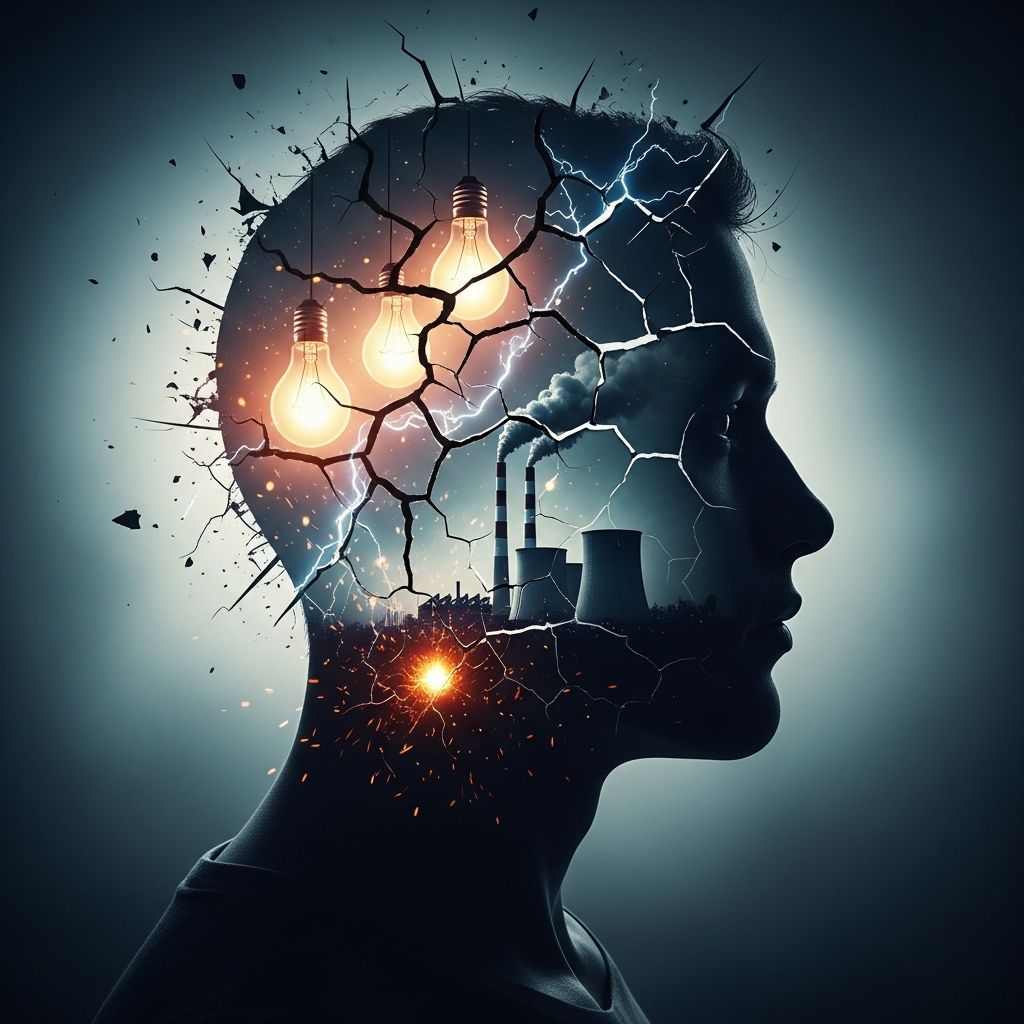
The escalating
energy crisis
, characterized by skyrocketing bills and supply disruptions, is not just a financial burden—it’s igniting a looming mental health catastrophe. People with pre-existing mental health conditions, low-income households, and vulnerable groups are experiencing intensifiedanxiety
,depression
, and stress as they grapple with unaffordable heating and electricity costs. Surveys reveal that 74% of those with mental health problems have seen bills rise, leading 89% to feel stressed or anxious. This article delves into the intersections of energy poverty and psychological distress, drawing on recent research to uncover risks and propose solutions.Understanding the Energy Crisis: A Perfect Storm for Mental Health
The energy crisis, fueled by global events like the war in Ukraine, geopolitical tensions, and supply chain failures, has driven energy prices to unprecedented levels. In early 2022, the UK energy price cap surged by 54%, with further increases anticipated, pushing households into dire choices between heating and eating. For individuals already battling mental health challenges, this crisis amplifies vulnerabilities: those with mental health problems are nearly four times more likely to fall behind on bills and reside in lower-income brackets.
Financial strain from rising costs triggers a cascade of psychological effects. Research from the Money and Mental Health Policy Institute shows that 81% of affected individuals cut back on energy use, 53% reduce essential spending, and 20% borrow money, all of which exacerbate feelings of helplessness and shame. One respondent shared: “The rise has affected me in ways that I am embarrassed to admit. It has resulted in me not using my heating system or showering as often.” Such testimonials highlight how energy poverty manifests physically and emotionally, eroding self-worth and daily functioning.
How Rising Energy Bills Are Triggering Mental Health Crises
**Direct psychological impacts** are stark. Among those facing bill increases, 89% report stress or anxiety, and 66% experience depression. The constant dread of impending price hikes—90% worry about affordability over the next year—creates chronic ‘permanent alertness,’ a state where the nervous system remains in low-level threat mode, depleting neurotransmitters for calm and focus. This mirrors broader 2026 mental health trends where economic pressures compound decision fatigue and emotional exhaustion.
- Anxiety and dread: Fear of debt and disconnection leads to panic attacks and sleep disturbances.
- Depression and isolation: Cold homes deter social visits, worsening loneliness.
- Shame and self-blame: Borrowers feel embarrassed, deepening depressive cycles.
Indirect effects compound the crisis. Reduced heating correlates with physical health declines—cold exposure worsens respiratory issues and mobility for the elderly or disabled—further straining mental resilience. In extreme cases, ‘eco-anxiety’ overlaps, as climate-related energy shortages evoke broader existential fears about environmental collapse.
Vulnerable Groups: Who Is Hit Hardest?
| Group | Key Vulnerabilities | Prevalence of Impact |
|---|---|---|
| People with mental health problems | Lower incomes, 4x more likely behind on bills | 74% bill increases, 89% anxious |
| Low-income households | Choose between heat/food, debt accumulation | 53% cut essentials |
| Elderly and disabled | Mobility limits, chronic conditions worsened by cold | Increased depression risk |
| Families with children | Child welfare concerns, parental stress | 20% borrowing money |
Related Stories



These groups face disproportionate harm. Mental health sufferers, often unemployed or on benefits, absorb shocks poorly. The elderly risk hypothermia alongside cognitive decline, while families endure heightened domestic tensions. Climate-vulnerable populations echo this: extreme weather survivors show PTSD rates up to 40 times physical injuries, with symptoms persisting years.
The Vicious Cycle: Energy Poverty and Mental Ill-Health
Energy poverty—defined as spending over 10% of income on energy—creates a feedback loop. Poor mental health impairs financial management, leading to debt; debt then fuels distress. Respondents dread doubled bills worsening crises: “I was already in mental health crisis and this has worsened my condition”. High temperatures from climate change similarly spike suicides and mood disorders, suggesting cold stress does analogously.
In 2026, this cycle intensifies amid ‘choice overload’: juggling bills, work, and care amid digital overload leaves prefrontal cortex fatigued, manifesting as irritability. Without intervention, we risk widespread ‘quiet burnout’—silent suffering eroding societal productivity.
Evidence from Surveys and Studies
The Money and Mental Health survey of 298 people (Jan 2022) provides compelling data: 74% bill rises prompted drastic cutbacks, with mental tolls immediate. Broader research links disasters to PTSD, anxiety persisting post-event. UK government support falls short, as 90% remain worried despite aid.
- 81% reduced energy use (e.g., no heating/showering).
- 66% felt depressed from financial pressure.
- Analogous to climate events: wildfires boost medication needs years later.
Government and Supplier Responses: Are They Enough?
Government interventions like price caps and one-off payments offer temporary relief but fail vulnerable groups already in deficit. Energy suppliers lag: many ignore hardship funds or flexible payments, alienating customers. Calls grow for mandatory vulnerability checks and bill caps for mental health patients.
Policy must evolve: incentivize prevention, fund climate-mental health research. In workplaces, 2026 trends push data-driven support like AI monitoring for burnout.
Practical Strategies to Protect Mental Health Amid the Crisis
Individuals can mitigate impacts:
- Energy-saving tips: Insulate homes, use LED bulbs, smart meters for control.
- Mental health tools: Somatic practices—breathing, grounding—to release stress.
- Financial aids: Access grants, debt advice from Citizens Advice.
- Digital hygiene: Scheduled ‘off-ramps’ from news/bills to reduce scanning.
- Community support: Warm hubs, peer groups for connection.
Employers: Offer energy bill assistance, mental health days.
Long-Term Solutions: Breaking the Crisis Cycle
Sustainable energy transitions—renewables, efficiency—curb prices long-term. Mental health policies need integration: train providers in eco-anxiety, build resilience via community programs. By 2026, precision care like personalized interventions shows promise. Governments must prioritize vulnerable tariffs and insulation schemes.
Frequently Asked Questions (FAQs)
What is the main link between the energy crisis and mental health?
Rising bills cause financial stress, anxiety (89%), and depression (66%), especially for low-income mental health sufferers.
Who is most at risk from energy poverty’s mental effects?
People with mental health issues (4x bill arrears), elderly, disabled, and families.
How can I manage anxiety from high energy bills?
Practice somatic techniques, seek debt advice, use energy-saving habits, and audit ‘open tabs’ mentally.
Is government support sufficient?
No—90% still fear affordability; more targeted aid needed.
What role does climate change play?
It worsens energy issues and triggers eco-anxiety, PTSD from events.
References
- How the energy crisis is impacting people with mental health problems — Money and Mental Health Policy Institute, Chris Lees. 2022-03-30. https://www.moneyandmentalhealth.org/enery-crisis-mental-health-problems/
- Climate Change – PARC – NBCC — PARC/NBCC. Accessed 2026. https://parc.nbcc.org/policyrecommendations/climatechange
- Why Mental Health in 2026 Feels Harder Than Ever — Favor Mental Health Services. 2026. https://www.favormentalhealthservices.com/post/why-mental-health-in-2026-feels-harder-than-ever-and-what-s-actually-helping
Similar Articles








Read full bio of Sneha Tete