Sun Allergy: 6 Types, Symptoms, And Treatments
Discover if sun exposure triggers your skin reactions: symptoms, types, causes, diagnosis, and effective treatments for sun allergies.
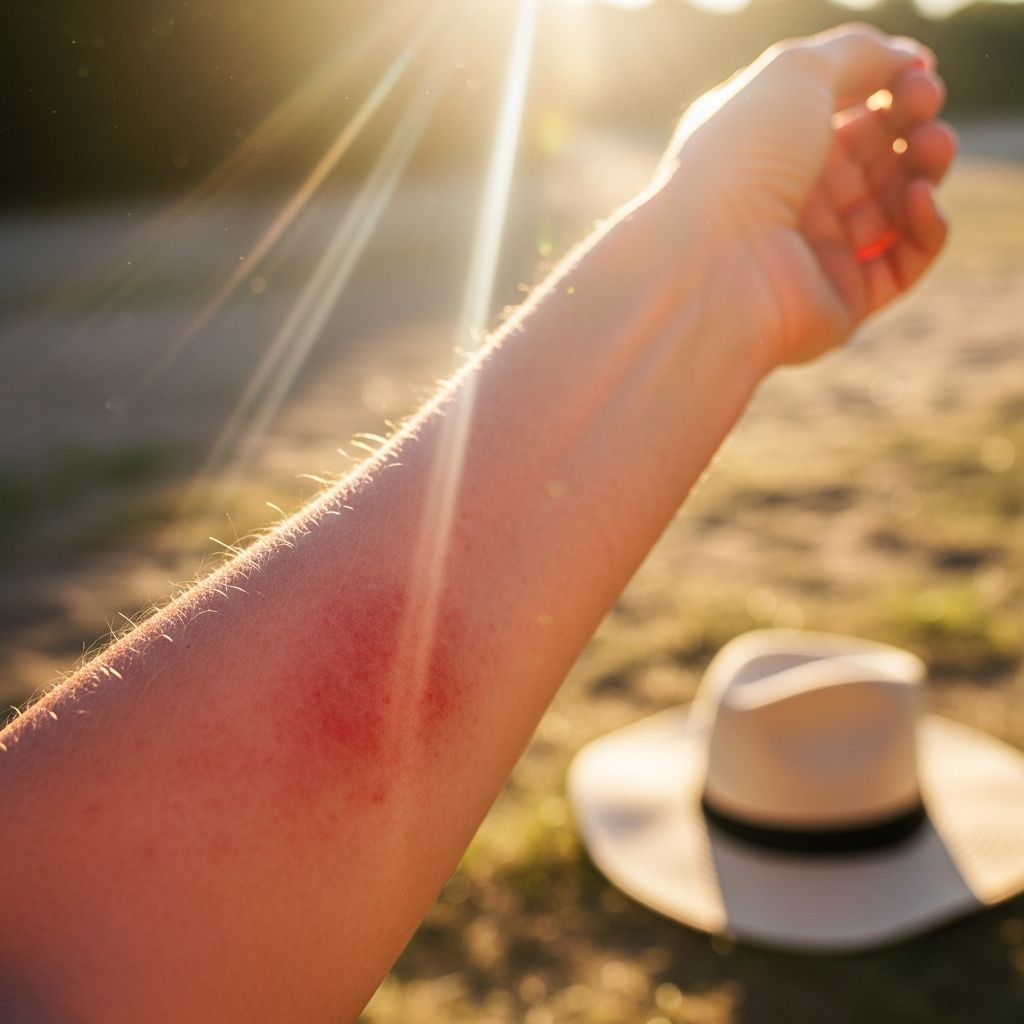
Sun allergies, medically known as photodermatoses, cause skin reactions triggered by ultraviolet (UV) light exposure from the sun or artificial sources. These conditions affect susceptible individuals, leading to itchy rashes, hives, or blisters on exposed skin.
What is a sun allergy?
A sun allergy occurs when the immune system overreacts to UV rays, releasing histamine and other chemicals that inflame the skin. Unlike typical sunburn, symptoms appear as red, itchy bumps, hives, or blisters shortly after exposure, often resolving once out of the sun. Common in fair-skinned people, especially in spring after winter, it impacts quality of life by limiting outdoor activities.
Not a true allergy to sunlight itself, these reactions stem from photoallergic or phototoxic responses where UV interacts with skin components or external substances.
Symptoms of sun allergy
Symptoms typically emerge within minutes to hours of sun exposure on previously unexposed skin, such as arms, chest, or legs. Common signs include:
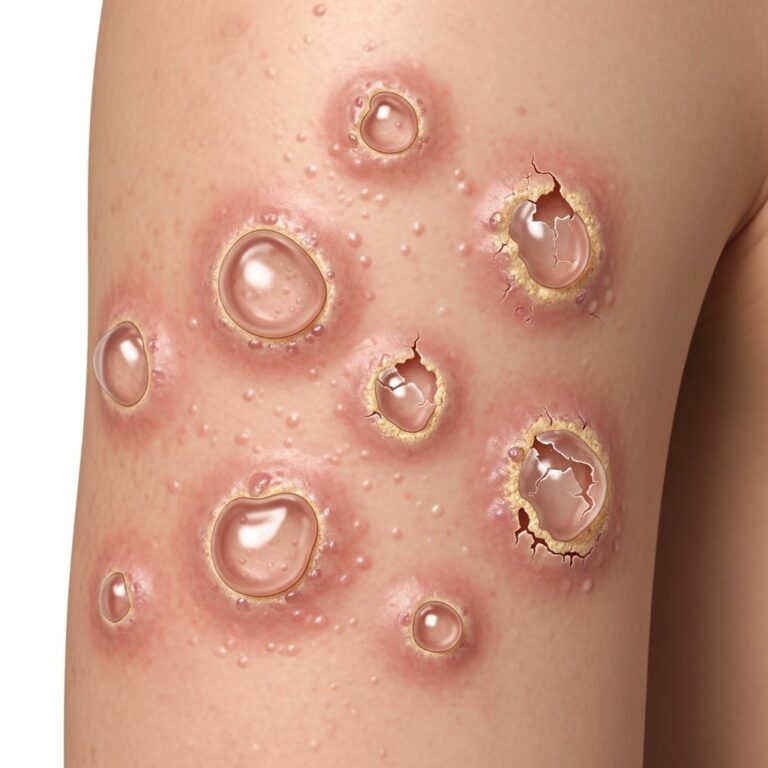
- Itchy red rash or bumps: Small, clustered papules or blisters that itch intensely.
- Hives (wheals): Raised, red welts in solar urticaria, appearing rapidly.
- Burning or stinging: Sensations worsening with continued exposure.
- Blisters or scaling: In severe cases, fluid-filled blisters or dry, scaly patches develop.
Symptoms improve within 1-2 days away from sun but may recur with re-exposure. Severe cases can cause fever, fatigue, or joint pain.
Types of sun allergy
Several distinct types exist, each with unique triggers and presentations:
- Polymorphic light eruption (PMLE): Most common, affecting 10-20% of people in temperate climates. Itchy rash on sun-exposed areas after first intense exposures.
- Solar urticaria: Rare; hives form within minutes of UV contact, even from light sources like fluorescents.
- Photoallergic eruption: Reaction to UV plus topicals like sunscreens, fragrances, or cosmetics, spreading beyond exposed skin.
- Photoaggravated eczema: Worsens pre-existing eczema with heat, sweat, and UV.
- Actinic prurigo: Genetic, intense itching and lesions, mainly in certain ethnic groups.
- Chronic actinic dermatitis: Severe in older adults, triggered by prolonged UV.
Causes and risk factors
The exact cause is unclear, but inherited traits play a role, making skin abnormally reactive to UVA/UVB rays. Key triggers include:
- Medications: Antibiotics (tetracycline, sulfa), NSAIDs (ibuprofen), diuretics, retinoids increase photosensitivity.
- Chemicals: Fragrances, sunscreens, disinfectants on skin before sun exposure.
- Underlying conditions: Lupus, eczema, metabolic disorders, vitamin deficiencies.
- Genetics and skin type: Fair skin, family history heighten risk.
Women are more affected, possibly due to hormonal factors or less cumulative sun exposure.
Diagnosis
Diagnosis starts with a dermatologist reviewing symptoms and history. Tests include:
- Phototesting: Controlled UV exposure to reproduce reaction and identify wavelengths.
- Patch testing: Checks for photoallergic contacts.
- Photopatch testing: Combines substances with UV.
- Blood tests/biopsy: Rule out lupus or other diseases.
Seek care if reactions persist or worsen; self-diagnosis risks missing serious conditions.
Related Stories



Treatment options
Treatment varies by type and severity; mild cases self-resolve in days.
Medications
- Topical corticosteroids: Reduce inflammation and itching (e.g., 1% hydrocortisone OTC, prescription stronger).
- Oral corticosteroids: Short courses like prednisone for severe flares.
- Antihistamines: Relieve itching and hives.
- Hydroxychloroquine: For PMLE or actinic prurigo.
Phototherapy
Gradual UV exposure via lamps builds tolerance, done 2-3 times weekly for weeks before summer.
Home remedies
- Cool compresses, moisturizers, calamine lotion.
- Avoid irritants; stay hydrated.
| Type | Treatment | Duration | Suitability |
|---|---|---|---|
| PMLE | Topical steroids, phototherapy | 1-2 weeks | Mild-moderate |
| Solar urticaria | Antihistamines, phototherapy | Acute relief | All severities |
| Photoallergic | Remove trigger, steroids | Days | Mild-severe |
Prevention strategies
Prevention is key:
- Sun protection: SPF 50+ broad-spectrum sunscreen, reapply every 2 hours; UPF clothing, hats.
- Avoid peak sun: 11am-3pm.
- Gradual exposure: Build tolerance slowly.
- Check meds/products: Consult doctor on photosensitizers.
Supplements like antioxidants may help, but evidence is limited.
When to see a doctor
Consult if rash is severe, persistent, blistered, or accompanied by systemic symptoms like fever. Early intervention prevents complications.
Frequently Asked Questions (FAQs)
Q: Can sun allergies be cured?
A: No permanent cure, but symptoms managed effectively with prevention and treatment; some improve with age or tolerance-building.
Q: Is sun allergy the same as sunburn?
A: No; sunburn is UV damage, while sun allergy is immune-mediated, often appearing without redness.
Q: Do fluorescent lights trigger sun allergies?
A: Yes, in solar urticaria, UV from artificial lights can provoke symptoms.
Q: Who is at highest risk for sun allergy?
A: Fair-skinned individuals, women, those with family history or on certain medications.
Q: How quickly do symptoms appear?
A: Minutes (solar urticaria) to hours/days (PMLE).
This comprehensive guide empowers you to recognize, manage, and prevent sun allergies for safer sun enjoyment. Always consult healthcare professionals for personalized advice.
References
- Understanding Sun Allergy Symptoms, Causes and Management — MyNectar. Accessed 2026. https://www.mynectar.com/learn/understanding-sun-allergies-causes-symptoms-and-management
- Sun allergy – Diagnosis and treatment — Mayo Clinic. 2023. https://www.mayoclinic.org/diseases-conditions/sun-allergy/diagnosis-treatment/drc-20378082
- Sun Allergy Guide: Symptoms, Treatment & Prevention — Schlessinger MD. Accessed 2026. https://www.schlessingermd.com/sun-allergy-symptoms-treatment-guide/
- Itching for some sun, but stopped by a sun allergy — Penn Medicine. Accessed 2026. https://www.pennmedicine.org/news/itching-for-some-sun
- An Allergist’s Summer Guide to Sun Allergy Treatment — SoCal Allergy. Accessed 2026. https://www.socalallergy.com/blog/summer-guide-to-sun-allergy-treatment/
- Sun allergy – Symptoms and causes — Mayo Clinic. 2023. https://www.mayoclinic.org/diseases-conditions/sun-allergy/symptoms-causes/syc-20378077
- Polymorphic light eruption — NHS. Accessed 2026. https://www.nhs.uk/conditions/polymorphic-light-eruption/
Similar Articles








Read full bio of medha deb