COVID-19 and Back Pain: Symptoms, Causes, and Management
Understanding how COVID-19 causes back pain and what you can do about it.
COVID-19 and Back Pain: What You Need to Know
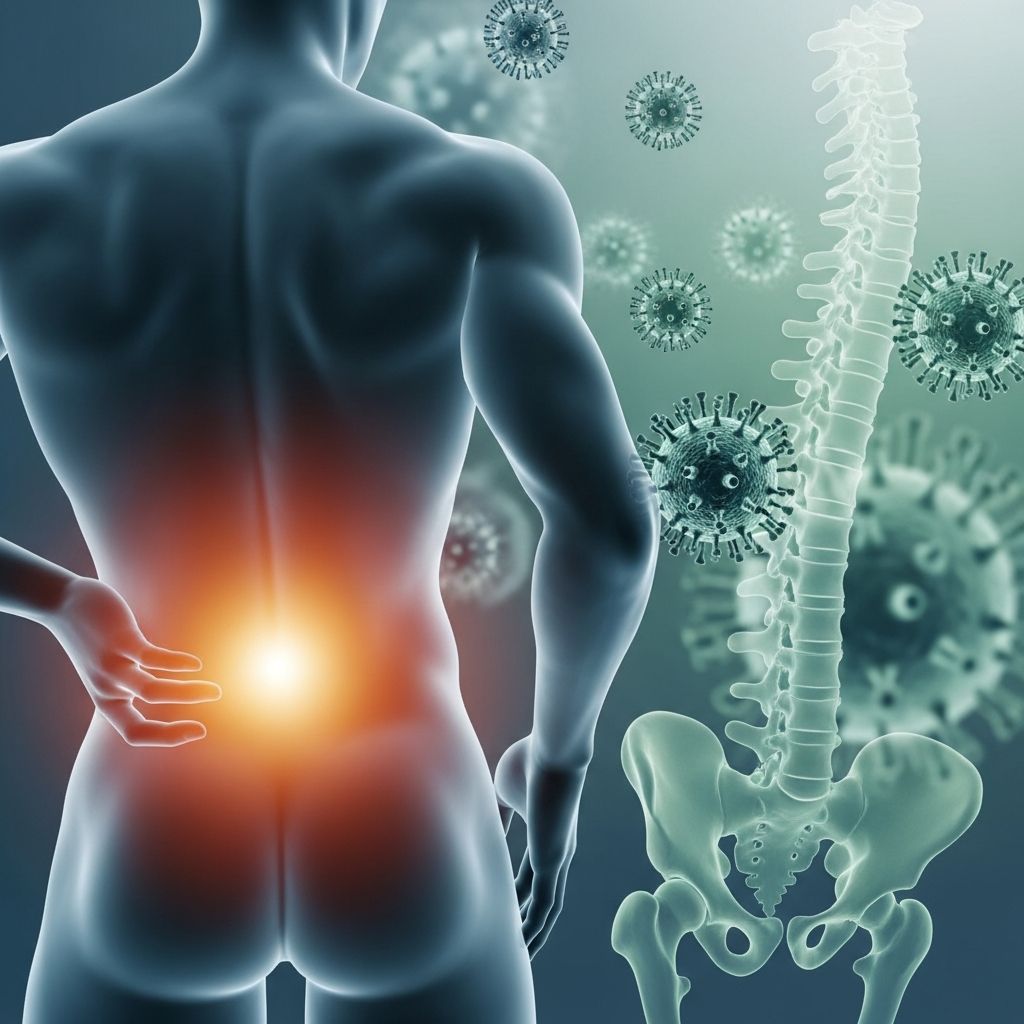
Back pain has emerged as one of the most frequently reported symptoms associated with COVID-19 infection. While many people associate coronavirus disease primarily with respiratory symptoms like cough and fever, body aches—particularly in the lower back—have become increasingly recognized as a key indicator of infection. Understanding the connection between COVID-19 and back pain can help you identify potential infection and seek appropriate care.
Is Back Pain a Symptom of COVID-19?
Research consistently demonstrates that back pain is a common symptom of COVID-19 infection. A 2020 research review found that pain is among the most frequently reported symptoms of COVID-19, often appearing as an early symptom sometimes in the absence of other typical signs. According to studies examining COVID-19 patients, approximately 69.3 percent of infected individuals reported pain as a symptom, with 43.6 percent specifically reporting back pain.
The prevalence of back pain as a COVID-19 symptom has become even more pronounced with certain variants. Data from South Africa indicated that people infected with the Omicron variant frequently develop back pain alongside respiratory symptoms. According to the Zoe COVID Symptom Study tracking hundreds of thousands of individuals across the United Kingdom, approximately one in five people with COVID-19 experience back pain.
When Does COVID-19 Back Pain Develop?
Back pain associated with COVID-19 typically develops in the early stages of infection. It may be among the initial symptoms that appear, sometimes before more classic respiratory symptoms emerge. However, back pain can also develop as a persistent symptom that lasts weeks or months after the acute infection phase resolves, a condition known as Long COVID.
The characteristics of COVID-related back pain differ from typical musculoskeletal back pain. Individuals describe it as a deep, diffuse ache rather than sharp or stabbing pain typical of sudden muscle injuries. Some patients have characterized the sensation as similar to intense period cramps or muscle spasms.
How Common Is Back Pain in COVID-19 Cases?
The frequency of back pain in COVID-19 cases varies depending on the variant and population studied. Research shows:
- 43.6 percent of COVID-19 patients who reported pain cited back pain as their primary symptom
- General muscle aches appear in up to 36 percent of people as initial COVID-19 symptoms
- Back pain was reported in approximately 10 percent of cases in one comprehensive research review
- About one in five people infected with Omicron specifically report back pain
- Roughly 25 percent of people with COVID-19 experienced persistent joint pain at a two-month follow-up
Why Does COVID-19 Cause Back Pain?
The mechanism behind COVID-19-related back pain involves your body’s immune response to the virus. When the SARS-CoV-2 virus infects your system, it triggers several physiological reactions that result in pain.
The Immune Response and Inflammation
The primary cause of COVID-19 back pain is believed to be your immune system’s response to infection. When infected with COVID-19, your body releases pro-inflammatory molecules called cytokines. These cytokines stimulate the production of prostaglandin E2, a molecule that acts on your nerves and transmits pain signals to your brain.
Research has specifically linked muscle aches caused by viral infections to increased levels of a cytokine called interleukin-6. This inflammatory response, while part of your body’s defense mechanism, contributes to the widespread muscle and back pain experienced during infection.
Related Stories



Viral Cell Entry and Tissue Damage
The SARS-CoV-2 virus uses a mechanism involving angiotensin converting enzyme 2 (ACE2) receptors to enter your cells. These ACE2 receptors are found throughout your body, including in skeletal muscles—the muscles supporting your spine and back. The virus may cause direct tissue damage to these muscles, contributing to pain development.
Contributing Factors in Severe Cases
In patients who require hospitalization for severe COVID-19, additional factors may contribute to back pain. Prolonged immobility, specific positioning requirements during treatment, and mechanical ventilation can all lead to musculoskeletal pain and spinal discomfort. Additionally, the psychological stress and anxiety associated with severe illness may exacerbate pain perception.
Can You Identify COVID-19 Back Pain?
Determining whether your back pain is caused by COVID-19 specifically can be challenging, as back pain has numerous potential causes. However, certain characteristics may help distinguish COVID-related back pain from other causes.
Distinguishing Features
COVID-19 back pain typically presents as:
- A deep, aching pain rather than sharp or stabbing sensations
- Pain that is less responsive to postural changes compared to mechanical back injuries
- Mild-to-moderate intensity, similar to pain from other viral infections
- Accompanying symptoms such as fever, cough, fatigue, or muscle aches throughout the body
- Onset during the early stages of infection
Diagnostic Confirmation
The only definitive way to confirm that back pain is caused by COVID-19 is through a positive diagnostic test. However, it’s important to note that COVID-19 tests are not 100 percent accurate, and false negatives can occur. If you suspect COVID-19 infection based on back pain combined with other symptoms, consider getting tested or consulting a healthcare provider.
It’s crucial to understand that back pain alone is not a reliable indicator of COVID-19. Many conditions cause back pain, and back pain can also occur with other illnesses such as influenza or pneumonia. Only when back pain appears alongside other characteristic COVID-19 symptoms should you consider COVID-19 as a potential cause.
Long COVID and Persistent Back Pain
For some individuals, back pain does not resolve after the acute infection phase ends. This persistent pain is part of a condition known as Long COVID or post-COVID syndrome, which affects a subset of people who have had COVID-19 infection.
Prevalence of Long COVID Back Pain
One Italian study found that approximately 25 percent of COVID-19 patients experienced persistent joint pain two months after symptom onset. Back pain has been identified as a symptom of Long COVID, with pain being a dominating characteristic for many long-haul sufferers. Some individuals have become significantly disabled by persistent pain, affecting their ability to work and maintain normal activities.
Risk Factors for Persistent Pain
Research suggests that chronic pain development in COVID-19 survivors involves multiple factors. Risk factors include baseline health characteristics such as increased age and underlying medical conditions (comorbidities), exposure to intensive care with prolonged immobility and mechanical ventilation, and exacerbation of underlying mental health conditions.
However, it’s important to note that older adults commonly experience chronic pain even without COVID-19 infection. Healthcare providers must carefully evaluate whether persistent back pain is directly caused by COVID-19 or represents a pre-existing condition that may have been exacerbated by illness.
Managing COVID-19 Related Back Pain
While research specifically addressing COVID-19 back pain management continues to develop, general pain management strategies apply. Healthcare providers have suggested gentle exercise and stretching as beneficial approaches. Standard back pain management techniques may provide relief, though specific evidence for COVID-related back pain is still emerging.
If you’re experiencing persistent back pain following COVID-19 infection, consulting with a healthcare provider is essential to develop an appropriate treatment plan tailored to your situation.
Frequently Asked Questions
Q: Is back pain a definite sign that I have COVID-19?
A: No. Back pain alone does not indicate COVID-19, as it has many possible causes. Back pain is only suggestive of COVID-19 when accompanied by other characteristic symptoms like fever, cough, or fatigue. A positive COVID-19 test is the only way to confirm infection.
Q: How long does COVID-19 related back pain typically last?
A: Back pain often develops in early infection stages and typically resolves as the acute infection clears. However, some individuals experience persistent back pain lasting weeks or months as part of Long COVID. The duration varies significantly between individuals.
Q: Why is back pain more common with Omicron?
A: The reasons for increased back pain prevalence with Omicron are not entirely clear. It may relate to how this variant affects muscle inflammation or other physiological factors, but research is still ongoing to understand this relationship.
Q: Can I treat COVID-19 back pain at home?
A: Gentle exercise and stretching have been suggested as helpful approaches for managing COVID-related back pain. However, you should consult a healthcare provider to develop an appropriate management plan, especially if pain is severe or persistent.
Q: Is COVID-19 back pain similar to regular back pain?
A: COVID-related back pain typically presents as a deep ache rather than sharp pain, and it’s less responsive to postural changes than mechanical back injuries. The pain characteristics differ somewhat from typical musculoskeletal back pain, though severity is generally mild-to-moderate.
Q: What should I do if I have back pain and suspect COVID-19?
A: If you have back pain alongside other potential COVID-19 symptoms (fever, cough, fatigue, muscle aches), get tested for COVID-19. Consult a healthcare provider to discuss your symptoms and determine the appropriate course of action based on your test results and overall health status.
References
- Is Back Pain a Symptom of COVID-19? What Research Shows — Healthline. 2024. https://www.healthline.com/health/back-pain-covid
- COVID-19 and its Impact on Back Pain — PubMed Central (PMC), National Center for Biotechnology Information. 2023. https://pmc.ncbi.nlm.nih.gov/articles/PMC8965312/
- Why does COVID-19 cause back pain? — Gavi, the Vaccine Alliance. 2022. https://www.gavi.org/vaccineswork/why-does-covid-19-cause-back-pain
Similar Articles








Read full bio of medha deb