COVID-19 Essentials 2026: 8 Key Symptoms, Variants, Vaccines
Stay informed on COVID-19 variants, symptoms, vaccines, and protection strategies for 2026 to safeguard your health effectively.
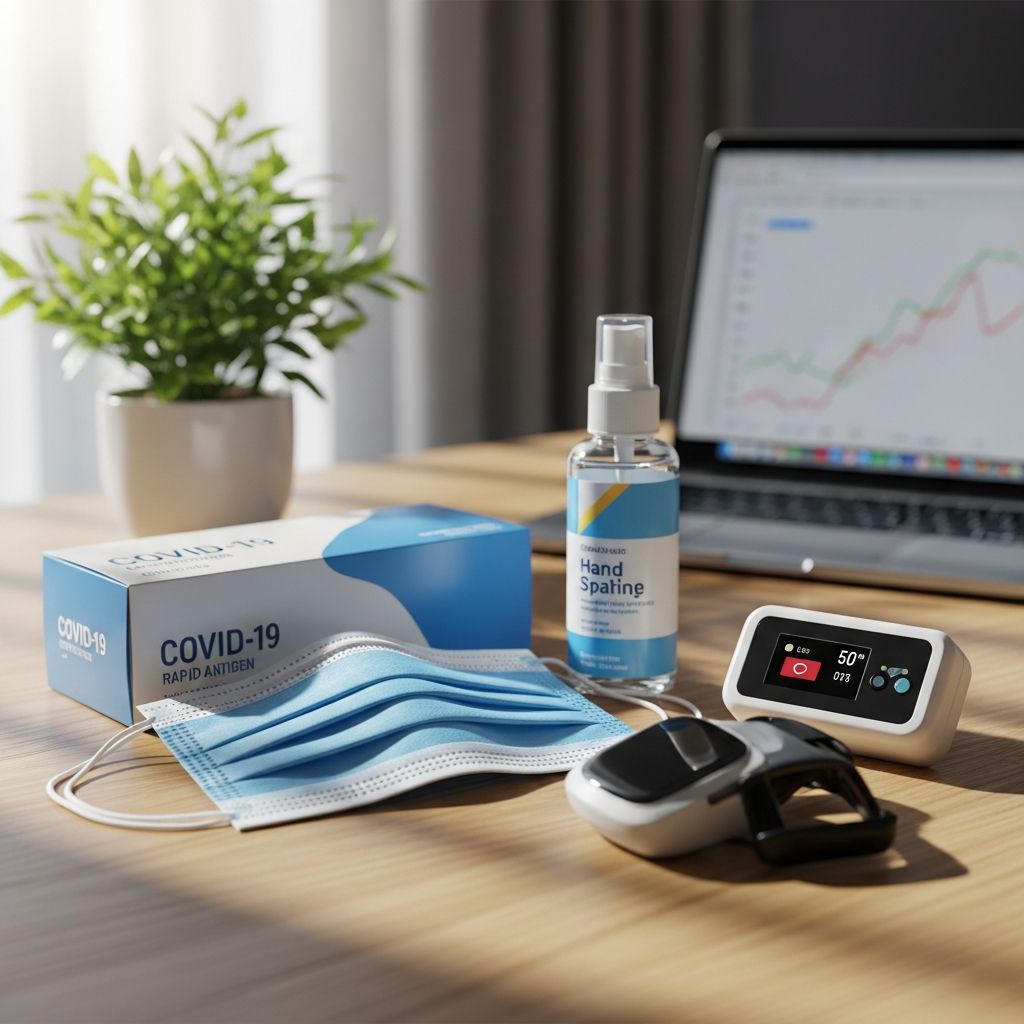
In 2026, SARS-CoV-2 continues to circulate globally, with recent data showing thousands of new cases, hospitalizations, and deaths each month. Understanding the current landscape is crucial for personal and community health management.
Global COVID-19 Landscape in Early 2026
The World Health Organization reports that from January 5 to February 1, 2026, 59 countries across three regions documented 47,004 new cases, a slight decline from the prior period’s 49,449 cases in 67 countries. Despite this, 13 countries in the Americas and Europe noted increases exceeding 10%. Hospitalizations reached 5,417 across 26 countries, with 224 ICU admissions in 24 countries. Deaths totaled 1,873 in 34 countries, up from 1,491 previously, with 91% among those aged 65 and older.
Testing efforts included 60,072 samples from 86 countries in late January, highlighting sustained surveillance needs. CDC estimates indicate infections growing in 12 U.S. states as of mid-February 2026.
Dominant Variants Circulating Now
The XFG variant dominates globally, comprising 62% of sequences in the week ending January 18, 2026, stable from late 2025. NB.1.8.1 follows at 21%, up from 15%, while BA.3.2 dropped to 2% from 5%. Regionally, XFG rose in Europe and the Western Pacific but fell in the Americas; NB.1.8.1 increased across regions with data.
In the U.S., XFG leads at 29%, NB.1.8.1 at 21%, and XFG.2.5.1 at 16%, with other Omicron subvariants like XFV, PQ.17, and XFZ present. These evolved from Omicron, which is no longer the original strain. NB.1.8.1 shows higher transmissibility but similar severity to prior Omicron waves for healthy people, posing greater risk to vulnerable groups.
Recognizing Symptoms of Current Strains
Symptoms from 2026 variants mirror recent Omicron patterns but with nuances. Common signs include:
- Severe sore throat
- Runny nose or congestion
- Dry cough
- Fatigue
- Headache
- Mild fever or chills
- Body aches
- Sneezing
Less frequent: shortness of breath, chest tightness, nausea, diarrhea, dizziness, or rare loss of taste/smell. Symptoms often start mildly, peaking in days, with recovery in 5-10 days for most, though fatigue lingers.
Distinguishing from Flu and Allergies
| Symptom | COVID-19 (2026 Variants) | Influenza | Allergies |
|---|---|---|---|
| Onset | Gradual | Sudden | Gradual/seasonal |
| Fever | Mild | High | Rare |
| Sore Throat | Prominent/severe | Moderate | Mild/itchy |
| Cough | Dry, persistent | Wet, severe | Rare |
| Fatigue | Prolonged | Intense but shorter | Mild |
Overlaps necessitate testing for accurate diagnosis.
Vaccination: Key Protection Strategy
Updated 2025-26 COVID-19 vaccines target new variants, recommended for everyone 6 months and older. Protection peaks in the first three months post-vaccination, lasting up to six months against severe disease.
- Children 6-23 months: All should vaccinate; 2-18 years at high risk strongly advised, others optional after provider consult.
- Adults 19-64 not high-risk: One or more doses.
- 65+: Two or more doses, tailored to history.
Vaccines reduce severe outcomes amid evolving strains and seasonal surges. Consult providers for personalized dosing.
When and How to Test
Test if experiencing respiratory symptoms, post-exposure, before gatherings/travel, or living with high-risk individuals. Rapid at-home tests detect current variants; retest after 24-48 hours if initial negative but symptoms continue.
Seek emergency care for:
- Difficulty breathing
- Persistent chest pain
- Confusion
- Bluish lips/face
- Inability to stay awake
Prevention Measures for Everyday Life
Layered strategies remain effective:
Related Stories



- Vaccinate and stay current.
- Wear masks in crowded/indoor high-risk settings.
- Improve ventilation.
- Practice hand hygiene.
- Maintain distance when ill.
- Stay home when symptomatic.
CDC forecasts potential high hospitalizations in 2025-26, emphasizing prevention.
Recovery and Managing Post-Infection
Most recover in 5-10 days; ease back into activities with rest, hydration, and symptom monitoring. Avoid strenuous exercise until full recovery. Persistent symptoms beyond weeks warrant medical evaluation for long COVID.
RECOVER initiatives explore long COVID impacts and treatments, with trials for four therapies planned.
High-Risk Groups and Special Considerations
Older adults (65+), immunocompromised, and those with comorbidities face highest severe risks. 91% of January 2026 deaths were in 65+ group. Tailored vaccines and precautions are vital.
Frequently Asked Questions
Is COVID-19 still a threat in 2026?
Yes, with ongoing cases, hospitalizations, and deaths globally.
What is the main variant now?
XFG at 62%, followed by NB.1.8.1.
Do I need a new vaccine?
Yes, updated 2025-26 formula for all 6 months+.
How long do symptoms last?
5-10 days typically, longer for some.
Can at-home tests detect new variants?
Yes, most do.
Future Outlook and Surveillance
Ongoing monitoring tracks variants and trends. WHO dashboards provide real-time data; experts watch for severity changes. Prepare for respiratory season peaks November-April.
References
- WHO COVID-19 dashboard – WHO Data — World Health Organization. 2026-02. https://data.who.int/dashboards/covid19/summary
- Communicating About Flu and COVID-19 Vaccination in 2025-26 — Public Health Collaborative. 2026-01. https://publichealthcollaborative.org/communication-tools/communicating-about-flu-and-covid-19-vaccination-in-2025-26/
- What COVID-19 variants are going around — Nebraska Medicine. 2026-02. https://www.nebraskamed.com/COVID/what-covid-19-variants-are-going-around
- A year of discovery: Looking back at 2025 and ahead to 2026 — RECOVER COVID. 2025-12. https://recovercovid.org/news/year-discovery-looking-back-2025-and-ahead-2026
- New COVID Variant Symptoms in 2026: What You Need to Know — Priority Care Clinics. 2026. https://prioritycareclinics.com/new-covid-variant-symptoms/
- CDC Predicts Possibility of Higher COVID-19 Hospitalizations — CDC via Respiratory Therapy. 2025. https://respiratory-therapy.com/disorders-diseases/infectious-diseases/coronavirus/cdc-higher-covid-19-hospitalizations/
- Current Epidemic Trends (Based on R t ) for States – CDC — Centers for Disease Control and Prevention. 2026-02-17. https://www.cdc.gov/cfa-modeling-and-forecasting/rt-estimates/index.html
Similar Articles








Read full bio of Sneha Tete